


Witness and Victim Protection Broadened, Could This Help Reach Out to Those So Far Marginalised?
- Admin YAPHI
- Suara Keadilan
- Hits: 12
User Rating: 0 / 5

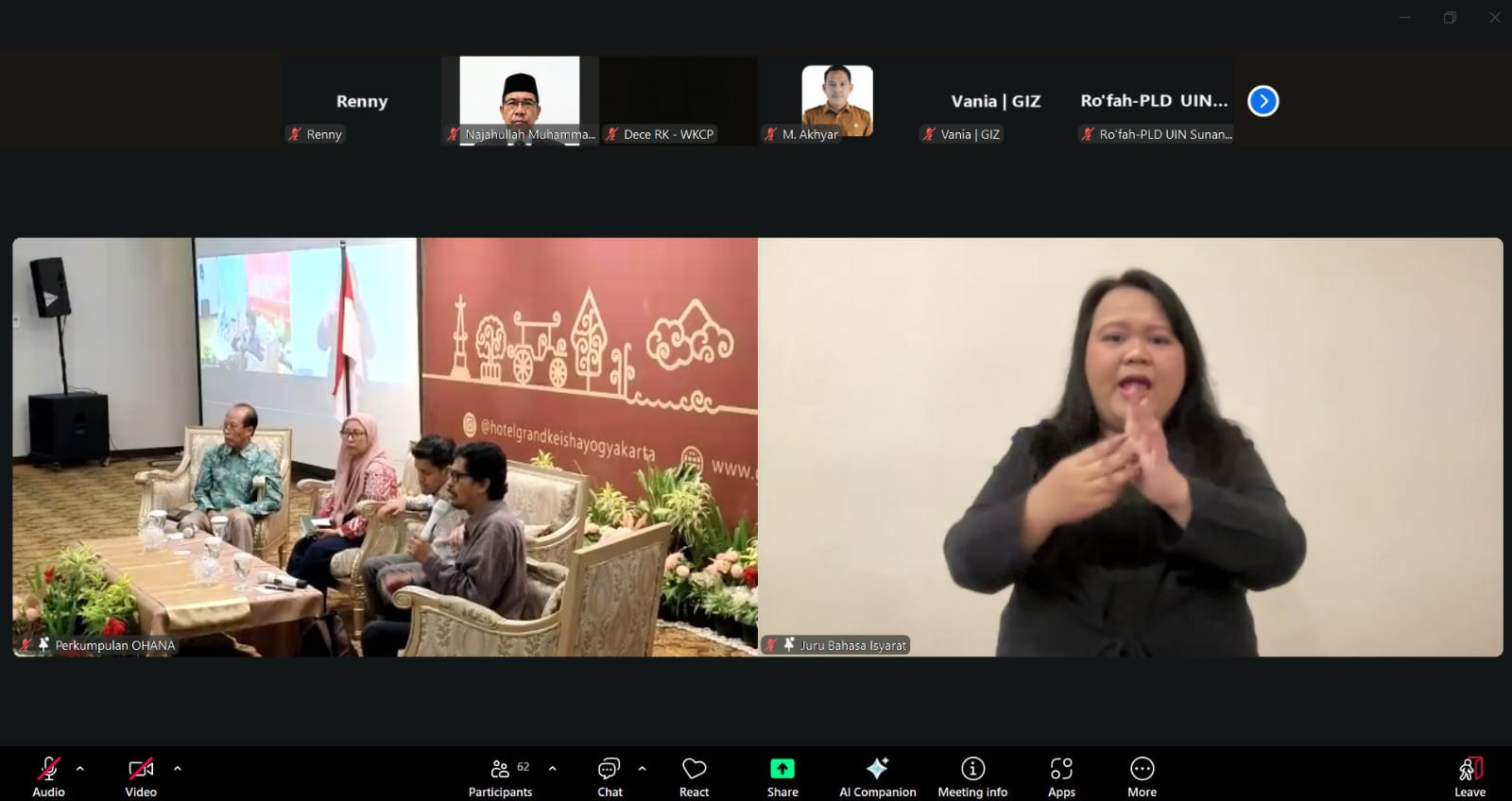
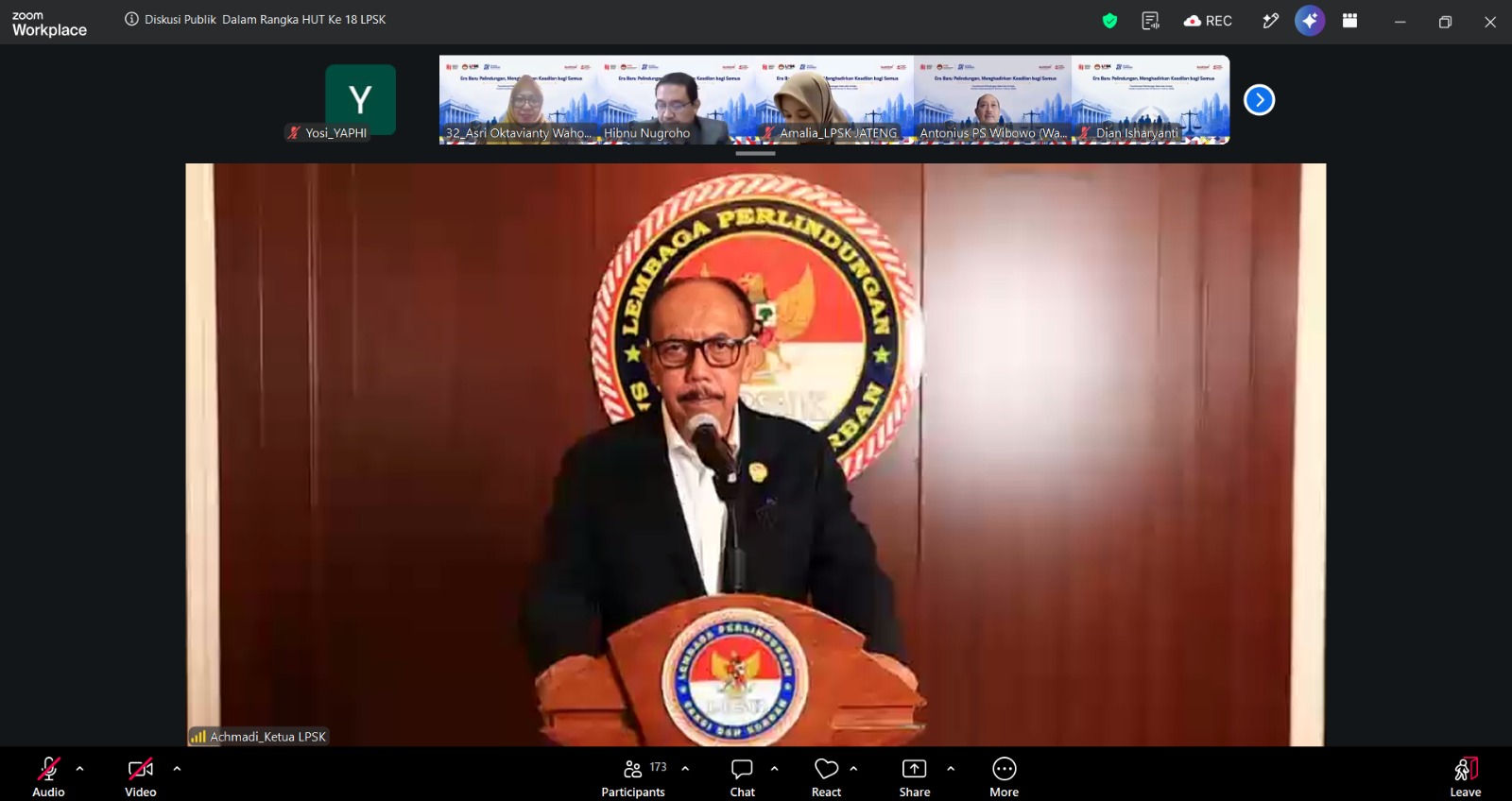
Hundreds of law enforcement officials, academics, civil society organisations, health professionals, and sub-national government representatives filled the discussion space via zoom on Tuesday (28/7). They came with different interests, but showed the same concern with regards to how to ensure that people had the courage and confidence to expose crimes and not to become the next victims.
Add a comment
Village Red-White Cooperative, between Hope for Economic Democracy and Concerns about Disappearing People’s Participation
- YAPHI
- Suara Keadilan
- Hits: 177
User Rating: 0 / 5
The idea to build an economic democracy through village red-white cooperative (KDMP) prompted intense debates. On one hand, people view that the program would offer great opportunities to strengthen people’s economy through State supports. On the other hand, there was fear that the approach was too centralistic that it would push aside people’s participation, which was key feature of a cooperative movement.
Add a comment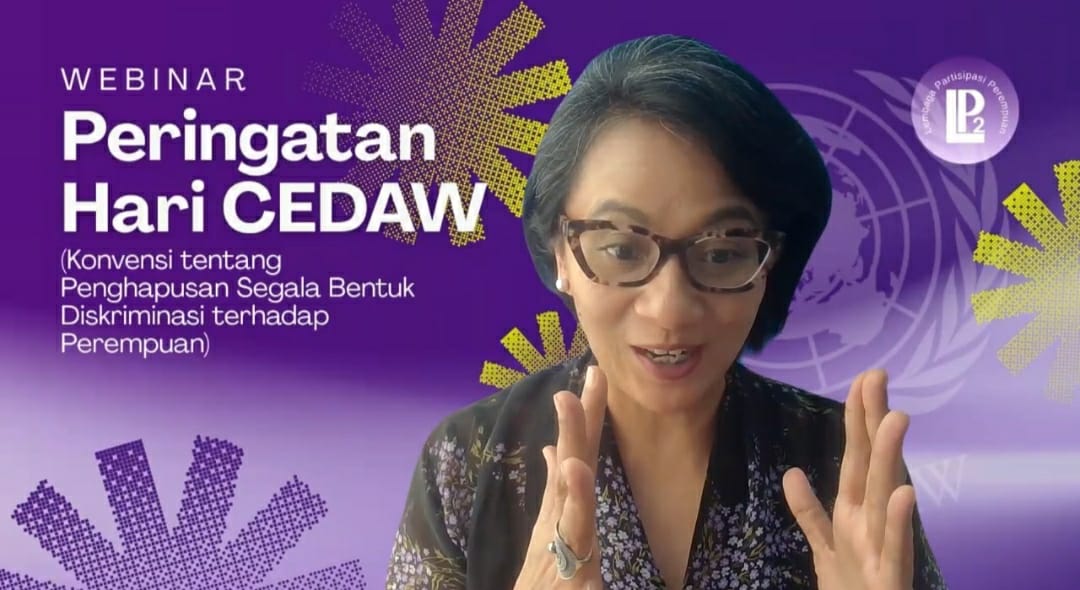
Four Decades of CEDAW, When Legal Change Not Yet Affecting Women’s Life
- Admin YAPHI
- Suara Keadilan
- Hits: 13
User Rating: 0 / 5
The online discussion organised by Lembaga Partisipasi Perempuan (LP2) on Friday (24/7) was not fully optimistic. In the spirit of celebrating forty years since Indonesia ratified the Convention on the Elimination of All Forms of Discrimination against Women (CEDAW), speakers repeated the same question: Why Indonesian women still faced systemic discrimination?
Add a comment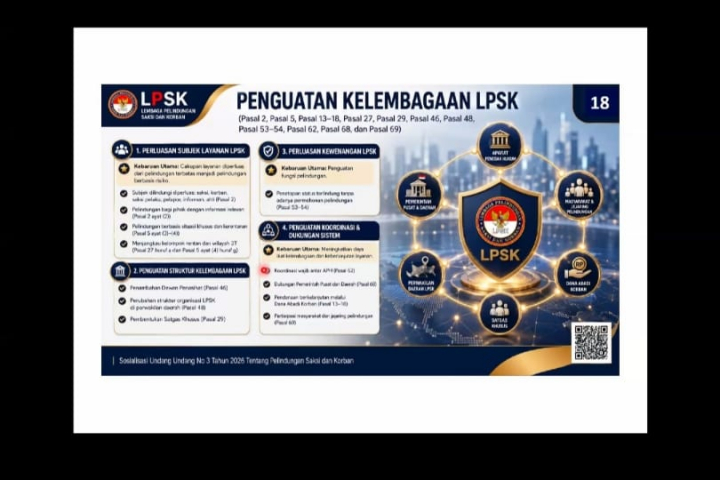
Consolidation of LPSK and SIMPUSAKA, Measures to Bring Witness and Victim Protection to the Communities
- YAPHI
- Suara Keadilan
- Hits: 199
User Rating: 0 / 5
Law No. Year 2026 on Victims and Witnesses; Protection introduced a major change in the victims and witnesses’ protection system. The law not only consolidated the Victims and Witnesses Protection Agency (LPSK), as the new regulation also brought hopes that the protection services would be more easily accessible to communities, including those living in remote areas.
Add a comment
Behind the Carbon Promise and the Enforcement on Forest Areas: When the Field Questioned the Governance
- Admin YAPHI
- Suara Keadilan
- Hits: 12
User Rating: 0 / 5
In the zoom meeting initiated by Pulitzer Center on Thursday (23/7), terms like carbon market, ecosystem restoration, enforcement of forest areas, and net zero emission came up repeatedly. On paper, all seemed promising. Indonesia attempted to reduce emission, protect forest, and meet global climate commitment. Yet, behind the technocratic policy language, investigative journalists found more complicated stories.
Add a comment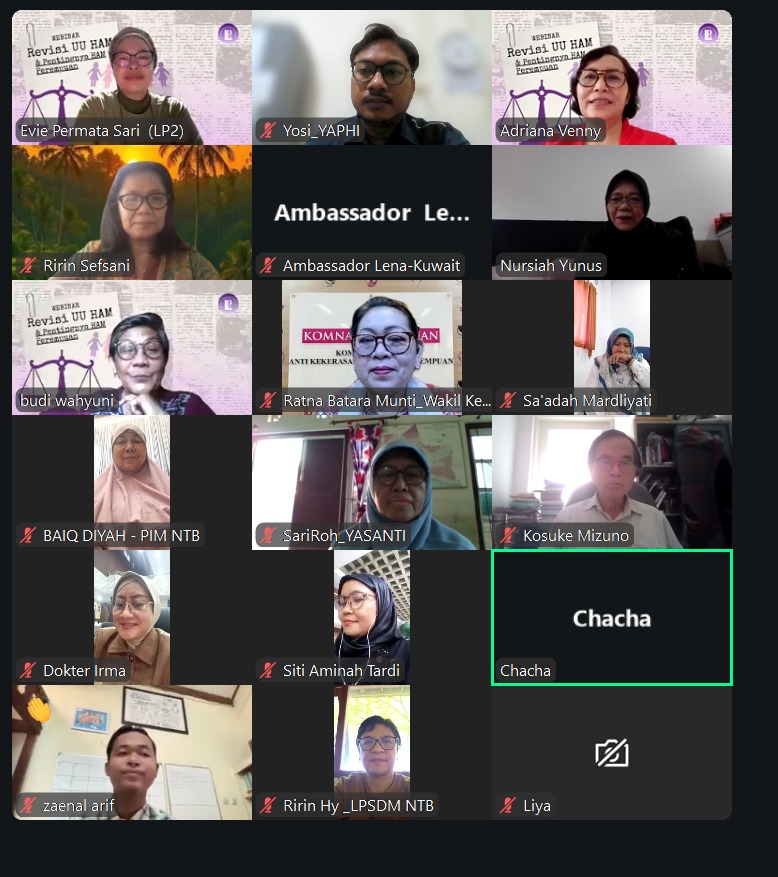
Consolidation of Revision of Human Rights Law Was Necessary, the National Women’s Rights Commission Highlighted the Independence and Protection of Vulnerable People
- YAPHI
- Suara Keadilan
- Hits: 122
User Rating: 0 / 5
The government attempt to revise Law No. 39 Year 1999 on Human Rights invited a number of views from human rights activists, academics, and independent State institutions. In a public discussion by Lembaga Partisipasi Perempuan (LP2) or Women’s Participation Institute via zoom meeting on Monday (29/6) re. revision of human rights law, a number of speakers highlighted the importance of regulation update in order for it to respond to the current human rights challenges, yet at the same time they also reminded that revision should not weaken protection of human rights and the independence of human rights institutions.
Add a comment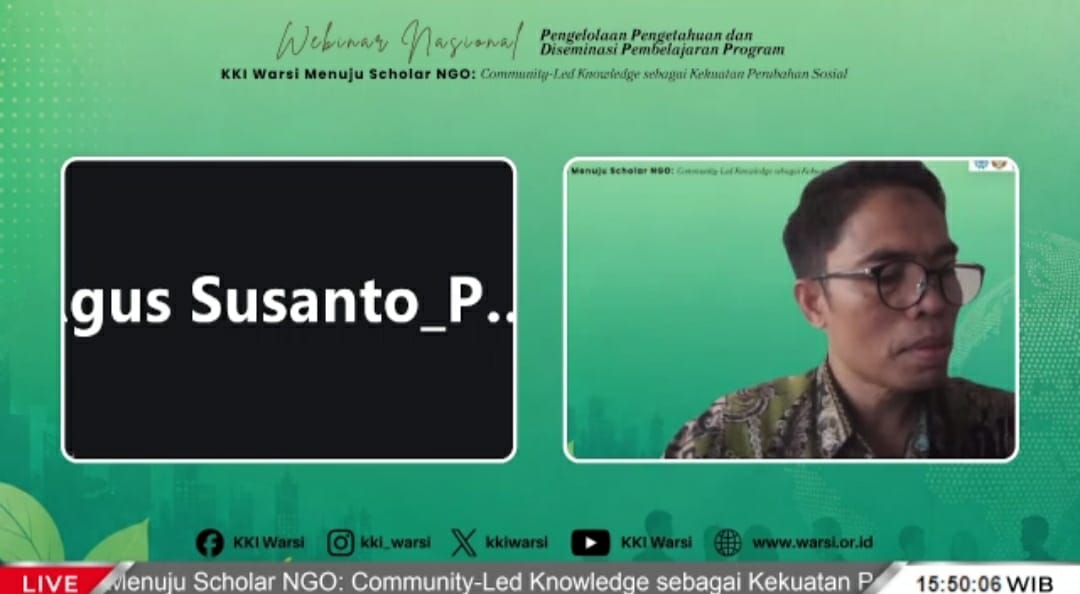
Discussion Note - KKI WARSI: When People’s Wisdom Appealed to Policy Makers
- Admin YAPHI
- Suara Keadilan
- Hits: 121
User Rating: 0 / 5
Participants’ views were on full display in. There was no explosive debates. Yet, one common thread emerged out of all questions and answers – why it was extremely difficult for local community knowledge built upon years of local experience protecting the forests to find a place in public policies?
Add a comment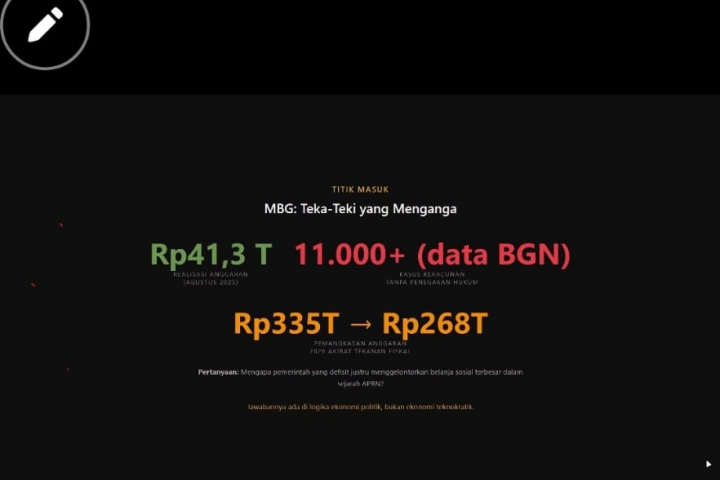
Identifying the Weakness of Prabowonomics: When Crisis Became Arena for Conflicts of Interest
- YAPHI
- Suara Keadilan
- Hits: 362
User Rating: 0 / 5
In contrast to the previous presentation during a discussion organised by the Alternative Movement Coalition or Koalisi Pergerakan (KP) Alternatif on Tuesday (16/6/2026) which focused more on gaps in data and economic situation of the people, speaker Ken Budha Kusumandaru chose to use a different point of view. For academics who review such politics and social movement, the key issue was not simply understanding Prabowonomics, but identifying weak points that could offer spaces for criticism and resistance.
Add a comment