



A ramp was available in front of a building. The path was not steep so that wheelchair users could enter without climbing the stairs. At a glance, the facility showed that a city started to pay attention to the citizens’ needs. Yet, a few steps along the ramp, a flower pot stood right on the path. The facility was available, but could not be used as intended.
That sight was not a stand-alone case. On footpaths, trees could grow in the middle of the footpaths. Holes were observable without any sign. The drain was open. Iron lied across. Pedestrian path was blocked. Pedestrian crossing was available, but not always giving the necessary information to people with vision impairment. The question with regards to inclusive city became more fundamental: Was a facility considered accessible because the government had built it?
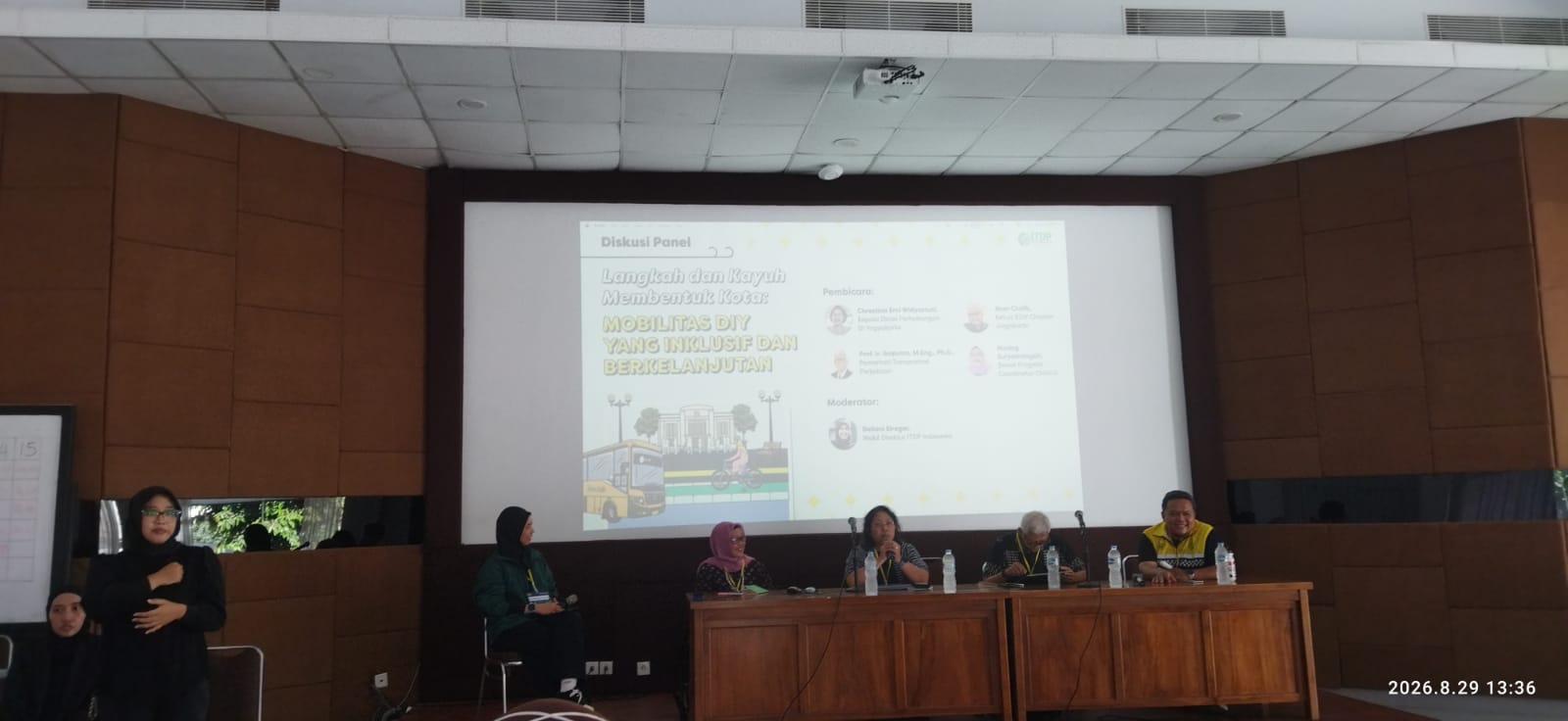
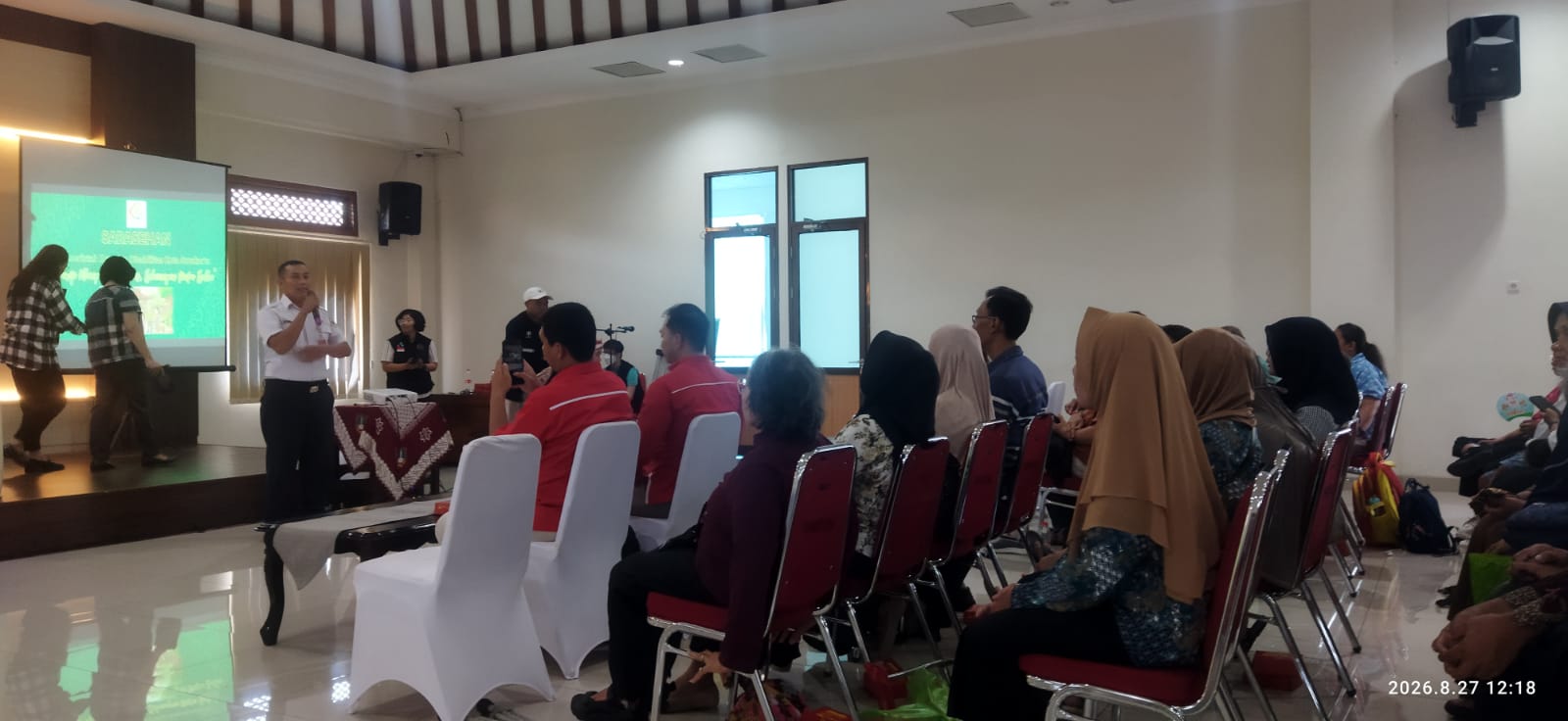
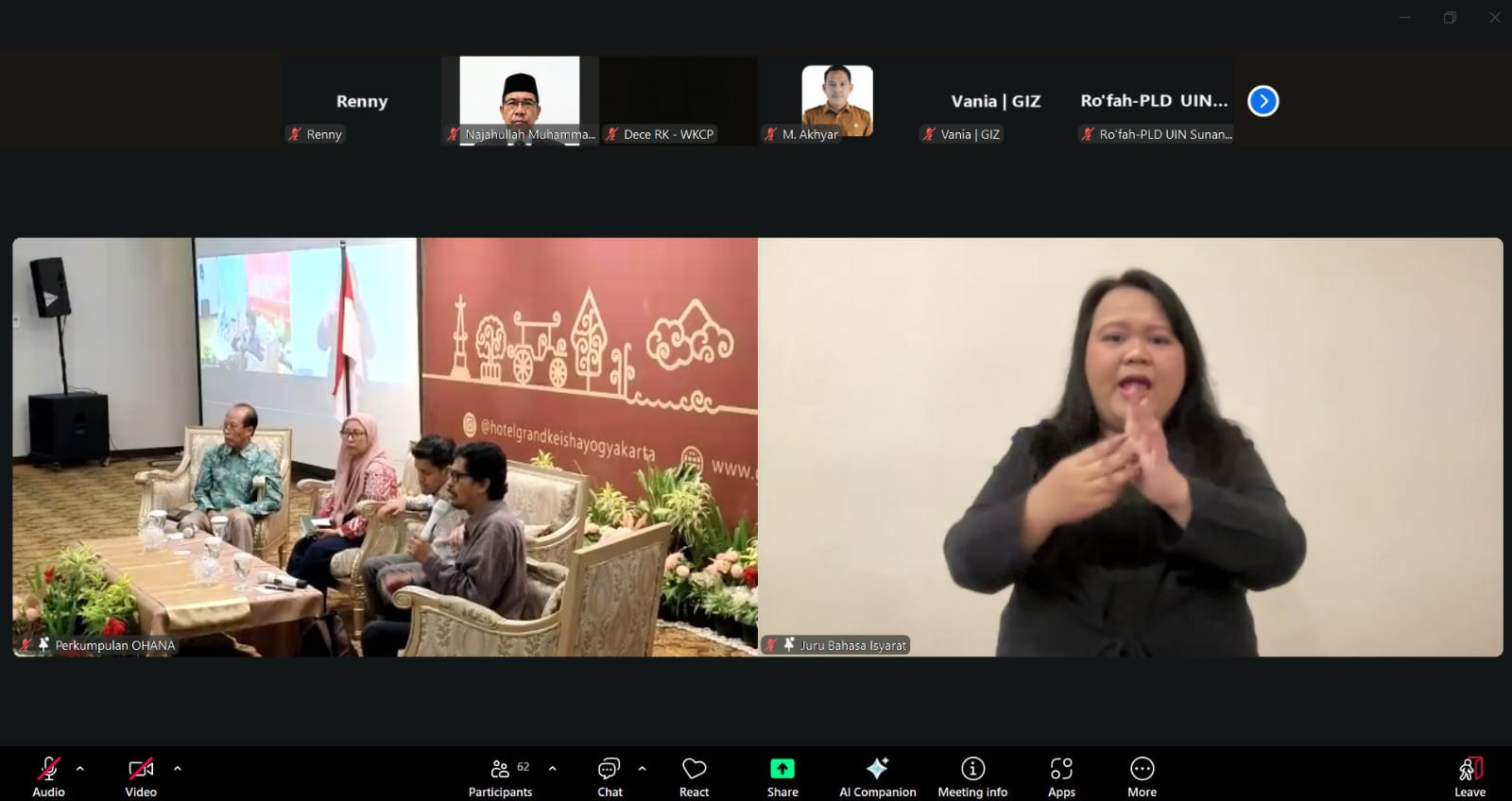
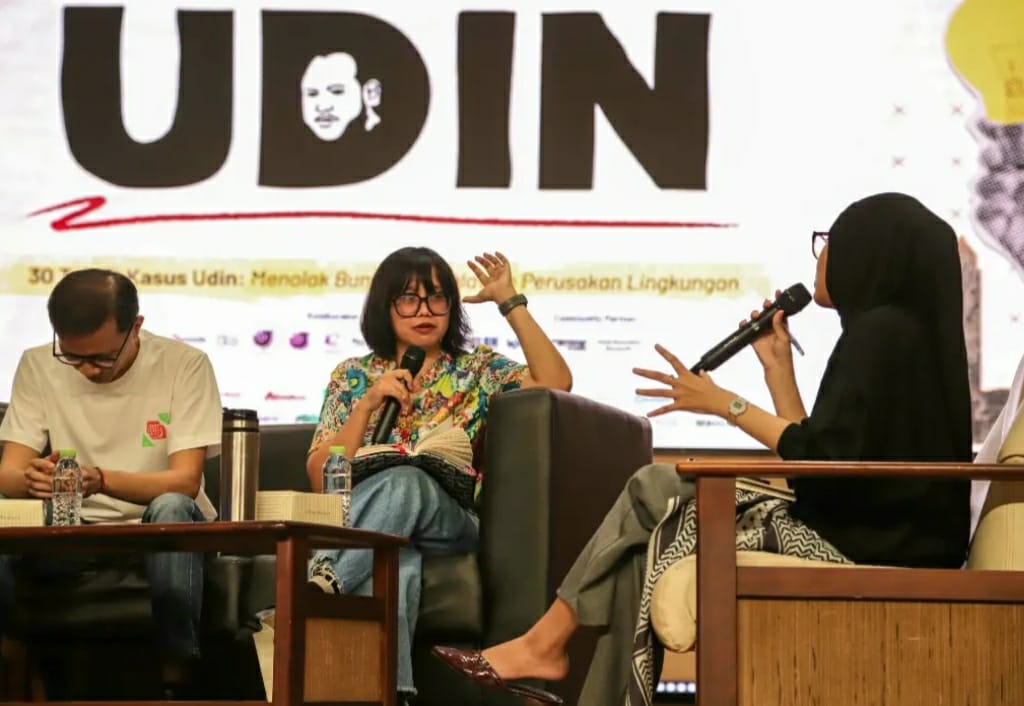
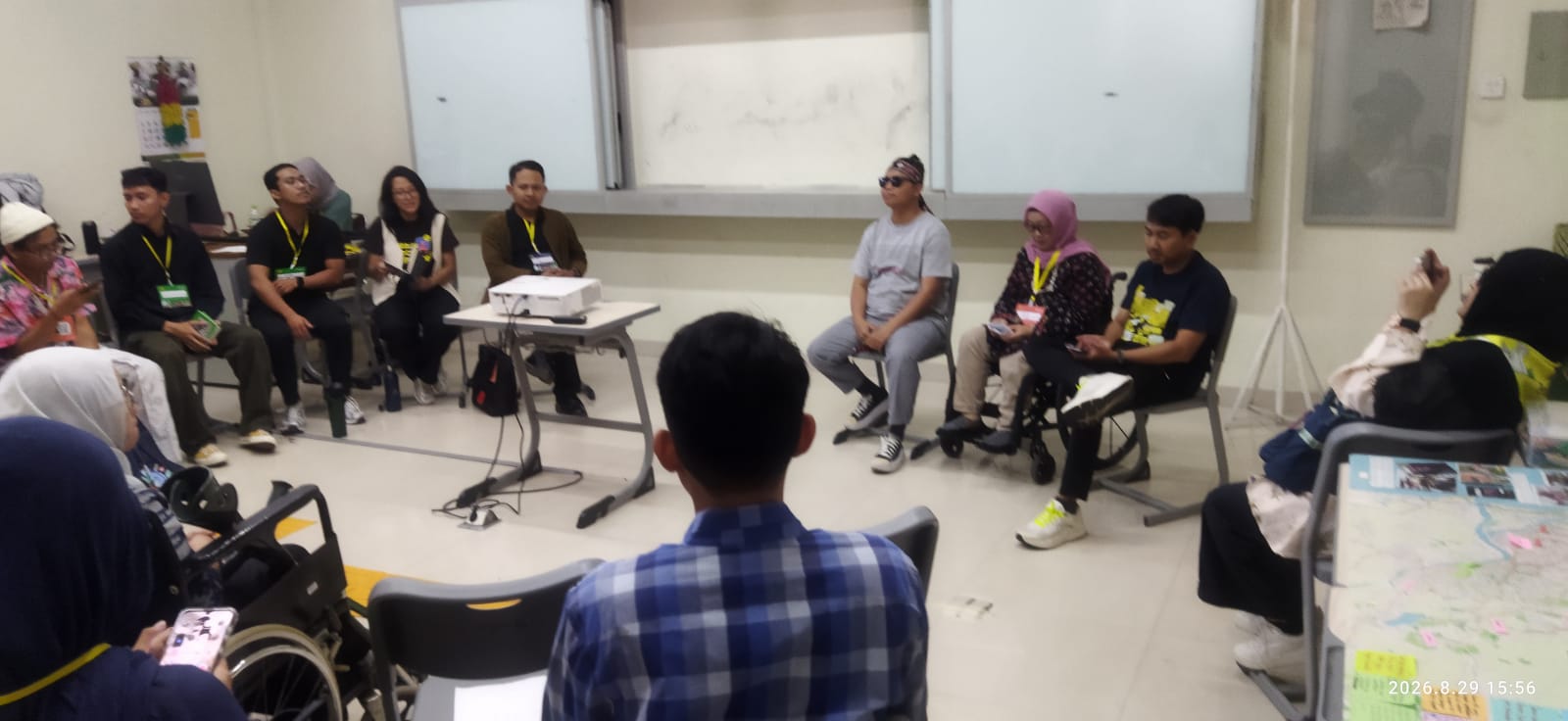
That question was raised in a discussion forum on Urban Social Forum (USF) No-12 organized by Yayasan Kota Kita , on Saturday (29/8) entitled “Setara Bersuara, Kota Tanpa Kita” (Equal Voices, City Without Us), that invited people with disability, communities, academics, planners, media, and other parties working on public space issues. In that room, the term “City for All” was reviewed in light of experiences from people who used the city.
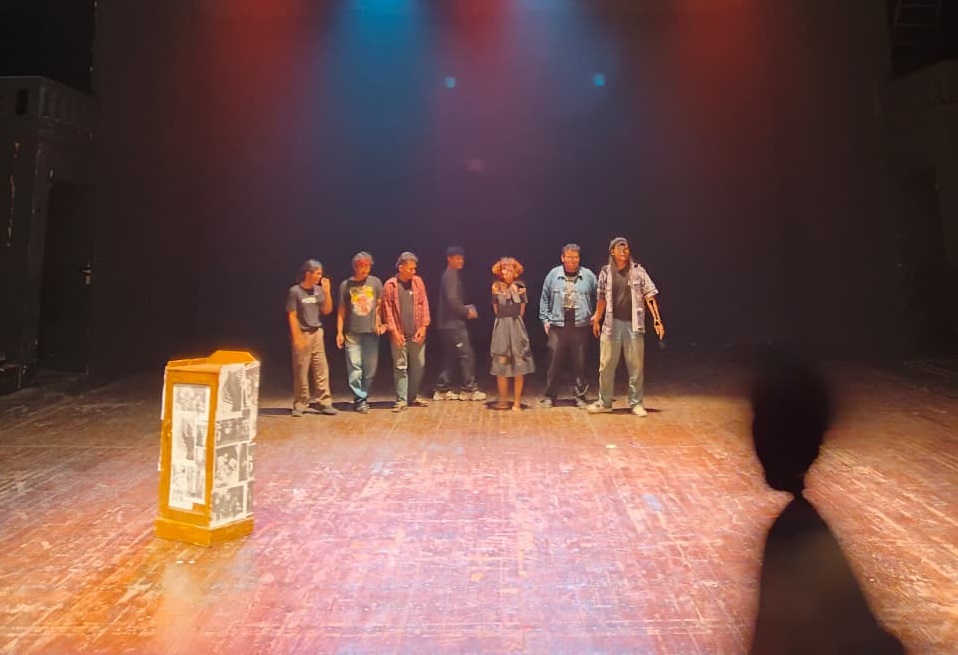
Ridwan M. Daeng Maliq from Koalisi Suara Inklusi Makassar started the discussion through arts. He asked participants to imagine living without sight, walking without traces that could be followed, and hearing voices that may not necessarily guide you. The poem slowly revealed one message that people with disability were truly there. They were not groups that just emerged when the government designed assistance programs. They were citizens who used the roads, the footpaths, the parks, schools, hospitals, transport, work places, and other public spaces on a daily basis. When those spaces could not be used, what was missing was not simply comfort. The right to move and to participate in city life were also hampered.
Ramp Blocked by Pots
Nuning Suryatiningsih from OHANA brought her experience to Yogyakarta. On Malioboro Street, information about accessibility had to be given to parking personnel. That street had been one of the public spaces that received much attention for accessibility planning. Yet, simply providing the facility was not enough. “When accessibility was there and other people did not understand,” new problems appeared including, footpath blocked by trees. Holes appeared on the footpaths. Ramp was available, but then blocked by flower pots. Nuning’s questions sounded simple: “The policy is there, then for what?”
The communities in Yogyakarta had collaborate on accessibility audit. The result was used to see how public facilities truly work when used. Yet, the audit result was not totally satisfying. The finding showed bigger issues. There were gaps between policies, design, development, maintenance, and use.
A facility could be stated to exist in a document. Yet, users could find different problems when they arrived at that facility. For people who were able to walk without any problem, flower pots at the end of a ramp might only be a distraction. For wheelchair users, those pots meant that the ramp was simply inaccessible. The difference in experience was critical when assessing a city.
Increasingly Expensive City to Access
Azar from Accessible media saw that issue from a social life point of view. Public spaces were not simply spaces for people to have a walk. They were places to meet, communicate, build networks, and spend time. Yet, more of such spaces shifted to commercial venues. People who wanted to meet friends often had to go to a café or other fee-based venues. That condition added other burden for people with disability. Before they went, they had to make sure that the venue was accessible. Were the doors wide enough? Were there toilets? Were the paths to the location safe? Was there accessible information for people with vision impairment? What about the noise level?
Those questions made the journey longer. Azar said that a person could waste hours just looking for information on the condition of a particular place before deciding to pay a visit. When information was not available, the risk of finding a place that could not be used became increasingly larger. That issue showed that accessibility also related to rights to socialise.
People with disability did not just need access to schools or hospitals. They also had the right to enjoy parks, meet friends, attend community activities, and use public spaces without spending unnecessary extra money. “If not informed, networking and having fun became more expensive,” said Azar. A city without easily accessible public spaces indirectly limited social life of certain groups of people.
Makassar and Unseen Barriers
In Makassar, the Coalition for Inclusion Voices or Koalisi Suara Inklusi worked with people with a variety of disabilities. Colleagues with hearing, vision, physical, psychosocial, intelectual disabilities, people with disorder-spectrum autism, down syndrome, and other public space users had different experiences. The diversity was critical because accessibility did not have one measure. A safe path for people with a wheelchair may not provide enough information for people with vision impairment. A comfortable space for some people may not be comfortable for others with sensory needs.
Daeng gave an example of a friend with psychosocial disability when accessing city park. The park could be a space to rest. Yet, when the park was too noisy or not providing safe and comfortable space, then not all people could enjoy the park. For that reason, accessibility did not just stop at the physical aspect. There was also accessibility to information. There was accessibility to communication. There were sensory needs. There was needs for safe space. All those had to be incorporated into inclusive city discussion.
The Pedestrian Space, Physical Barriers Kept Occurring
Holes, drain, iron, poles, trees, and other objects laced on path could also become barriers to mobility. For people with vision impairment, that condition became more complex because not all barriers could be visually identified. Documentation could be key parts of advocacy. When holes or other barriers were found, communities urged people to take photos and noted the location. That finding would be collected into data that showed actual city condition.
Data did no always rely on large survey. People’s experience collected consistently could also become bases for change.
When a Design was Made without Users
The experience of a person who lost his vision when he was an adult reminded of another issue: who was considered the users when a city was designed? Architects and planners worked with drawing, technical standard, measures, and assumption about human needs. The problem appeared when such assumption was not tested with users.
He argued that something considered accessible by planners may not necessarily be so for people with disability. For that reason, involvement did not start from after a building was completed. People with disability had to be involved since the beginning. They needed to talk about needs, test the design, try the facility, and offered inputs before decisions were made.
Daeng encouraged architecture and planning students to experience that process directly. He asked students to see that the ramp pitch, which met certain defined standard, may not be accessible independently to all users.
There was a difference between “accessible with assistance” and “accessible independently.” That difference was critical. If people with disability had to always wait for someone to help, then the facility did not give them the independence.
People’s Experience as Data
A discussion participant from Brawijaya University told of an experience meeting with a colleague with disability. This participant was asked, “You are an architect, why is it difficult for me to go anywhere?” That question served as a beginning to a reflection. The participant was a planner, yet he could not find an answer to the question. The participant then brought that experience to the academic room. That simple question from a city user became an entry point to question the architecture and planning education and how it viewed humans.
Daeng argued that students and lecturers had to learn directly from people with disability. Technical standard and experience were two aspects that needed to be reconciled. In the forum, there was presentation about the tactile plan in Makassar City. That map showed that access to the city was not only about whether someone could enter a building or not. The information about rooms had to be accessible to all people who needed it.
The information about a city was not simply the responsibility of city government. Community members who moved from one corner of the city to other corners of the city had detailed knowledge of the condition of the streets, public facilities, gathering points, and other barriers. That knowledge could be developed into guidelines for inclusive public spaces. This way, people’s experience could be a source of data.
Recognition Did Not Guarantee Inclusiveness
A participant from Sigab Indonesia, Ninik Heca saw another issue from an academic and disability organisation’s point of view. She said that groups of people with disability had to be invited as strategic partners in policy decision. Collaboration between disability organisations and universities was important in order to consolidate knowledge and advocacy.
She shared an experience of collaboration between SIGAB and Magister UGM. That collaboration could serve as a meeting point between community experience and academic knowledge.
She gave a statement that her experience in Yogyakarta showed that recognition did not automatically lead to solution. City could get recognition as an area that paid attention to inclusiveness. But on the field, it was still difficult to use basic facilities. It might still be difficult to find toilets declared accessible. Hotels and kafes were not always friendly to wheelchair users. Built facilities could be shut or used for other purposes.
Di situlah, menurutnya, ukuran kota inklusif seharusnya diletakkan. Bukan pada seberapa sering istilah inklusi digunakan. Bukan pula semata-mata pada penghargaan. Ukuran yang lebih nyata adalah apakah warga dapat menggunakan fasilitas tersebut secara mandiri.
Teaching Inclusion Since Early Age
The discussion focused on the younger generation. Randi asked how inclusion value could be implanted in the Alpha generation. Nuning emphasised the importance of changing view points. People with disability should not be continually seen through their limitation.
Daeng chose an approach through meeting. His child was introduced to communities since early age. That child learned sign language and interacted with colleagues with disability. That child learned that a person with vision impairment was by no means incapable. That type of learning was critical because stigma often emerged from ignorance. When a child met diversity since early age, differences were not perceived as odd/strange.
From Jargon to Change
The meeting went back to the original question: what did it mean for a city to be for all? The answer did not lie in one facility. An inclusive city needed footpaths that people could walk through. Transport provided information for all users. Parks paid attention to the physical and sensory needs. Buildings had access that could truly be functional and useful. Information could be retained easily. Public spaces did not always have to ask people to pay for networking.
More than that, the city needed a planning process that involved people who would use it. It was not enough to label people with disability as beneficiaries. They had to be part of the decision-making process.
In the debate about the design and policy, one common thread was that decision makers had to listen to people’s experience before the city decided. A city planned without listening to the users would risk creating facilities that looked perfect in drawing, but failed when being used. The meeting and the discussion were critical beginning. From there, data could be collected. Findings could be audited. Policies could be criticised. Design could be improved. The government could be prompted to take actions.
The discussion concluded that inclusive city was not simply a physical development project. It was a process of ensuring that every citizen had equal opportunity to move, work, study, socialise, and enjoy the space together. When a city proclaimed that it was built for all, the measure for success was simple: whether everyone was able to use the city?
If there were still people who had to find detour when walking through a blocked footpath, wait for assistance to enter a building, spend hours finding information about accessibility, or choose to stay at home because the public space was too difficult to access, then the inclusive city task was not complete. What was at stake was not simply a ramp, a footpath, a toilet, a park, or a pedestrian bridge. What was at stake was a person’s rights to be a full citizen of the city. (Ast)