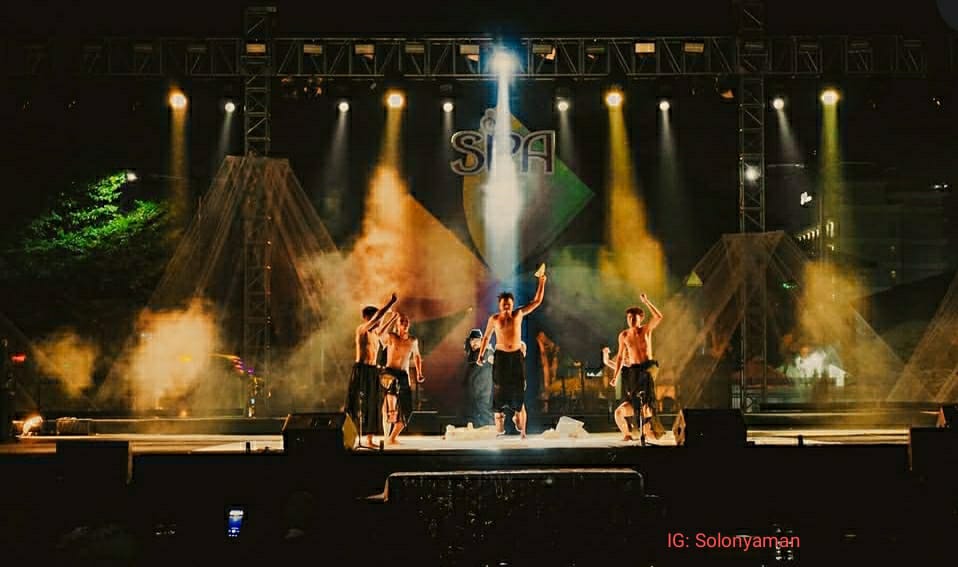




On the day when the men in fatigue uniform filled the Cilangkap Square for the 81th anniversary of the National Military, a question popped up at civil space. How deep was the military penetrating the life of the citizens?
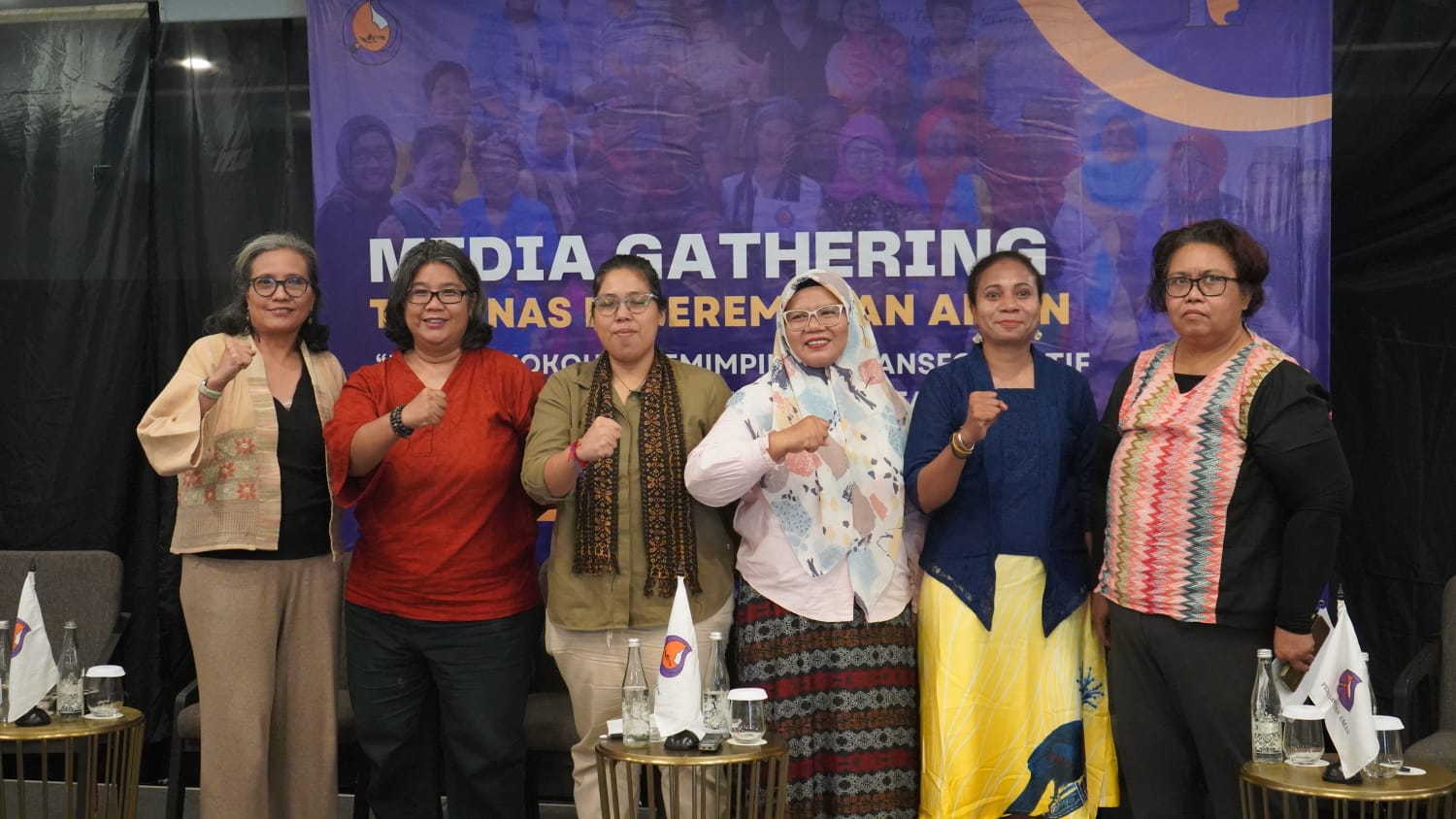
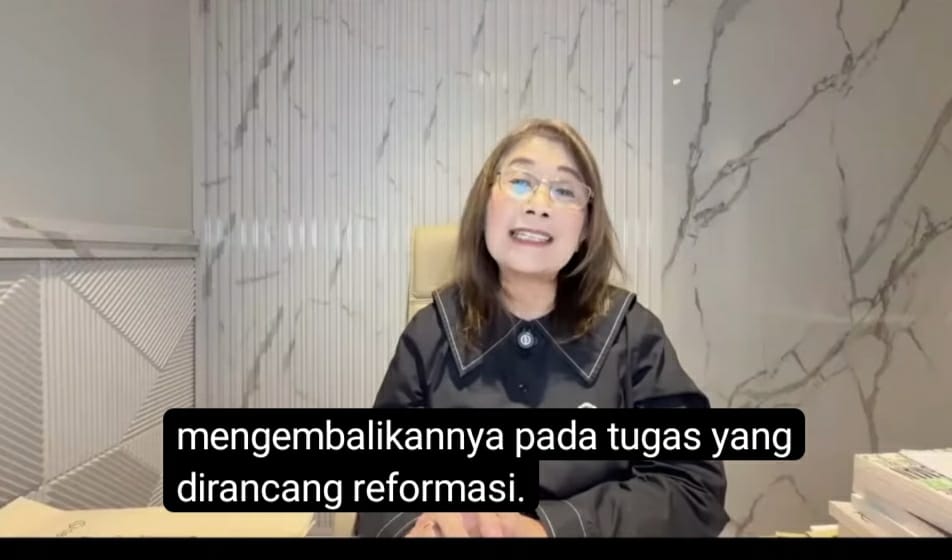
That question popped up in discussion on the launch of LBH-YLBHI monitoring report entitled “The Republic at the Grip of the Military, Expanding the Military Roles and Betrayal of the Reform,” on Monday, 5 October 2026. The report documented the development in the military involvement between 1 October 2025 to 30 September 2026.
On one hand, the military was regarded as the border guardians, as disaster responders, and part of the long history of the Republic. On the other hand, within the last year YLBHI found the military in the rice fields, village cooperatives, food programs, forestry, and a number of civil government affairs.
“The 1998 reform stood in one expensive lesson,” highlighted the report. Weapons had to be subservient to the law and the law had to be aligned with the will of the people.
Zainal Arifin from YLBHI explained that the report was prepared from monitoring of 16 LBH offices in a number of districts. The starting point was the 199 Reform mandate which aimed to rectify the military penetration into social, economic and political life.
Article 30 point 3 of the 1945 Constitution placed the military as the State instrument for defence. The Decrees of the People’s Consultative Assembly No. VI and VII Year 2000 separated the military from the Police and eliminate the political-social roles of the military. Law No. 34 Year 2004 then gave a clear definition of the military professionalism.
That limit became blurred nowadays after the revision of Law on the Military through Law No. 3 Year 2025. The broadening roles of military operation other than in war, assignments of active military personnel in civilian positions and other forms of military assignments through government policies were parts of such change.
For YLBHI, the issue was not simply about a change in law. There were structure, personnel and money moving with it. In one year of observation, YLBHI mapped at least 192 Development Territorial Battalion in 164 districts and cities. As many as 131 locations were already built or verified. Such expansion happened at the level of territorial structural command with establishment of new Military Regional Commands.
Development Territorial Battalion performed defence function as well as development activities. Agriculture, livestock, fishery, health, and infrastructure construction were parts of its work. Here, the question shifted. When the military went to the rice fields, who defined the limits of their work? When the military was involved in resource management, who monitored it?
YLBHI report found a number of units operating in natural resource concession sites. Amongst them was a battalion in Komering area around the coal mining concession site which covered 11,050 hectares, and a Task Force in Tanggamus, Lampung, around a gold mining concession area which covered 10,540 hectares.
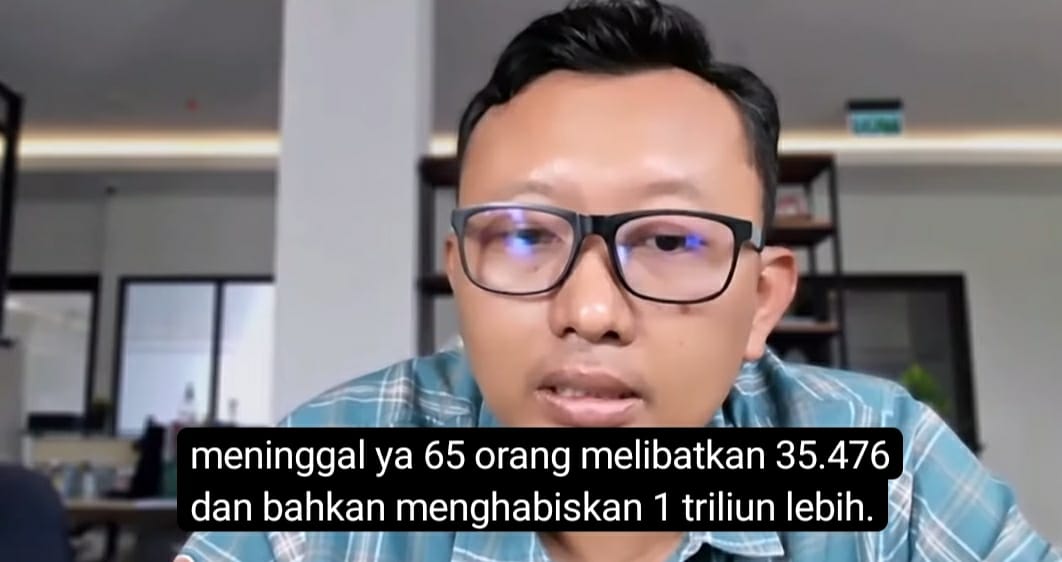
Expansion also proceeded through collaboration. Since October 2025, YLBHI noted around 36 agreements between the military and district governments, ministries, agencies, companies, and private entities. The military was involved in forestry programs, Red-White Village Cooperatives, food and other development agendas. In the cooperative programs, thousands of would-be cooperative administrators attended basic military training. Up to 31 July 2026, the number totalled 35,476 people.
Training also targeted civil service staff. In 2026, almost 4,000 civil service staff attended two training sessions. The national defence program was also expanded to include students through the Republic of Indonesian Cadets Corps. Zainal then took participants to a discussion about issues that was often overlooked by public attention - budget.
In the national budget of 2025, defence budget was Rp166.05 trilions. Yet, defence function realisation budget reached Rp348.58 trilions. Beyond that, YLBHI fund around Rp7.98 trilions of funds from ministries and other agencies flowing to the military between 2025 and 2026. The Agricultural Ministry, for example, allocated around Rp3.53 trilions for land optimising and creation of new agricultural land in 126 packages. Around Rp3.23 trilions was allocated in 2025 and involved 15 army units. Around 72% or Rp2.54 trilions was in South Sumatera.
There was also Rp1,38 trillions from the National Nutrition Agency given to the Defence University (Universitas Pertahanan) for Indonesian Development Pioneers Scholars.
The issue about transparency was evident in procurement. The tender proportion of the defence ministry decreased from 41% in 2022 to 10.4% in 2025. Conversely, exempted direct contracting and procurement became more widespread. YLBHI found around Rp 90 trilions worth of procurement involving nine transactions, each worth around Rp10 trilions, with providers unidentified in public data.
“Open the procurement register, including in it is the Rp 90 trilions for military hardware,” said Muhammad Isnur. “The budget is so big, all of that is from tax. How can it not be transparent?” For Isnur, the numbers showed political accumulation that slowly turned into economic access. Expansion of structure led to personnel. These personnel needed budget. Budget opened up employment. Employment brought military institution further into civilian spaces.
He said that such situation was not simply about whether there was a coup or not. Civilian supremacy, he argued, had to be measured in terms of the civilian agencies ability to control defence policies, security, military organisations, elite recruitment and budget use. "It is not enough to measure civillian supremacy from whether there is a coup or not,” he said.
The impact of such expansion was evident in 58 cases documented by LBH-YLBHI. These cases included violence, limitation of civilian freedom, legal accountability issue, and confiscation of public living spaces. In it, there were suspicion of assaults against civilians in Depok, violence against children in Medan and West Aceh, plantation conflicts in Labuhanbatu Utara, violence against disaster aid team in Aceh Tamiang and a number of agrarian conflicts.
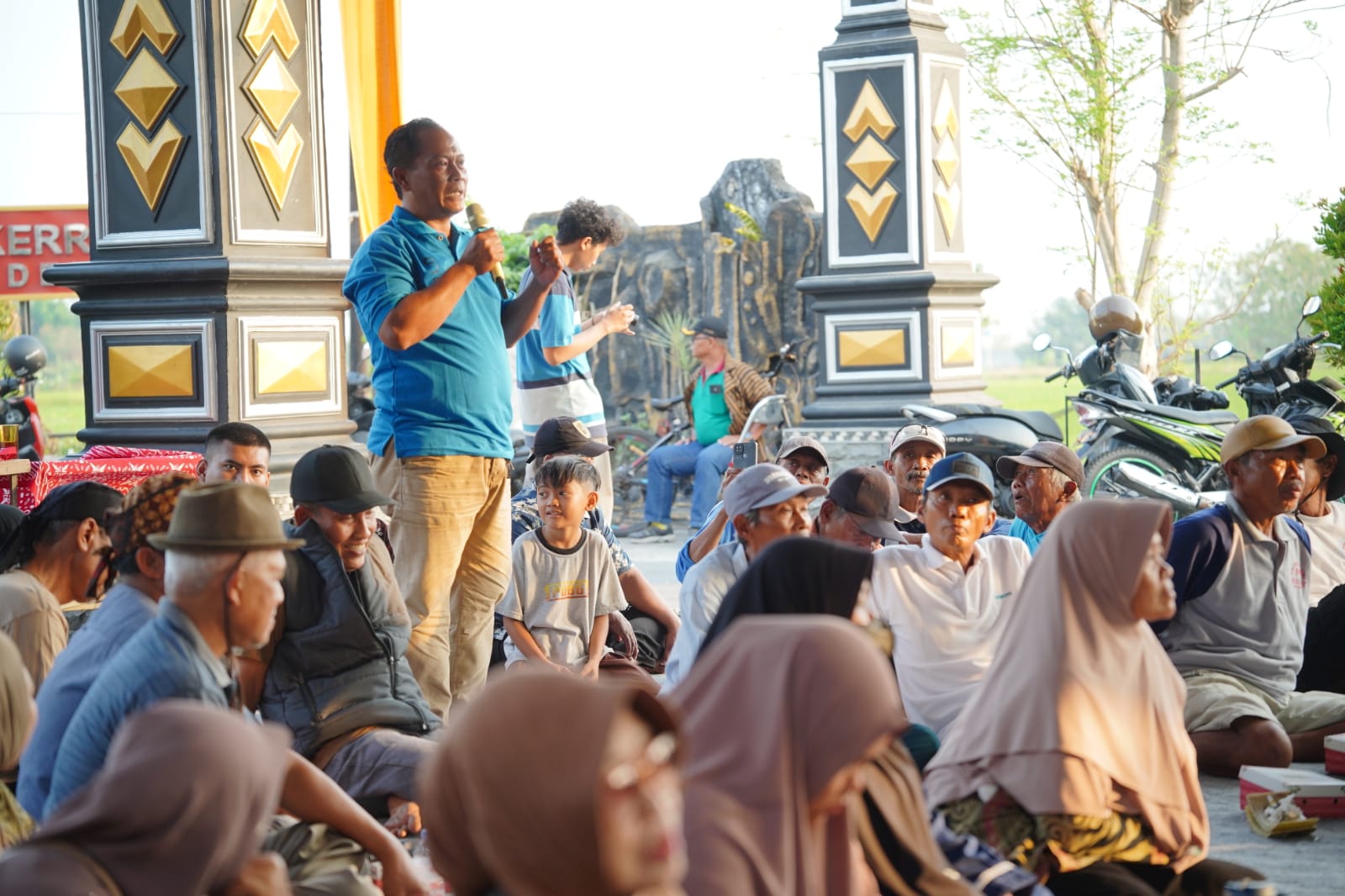
There were citizens facing issues with military land surveying. There were peasants dealing with heavy equipment for strategic projects. There were also indigenous communities who had to deal with armed military personnel coming to their areas. For Isnur, these issues showed bigger changes. The military was no longer present for defence purposes. It often became part of a mechanism to solve civilian issues.
Jaleswari Pramodhawardhani from Laboratorium Indonesia 2045 understood the importance of the report because it shifted the discussion about the term “oknum” (individual officers) to policy design. He argued that the prevailing tendency was a form of “welfare-based militerism.”
The development battalion, the nutrition kitchen, creation of new rice fields, and cooperatives presented themselves with a welfare face. For that reason, their presence would likely be accepted by the community. The question, said Jaleswari, was why a civil State could not be present in rural areas without the military?
She also reminded that the report used a gender perspective. When the military entered the cooperatives, kitchens, agriculture and family, the impacts were not neutral. There were women and children who felt the impacts.
“There is no coup,” said Jaleswari. “But there is a surrender piece by piece.”
Nany Afrida from Independent Journalists Alliance or Aliansi Jurnalis Independen (AJI) brought that issue to the press room. As a journalist, she said that it was not easy to get information about defence budget. The pretext of State secret, said Nany, was often used profusely. Information about operation and intelligence capacity certainly had to be protected. Public budget, she argued, had to be scrutinised by the people.
“What should kept a secret are things such as specifications, intelligence capacity, operational locations an system weaknesses,” she highlighted. Nany mentioned that AJI noted 89 cases of violence against journalists in 2025, an increase from 73 cases in 2024. The military was one party with the highest number of cases.
She argued that the militarisation process did not necessarily come with tanks or a coup. It could develop slowly until the community got used to seeing people in military uniform in all spheres. "If the State is afraid of the citizens, the issue is no longer about national security,” said Nany, “it is about the health of the democracy.”
The discussion that day returned to one issue passed from the 1998 reform - the question about who controlled who. The State needed the military. Yet, a democratic State also needed clear boundary so that the military did not become an answer to all civilian problems.
In the rice fields, cooperatives, food kitchen, classrooms, government offices, and editors’ rooms, that boundary was being tested. YLBHI report reminded that such expansion did not always proceed with fanfare. Often, it came with a regulation, a note of understanding, a budget, or a decision made by a civilian officer. (Ast)