



There was time when people were too busy chasing time, to a point that people forgot time took their life away.
The morning was not over, and work was waiting. The mobile phone rang, a message came through, the schedule changed. One meeting finished, the next meeting awaiting. In social media, information moved so fast. Three hours without checking the screen made a person feel left out of the conversation loop. Life did not give much time to pause.
In such situation, a simple question popped up. Did humans really need to rush all the time?
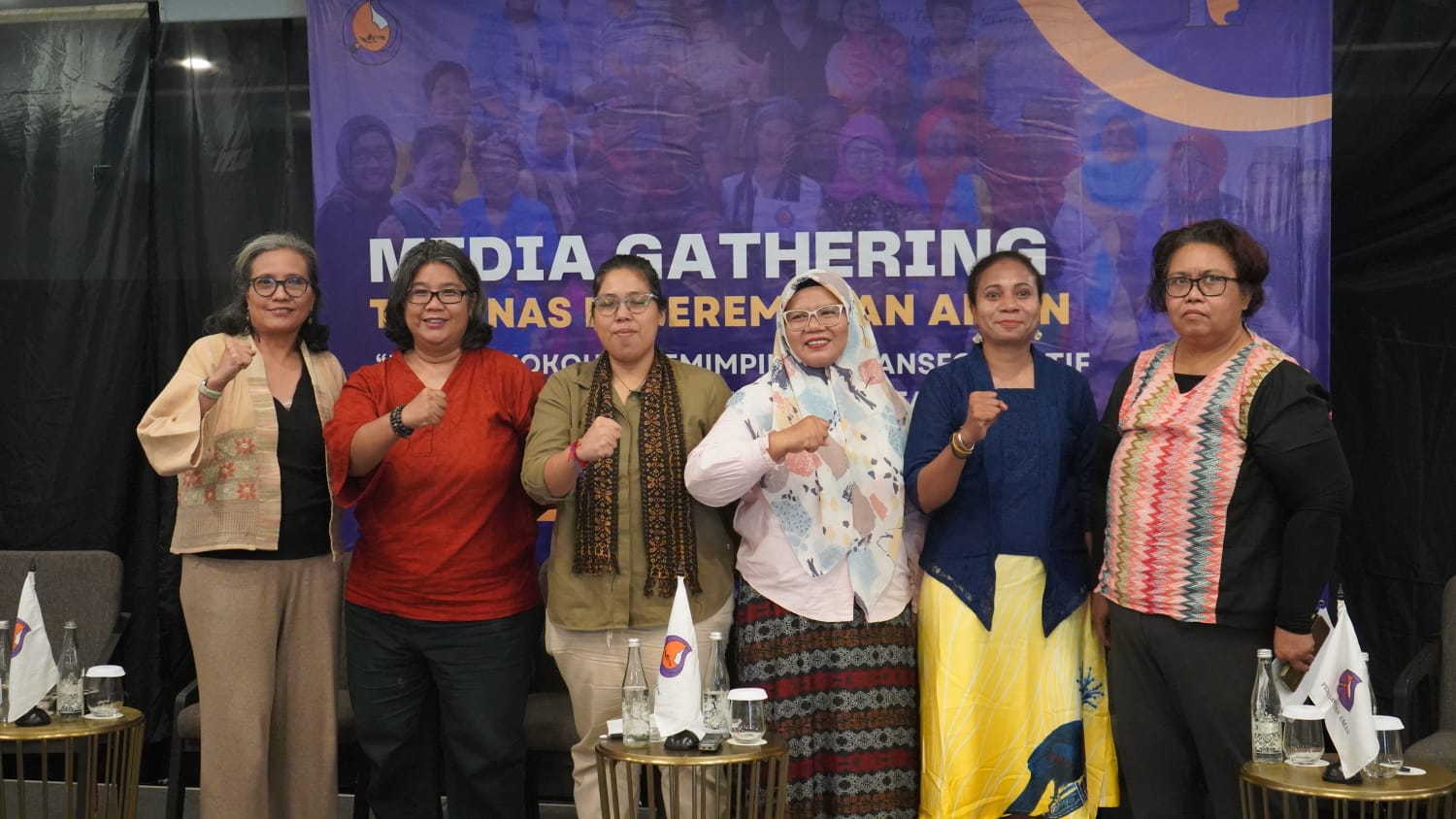
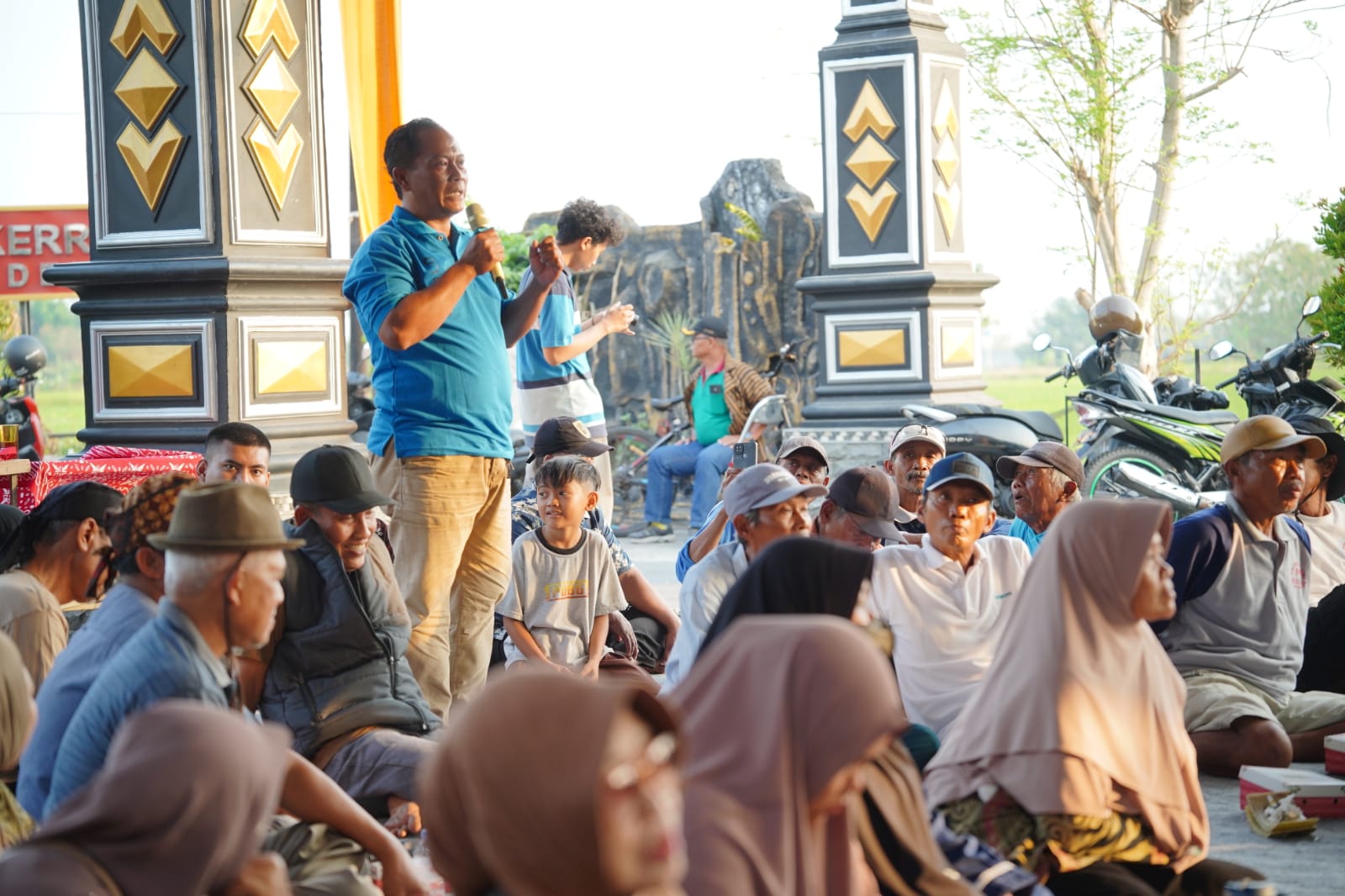
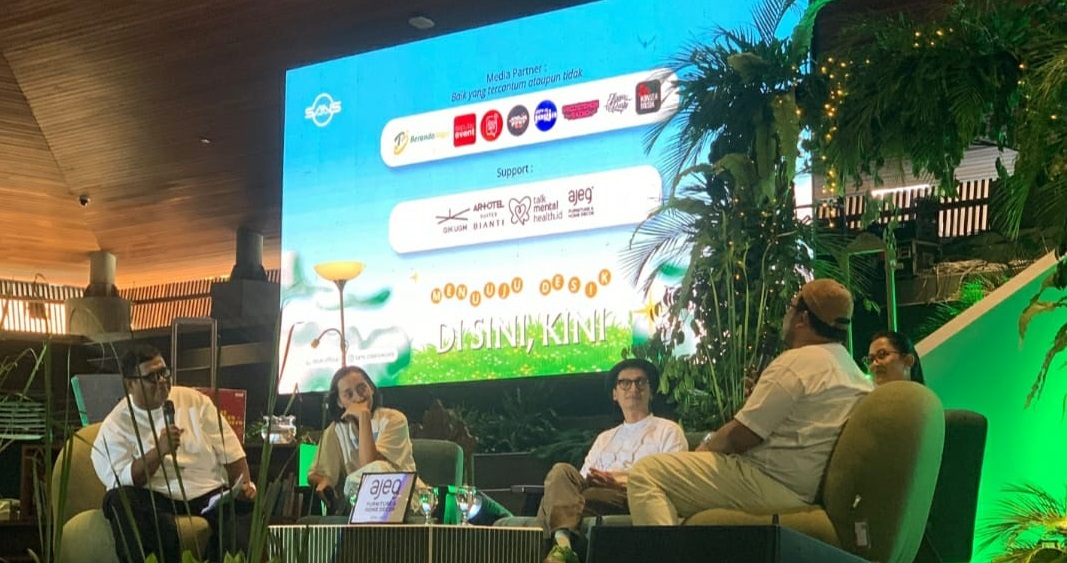
The question was the entry point to a series of safe space talk show (Desik) at GIK UGM (Gadjah Mada University Innovation and Creativity Arena), which featured Asri Saraswati, Paksi Raras Alit, and Shahnaz Soehartono and moderators Yusril and Mukti on Thursday (24/9). They talked about slow living, awareness, choices, family, work, and ways to re-discover the meaning of life when the world seemed to rush.
Paksi Raras highlighted the Javanese wisdom which she thought remained relevant in today’s life. She mentioned a number of values to hold when humans faced increasingly fast pace of life. One such value was the ability to not react right away.
On a daily basis, we absorbed so much such as news, comments in social media, political issues, articles about celebrities, other people’s opinions, and events that prompted us to move faster than we could think. Paksi encouraged people to maintain a distance. For her, reactions and responses were two different things. Reactions were instantaneous. Responses necessitated time. Something came in, then being digested, thought out, and then a person decided what to do. That small gap made a difference in how people related to the world.
She highlighted another value – living frugally. Earn just enough money. Relish in casual socialising. Enjoy oneself in moderation. The word “enough” might seem simple. In a life that pushed people to constantly have more, that word could become truly complicated. Often, success was measured in tangible results. How much money did people have, what kind of a house did people own, what kind of vehicles/cars did people drive, what kind of job did people have, or how far people went. Paksi urged people to look more broadly.
Humans also had social capital. Supportive families, trusted friends, accepting environment, education, culture, and good reputation. All those could not be expressed in numbers, yet had roles in shaping people’s life. That perspective found validation in real experience as told by Asri Saraswati.
She once lived in the fast pace rhythm of Jakarta. Jobs came and went. Tie seemed so short. When she moved to a rural area, she found something which she initially felt strange. In the village, when a neighbour died, people left their work to pay tribute. When there was a party or ceremony, everything was put aside. People came for each other.
From an economic point of view, such decision might seem irrational. People skipped jobs. There was time with no income. Those kinds of thought once occupied Asri’s mind. Then she realised that there was something absurd about the economic calculation - togetherness. When a person mourned, she/he would not feel alone. When there was a party/ceremony, jobs were not the only things that matter. There was a life together that had to be nurtured.
That experience slowly hanged her view about the word “enough.” Slow living did not mean absence of ambition. It did not mean either that someone lost his/her motivation to work. There was awareness to choose what one wanted to achieve or get. For Asri, her family was one thing she wanted to fight for. There were things like taking children to school, for example, which might be really simple for some people to delegate to others. Yet for Asri and her family, there was important value in it to keep. Time together with children was valuable.
That choice inhered consequences, such as re-scheduling other activities, work that had to be adjusted, and things that one could not pursue as much as other people would. “There lies the value of mindful living,” said Asri.
Shahnaz faced a different issue. Her activities in Jakarta kept her days fully scheduled. There were times when one agenda was only 30 – 40 minutes away from another agenda. In such a rhythm, there was hardly any gap. She had to make that gap.
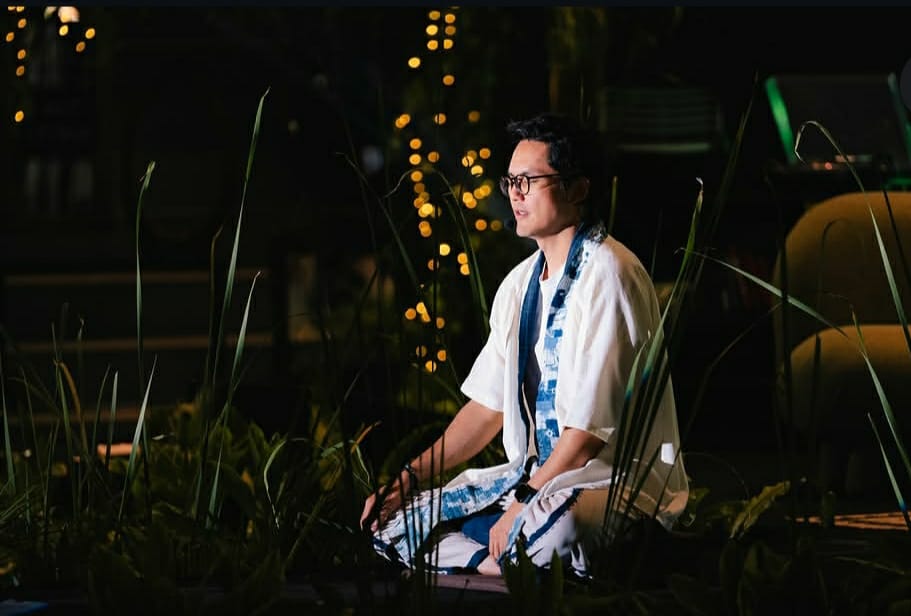
Shahnaz prepared a ritual for herself. She used an alar to remind her to pause for a while. There were times to pray, meditate, do yoga, or just to stay silent. A few minutes might seem insignificant. Yet, in a fully scheduled day, a few minutes gave her the space to be herself.
She needed to “check-in.” in other words, she needed to see how she was doing after hours of busy life schedule. "WE made it ourselves, we had to remind ourselves. Everything was in our hands.” Her children then picked up such a habit. When thing got too reactive, there was a reminder to pause. Awareness was no longer something people talked about in a forum, but something that grew from daily habits at home.
In the talkshow session, Paksi saw that people never lacked time to stop. Religions had rituals that allow people to pause from daily life activities. Prayer, meditation, and reflections gave people opportunities to pause from the busy life. Such rituals offered opportunities to re-set life’s rhythm. In a technological age, the issue was not simply how to stay away from mobile phones. The key issue was who had the control.
Paksi talked about her habit not to grab her phone right away after she woke up. She gave herself time to read, went out of the house, enjoy the morning, or simply gave herself time for some silence before rushing to the information world. She remained active in social media. But she set herself time when to open her screen and when to stop. That kind of awareness had to do with the habit of comparing life.
Social media brought other people’s life in front of us. Other people’s achievement then seemed so much nearer. Someone’s life could seem like totally perfect on screen. Yet, each choice had different prices. People living in major urban cities had higher economic targets. There were more jobs, networks, and opportunities. On the other hand, they necessitated significantly much more time.
People choosing slow living might have different economic metrics, but they had more time for family, neighbours, friends, or themselves. Paksi did not mean to say that one life was better than others. She urged people to make their own personal choice.
Asri found her gap through writing. When her head felt heavy, she wrote whatever came through her mind. From there, the mess in her head slowly untangled. Writing for her was not simply about being a writer. There was a need to have her own time. There was the need to stop her mind from going all over the place. Writing was the necessary brake. Perhaps, slow living did not have to start from a big decision.
(Ast)