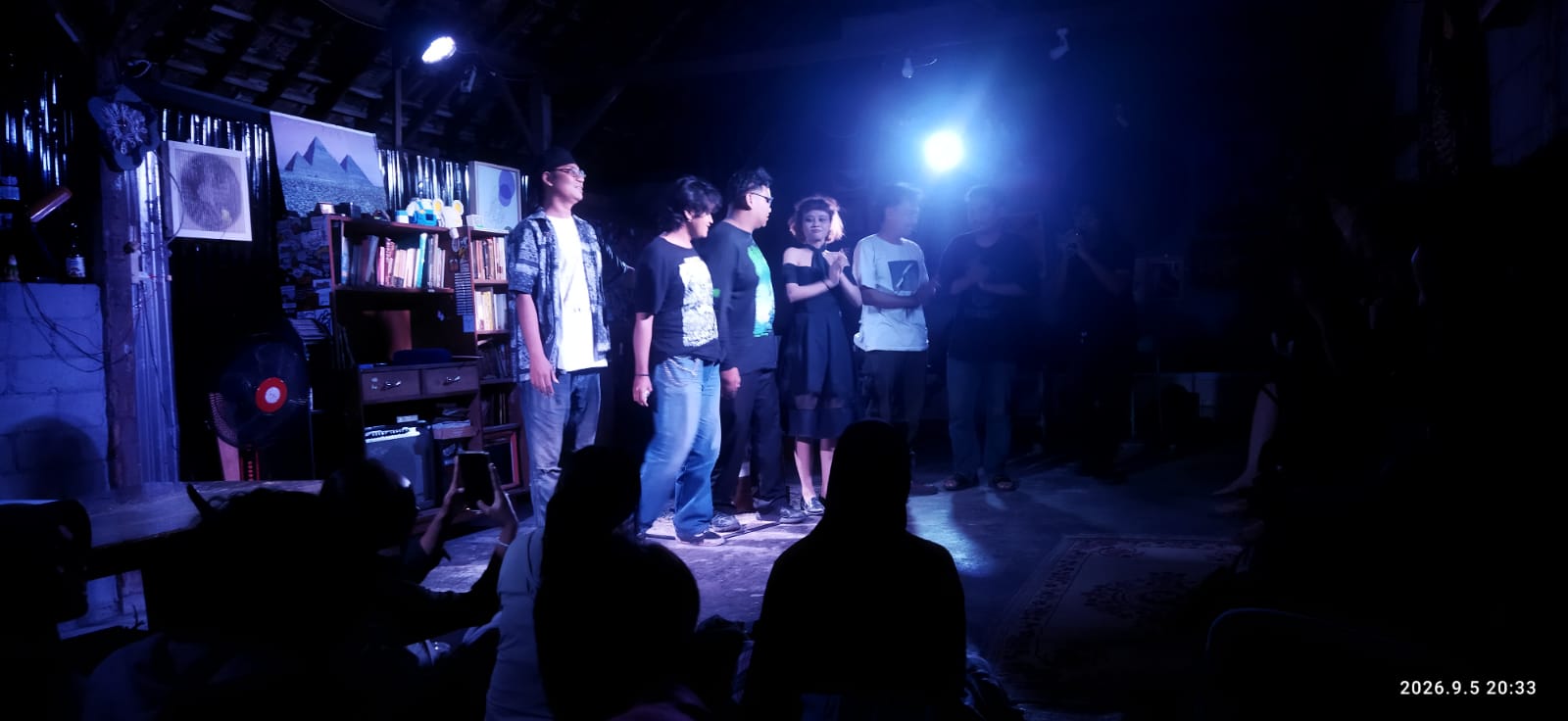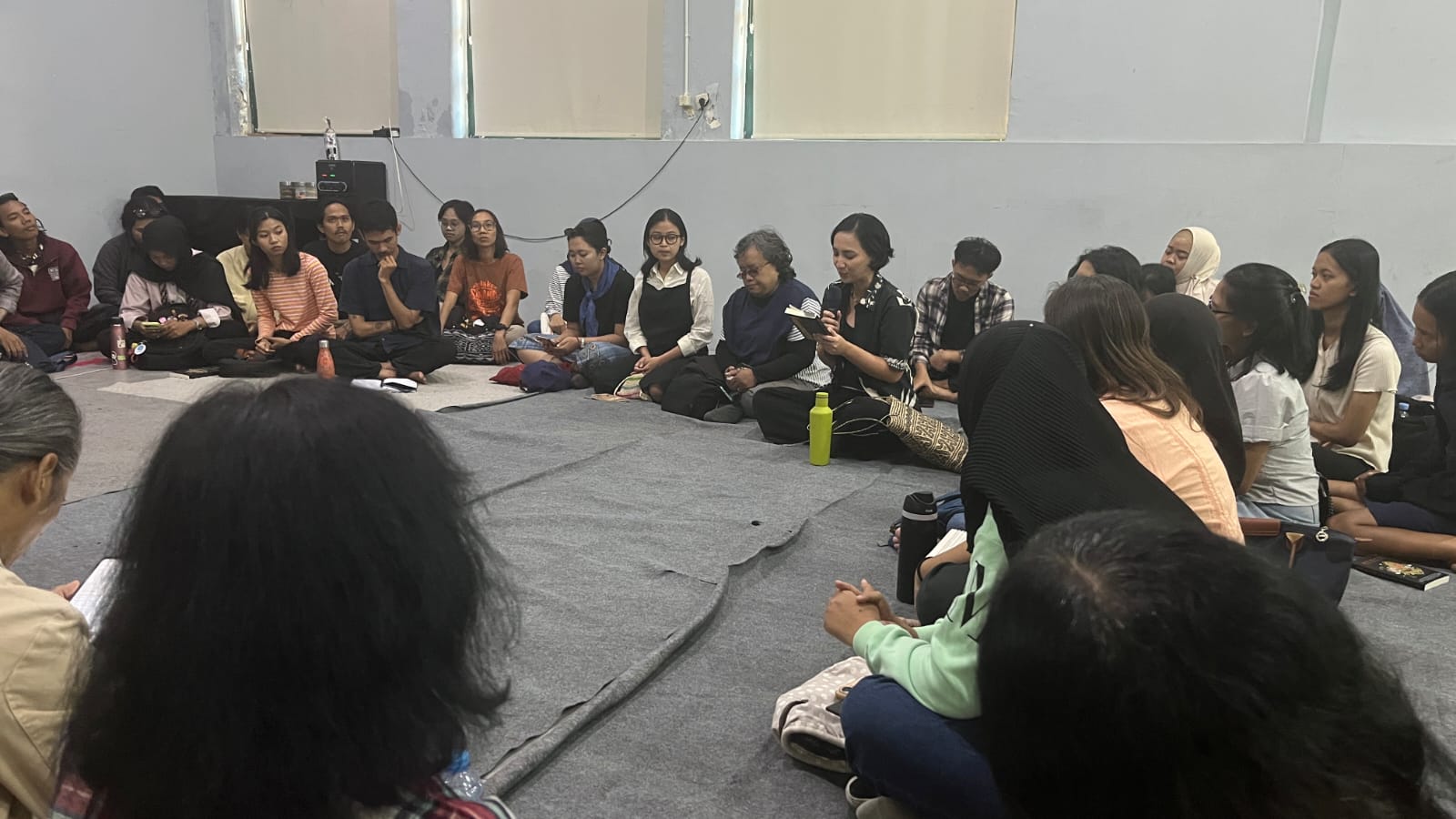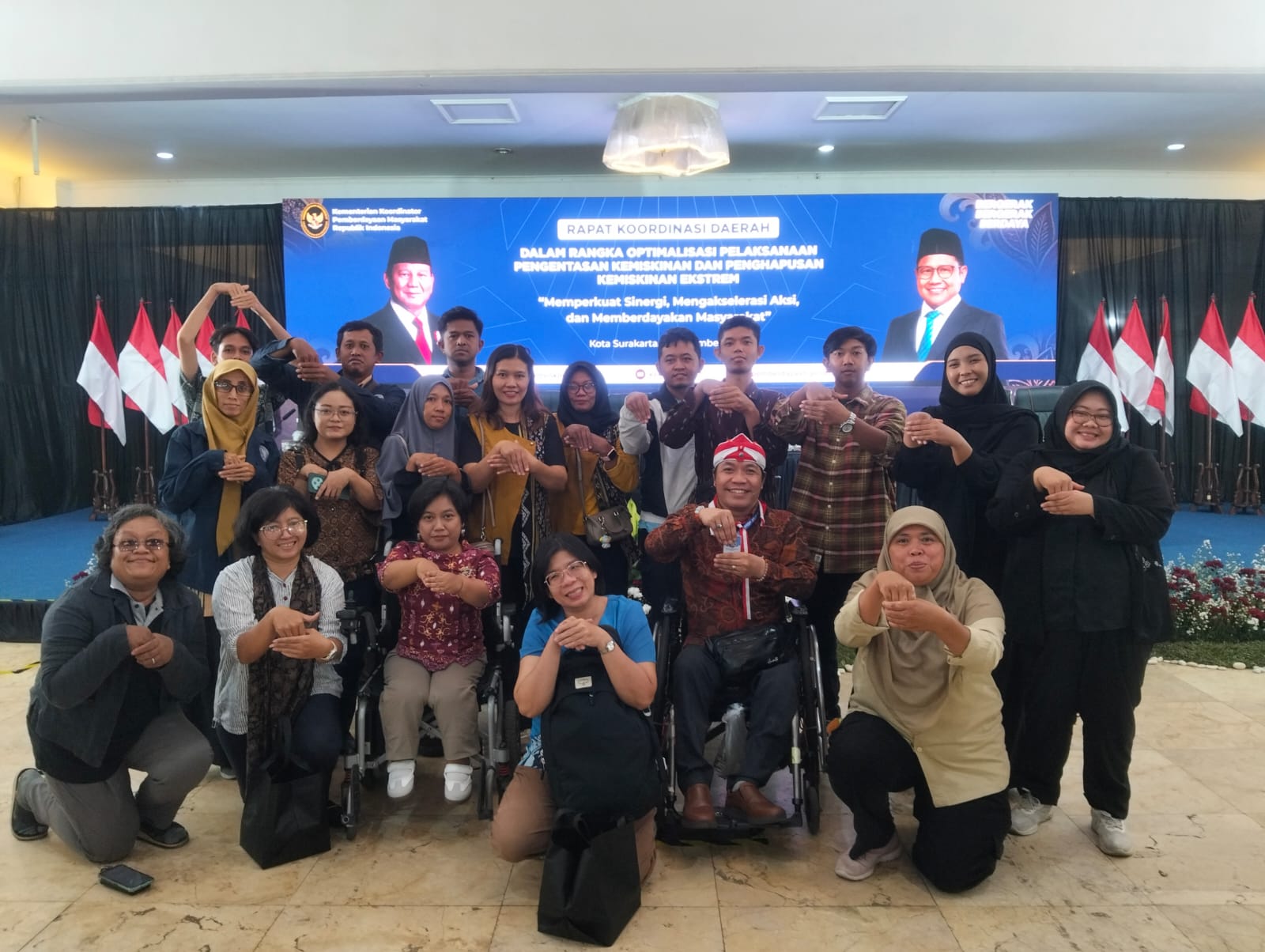




On the eve of three decades of reform, civil liberty in Indonesia still faced a number of pressures. These could be deduced from issues relating to freedom of expression, freedom of religion and of faith, academic freedom, freedom of assembly and association, and protection of human rights defenders. The finding was part of Civic Space Legal Update 2026 launched by the Legal and Policy Study Centre (Pusat Studi Hukum dan Kebijakan Indonesia or PSHK) on Thursday (3/9). The activity revolved around a theme “A Picture of Civil Liberty on the Eve of Three Decades of Reform” which proceeded through online and offline meetings.
The Vice Director of PSHK, Fajri Nursyamsi said that the report was the third research by his organisation to monitor civil liberty and human rights in Indonesia. The first research was in 2022 and the second research happened in 2024. To Fajri, the research in 2022 mapped a variety of issues and development in civil liberty. Two years later, more attention was given to policy recommendations. The 2026 research looked at progress between 2024 and 2025 and the increasingly obvious tendency in civil liberty practices.
The Vice Director of PSHK, Fajri Nursyamsi said that the report was the third research by his organisation to monitor civil liberty and human rights in Indonesia. The first research was in 2022 and the second research happened in 2024. To Fajri, the research in 2022 mapped a variety of issues and development in civil liberty. Two years later, more attention was given to policy recommendations. The 2026 research looked at progress between 2024 and 2025 and the increasingly obvious tendency in civil liberty practices.
A number of issues of concern included the rights to express opinions, the rights for assembly and association, security approach towards people’s protest, arrests of protesters in August 2025, and protection of human rights defenders. Fajri said that the increasingly more dominant security approach needed more scrutiny as it could narrow spaces for civil society.
PSHK was established in 1998, when political changes in Indonesia opened the path to greater opportunities for democracy. From there, the organisation looked at the ups and downs of progress in democracy and human rights protection. It believed that monitoring of law and State policies was critical in order to see how regulations were used in community life.
The research on Civic Space Legal Update 2026 used the law and qualitative approaches to compile the result. The research collected data from January 2024 to June 2026. The resources included laws, court decisions, legal and non-legal literatures, electronic resources, and media reports. PSHK also conducted focused group discussions with civil societies. Some participants were from young people groups and human rights defenders.
PSHK was established in 1998, when political changes in Indonesia opened the path to greater opportunities for democracy. From there, the organisation looked at the ups and downs of progress in democracy and human rights protection. It believed that monitoring of law and State policies was critical in order to see how regulations were used in community life.
The research on Civic Space Legal Update 2026 used the law and qualitative approaches to compile the result. The research collected data from January 2024 to June 2026. The resources included laws, court decisions, legal and non-legal literatures, electronic resources, and media reports. PSHK also conducted focused group discussions with civil societies. Some participants were from young people groups and human rights defenders.
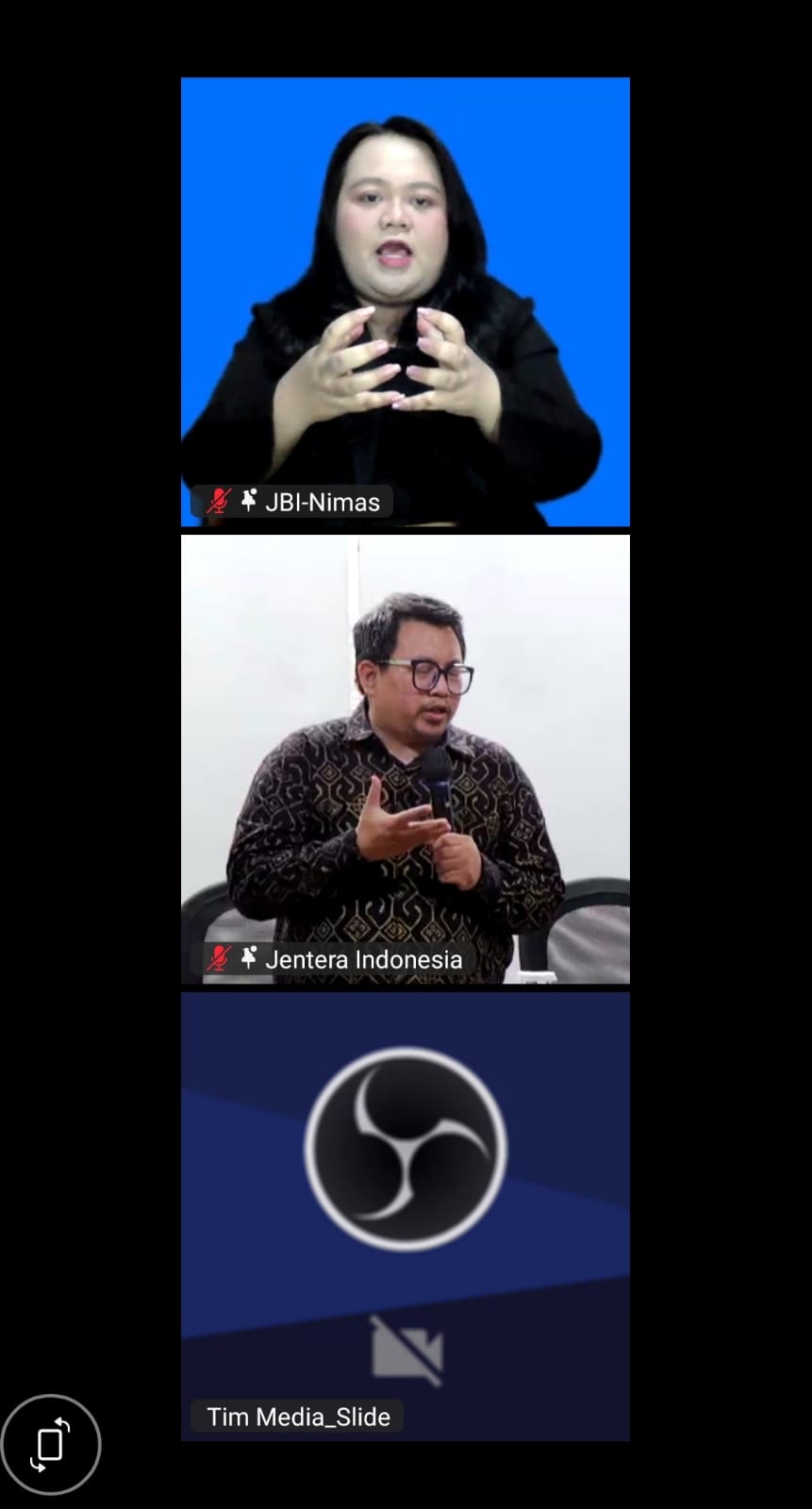
The PSHK researcher, Fani or Alviani Sabillah explained that the research looked at four main aspects of freedom – freedom of expression, freedom of faith, freedom of association, and freedom of assembly. The research also paid attention to protection of human rights defenders and future of civil spaces. One important finding in the 2026 research was the increasingly dominant role of State apparatus in the implementation of civil liberty in the last two years.
With regards to freedom of expression, the research found one issue related to pressures against media and journalists. Indonesia experienced a decrease in press freedom index. PSHK noted a number of factors such as political and business relations, use of legal system, intimidation, criminalisation, digital attacks, and violence against journalists. The research paid attention also to the stipulations in the Law on Information and Electronic Transaction. It saw that articles 27A and 28 could be used to limit freedom of expression and journalistic work. It also looked at article 40 because it gave ample authority to monitoring and taking down contents.
Freedom of religion and faith also faced issues. Constitutionally, the State guaranteed this right. Yet in practices, there were rejections or closures of places of worship, discrimination against minority groups, violence and restriction of faith groups. PSHK found potential issues in a number of regulations at the ministry level, joint decision letters, sub-national regulations and other regulations. The research also paid attention to the involvement of security officers in restricting freedom of religion.
Pressures on academic freedom was also in the report. Restrictions to academic activities, threats against academic community, threats of criminal court against scientific expression and use of regulation to limit students’ expression were issues of concern. Regulations on search, confiscation, arrests, and detention were also issues of particular concern in the context of protection of academic freedom and individual freedom.
The research also found the continuous use of a number of legal articles which potentially criminalise people for expressing their criticism. That issue was evident in the physical and digital spaces.
Freedom of association was one area with most noticeable decline. The research examined the August 2025 incident as one example of arrests of protesters, criminal court against protesters, use of legal articles and violence in dealing with protesters. PSHK also highlighted the activity notice practice that was treated as requirement to obtain a permit. This situation could potentially weaken the essence of freedom of association as a right.
Another issue was freedom of association for workers. The research believed that protection of workers remained weak, while broadening outsourcing and fragmentation of workers constituted challenges. Informal workers also faced difficulty when they intended to establish an association. The union busting practice was never addressed comprehensively. The research also paid attention to professional organisations and civil society organisations. Independent professional organisations faced challenges. Meanwhile, the legal framework for civil society organisations remained restrictive and gave the State room for ample control of non-government organisations.
Protection of human rights defenders was another important point. PSHK noted a number of threats such as criminalisation, arbitrary arrest and detention, terror, digital attacks, physical violence, torture, threats of murder, and sexual violence. In the discussion, PSHK also identified a number of regulation drafts that potentially affected civil spaces. A number of these related to human rights, broadcasting, Pancasila ideology education, cyber security and resilience, national education system, management of national resources to State defence and wiretapping.
One respondent, Fitra Arsil gave her appreciation for the research. She said that PSHK report could be useful materials for State evaluation. Fitra argued that civil liberty analysis had to examine State position vis-à-vis each of the citizens’ rights. There were situations when the State had to be present. There were also conditions when the State had to maintain a distance or acted as facilitator. She suggested that each legal finding had to be elaborated by considering the constitutional issues, the objectives of regulations, forms of State intervention necessary, and the limits of intervention.
Fitra also reminded that the State was not the only actor in civil spaces. The analysis needed to look at the relation between State and non-State actors. Each State action had to be examined through legal and court mechanisms.
Another respondent, Feri Amsari focused on the data limitation coursed from media news. Not all incidents were in the news or could be verified fully. Documents remained necessary as basis for evaluation, although data update was needed on a regular basis. Feri also focused on the increase in military involvement in civil spaces. He argued that this development could disturb the constitutional limit with regards to military authority and civil life.
With regards to freedom of expression, the research found one issue related to pressures against media and journalists. Indonesia experienced a decrease in press freedom index. PSHK noted a number of factors such as political and business relations, use of legal system, intimidation, criminalisation, digital attacks, and violence against journalists. The research paid attention also to the stipulations in the Law on Information and Electronic Transaction. It saw that articles 27A and 28 could be used to limit freedom of expression and journalistic work. It also looked at article 40 because it gave ample authority to monitoring and taking down contents.
Freedom of religion and faith also faced issues. Constitutionally, the State guaranteed this right. Yet in practices, there were rejections or closures of places of worship, discrimination against minority groups, violence and restriction of faith groups. PSHK found potential issues in a number of regulations at the ministry level, joint decision letters, sub-national regulations and other regulations. The research also paid attention to the involvement of security officers in restricting freedom of religion.
Pressures on academic freedom was also in the report. Restrictions to academic activities, threats against academic community, threats of criminal court against scientific expression and use of regulation to limit students’ expression were issues of concern. Regulations on search, confiscation, arrests, and detention were also issues of particular concern in the context of protection of academic freedom and individual freedom.
The research also found the continuous use of a number of legal articles which potentially criminalise people for expressing their criticism. That issue was evident in the physical and digital spaces.
Freedom of association was one area with most noticeable decline. The research examined the August 2025 incident as one example of arrests of protesters, criminal court against protesters, use of legal articles and violence in dealing with protesters. PSHK also highlighted the activity notice practice that was treated as requirement to obtain a permit. This situation could potentially weaken the essence of freedom of association as a right.
Another issue was freedom of association for workers. The research believed that protection of workers remained weak, while broadening outsourcing and fragmentation of workers constituted challenges. Informal workers also faced difficulty when they intended to establish an association. The union busting practice was never addressed comprehensively. The research also paid attention to professional organisations and civil society organisations. Independent professional organisations faced challenges. Meanwhile, the legal framework for civil society organisations remained restrictive and gave the State room for ample control of non-government organisations.
Protection of human rights defenders was another important point. PSHK noted a number of threats such as criminalisation, arbitrary arrest and detention, terror, digital attacks, physical violence, torture, threats of murder, and sexual violence. In the discussion, PSHK also identified a number of regulation drafts that potentially affected civil spaces. A number of these related to human rights, broadcasting, Pancasila ideology education, cyber security and resilience, national education system, management of national resources to State defence and wiretapping.
One respondent, Fitra Arsil gave her appreciation for the research. She said that PSHK report could be useful materials for State evaluation. Fitra argued that civil liberty analysis had to examine State position vis-à-vis each of the citizens’ rights. There were situations when the State had to be present. There were also conditions when the State had to maintain a distance or acted as facilitator. She suggested that each legal finding had to be elaborated by considering the constitutional issues, the objectives of regulations, forms of State intervention necessary, and the limits of intervention.
Fitra also reminded that the State was not the only actor in civil spaces. The analysis needed to look at the relation between State and non-State actors. Each State action had to be examined through legal and court mechanisms.
Another respondent, Feri Amsari focused on the data limitation coursed from media news. Not all incidents were in the news or could be verified fully. Documents remained necessary as basis for evaluation, although data update was needed on a regular basis. Feri also focused on the increase in military involvement in civil spaces. He argued that this development could disturb the constitutional limit with regards to military authority and civil life.
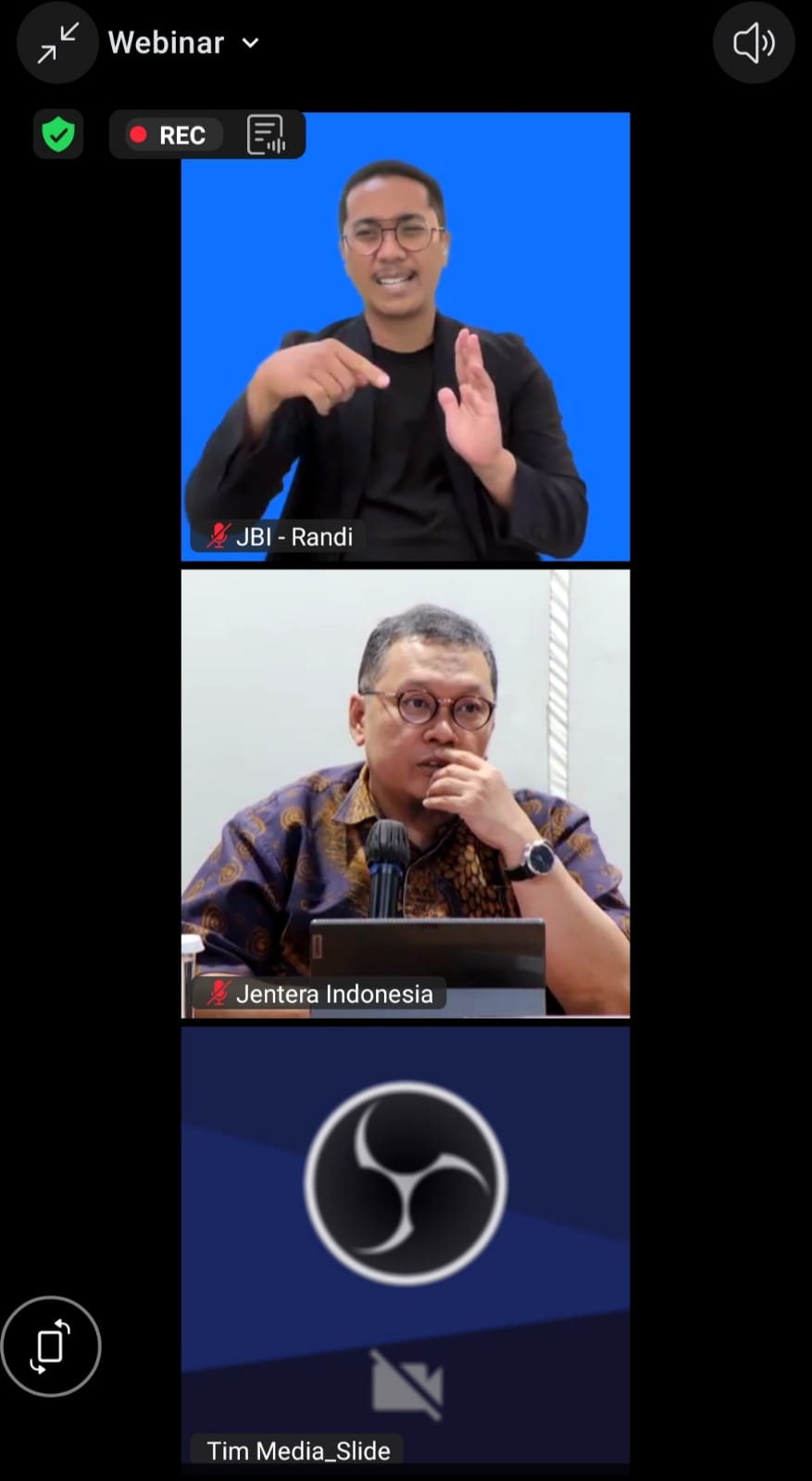
With regards to civic space, Feri argued that it was not enough to see the relation between the State and civil society organisations. Economic and political spaces had to be considered also in assessment in order to get a more comprehensive view of the narrowing civic space.
Jane Rosalina from KontraS also gave a similar view. She brought data of her organisation’s monitoring that noted 111 incidents of infringement in civic freedom between January to June 2026. That number was an increase from 76 incidents within the same period the year before.
KontraS also noted 199 arrests in the first semester of 2026. Jane noticed intimidation, forced dispersal, torture and criminalisation in a number of incidents it documented.
Jane believed that narrowing civic space was not only evident in the number of people arrested or experienced violence. There were also psychological and social impacts such as fear, self-restraint in expressing opinions, and decreasing public participation. People chose silence because they were afraid of criminalisation or violence. This situation created chilling effect.
Jane Rosalina from KontraS also gave a similar view. She brought data of her organisation’s monitoring that noted 111 incidents of infringement in civic freedom between January to June 2026. That number was an increase from 76 incidents within the same period the year before.
KontraS also noted 199 arrests in the first semester of 2026. Jane noticed intimidation, forced dispersal, torture and criminalisation in a number of incidents it documented.
Jane believed that narrowing civic space was not only evident in the number of people arrested or experienced violence. There were also psychological and social impacts such as fear, self-restraint in expressing opinions, and decreasing public participation. People chose silence because they were afraid of criminalisation or violence. This situation created chilling effect.
KontraS also found group labelling to those expressing criticism. Criticism of human rights, corruption, environment, and public policies could trigger questions about loyalty and nationalism.
In the question and answer session, a participant suggested that the next research broadened the focus to include rural people. Iqbal from Sajogja Institute questioned the condition of civic freedom in rural areas and the impacts of military involvement in rural people. Feri argued that the issue was important because rural people did not always have the same access to legal aid, media and civil society organisations. The expansion of territorial structure could also increase the military-civilian encounters.
Jane explained that KontraS had documented the development of military structure that later became the basis for the military expansion into civic space. That situation needed special attention because it potentially increased conflicts and violence targeting the people. Another participant, Kevin questioned the most decisive factor(s) in the narrowing civic space. He compared the influence of political consolidation, legal products (laws), and implementation of laws on the field.
Fani explained that PSHK research had its limitation. The research had not reached all regulations sectors such as economy and environment and all conditions in rural communities and sub-national areas. Resource and time limitation were one of the issues. Inputs from participants were critical for the development of subsequent research.
The discussion showed that civil liberty was not simply about regulations on paper. The way those regulations were applied determine how far people’s rights were truly protected. Regulations could be instruments for rights protection. Regulations could also narrow civic space when it gave excessive authority or applied excessively.
Involvement of State apparatus, particularly the Police and the Military, in civic space got special attention in the 2026 report. The development potentially blurred the limit of civilian and military authority and increased risks of violence.
The next research was expected to broaden the scope to rural communities, economic sector, environment, agrarian conflicts, budget policy, and implementation of sub-national regulations. Data collaboration between research institutions and civil society organisations was critical. Legal data could be combined with community experience on the field so that progress in civic space could be comprehensively discerned.
Fajri hoped Civic Space Legal Update to not stop with 2026 report. Monitoring of civic liberty had to continue for the future so that policy changes and State practices could be documented.
On the eve of the three decades of reform, the report served as critical reminder that the path to democracy necessitated public scrutiny. Civic liberty was not only determined by written regulations that guaranteed rights, but also by the State confidence to respect the limits of its authority and to ensure that citizens had the space to express their voices, to assemble, to associate, and to express criticism. (Ast)
In the question and answer session, a participant suggested that the next research broadened the focus to include rural people. Iqbal from Sajogja Institute questioned the condition of civic freedom in rural areas and the impacts of military involvement in rural people. Feri argued that the issue was important because rural people did not always have the same access to legal aid, media and civil society organisations. The expansion of territorial structure could also increase the military-civilian encounters.
Jane explained that KontraS had documented the development of military structure that later became the basis for the military expansion into civic space. That situation needed special attention because it potentially increased conflicts and violence targeting the people. Another participant, Kevin questioned the most decisive factor(s) in the narrowing civic space. He compared the influence of political consolidation, legal products (laws), and implementation of laws on the field.
Fani explained that PSHK research had its limitation. The research had not reached all regulations sectors such as economy and environment and all conditions in rural communities and sub-national areas. Resource and time limitation were one of the issues. Inputs from participants were critical for the development of subsequent research.
The discussion showed that civil liberty was not simply about regulations on paper. The way those regulations were applied determine how far people’s rights were truly protected. Regulations could be instruments for rights protection. Regulations could also narrow civic space when it gave excessive authority or applied excessively.
Involvement of State apparatus, particularly the Police and the Military, in civic space got special attention in the 2026 report. The development potentially blurred the limit of civilian and military authority and increased risks of violence.
The next research was expected to broaden the scope to rural communities, economic sector, environment, agrarian conflicts, budget policy, and implementation of sub-national regulations. Data collaboration between research institutions and civil society organisations was critical. Legal data could be combined with community experience on the field so that progress in civic space could be comprehensively discerned.
Fajri hoped Civic Space Legal Update to not stop with 2026 report. Monitoring of civic liberty had to continue for the future so that policy changes and State practices could be documented.
On the eve of the three decades of reform, the report served as critical reminder that the path to democracy necessitated public scrutiny. Civic liberty was not only determined by written regulations that guaranteed rights, but also by the State confidence to respect the limits of its authority and to ensure that citizens had the space to express their voices, to assemble, to associate, and to express criticism. (Ast)