


Gender Transformation in Disaster Risk Reduction in Indonesia: Promote Structural and Cultural Changes
- Admin YAPHI
- Suara Keadilan
- Hits: 450
User Rating: 0 / 5

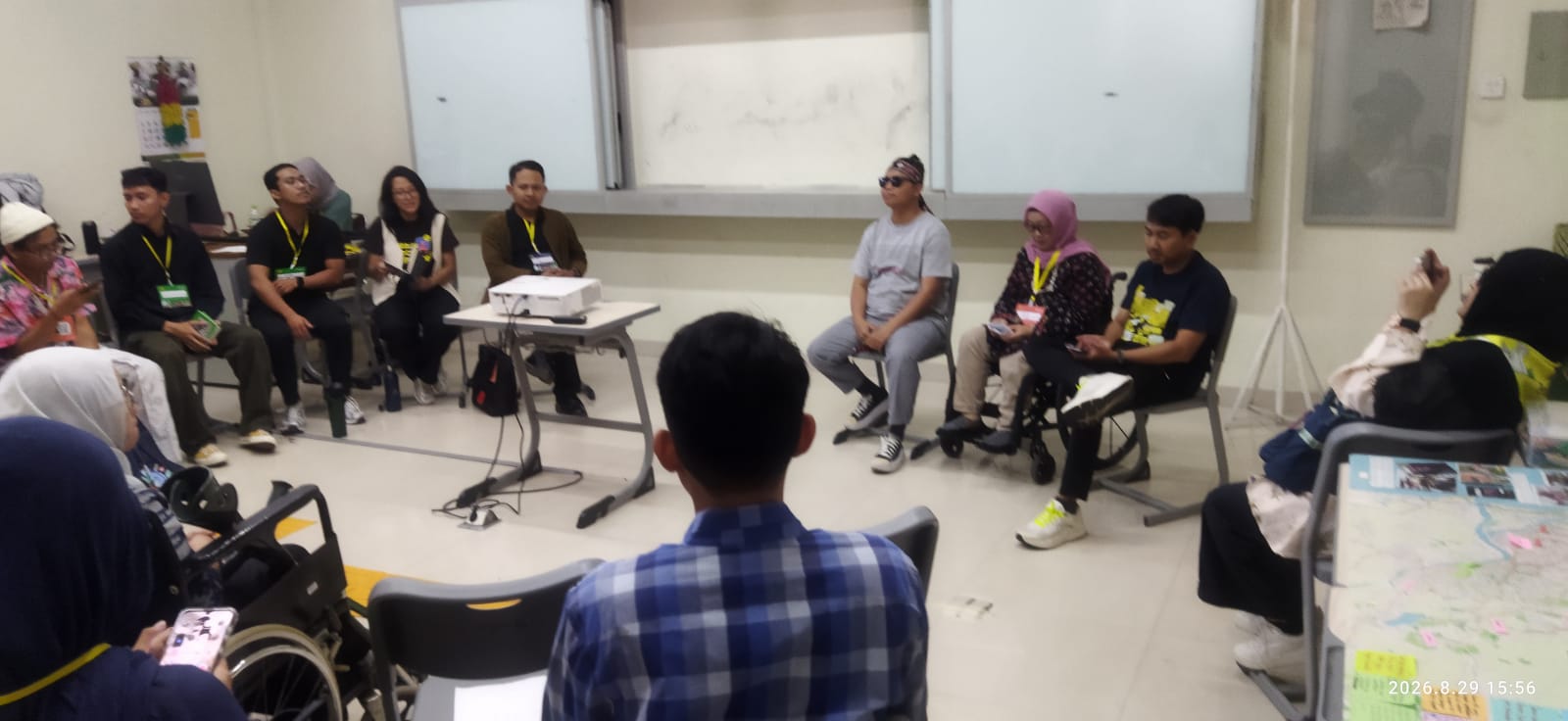
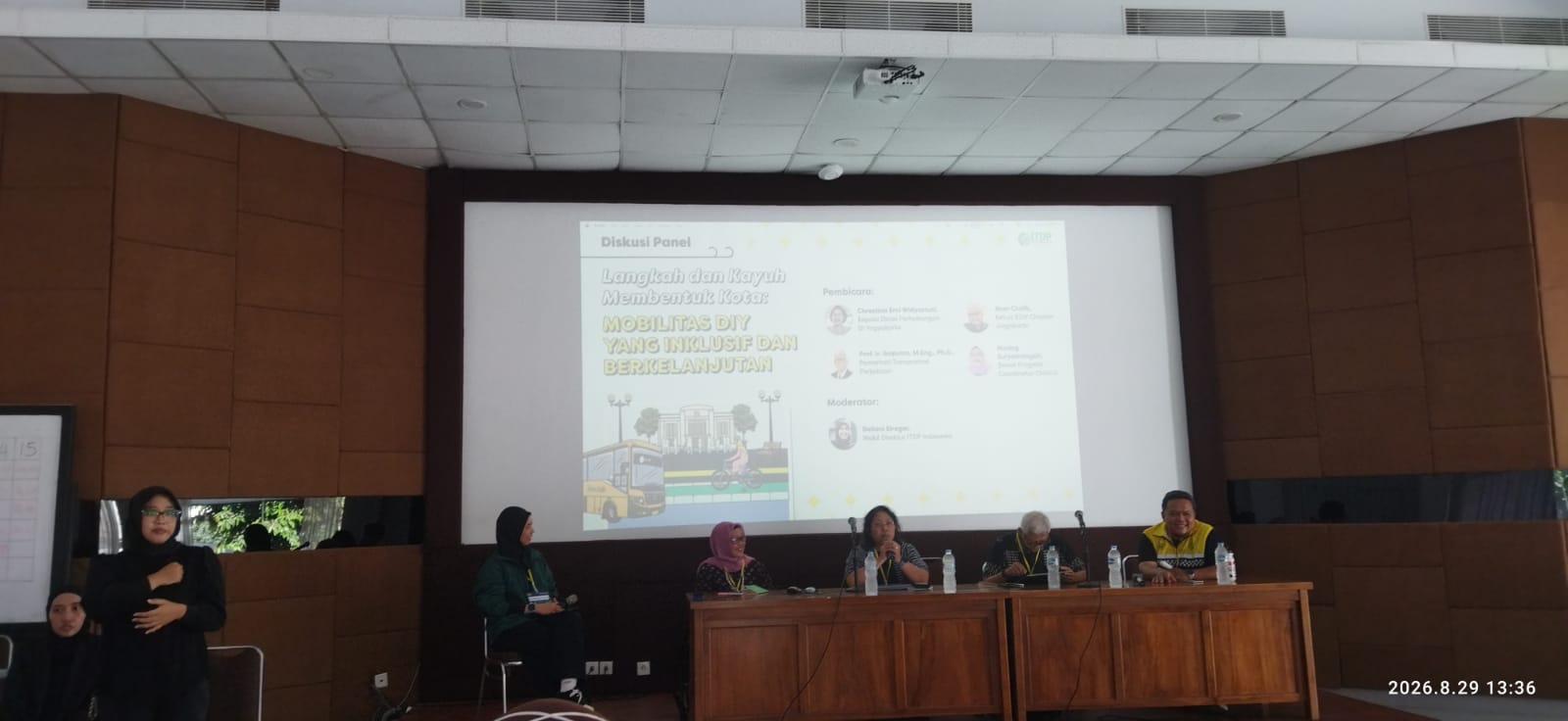
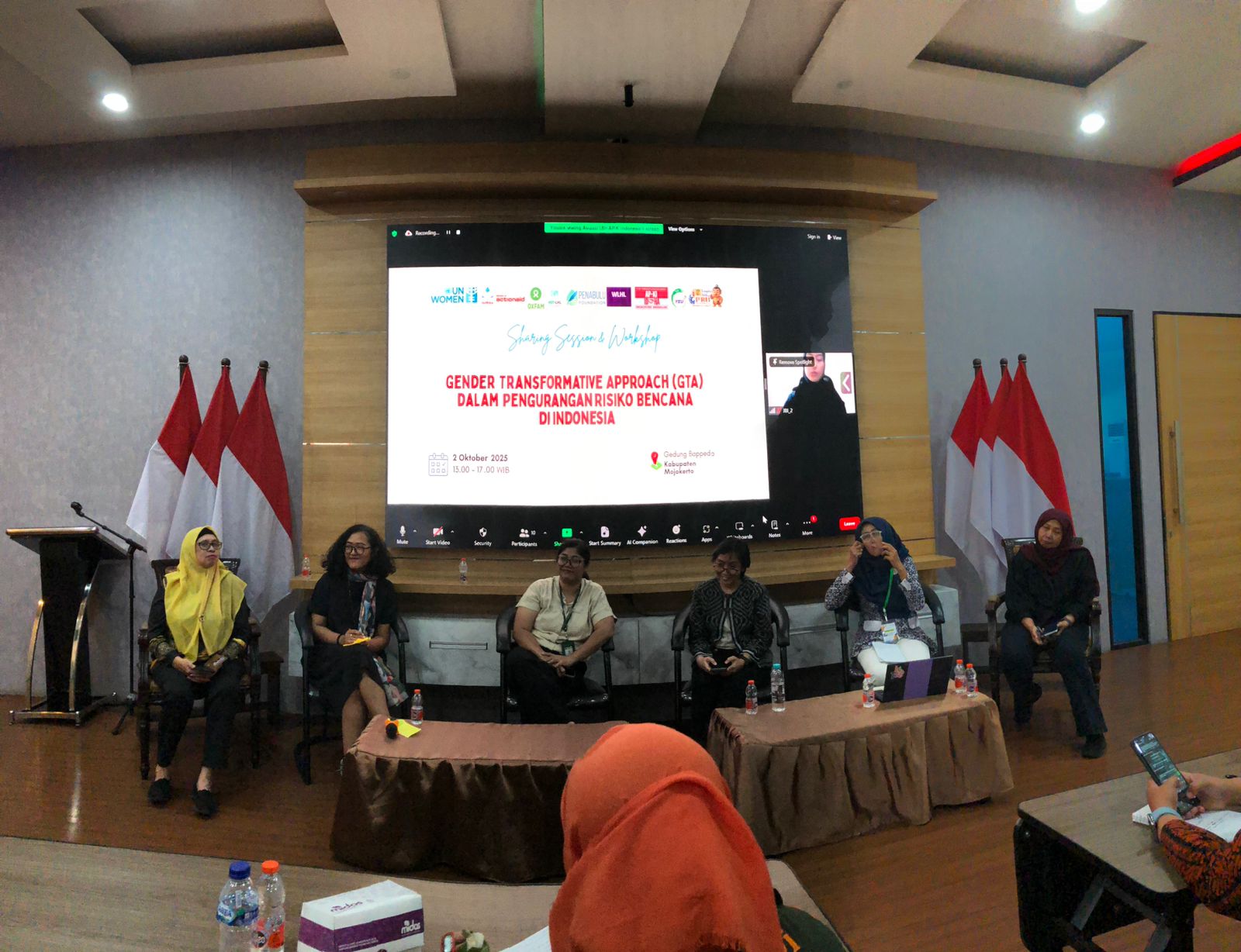
An important discussion on Gender Transformative Approach (GTA) in Disaster Risk Reduction took place at Bappeda (District Planning Board) office in Mojokerto, Thursday (2/10). The discussion initiated by the UN Women, ActionAid, Oxfam, a number of humanitarian organisations, and other civil society organisations highlighted that gender perspective integration into disaster management had to shift from simply responding to different needs to just and inclusive structural transformation for all.
Add a comment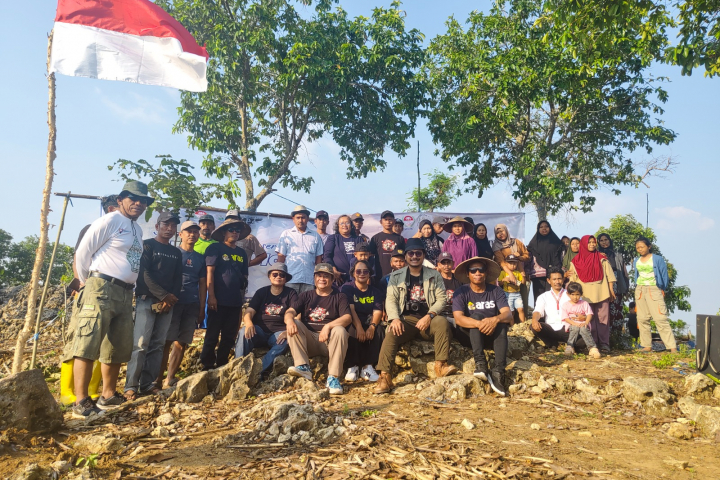
The Land of Pajangan: The Indonesian National Anthem- Three Stanza and KOMPAK Peasant Day
- YAPHI
- Suara Keadilan
- Hits: 572
User Rating: 0 / 5
That day, at 14.00 on Tuesday (23/9), a team of from Yayasan YAPHI arrived at Sucipto’s house, the chairperson of Peasant group in South Pati (KOMPAK) in Dukuh Tumpang (Hamlet), Porang-Paring Village, Pati. As planned, they were going to celebrate the National Peasant Day at a site which local peasants worked on. They call it "tanah pajangan" or the Land of Pajangan – about 500 meters from Sucipto’s house.
Add a comment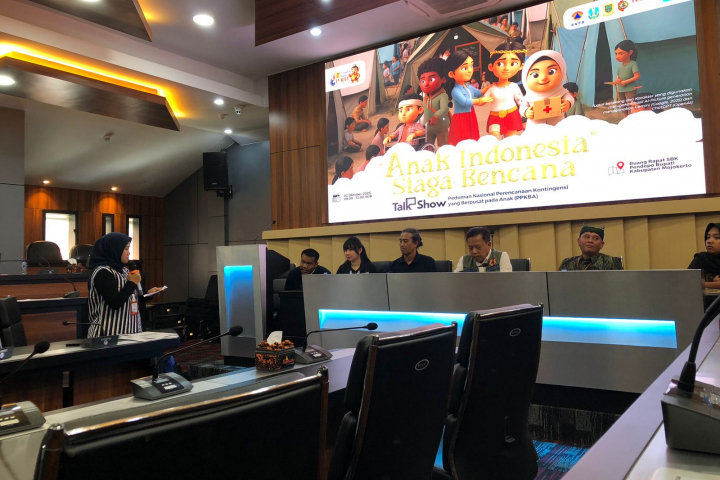
The Importance of Child-Centred Disaster Planning in National Talk Show: Children Are Not Simply Victims, But Change Actors
- Admin YAPHI
- Suara Keadilan
- Hits: 396
User Rating: 0 / 5
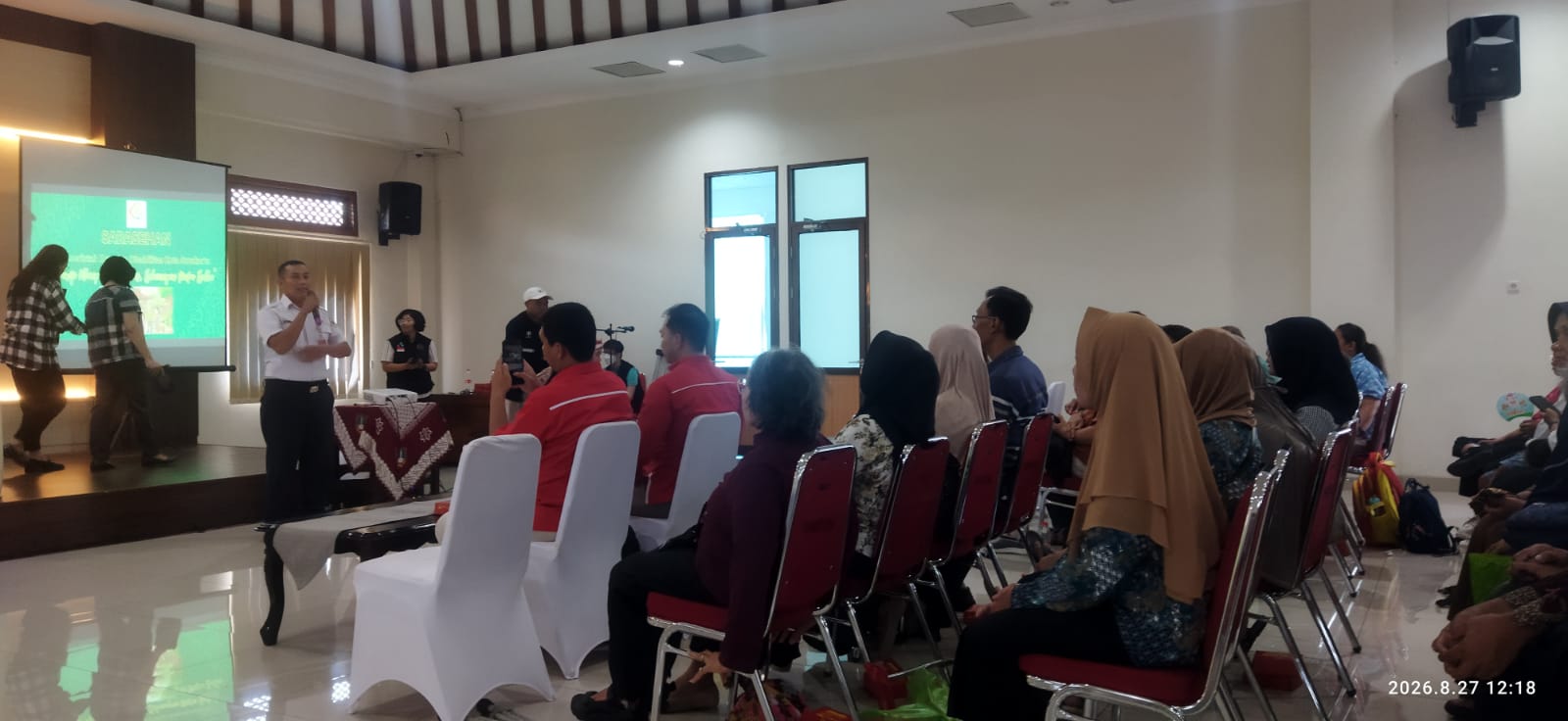
Indonesian children were encouraged to become active subjects, not just mere beneficiaries in disaster risk reduction. This was the key message in the Indonesian Child Talk Show for Disaster Preparedness organized by RedR Indonesia, UNICEF, and the Preparedness Directorate of the National Disaster Management Authority at the SBK Meeting Room, District Administrator Hall Mojokerto, Thursday (2/10). The event specifically discussed the implementation of the child-centred contingency plan (PPKBA).
Add a comment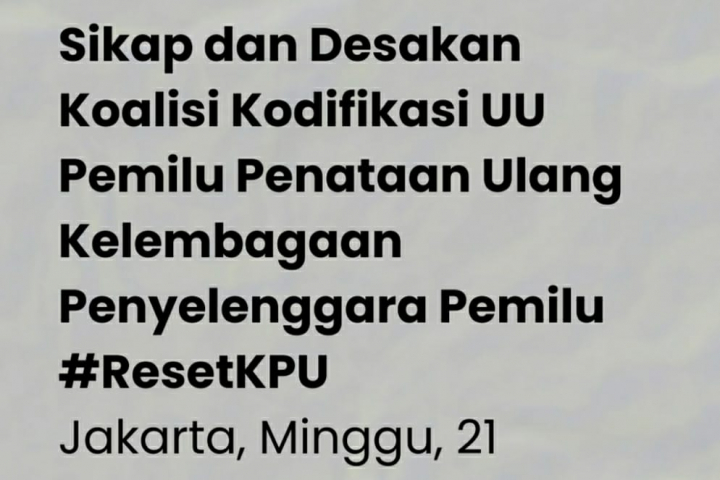
Election Law Codification Coalition: View and Demand for Re-arrangement of Election Institution #ResetKPU
- YAPHI
- Suara Keadilan
- Hits: 444
User Rating: 0 / 5
Jakarta Sunday, 21 September 2025. The Election Commission canceled its Decision No. 731 Year 2025 on Required Documents for Presidential and Vice Presidential Candidates as Exception to Public Information in Jakarta on 16 September 2025, through a pres conference and a Decision Letter No. 805.
Add a comment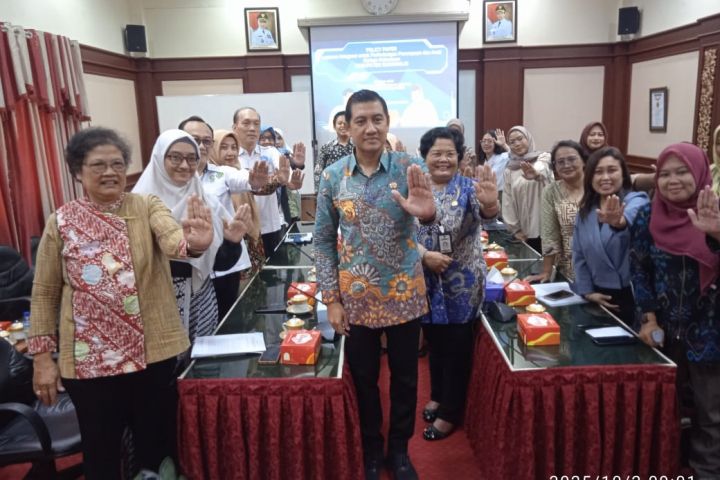
JLPAK2S Hearing with Vice-District Administrator in Sukoharjo: Demand for an Integrated Mechanism for Managing Violence against Women and Children
- YAPHI
- Suara Keadilan
- Hits: 340
User Rating: 0 / 5
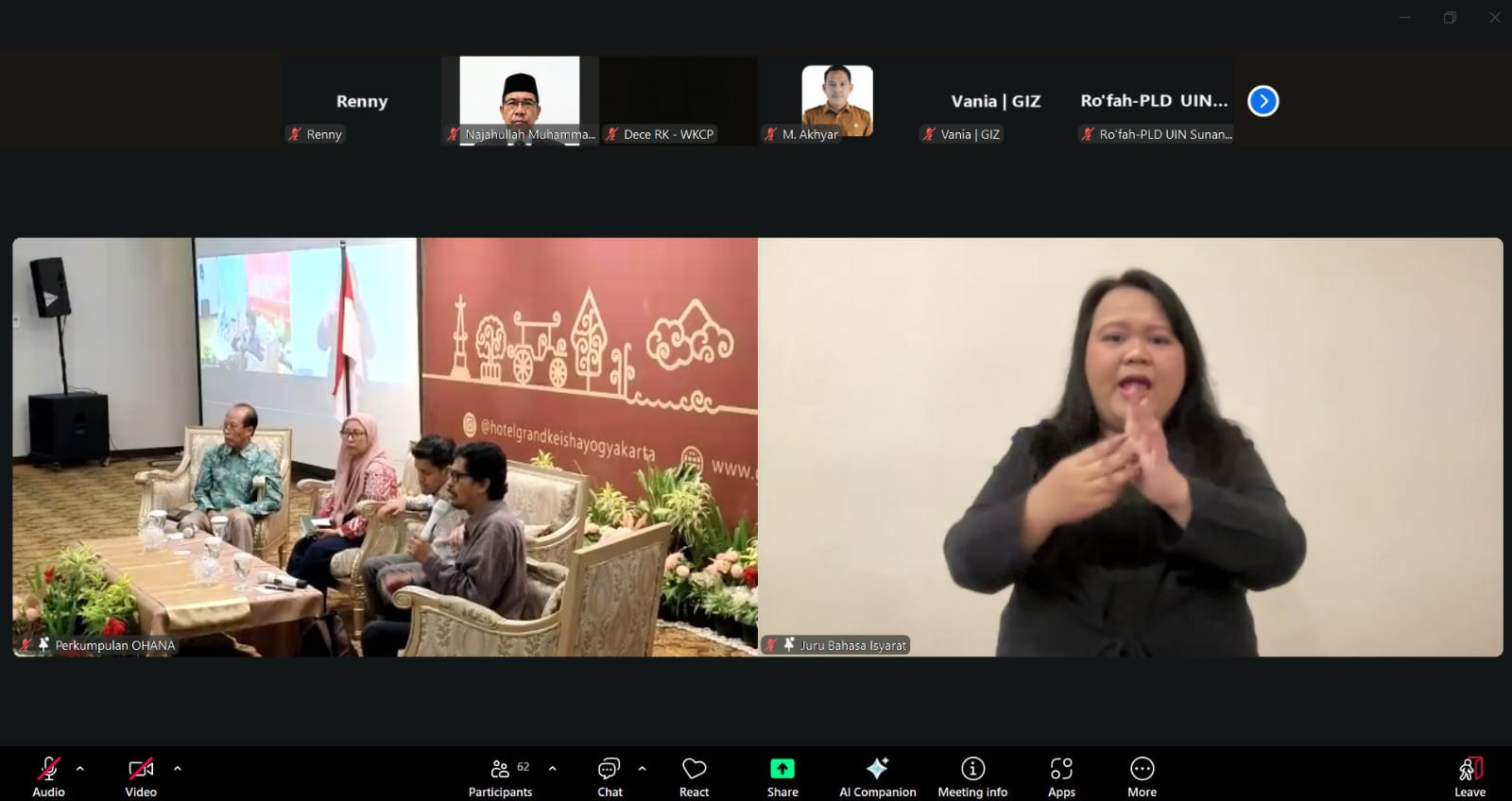
22 people members of the Service Network for Women and Children Victims of Violence in Sukoharjo (JLPAK2S) – from Yayasan KAKAK, YAPHI, SPEK-HAM, LKBHI, MHH Aisyiyah, Muslimat NU, Peradi, and Sehati, and observers of women and children had a hearing with the vice district administrator in Sukoharjo, Eko Sapto Purnomo at Meeting Room of the latter on Thursday (2/9).
Add a comment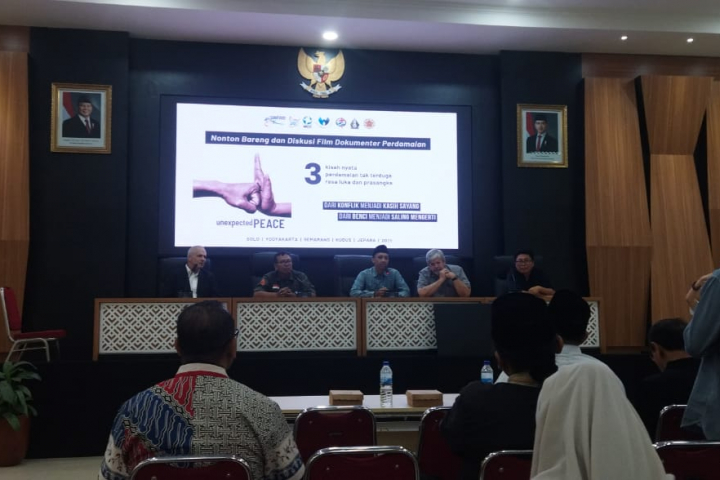
YPLAG (Inter-Religion and Ethnic Group Foundation): “Unexpected PEACE” Film Screening and Discussion
- YAPHI
- Suara Keadilan
- Hits: 518
User Rating: 0 / 5
There was a screening of “Unexpected PEACE” film by YPLAG, MCC and others at the Joint Secretariat in Surakarta on Saturday, 13 September 2025. Asia (the City of Surakarta) of all continents (America, Europe, and Africa) became the first to screen the film.
Add a comment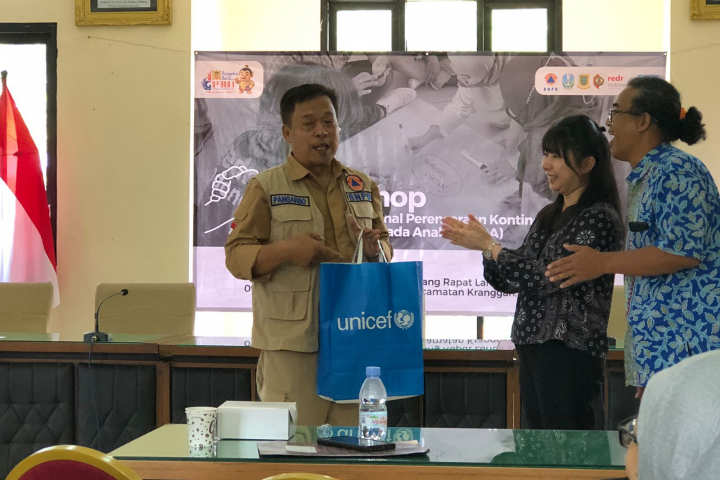
Workshop PPKBA at Kranggan Sub-District: When a Child is not Simply a Victim
- Admin YAPHI
- Suara Keadilan
- Hits: 401
User Rating: 0 / 5
The Government and development partners conducted a workshop on National Guideline for Child-Centred Contingency Plan (PPKBA) at Kranggan Sub-District, Mojokerto on 1 October 2025. The activity was part of the Disaster Risk Reduction Month aimed to ensure the interests and rights of children be seriously integrated into local disaster plan.
Add a comment
Press Conference – Lawsuit Registration re. Statement by Fadli Zon on Denial of Mass Rape in May 1998
- YAPHI
- Suara Keadilan
- Hits: 454
User Rating: 0 / 5
The Civil Society Coalition against impunity submitted a lawsuit against the Cultural Minister Fadli Zon to the Jakarta Civil Court on Thursday (11/9/2025). The lawsuit is about the statement made by Fadli who denied that mass rape ever happened in May 1998 and de-legitimated the Joint Fact Finding Task Force work regarding the May 1998 incident.
Add a comment