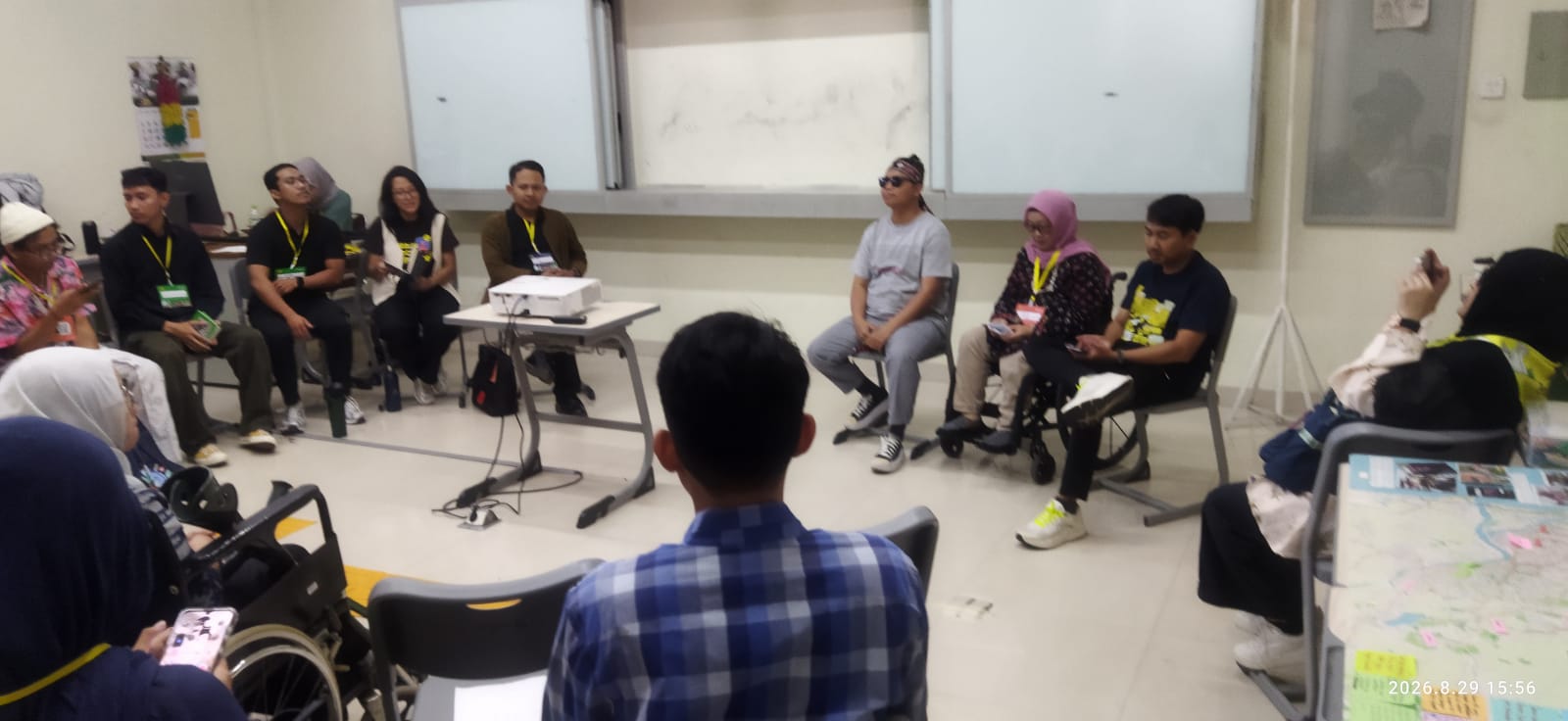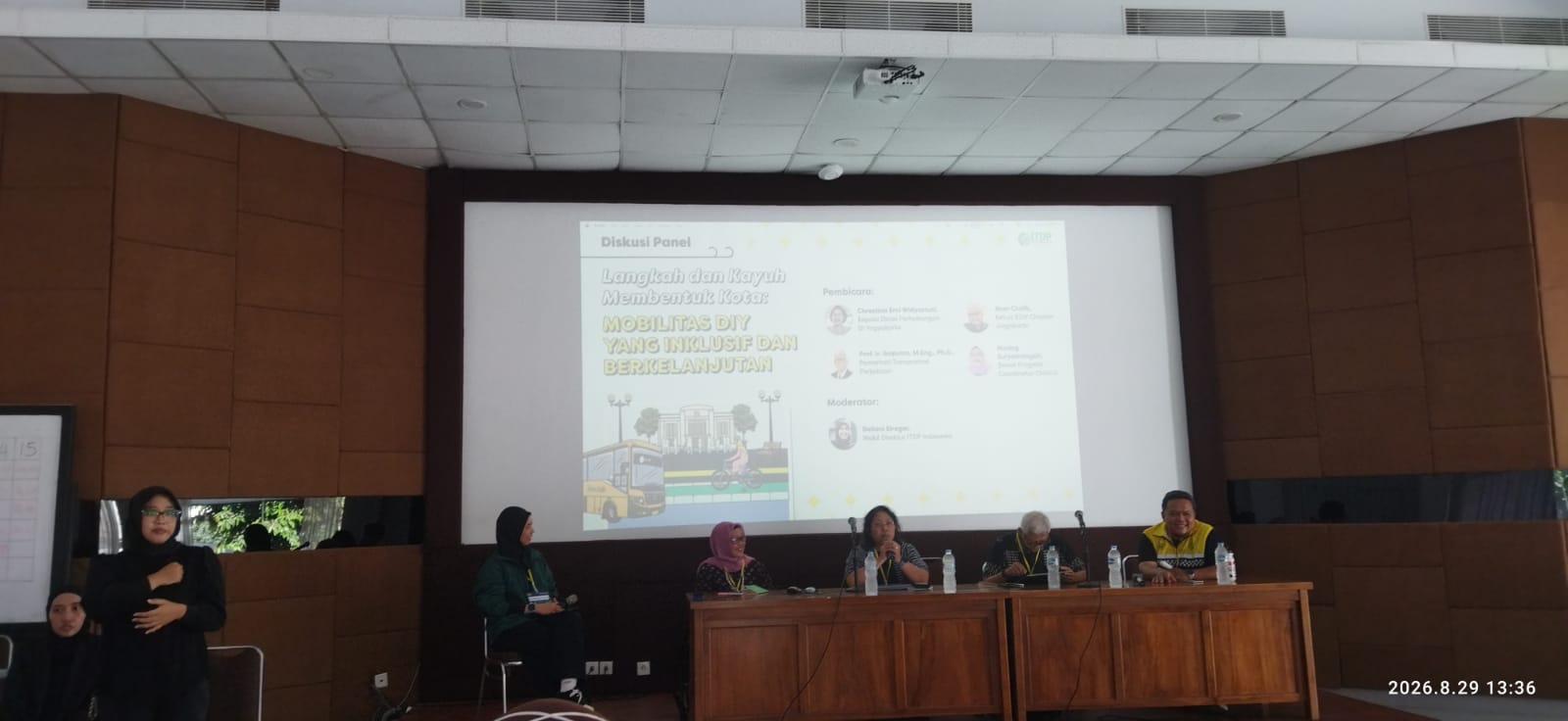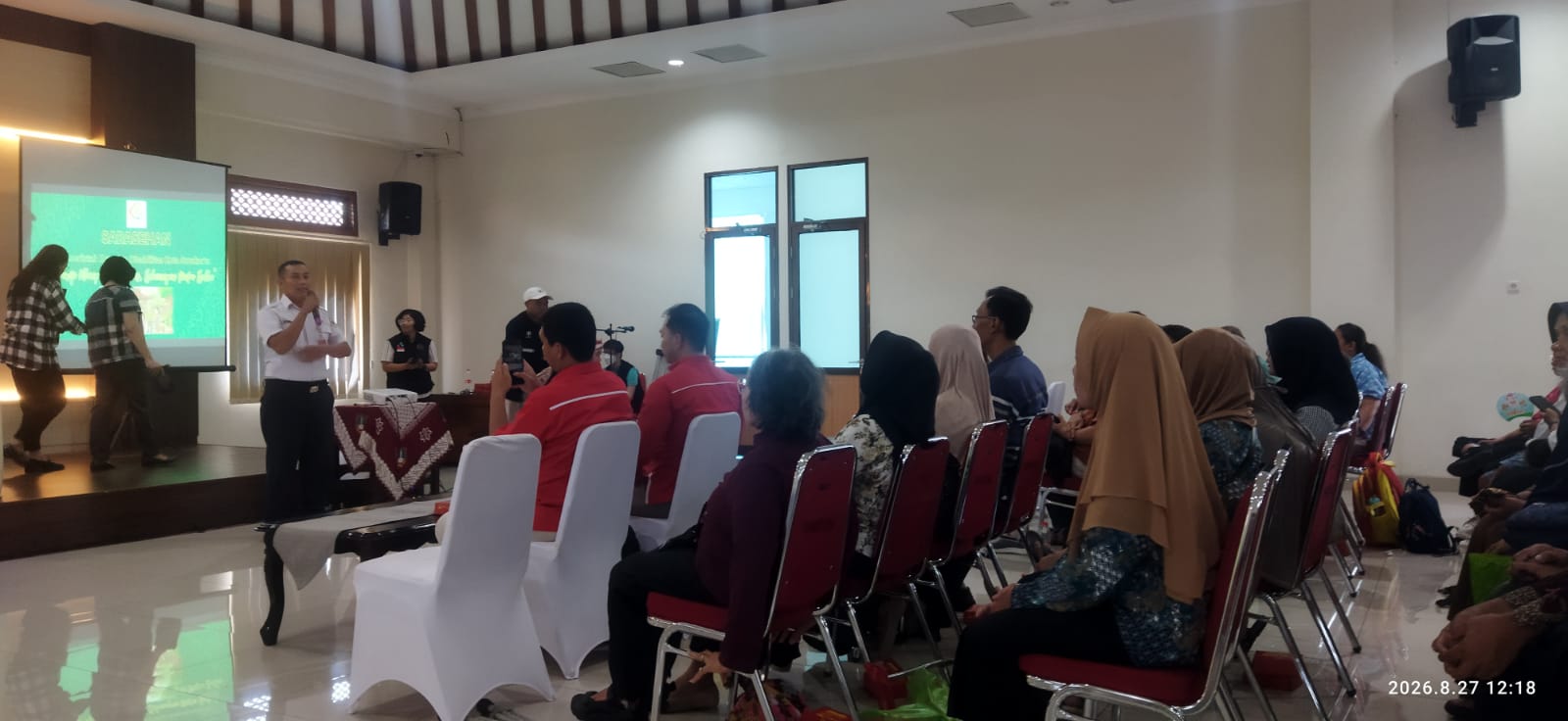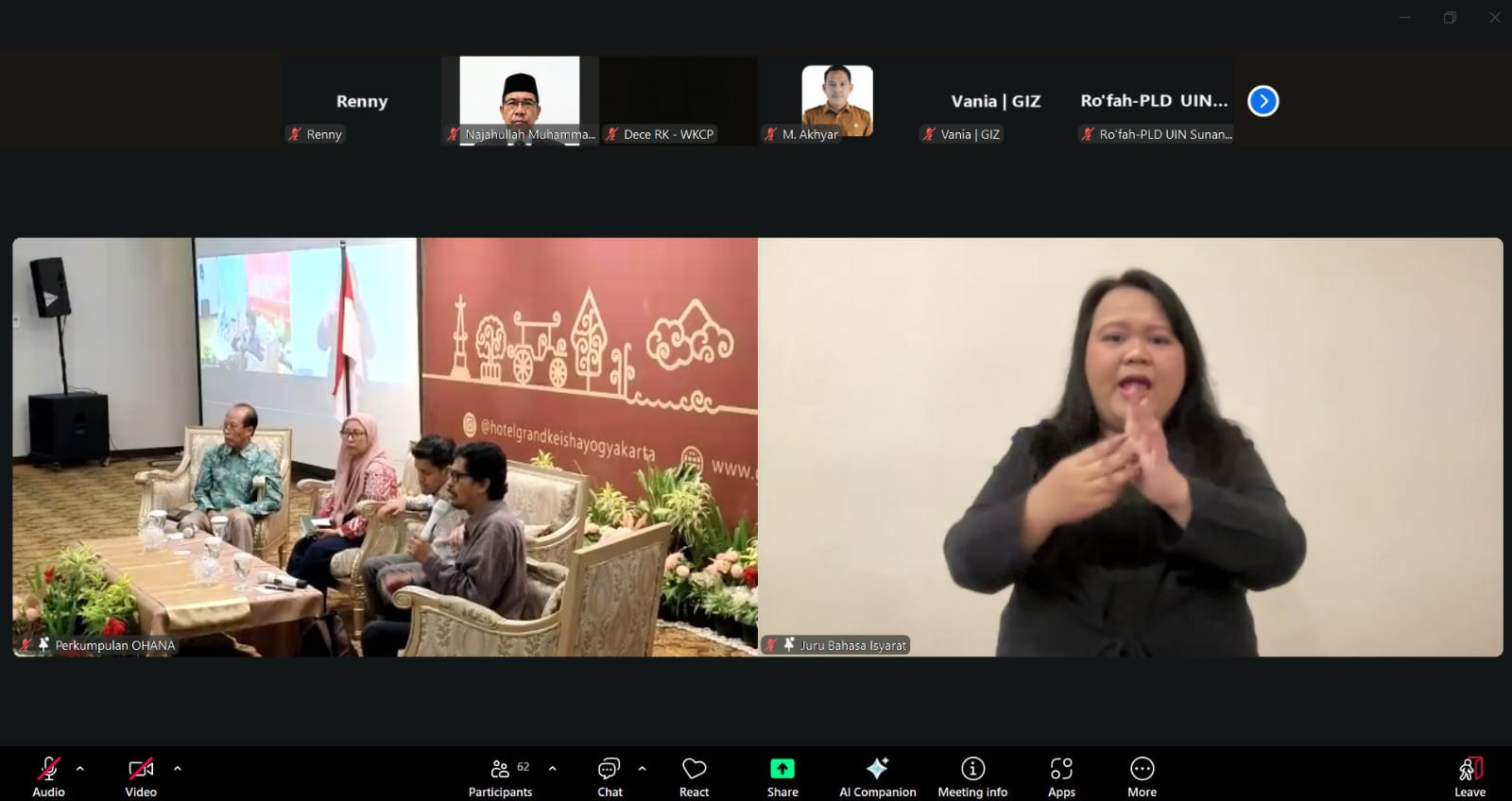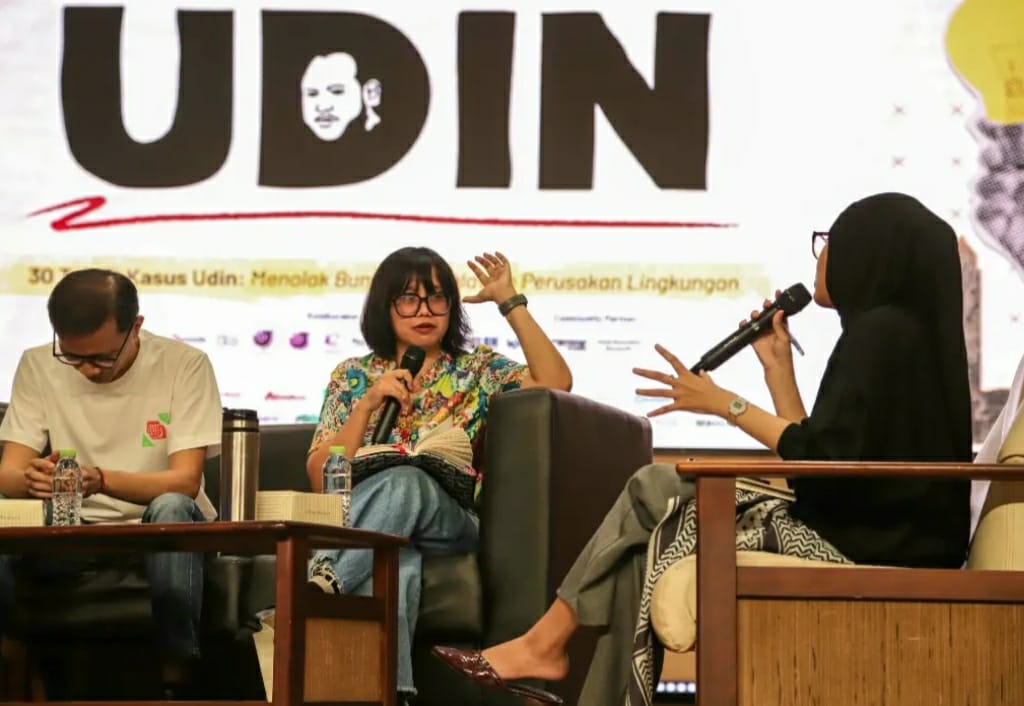



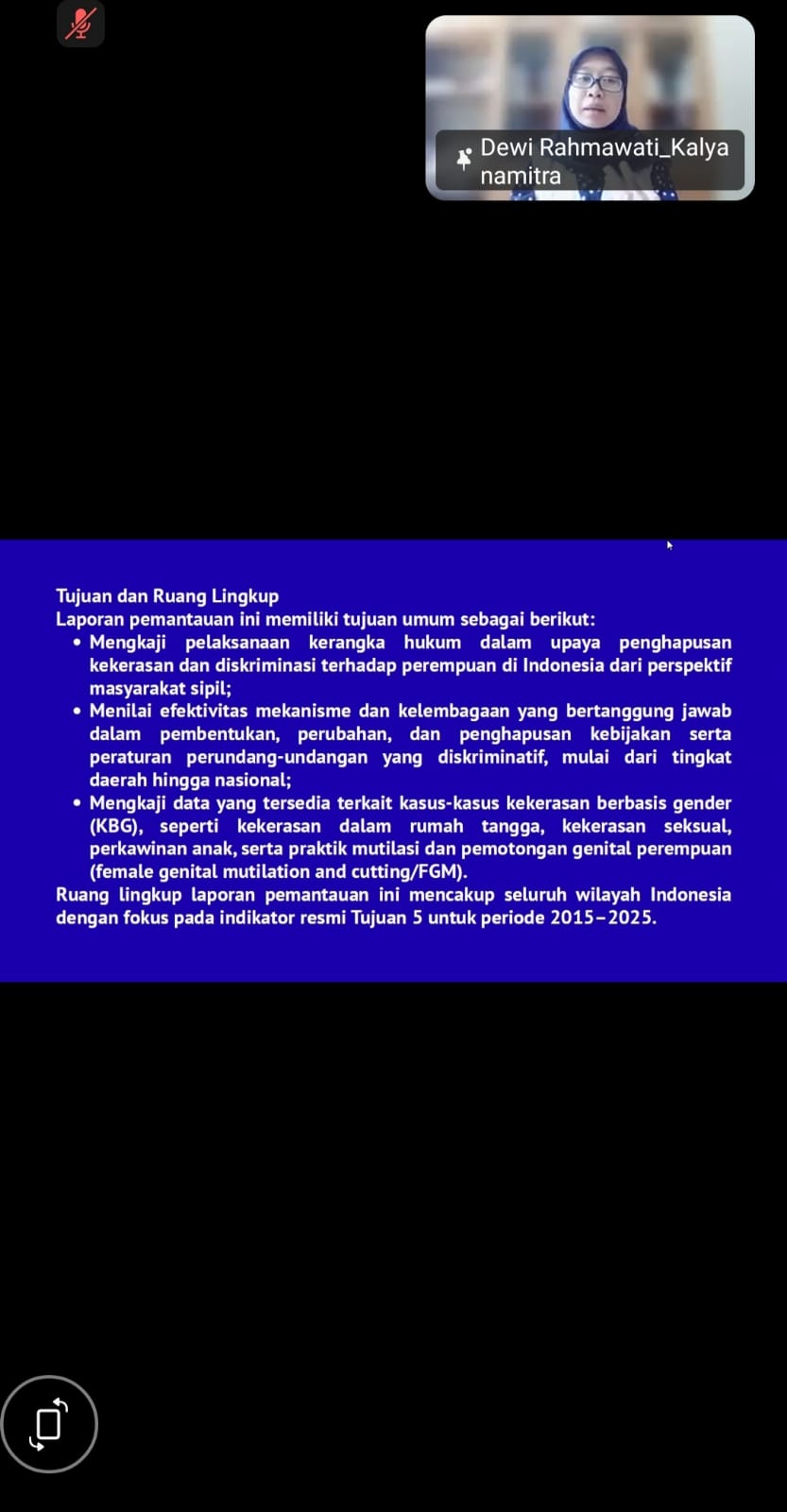

Kalyana Mitra conducted public discussion and dissemination of the results of SDGs+10 Objective 5 monitoring on Tuesday (10/2). The discussion was titled "from Evaluation to Action: A Look at Policy to Meet Women’s Rights in Indonesia and Acceleration Strategy Towards 2030."
Dewi Rahmawati from Kalyana Mitra explained the background and Indonesian commitment saying that Indonesia had implemented the SDGs from the beginning by synchronizing SDGs with National Mid-Term Development Plan 2015-2019. Despite SDGs mainstreaming into mid-term development plan 2015-2019, the country still needed planning document for use by all parties as basis for monitoring of implementation and evaluation of progress.
Since the declaration of SDGs in September 2015, and based on Presidential Order during a cabinet meeting in December 2015, the National Planning Board was assigned as coordinator in SDGs implementation through establishment of SDGs Secretariat. This was a preparation for actual SDGs implementation.
Within the SDGs framework, achievement of Objective 5 (Gender Equality) was part of human development (social pillar) with inter-sector roles (intersectional). Gender mainstreaming was an adopted principle in planning and implementation of SDGs.
Objective 5 aims to eliminate all forms of discrimination, violence, and inequality faced by women and girls, and to promote their full participation in gender equality as key pre-requisite for achieving SDG goal. The national gender equality development score in Indonesia in 2015 is 62.07 (average), while the score for ASEAN is 55.76.
The main vision is gender-justice for all communities and State system through women’s capacity development by based caring and solidarity principles.
The legal framework is as follows: Indonesia has strong commitment through Presidential Instruction No. 59 Year 2017 and Update in Presidential Regulation No. 111 Year 2022 as the legal bases for participatory SDG implementation.
With regards to the target for 2030 – that is to say in the next four years towards 2030 – the year 2025 guaranteed crucial moment for reflection because the progress remained fragile and uneven.
The ojective and the scope are: To Analyse implementation of the legal framework, in addressing violence and discrimination against women in Indonesia from civil society perspective, to assess effectiveness of mechanism and responsible institution, and to review available data.
The metholody involved data and information collection and analysis through: literature and references study re. a variety of resources in consultation with stakeholders in order to enrich data and information through focused group discussions.
The questions used for reporting of monitoring: what is the legal framework used to eliminate discrimination and violence against women and girls? And how, does it focus on mechanism and institutions responsible for establishment, changes, and elimination of laws, policies, or regulation with regards to discrimination at national and sub-national levels? Are there valid data on cases of violence against women based on types of violence and age groups? Are there data on cases of violence, based on age and location? Are there data on child marriage (between the ages of 15 and 18 years old). Are there data on female genital mutilation practices in 15-49 age groups?
Challenges to Data Update (SDGs Objective 5)
The challenges to data update revolve around data sources: The key challenge is the diversity of sources, disaggregation, and consistency in data collection frequency, inter-sector collaboration, availability of specific data, and inconsistency in publication.
Analysis of achievement ad progress with regards to Objective 5: The analysis in the last ten years depends on the government establishing database to record all planning and implementation processes, from sub-national to national levels. To date, it remains difficult to find official government reports about SDG Objective 5 that truly reflect valid data from 416 districts, 98 cities, and 34 provinces. Specific SDG reports from village to national levels are not yet performed optimally, despite the country’s commitment to develop village-level SDGs with 18 objectives.
On-Track Status (Positive Progress):
- Education Participation: Women’s access to basic and mid-level education is almost equal to that of men’s
- Supporting Regulation: There are new (updated) laws such as Law on Sexual Violence and associated regulations, Gender Responsiveness, Law on Disability) that strengthen collaboration framework with women and people with disability.
Stagnant Status (Urgency for Intervention)
- Gender Wage Gap. Despite working in similar jobs, average women’s wage is far below that of men’s.
- Political Repression: The number of women in parliament and decision-making position remains below the target of 30%.
- Management Ownership. There remain structural challenges for women to take executive positions in the private sector
- Lack of meaningful participation: Despite the country’s emphasis on the importance of participation of all stakeholders (including marginal people and people with disability), the fact remains that civil society involvement in SDG evaluation is often limited to formal consultation. The voices of women, youths, people with disability, and minority communities are not fully accommodated into meaningful participation.
- Challenges faced by vulnerable people: There are still lack of (and often ignored by the State) health services for people with disability. This shows that the road to inclusiveness remain elusive.
Critical Challenges:
- Violence against women: increasing number of reporting, yet case handling and integrated data remained weak at sub-national levels.
- Burden of domestic workload: imbalances in unpaid domestic workload where women dominated, hindered economic productivity.
- Sub-national Data Accuracy: Many non-updated or “empty” indicators.
- Despite existence of national regulations (such as Law on Sexual Violence or Law on Disability), there remain discriminatory local regulations, that focus on how women dressed, night curfew, or gender minority groups, that show regression.
Critical Note:
One critical note in the last ten years is that there remain discriminatory local policies and/or regulations. This constitutes red indicator for inclusiveness. We cannot talk about inclusiveness at national level as long as there are regulations limiting women’s and marginal groups’ constitutional rights.
Conclusion: Implementation of Sustainable Development Goal – Objective 5. The period between 2015 and 2025, there was significant progress in a variety of aspects, including stronger regulation, stronger institutions, and civil society participation in promoting gender equality. Achievement such as reduction in the number of child marriage, official enactment of Law on Sexual Violence, increasing women’s involvement in education and politics, shows evidence of collective commitments to develop more equal and inclusive communities despite remaining structural imbalances, persistent patriarchy norms, and on-going gender-based violence. There are gaps between areas and amongst groups undermining equality. (Ast)