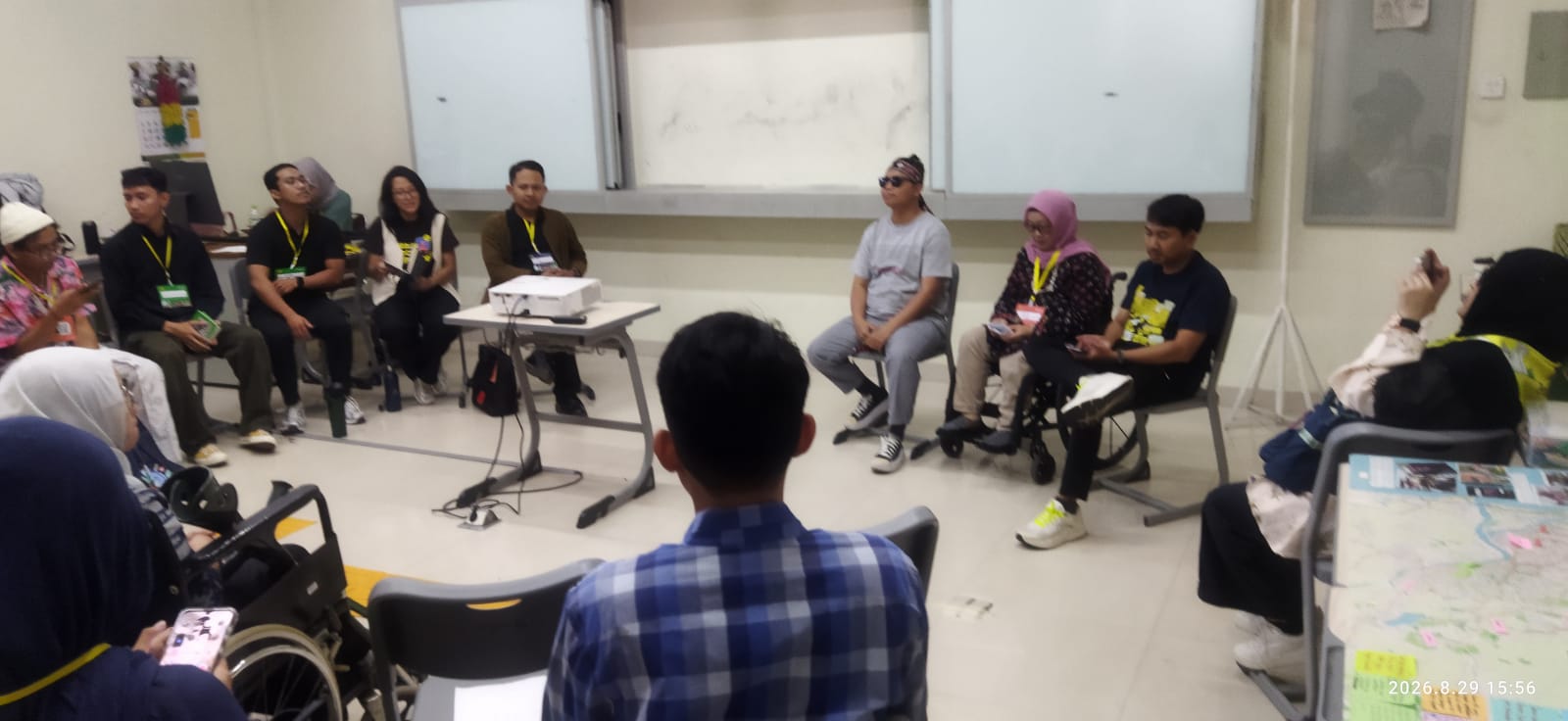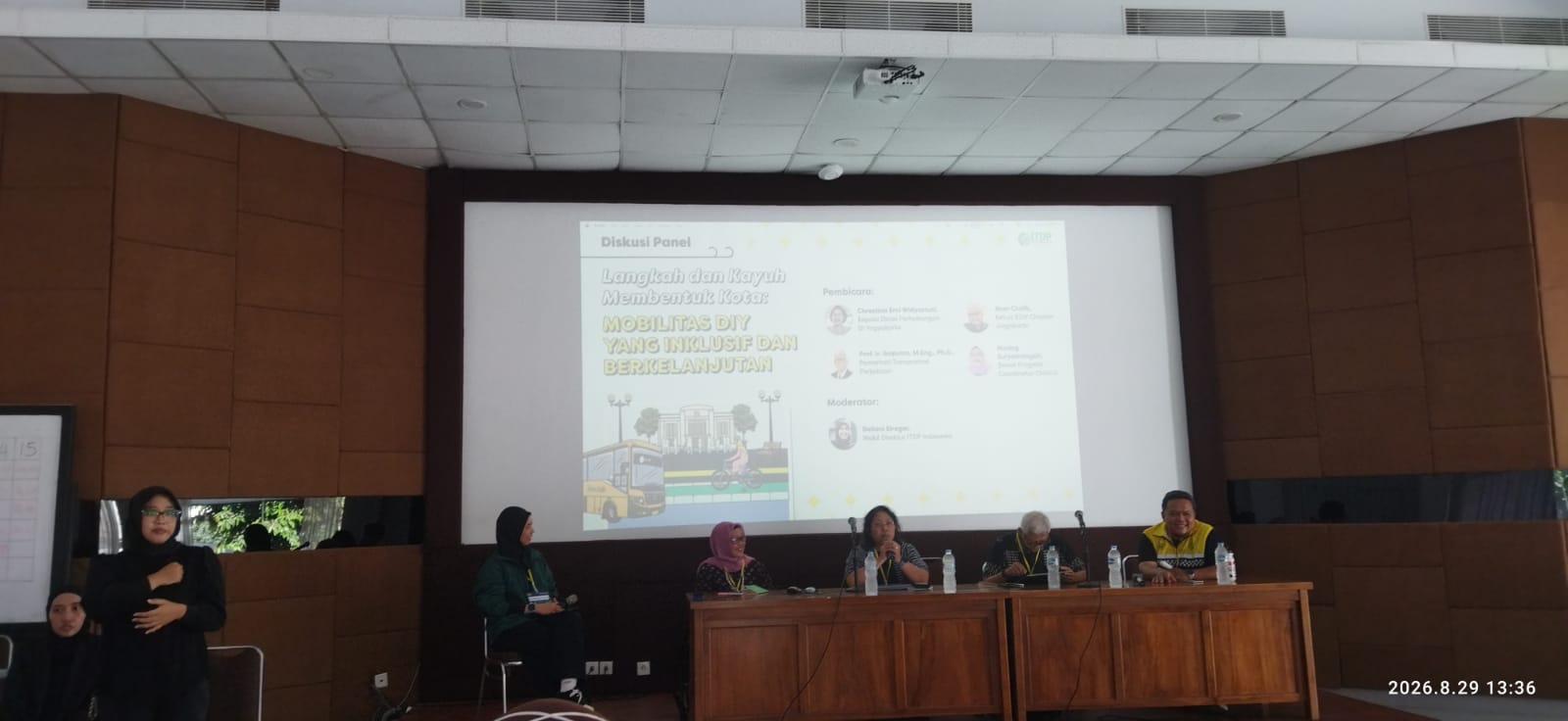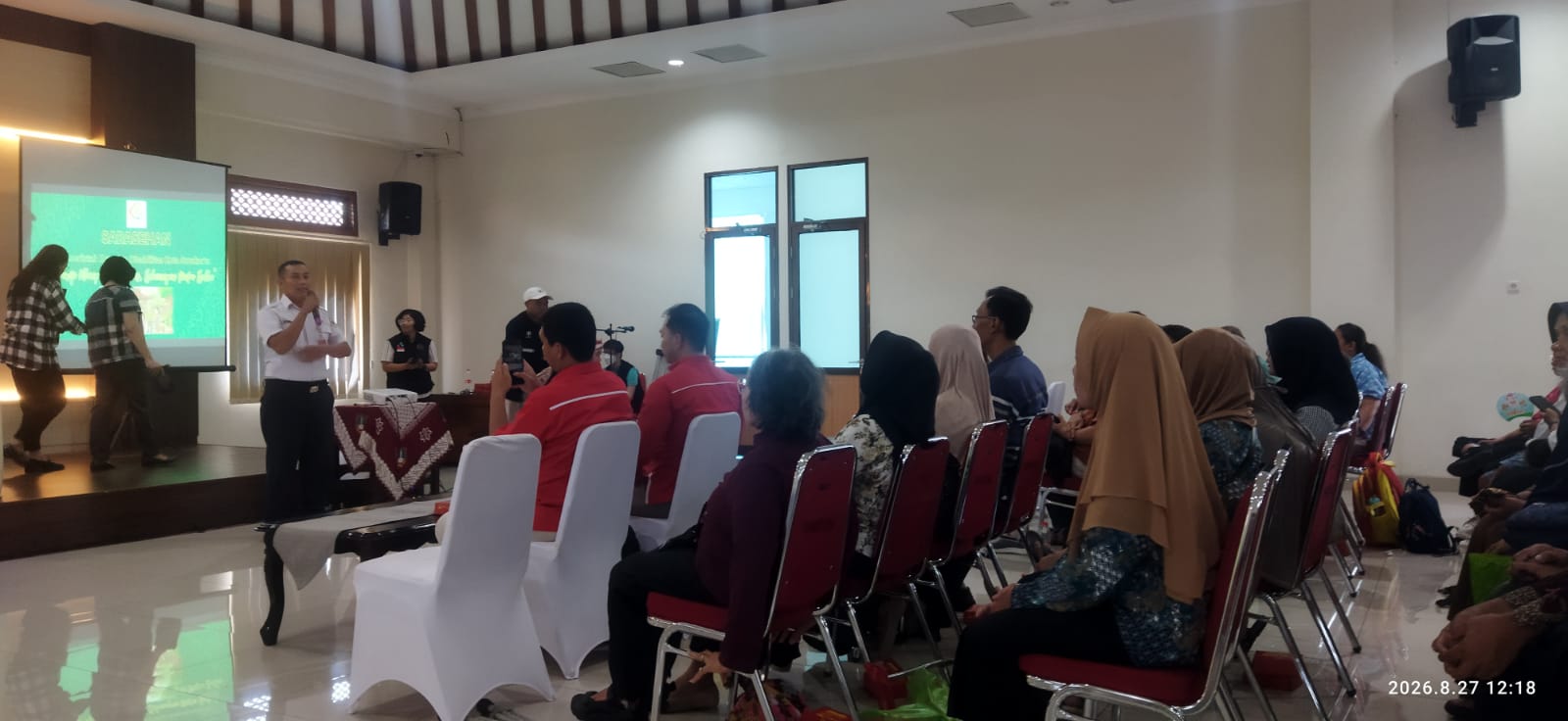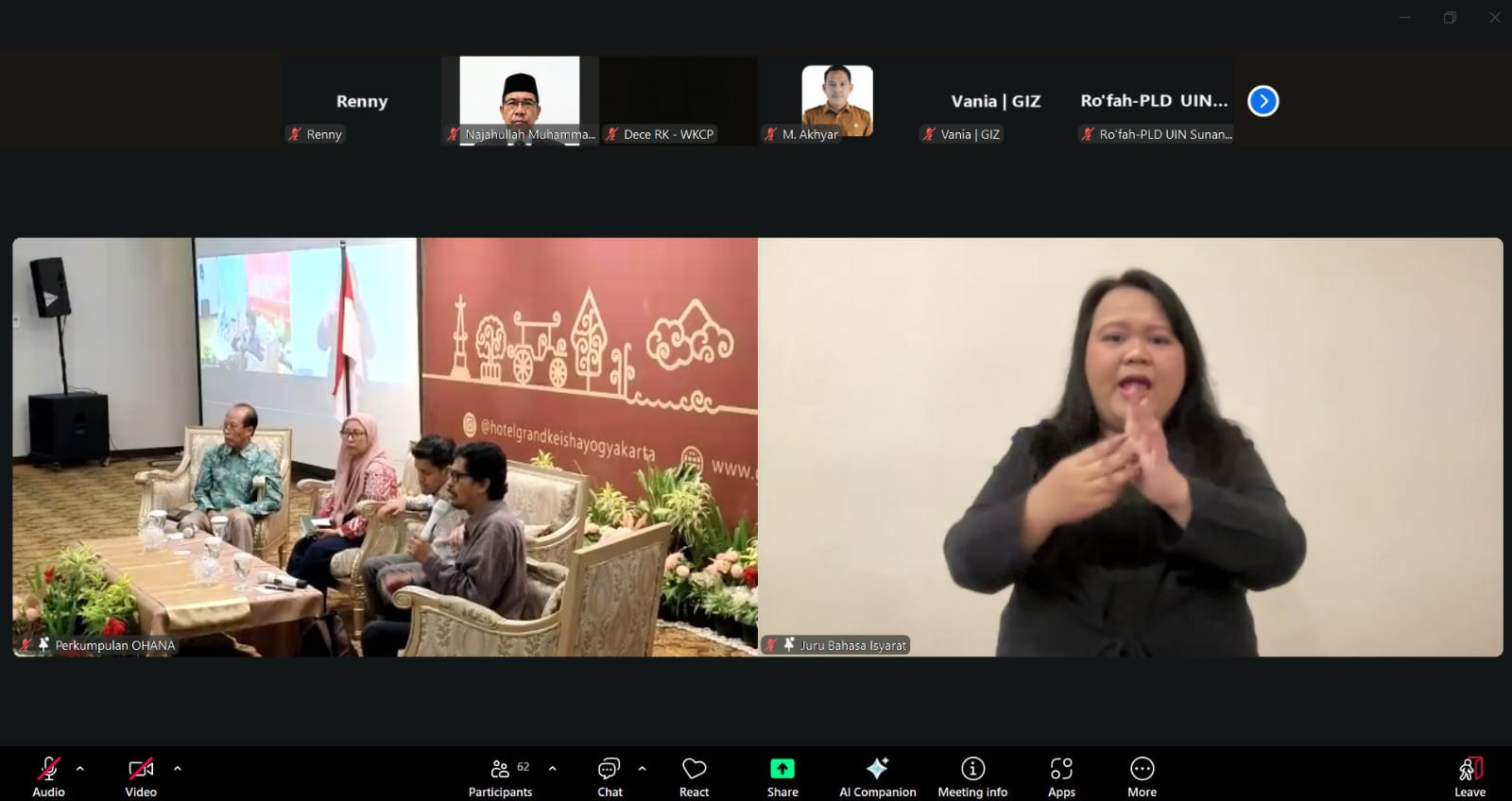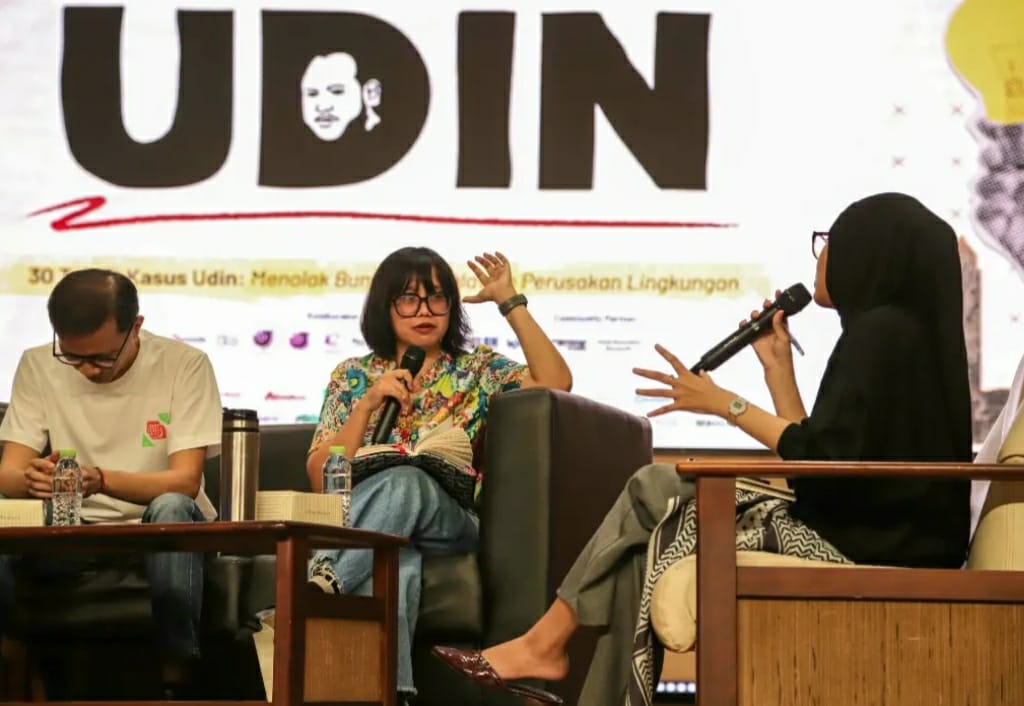



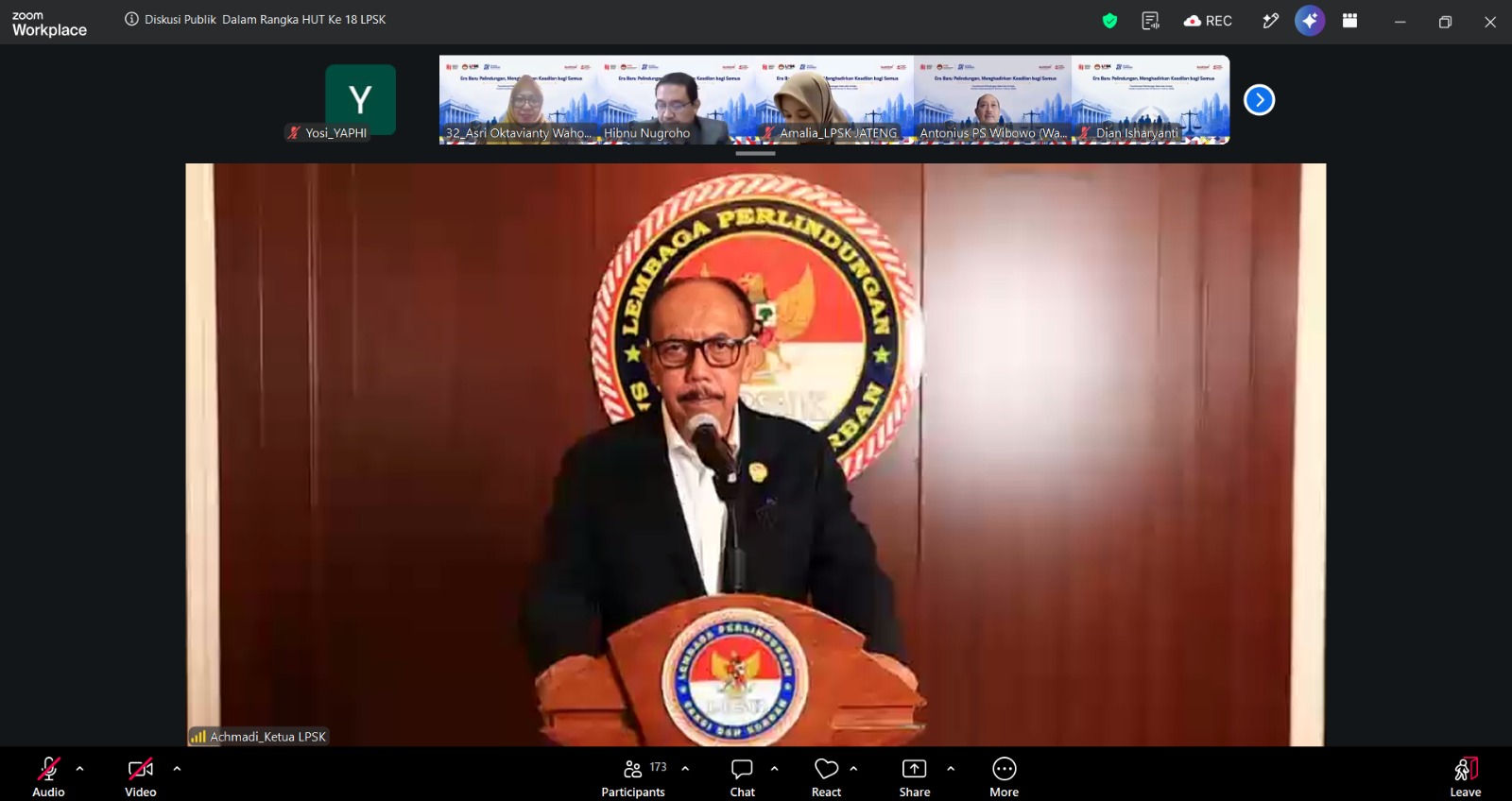

Hundreds of law enforcement officials, academics, civil society organisations, health professionals, and sub-national government representatives filled the discussion space via zoom on Tuesday (28/7). They came with different interests, but showed the same concern with regards to how to ensure that people had the courage and confidence to expose crimes and not to become the next victims.
That question emerged during public discussion on the implementation of Law No. 3 Year 2026 on Witness and Victim Protection. For some participants, the new regulation gave hopes to strengthen the position of witnesses and victims in the legal system. Yet, for those who accompanied victims on the field on a daily basis, the real work just started when the Law was in force.
The vice chair of the Witness and Victim Protection Office (LPSK), Dr. Antonius Prijadi Soesilo Wibowo opened his presentation by reminding that the Law was in its early stage of implementation. "Law No. 3 Year 2026 started to come into force on 20 May 2026. Like a car, the law was in its trial stage.” For that reason, we needed to have the same perception so that its implementation proceeded as expected during its formulation," said Antonius.
He argued that the discussion not only aimed to introduce the substance of the new Law, but to align perception of all parties involved in witness and victim protection. He believed that without common perception, changes in regulation would potentially stop as legal documents without real impacts on the community.
Antonius explained that Law No. 3 Year 2026 brought at least seven important changes, the most important of which was the strengthening role of the State in providing protection, for example through Witness and Victim Friends Program that had clear legal stipulation. In addition, the national and sub-national governments were no longer viewed as the parties providing administrative supports only. They were had clearer responsibilities in providing health services, psychological recovery, safe houses, and budget supports.
"Protection of witnesses and victims is not only the task of LPSK. Sub-national governments must also be involved through policies, health services, psychological recovery, and other facilities needed by victims," he emphasised. Other important changes included broadening the groups who could get protection. If attention was given in the past to victims and witnesses, now the scope had to be broadened to include reporters, informants, perpetrators-witness, and experts involved in the legal process.
In the new regulation, an informant was defined as someone who gave information anonymously about a crime that was taking place or about to take place, or had taken place. The identity of the informant had to be protected. "There is no need to reveal the informant’s identity. Informant needs to be protected because their courage could be the entry point to reveal the case wide open," said Antonius.
Agency consolidation was key part of that change. LPSK had broader authority, including strengthening coordination with the ministries, sub-national governments, law enforcement agencies, civil society organisations, and international organisations. Antonius argued that changes emerged from such long experience that meeting victims’ needs could not be done alone. A victim of violence, for example, not only needed legal protection, but also medical services, psychological accompaniment, temporary housing, and social recovery.
Data from Central Java showed the how big the needs were in the province. To date, hundreds of people were under LPSK protection. Serious human rights violation, 65/66 violence victims were major recipients of services, followed by young victims of sexual violence, and victims of human trafficking. In such situation, LPSK strengthened collaboration with governments in Central Java in five sectors – victims and witnesses protection, strengthening policies, health services, inter-agency coordination, and development of other collaboration.
Yet, Antonius acknowledged that there remained many challenges. Budget and resource constraints led to uneven services in sub-national level. Not all districts and cities had safe houses, psychologists, or other supporting facilities for victims. "Often, we have to share roles with sub-national governments. There may be sub-national governments with psychologists but limited budget, and there were sub-national governments with sufficient budget but lacked professionals. For that reason, synergy was essential," he emphasised.
Similar collaboration was also evident in medical services. In a number of cases, victims needed emergency management for their burn, sharp-weapon-related violence, and other forms of violence, that incurred significant costs. Antonius argued that one organisation could not possibly deal with such conditions alone. Supports from sub-national governments and health facilities were essential so that victims would not lose their rights for service dues to funding issue.
Renewal in Law No. 3 Year 2026 got the attention of Professor in Criminal Law, Prof. Hibnu Nugroho. He argued that one most fundamental change was the confirmation of LPSK position in the criminal law system. If LPSK was viewed as supporting entity, its position now was equal with law enforcement agencies such as the Police, the public prosecutor office, and the court. "LPSK has the equal position as law enforcement agencies. Coordination is done within the framework of equal partnership, not subordination," said Hibnu.
He argued that witness and victim protection was no longer an add-on when the investigation proceeded. Protection had to be integral part of the whole legal process, from investigation to court proceeding. He argued that law enforcement officials had the obligation to forward the protection application to LPSK when they found threats against witnesses, victims, reporters, informants, and experts.
For Hibnu, community confidence to expose crimes was key to law enforcement. For that reason, the State had to ensure that that confidence should not be met with intimidation or criminalisation. "Without sufficient protection, people would think seriously whether they would want to become witnesses or to report crimes. Yet, they are vital in revealing the truth."
Despite a number of breakthroughs, participants agreed that the success of Law No. 3 Year 2026 would not hinge on the many new articles contained in it. The real challenge was its implementation, particularly in ensuring that victims’ rights were met in a speedy manner and not be hindered by complicated procedure. The issue that participants paid attention most was restitution – reimbursement for the losses that perpetrators needed to pay for victims’ recovery of losses. In practice, restitution mechanism left many issues unaddressed.
One participant asked the time it took to calculate the restitution which could be as long as 51 days. On the other hand, the existing stipulation necessitated restitution application to be submitted before the prosecutor(s) read the charges. The timeframe made it difficult for victims, particularly when the losses suffered had to be calculated to the detail. In response, Antonius acknowledged that the issue was a major preoccupation within LPSK and the law enforcement agencies.
"WE are communicating with the Attorney General and the Supreme Court for solution. The article about time limit to submit restitution often creates practical challenges because the calculation of victims’ losses takes time," he argued.
Antonius suggested that LPSK tried to speed up services through e-restitution, an information technology-based submission that allowed documents to be submitted online. Yet, that step could not address the issue fully. Many victims felt better when they submitted the documents manually. In a number of areas, limited access to technology and accompaniment made the digital process difficult to accomplish.
"Victims need to be accompanied so that they are familiar with the information technology. This is part of what we do in the future," he explained. Beyond restitution, participants’ attention was drawn to compensation endowment fund, one new idea in Law No. 3 Year 2026. The scheme opened opportunities for victims to get compensation when the perpetrator(s) did not pay restitution. Even, perpetrators’ asset could be confiscated at the investigation stage as guarantee of payment.
Yet to date, such mechanism could not be implemented as government regulation was still being prepared. "Legally, there is already the provision, but the implementation needs to wait until there is government government’s regulation. That regulation is not yet in place, hence the mechanism for an endowment fund cannot be implemented," said Antonius. While waiting for the regulation, LPSK used the applicable mechanism – perpetrators’ asset confiscation or alternative sentence should restitution was not paid.
To help victims, particularly those experiencing sexual violence, LPSK (Witness and Victim Protection Agency) initiated philanthropic fund raising. Despite the relatively small value, this step was a way to help victims during the legal process.
The discussion then moved to protection of groups facing threats as a result of their advocacy activities. The law and communication lecturer at Universitas Katolik Soegijapranata Semarang, Hotmauli Sidabalok reminded that LPSK should not just wait for reports to come from the community.
He argued that peasants, fishing communities, indigenous people, and human rights defenders faced pressures when they fought for their rights. Often, they did not know that the State had protection mechanism that they could access. "LPSK should not only act as fire extinguisher. It should actively look at issues. Do not wait for the community to know the system, but should be actively protecting them," he said. He also pointed out that there remained criminalization of people who offered criticism or who defended their rights to land, environment, and resources.
For Hotmauli, witness and reporter protection would lose its meaning if law enforcement officials became part of the pressures that community had to face.
Prof. Ibnu Nugroho confirmed that view. He argued that civil society participation was critical in the implementation of the new law. "Public participation is critical. The State cannot do it alone. The experience of civil society organisations is part of the policy preparation so that the new regulation can be fully implemented," He affirmed.
He explained that the regulation preparation by the government to implement Law No. 3 Year 2026 would involve ministries, academics, law enforcement agencies, and civil society organisations. That step would be expected to lead to more responsive regulation to address issues on the field. Ibnu also touched on the progress in protection of human rights defenders. He argued that the National Human Rights Commission had submitted recommendations or official letter identifying persons or groups as human rights defenders. That acknowledgement was critical because it could become the basis for protection when they faced threats or criminalisation resulting from their activities.
Meanwhile, another issue was evident in the health sector. Representative of the city health office in Semarang, Renny questioned the collaboration mechanism between LPSK (Witness and Victim Protection Agency) and private hospitals. She also asked for further elaboration on the limit of medical services cost, procedures for reimbursement of cost, and guidelines on cases that could be reimbursed. Those questions were informed by hospital’s own experience of providing services to victims, which faced uncertainty of reimbursement process.
In response, Antonius explained that LPSK (Witness and Victim Protection Agency) collaborated with a number of private hospitals and offered wider opportunities for partnership to meet the needs at sub-national level. He argued that health services were critical part of victim recovery so coordination with public and private hospitals had to be further consolidated.
The discussion lasted almost three hours and showed that Law No. 3 Year 2026 opened more space for witness and victim protection. Yet, regulation alone was not sufficient. Budget availability, preparedness of officials, inter-agency coordination, and community involvement would be key in determining whether protection could truly be felt by those who needed it. (Yosi/Ast)