



The Global Pledge “No One Left Behind” as the spirit of SDGs faced major challenges in Indonesia. As the country moved towards 2030, the development objective(s) remained far below expectation, particularly for vulnerable groups such as people with disability who faced gaps in access to education, employment, social protection, and public services.
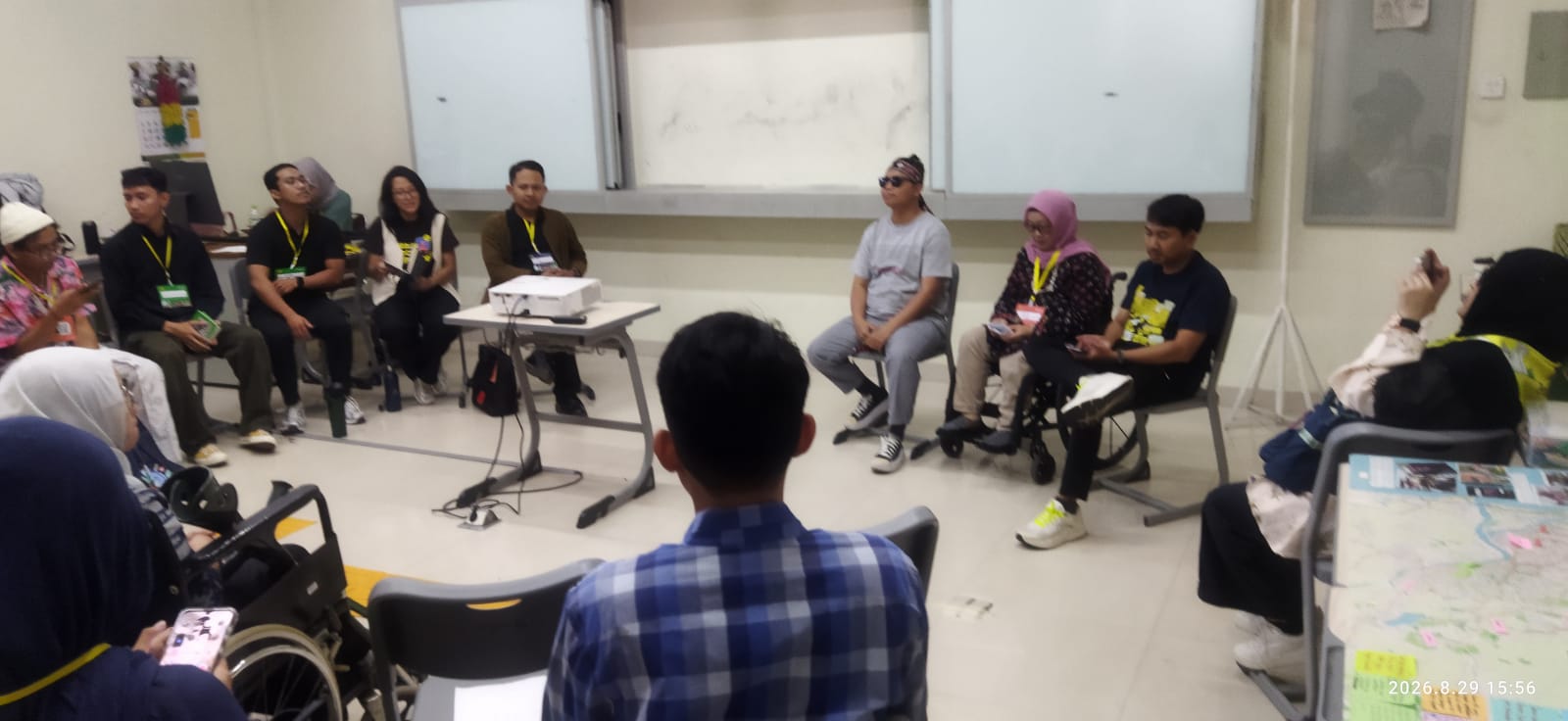
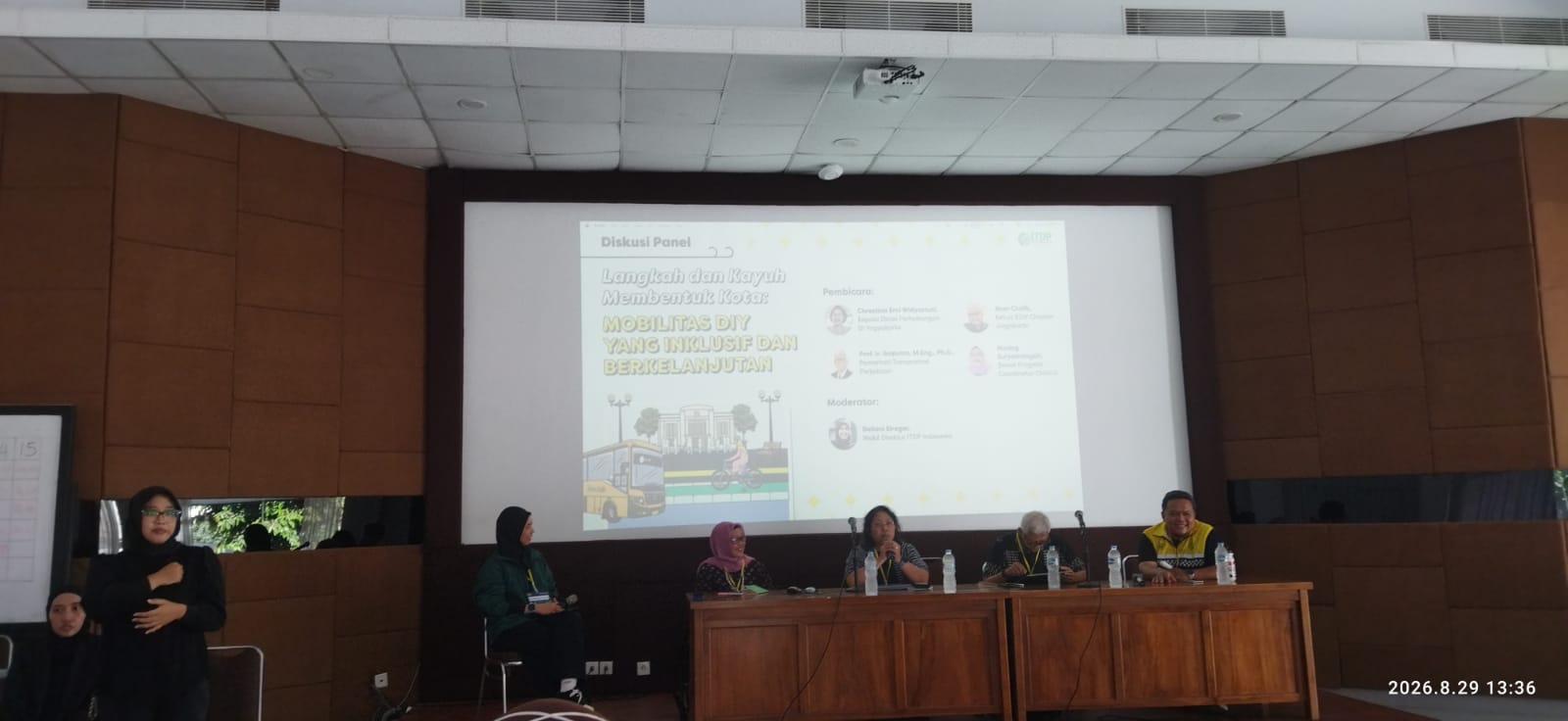
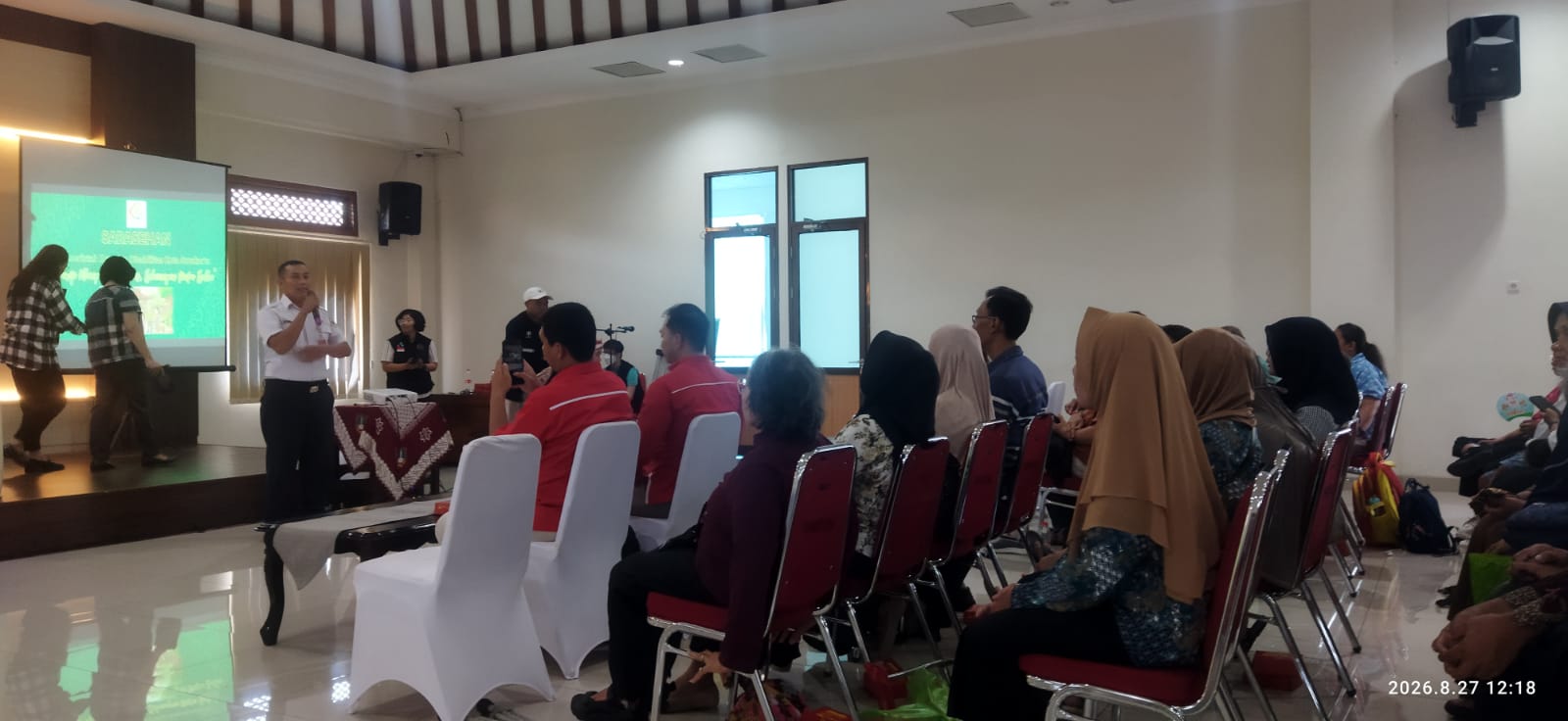
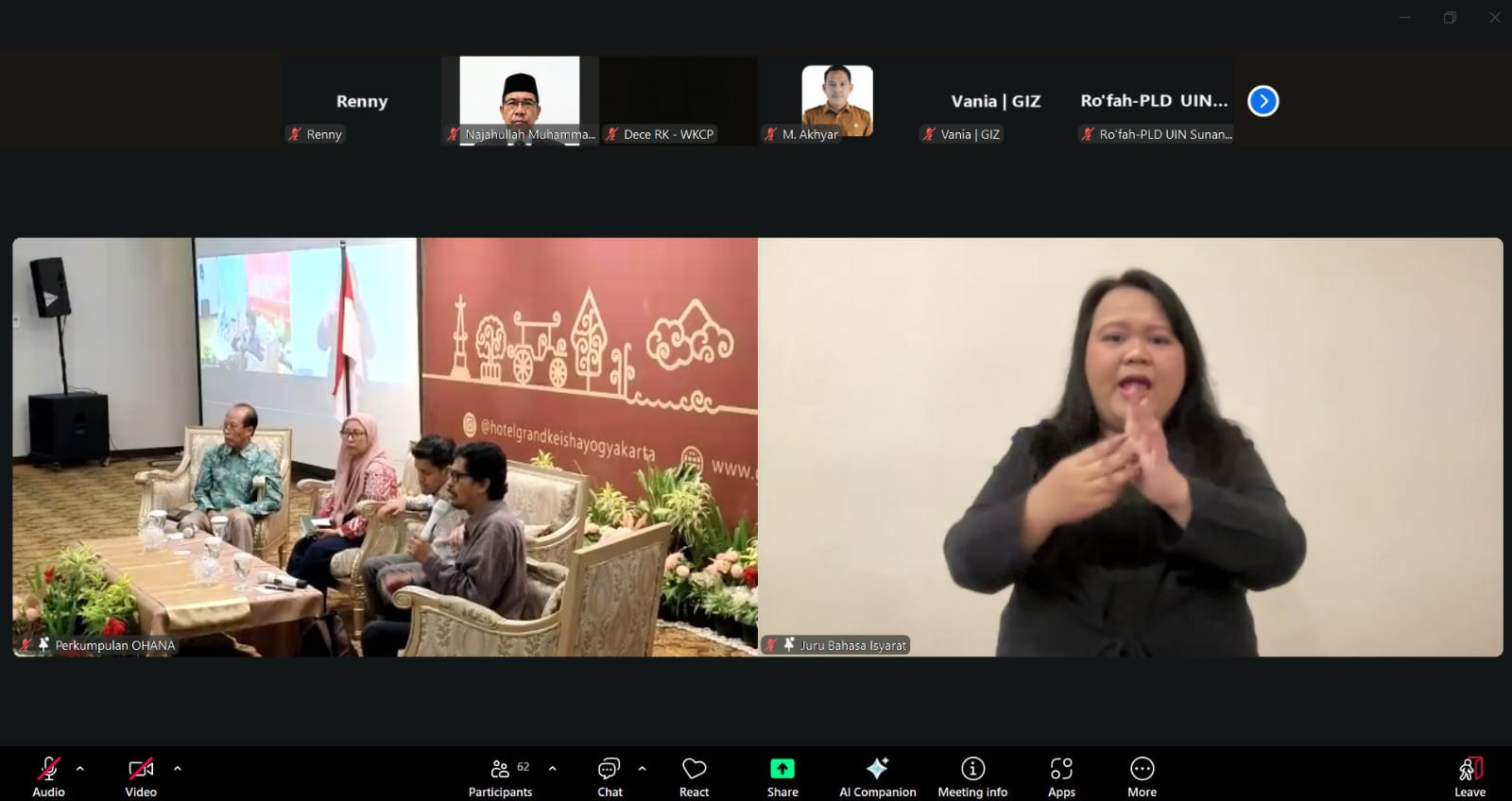
That finding was important during an online and offline discussion entitled “Budgeting Policy Projection with a Perspective on People with Disability and Other Vulnerable Groups towards Achievement of SDGs 2030 in Indonesia” organised by Perkumpulan OHANA Indonesia on Thursday (27/8). The Forum invited official from the National Development Plan/National Planning Authority, academic from Gadjah Mada University, CELIOS, Nalar Institute, and civil society organisations including INFID.
The People Score Card Report (PSC) 2025 presented during the discussion showed the average achievement in Indonesia compared to the SDGs target, which was a mere 13.72%, or a very slow progress category. Of 17 SDG objectives, none had achieved a good progress category.
The executive director of INFID, Siti Khoriun Ni’Mah explained that the highest achievement was in health sector (25.56%), education (24.28%), gender equality (21.79%), and management of climate change (21.33%). Yet, two objectives directly related to vulnerable groups were at the lowest end – poverty eradication (7.36%) and reduction in inequality (10.08%).
Siti explained that it was not simply budget limit that was responsible for such low achievement, but also the State point of view that placed the needs of people with disability as an issue of compassion, not fulfilment of human rights. She revealed the narrowing national fiscal room as a result of increasing foreign debt which absorbed 37% of national budget between 2025 and 2026. This situation led to decreasing social protection budget from 17% in 2021 to 13% in 2026.
In addition, the State income structure remained dependent on aggressive Value-Added Tax that gave extra burden to the citizens. Siti was also critical of the lack of recognition to extra cost of living amongst people with disability, including the application of import tax for assistive devices purchased independently. “Disability could not be continually treated as a charity issue. Public budget had to be in place with a perspective on human rights and meaningful participation,” she highlighted.
Form the government point of view, the Monitoring and Evaluation Manager of the National Secretariat for SDGs within the National Development Planning/National Planning Authority (Kementerian PPN/Bappenas) explained that Indonesia had integrated 299 SDG indicators into Long-term National Development Plan2045 and a number of national and sub-national action plans. Evaluation of 244 indicators in 2024 showed that 62.7% indicators had been achieved, 13.5% was almost achieved, and 23.8% had not been achieved. The legal and governance framework was the sector with highest failure level at 32%. Overall, Indonesian achievement towards the 2030 objectives were at 43%.
Gantjang acknowledged that one major barrier was data limitation, particularly disaggregated data on disability. Survey budget limitation with the National Bureau of Statistic (BPS) led to the implementation of specific questionnaire on disability to be sub-optimum. “We continually urge integration of disability indicator(s) into the basic survey and to strengthen collaborative inter-sector reporting so that data by-name and address could be available,” he said.
The CELIOS China and Middle East Desk Director, Dr. Muhammad Zulfikar Rakhmat also talked about the fiscal issue. He argued that the structure of the Indonesian economy remained dependent on extractive sector, while the contribution of very high-income earners remained little. Zulfikar argued that this condition limited State’s ability to broaden social spending, including for d. CELIOS proposed a wealth tax for 50 richest Indonesians as an alternative to broaden fiscal room. He predicted that the policy potentially garnered economic supports for around 6.1 million vulnerable groups and people with disability. Beyond fiscal reform, he also promoted government paradigm change from the medical model to the social model with regards to people with disability.
Meanwhile, the Executive Director of Nalar Institute, Dr. Dimas Wisnu Adrianto explained a number of inequalities which people with disability experienced. Extreme poverty level amongst people with disability was at 8.2%, higher than the number for people without disability - at 5.5%. The inequality was also evident in access to government programs. The recipients of Family Hope Program or Program Keluarga Harapan (PKH) amongst people with disability was only 0.5%, far below the number for people without disability at 4.2%. Access to Smart Indonesia Program or Program Indonesia Pintar (PIP) was also low at 11.8%, while non-disability group reached 32.1%.
In employment, participation level of people with disability was at 44.6%, while non-disability people reached 70%. The dropout level aged between 13 and 15 years old reached 31.7%, which was three times that of non-disability children.
Using foresight approach and Ashby’s Law of Requisite Variety, Dimas argued that uniform policies would not be able to fulfil people’s varied needs. He also criticised the large budget allocation for Free-Nutritious Meal Program at Rp335 trillion, which was essentially a reactive program that did not involve sub-national governments optimally. On the other hand, the decreased transfer to sub-national level led disability programs in vulnerable areas to be the target of cut as it was not designated as essential expenditure category. The agency recommended a floor budget for social protection, so that it was not so easy to reduce the budget for vulnerable groups when the fiscal pressure increased.
The head of Disability Service Unit at Gadjah Mada University, Dr. Wuri Handayani focused on the issue of inclusive education. She explained that the participation of people with disability in universities was only 6%, far below the number for non-disability people at 24%. The number of people with disability who finished their study was also very low at 3.93%. Of more than 4,000 universities in Indonesia, only 156 campuses or less than 4% had Disability Service Unit.
Wuri argued that one key issue was the mismatch between campus planning document and the budget nomenclature. In many universities, Disability Service Units were placed under the health bureau so decision making and budgeting were limited. As a solution, she recommended the implementation of Disability Budget Tagging – a system of budgeting that identified expenditure on disability in four categories, from direct budget, inclusive budget, accessibility budget, and budget to potentially support people with disability.
In the discussion session, participants raised a number of questions that showed that the challenge to policy implementation remained very significant. A participant questioned the transparency in disability budget realisation as per Government regulation No. 7 Year 2019 and District Action Plan on Disability. In response, Wuri suggested that often it was already articulated in the planning document, but people with disability had not fully felt the benefits.
Another question focused on schools to accept students with disability. Wuri explained that the sub-national governments had the obligation to set up Disability Service Units or Disability and Inclusion Service Units to supervise inclusive schools, be they elementary, junior and high schools. The issue about funding sustainability for the reproductive health and HIV services for people with disability after international funds were terminated was also discussed. The resource people talked about the importance of finding alternative funding scheme(s) and f strengthening advocacy targeting the government so that those services were available.
In addition, a number of participants emphasised the importance of evaluation of Indonesia’s dependence on global SDG targets so that the latter remained consistent with the constitutional mandate towards Golden Indonesia 2045. They also emphasised the importance of data consolidation through Disability Card, and implementation of the Constitutional Court Decision No. 91/PUU-XVIII/2020 which articulated the importance of meaningfull participation in public policy formulation.
The discussion showed that it was not enough to measure achievement of SDG 2030 through number in the indicators. For people with disability, development success was determined by how far policies, budget, and public services were able to eliminate structural barriers that limited equal access to education, employment, health, and life. Without changes in fiscal governance, data system, and policy perspectives based on human rights, the goal of No One Left Behind risked being a slogan without being fully realised. (Renny Talitha Candra)