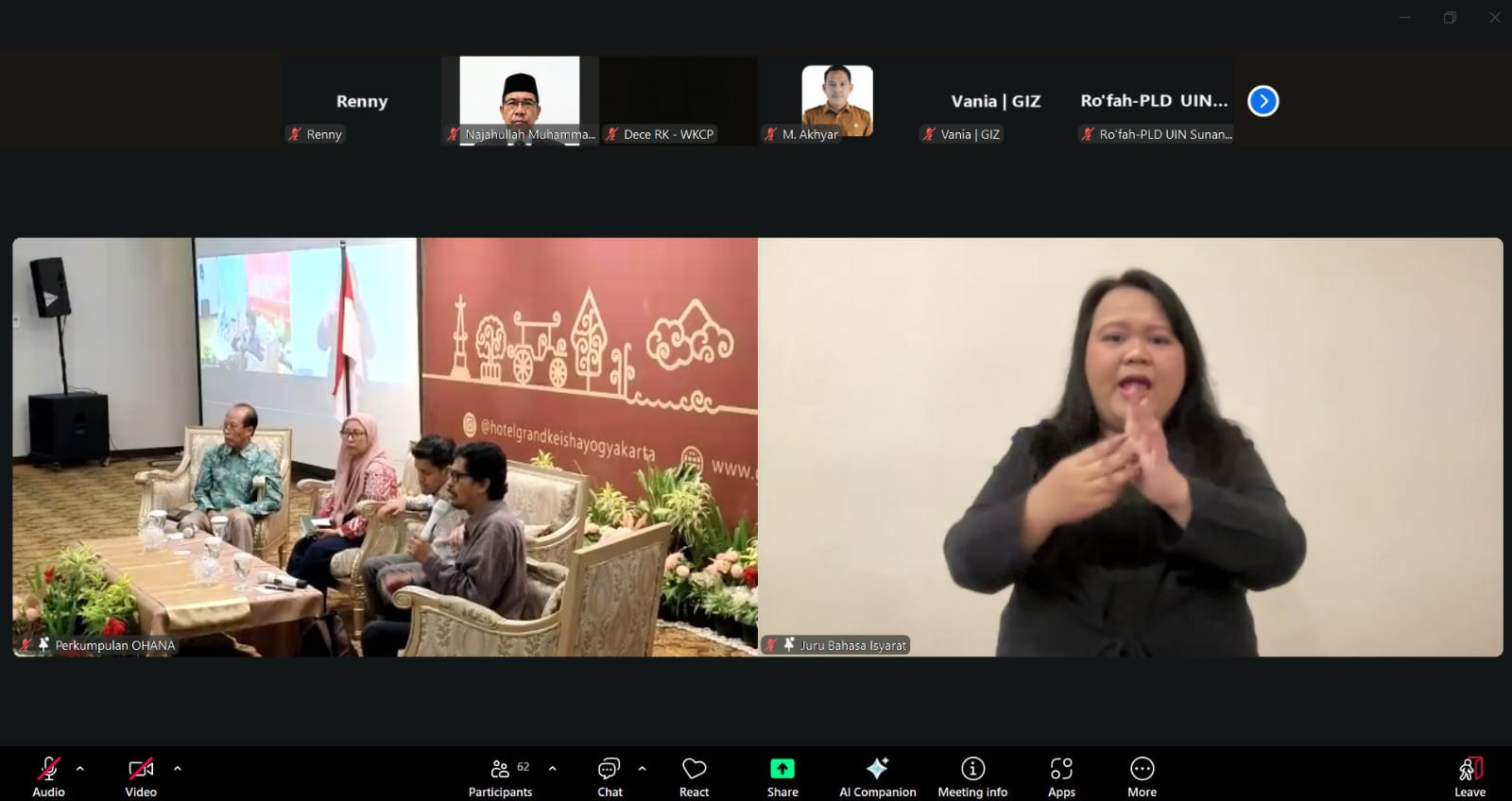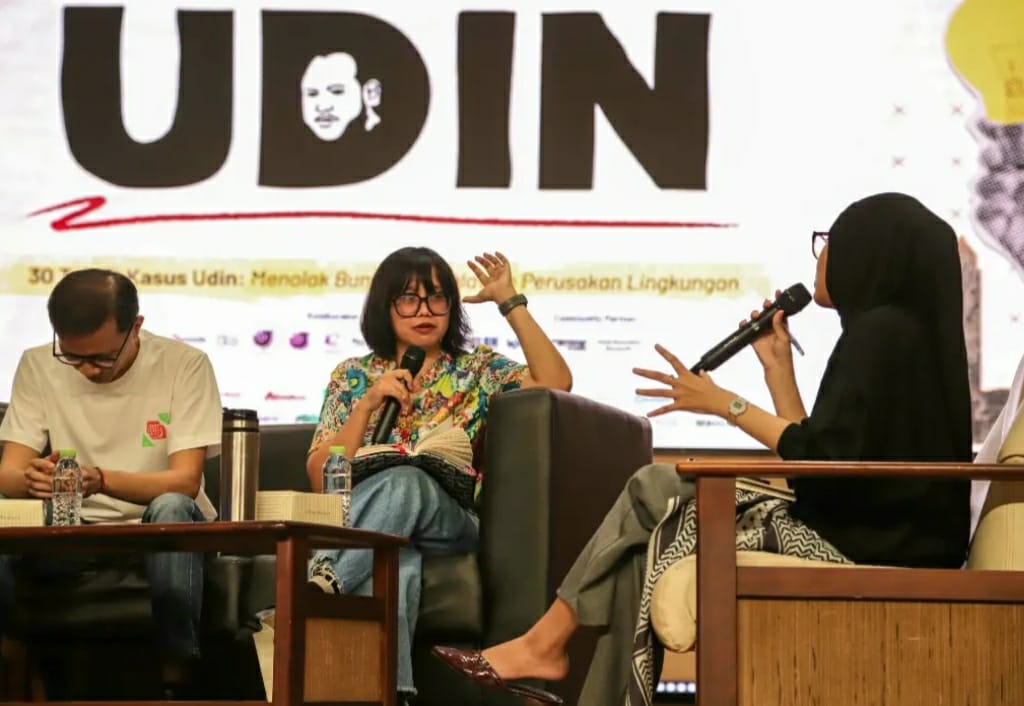



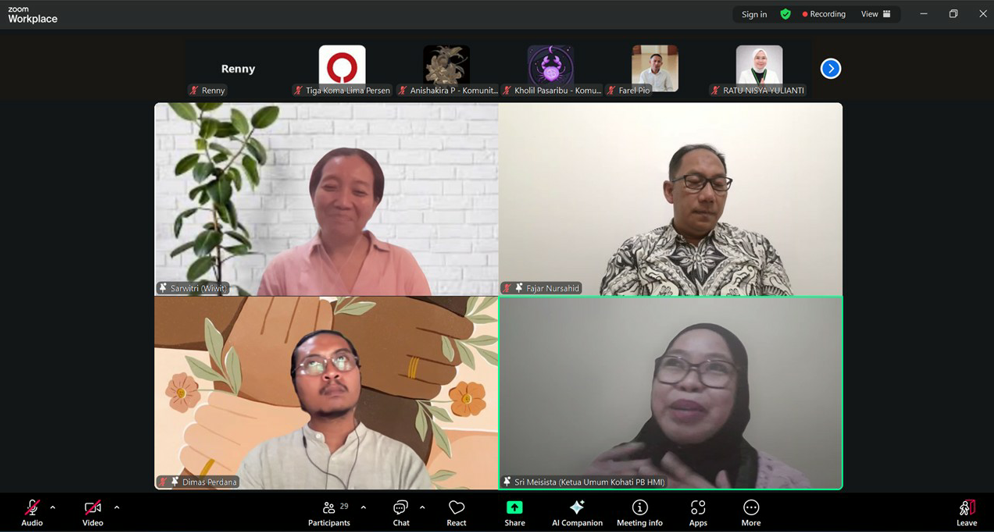

The term "Londo Ireng" aimed at civil society organisations and NGOs once again drew people’s attention. This was not simply a diction choice, the term potentially narrowed democratic space and public trust of organisations that had accompanied people. The issue was a major topic of webinar on "NGO Stigmanisation versus contribution" organised by Komunitas TIKOLI via Zoom, on Thursday Kamis (30/7). The discussion invited the Editor in-chief of Jurnal Prisma and social sector researcher, Fajar Nur Sahid, the Head of PB HMI Sri Meisista, Dimas R. Perdana from CEA Indonesia, with Sarwitri as moderator.
In opening the discussion, Fajar Nur Sahid reminded that civil society organisations had made great contribution to development. They did this by accompanying people in issues such as the environment, human rights, education, women empowerment, and protection of vulnerable groups. For that reason, labelling them as "londo ireng" or "foreign agents" hid the real work they had been doing. "What is needed is not to attach labels, but to give greater just spaces for civil society to work and collaborate with the State," he said. Fajar also saw that collaborative approach through pentahelix concept (that involved the government, civil societies, academics, business sectors, and media) was more relevant in answering questions that this country faced rather than using divisive narratives.
Dimas R. Perdanaproposed a similar view. He mentioned that civil society organisations were the movers of development who were present in areas where the State could not reach. Thousands of professional workers and volunteers accompanied people on daily basis without using any State budget. Yet for Dimas, those accompanying local people felt the stigmas most. When communities saw them with suspicious eyes, the relationship developed over the years with the communities could be affected. "The most impacted are colleagues who work directly with the communities. Trust developed over the years would be wiped out because of one stigma," he said.
Meanwhile, Sri Meisista highlighted that democracy would not be healthy without room for criticism. She reminded that thousands of civil society organisations were established out of community needs, through accompaniment of peasants, fishing communities, people with disability, victims of violence, and the struggle for education access. If an organisation was found to violate the law, then that organisation had to be correct its behaviour/actions and governance, and not generalising that all civil society organisations were bad. "Do not judge the entire group because of one small mistake. Criticism are ok, but do not change them into stigmas," she argued.
Discussion also provided reflective space for civil societies. Khoiril said that civil society organisations faced internal challenges, from organisational conflicts, competition for funding, to weak consolidation. Internal consolidation was critical so that civil society could become stronger and trustworthy in public eyes.
On the other hand, Merliwarda saw the narrative about "Londo Ireng" was part of political rhetoric. Yet, she saw that the label reminded civil society organisations that they had to be vigilant in order to maintain their integrity, transparency, and community trusts through real work.
In closing, resource people agreed that no one could answer the challenge on their own. Consolidation of inter-organisation solidarity, cross-issue collaboration, legal aid networks, and data- and fact-based advocacy were critical to maintain civil space. For civil society organisations, a healthy democracy not only necessitated a strong government, but also free civil societies who could speak and offered criticism, who were protected, and who were seen as strategic partners in development. When civil spaces narrowed, what was at stake was not only the continuity of civil society organisations, but the quality of democracy itself. (Renny Talitha Candra)