


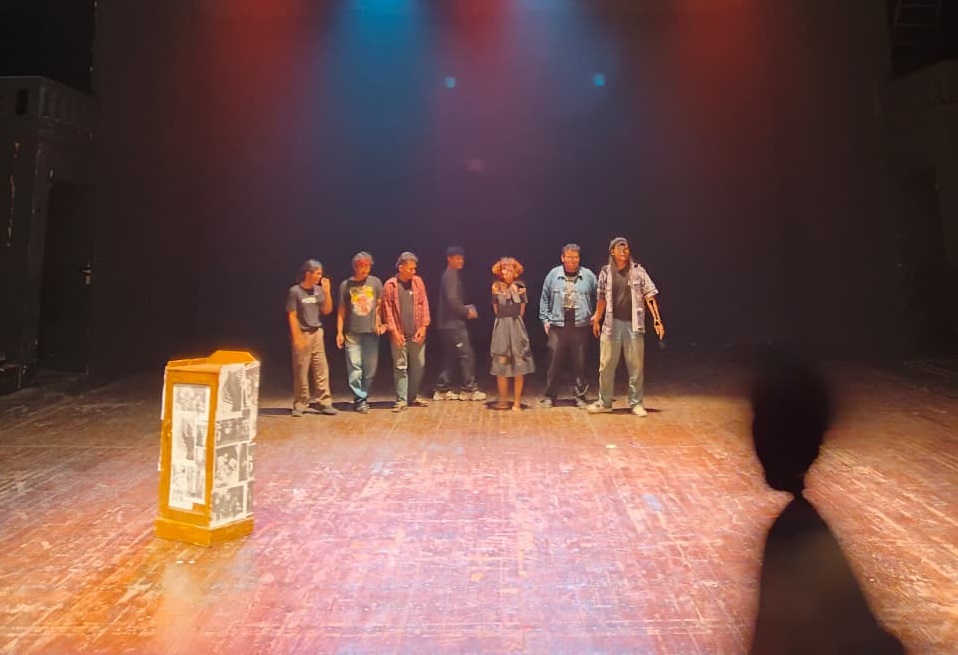

The stage lights were on. A woman stood in front of the audience. She was getting dressed, put lipstick on her lips, then asked for the “honourable spectators” whether her appearance that night was seductive enough.
Her name was Vivienne.
She was a Dutch-Javanese descendant living with two identities. On one hand, there was her father, a waterstaat engineer from a rich family. On the other hand, there was her mother, a Javanese woman who became a “nyai.” She grew in a house where two worlds met: colonial and Java. But that night, Vivienne was not telling a story only about herself. She was revealing a historical trauma.
In the "Bersiap" (Be Ready) monologue, Vivienne remembered a time when the Indonesia just proclaimed its independence. Her family welcomed the Republic with enthusiasm. Their house became a place where people gathered and consolidated the Republic movement.
Independence, for this family, initially offered a hope. Yet, that hope immediately changed into fear. At “Bersiap” period, Vivienne’s family was the target of violence. Her father was murdered, her mother experienced sexual violence. Vivienne hid herself and was found by an old woman whom she called Cece. That experience taught her survival.
Her name was Vivienne.
She was a Dutch-Javanese descendant living with two identities. On one hand, there was her father, a waterstaat engineer from a rich family. On the other hand, there was her mother, a Javanese woman who became a “nyai.” She grew in a house where two worlds met: colonial and Java. But that night, Vivienne was not telling a story only about herself. She was revealing a historical trauma.
In the "Bersiap" (Be Ready) monologue, Vivienne remembered a time when the Indonesia just proclaimed its independence. Her family welcomed the Republic with enthusiasm. Their house became a place where people gathered and consolidated the Republic movement.
Independence, for this family, initially offered a hope. Yet, that hope immediately changed into fear. At “Bersiap” period, Vivienne’s family was the target of violence. Her father was murdered, her mother experienced sexual violence. Vivienne hid herself and was found by an old woman whom she called Cece. That experience taught her survival.
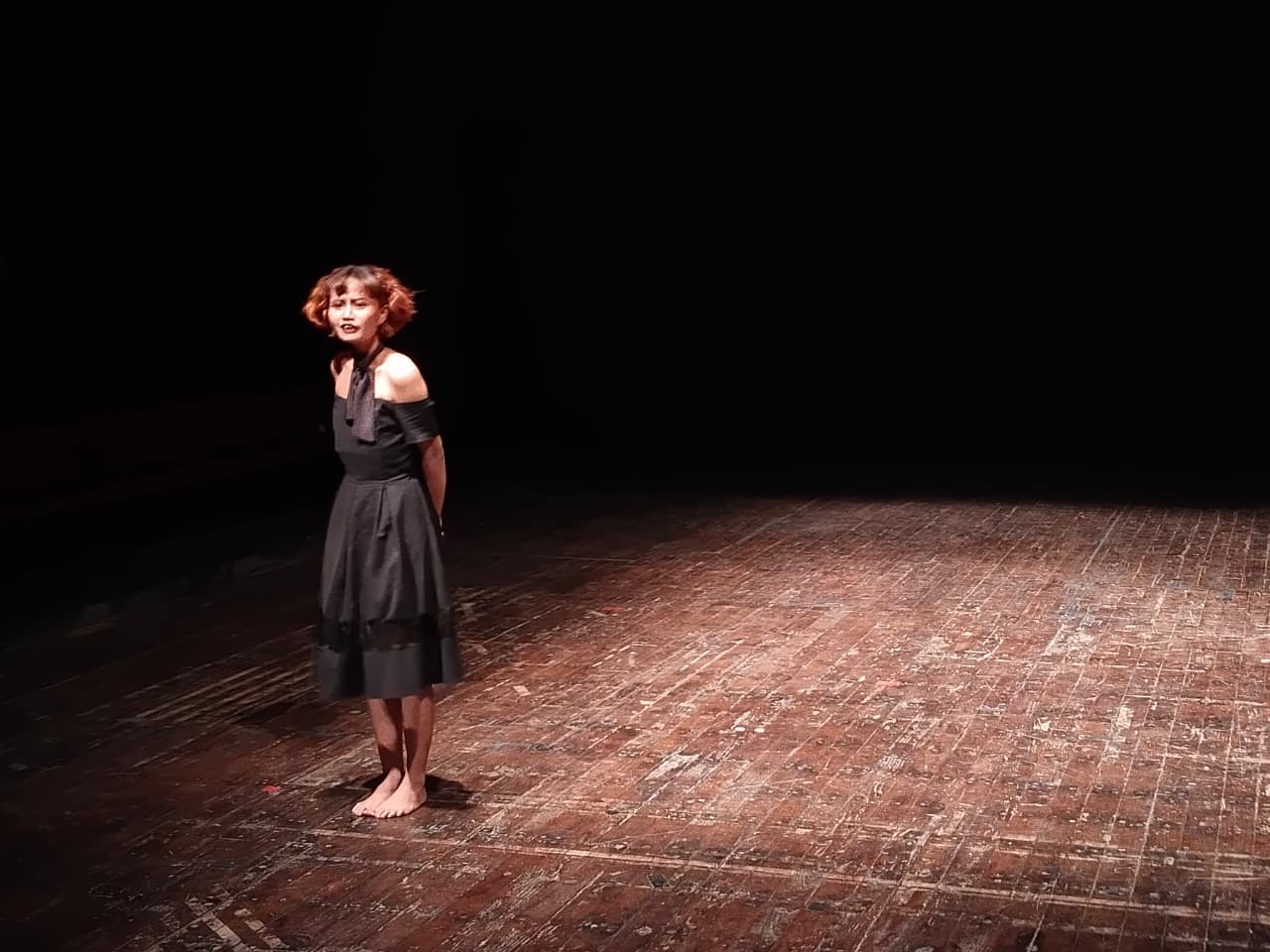
Fifteen years later, Vivienne returned to the home where her family used to live. That place had transformed into a hotel. She came not as the child of the owner of the house, but as a woman looking for a job as a sex worker. Her arrival coincided with the fifteen-years’ celebration of the incident that destroyed her family.
The memory that was buried deep inside her suddenly appeared. There came Yeya. For Yeya, Vivienne was not the role prepared initially for her. The actor who initially prepared to take that role could not come. The offer then went to her. Yeya accepted.
The memory that was buried deep inside her suddenly appeared. There came Yeya. For Yeya, Vivienne was not the role prepared initially for her. The actor who initially prepared to take that role could not come. The offer then went to her. Yeya accepted.
It was not because she was fully prepared, but because she liked the challenge. She learned to play in theatres. Yet, one thing she never learned: monologue.
“From the beginning when I read the script until I played the role, I was so enthusiastic,” she said.
In the monologue, an actor did not have a place to hide. There was no other actor who could take over the dialogue when she lost her focus. There was no other actor around to match the energy. The whole story depended on one person.
Yeya had to be Vivienne and brought Vivienne;s whole world to the stage. There was a fragmented identity. There was loss. There was fear. There was anger. There was a question about nationalism. There was a woman feeling loneliness who survived violence but who could never leave her part behind. For Yeya, that challenge was truly interesting.
She was with a group called Kelompok Bermain Bakat – a theatre group that had the spirit that matched its name – Spirit. Playing in a theatre made the rehearsal process no longer a burden.
She could try something she never knew she could do.
“She never felt under pressure. I was happy and I explored everything I never knew I could be doing before,” said Yeya.
But her body needed to work hard. One critical thing in a monologue was a wardrobe. That wardrobe was where Vivienne hid when her house was attacked. In the scene, Yeya had to enter the wardrobe, hide, and once in a while peek, and drag the wardrobe with her body.
“From the beginning when I read the script until I played the role, I was so enthusiastic,” she said.
In the monologue, an actor did not have a place to hide. There was no other actor who could take over the dialogue when she lost her focus. There was no other actor around to match the energy. The whole story depended on one person.
Yeya had to be Vivienne and brought Vivienne;s whole world to the stage. There was a fragmented identity. There was loss. There was fear. There was anger. There was a question about nationalism. There was a woman feeling loneliness who survived violence but who could never leave her part behind. For Yeya, that challenge was truly interesting.
She was with a group called Kelompok Bermain Bakat – a theatre group that had the spirit that matched its name – Spirit. Playing in a theatre made the rehearsal process no longer a burden.
She could try something she never knew she could do.
“She never felt under pressure. I was happy and I explored everything I never knew I could be doing before,” said Yeya.
But her body needed to work hard. One critical thing in a monologue was a wardrobe. That wardrobe was where Vivienne hid when her house was attacked. In the scene, Yeya had to enter the wardrobe, hide, and once in a while peek, and drag the wardrobe with her body.
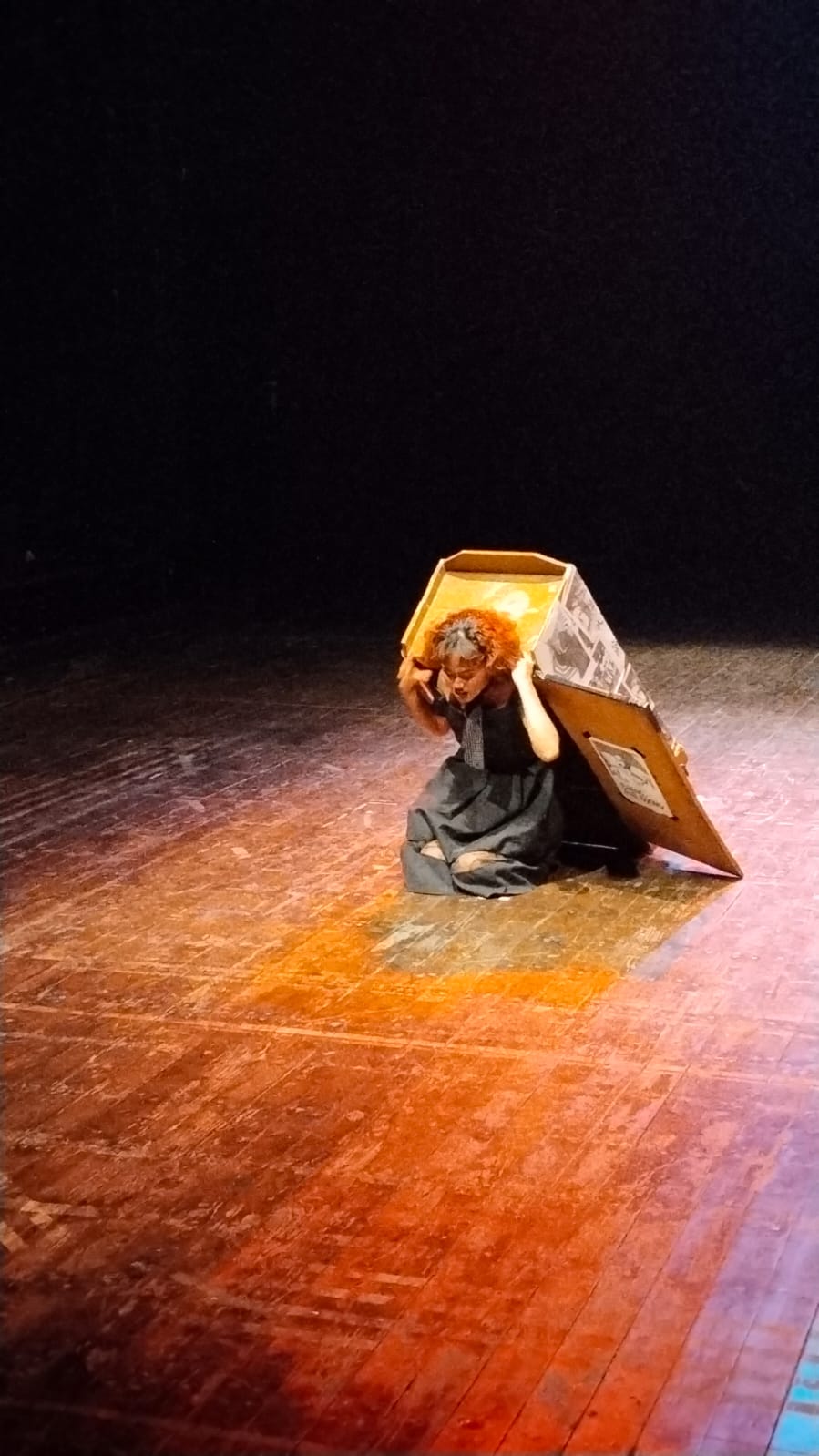
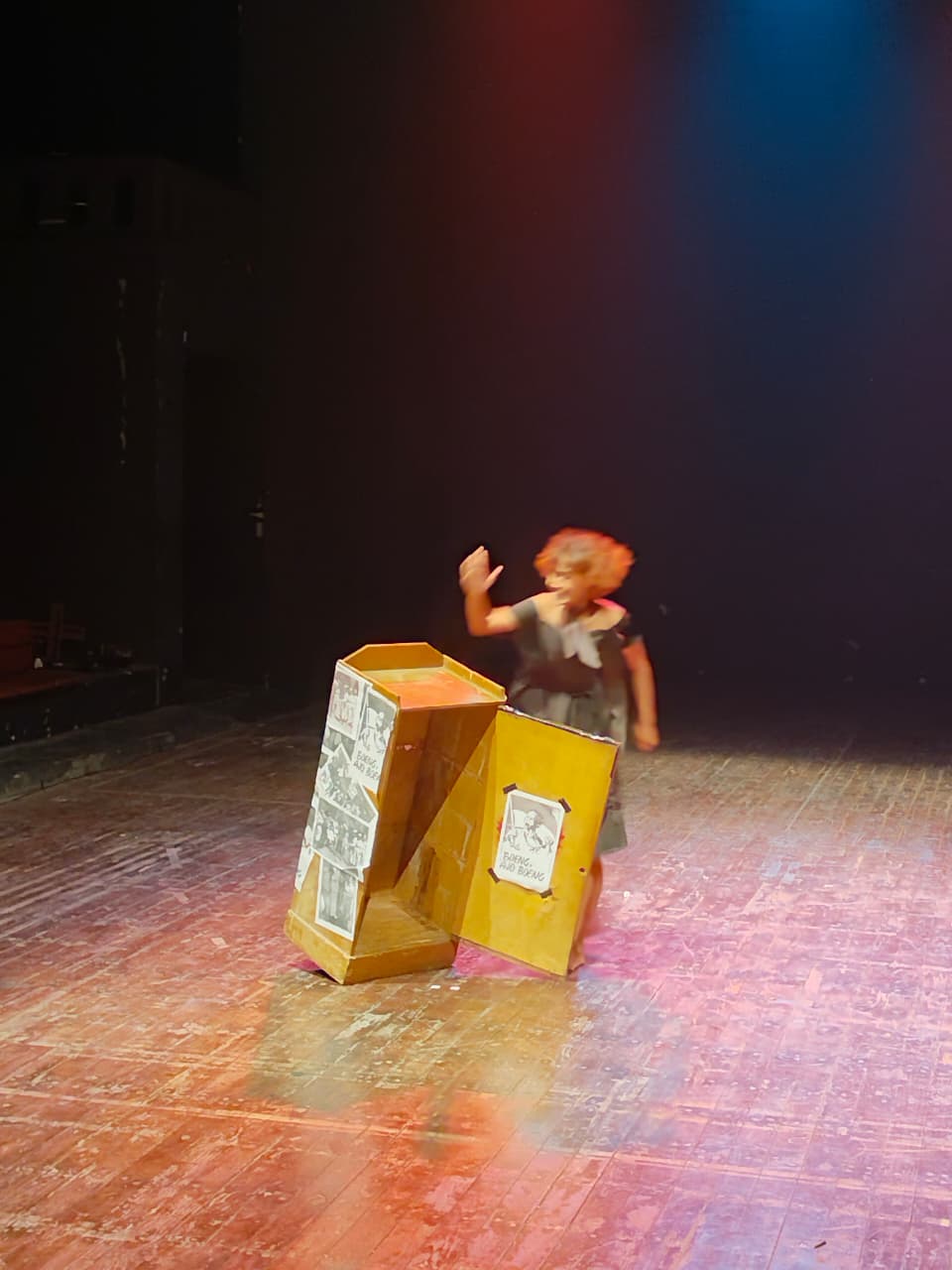
The problem was that the wardrobe arrived just two days before the performance. During rehearsal, Yeya only had an imaginary wardrobe. She often used a chair to imagine how the wardrobe looked like. Her body had to adjust with what was not really there. When the wardrobe arrived, The problem seemed to get more complex.
“the wardrobe stank,” she explained with a big laugh. But behind that joke, there was a quite serious technical issue. She had to figure out how she could enter the tiny space of the wardrobe, how she moved without losing her temper, and how to portray Vivienne’s fear when her own body was dealing with the stage property.
That wardrobe was an important symbol in the performance. There, Vivienne hid from the world.
There, a girl tried to save her life when adults around her could not give her protection. For Yeya, playing that scene was not simply remembering the movement.
She had to understand the fear of a girl who lost her house and family. The history then entered her body. That was one new experience she got from the monologue.
Yeya used to play theatre in campus environment. Regular theatre activities happened regularly every year, particularly during new student inception. In her experience, she saw that people only wanted to become actors, stand in front of audience and get the audience attention.
But theatre, to her, was much bigger than that. People were working behind the scene. People were tasked with organising the property. There were also people managing the stage. There were people making sure that the performance went well. Not all of these people were visible to the audience. "This is not simply about the actor,” she highlighted.
Her experience playing Vivienne character solidified that view. Although Yeya was the only person standing in front of the audience, she never played alone. Other people were rehearsing with her. Groups were giving her the space to explore. There was the director who expanded her role. There were crew members who worked silently.
There was also a three-week process that took her from being a spectator to a person doing the monologue. Perhaps because of that, Yeya did not see the experience as final when the show ended.
If somebody offered her to play Vivienne again or to develop the monologue, she would certainly say yes. For Yeya, the stage opened new opportunities.
She found that she could do something that she had never tried before. Meanwhile Vivienne, the main character, remained with questions that were never easy to answer.
Who had the right to be called Javanese. Who had the right to be called Indonesians. What was nationalism that promised to protect but at certain moment left trauma.
Vivienne asked whether someone with a brown skin and dark hair automatically was more Javanese than someone with pale skin and blonde hair. She asked whether Identity could only be determined by blood. That question did not stop with history.
It arrived on stage, then moved to the audience. Yeya only served as the body to express that question.
At the end of the monologue, Vivienne became a lonely woman again. She asked all “honourable spectators” to not leave. In that crowd, she was still standing. The stage lights were off. Yet Vivienne’s questions lingered on.
The monologue "Bersiap" (to be ready) was written by DS. Aji, for the monologue competition for the Emparty Event between 3 and 10 August 2026. He stated that the simplest central message of the monologue was Vivienne who was a symbol of people between two identities. She welcomed the Indonesian Independence, but was a victim of violence in the revolution process and lost her house because of nationalism. Through Vivienne, the script asked whether the independence truly applied to everyone, and whether blood and skin colour were the criteria to be Indonesian or whether a sense of ownership, understanding, and living in unity were the key. (Ast)
“the wardrobe stank,” she explained with a big laugh. But behind that joke, there was a quite serious technical issue. She had to figure out how she could enter the tiny space of the wardrobe, how she moved without losing her temper, and how to portray Vivienne’s fear when her own body was dealing with the stage property.
That wardrobe was an important symbol in the performance. There, Vivienne hid from the world.
There, a girl tried to save her life when adults around her could not give her protection. For Yeya, playing that scene was not simply remembering the movement.
She had to understand the fear of a girl who lost her house and family. The history then entered her body. That was one new experience she got from the monologue.
Yeya used to play theatre in campus environment. Regular theatre activities happened regularly every year, particularly during new student inception. In her experience, she saw that people only wanted to become actors, stand in front of audience and get the audience attention.
But theatre, to her, was much bigger than that. People were working behind the scene. People were tasked with organising the property. There were also people managing the stage. There were people making sure that the performance went well. Not all of these people were visible to the audience. "This is not simply about the actor,” she highlighted.
Her experience playing Vivienne character solidified that view. Although Yeya was the only person standing in front of the audience, she never played alone. Other people were rehearsing with her. Groups were giving her the space to explore. There was the director who expanded her role. There were crew members who worked silently.
There was also a three-week process that took her from being a spectator to a person doing the monologue. Perhaps because of that, Yeya did not see the experience as final when the show ended.
If somebody offered her to play Vivienne again or to develop the monologue, she would certainly say yes. For Yeya, the stage opened new opportunities.
She found that she could do something that she had never tried before. Meanwhile Vivienne, the main character, remained with questions that were never easy to answer.
Who had the right to be called Javanese. Who had the right to be called Indonesians. What was nationalism that promised to protect but at certain moment left trauma.
Vivienne asked whether someone with a brown skin and dark hair automatically was more Javanese than someone with pale skin and blonde hair. She asked whether Identity could only be determined by blood. That question did not stop with history.
It arrived on stage, then moved to the audience. Yeya only served as the body to express that question.
At the end of the monologue, Vivienne became a lonely woman again. She asked all “honourable spectators” to not leave. In that crowd, she was still standing. The stage lights were off. Yet Vivienne’s questions lingered on.
The monologue "Bersiap" (to be ready) was written by DS. Aji, for the monologue competition for the Emparty Event between 3 and 10 August 2026. He stated that the simplest central message of the monologue was Vivienne who was a symbol of people between two identities. She welcomed the Indonesian Independence, but was a victim of violence in the revolution process and lost her house because of nationalism. Through Vivienne, the script asked whether the independence truly applied to everyone, and whether blood and skin colour were the criteria to be Indonesian or whether a sense of ownership, understanding, and living in unity were the key. (Ast)