




The smokes may not have always been visible. Yet, its trail was everywhere including in schools, highways, public spaces, and places where children and young people grew up.
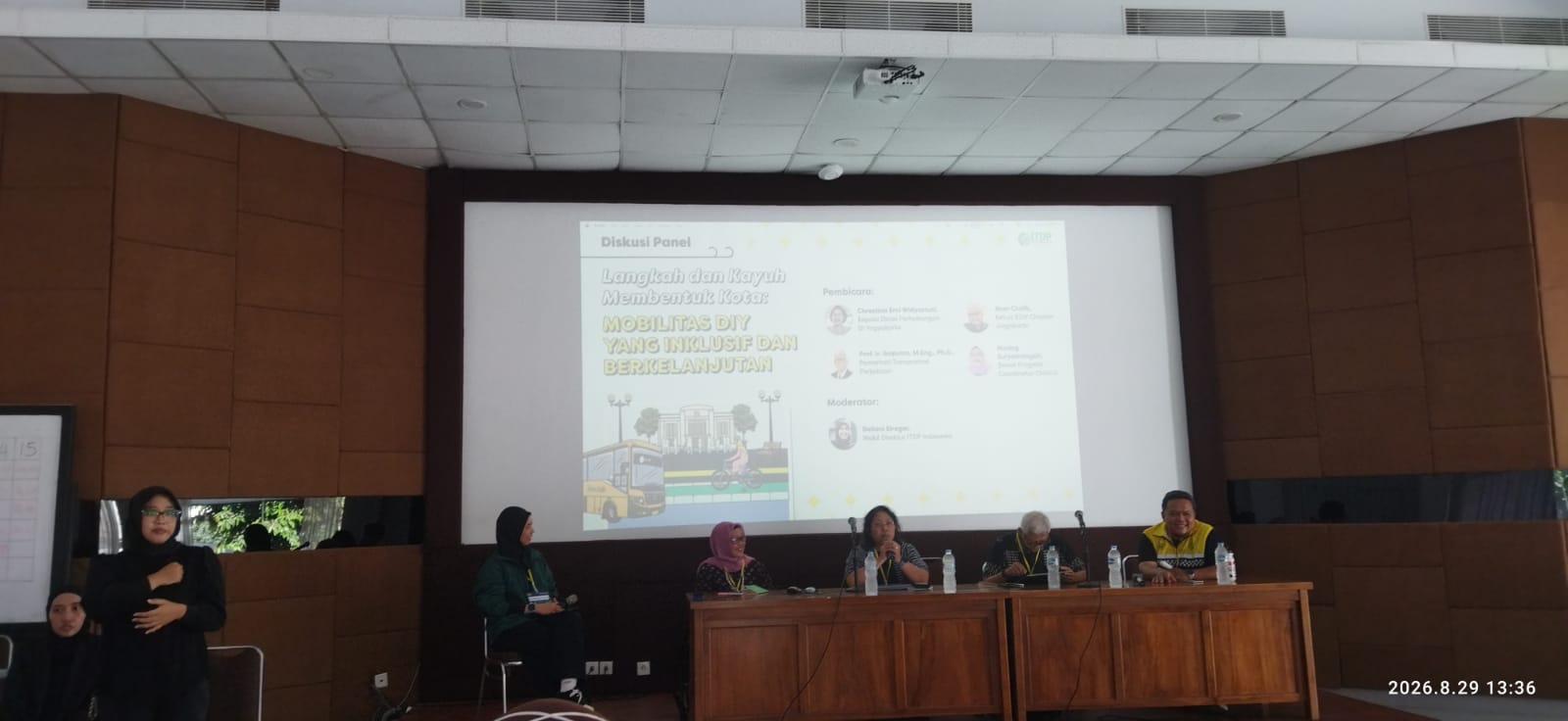
In Yogyakarta, that issue was the theme of a Talkshow session and film presentation “Behind the Tobacco Illusion” or (Di Balik Ilusi Tembakau) at Festival Udin organized by the Independent Journalist Alliance or Aliansi Jurnalis Independen (AJI) at ISI Concert Hall in Yogyakarta, between 13 and 15 August 2026. It was not simple about cigarettes as products, but about how the cigarette industry reached out to young people, how sub-national governments monitor advertisement, and about the life of peasants and workers who depended on tobacco commodity for their livelihood.
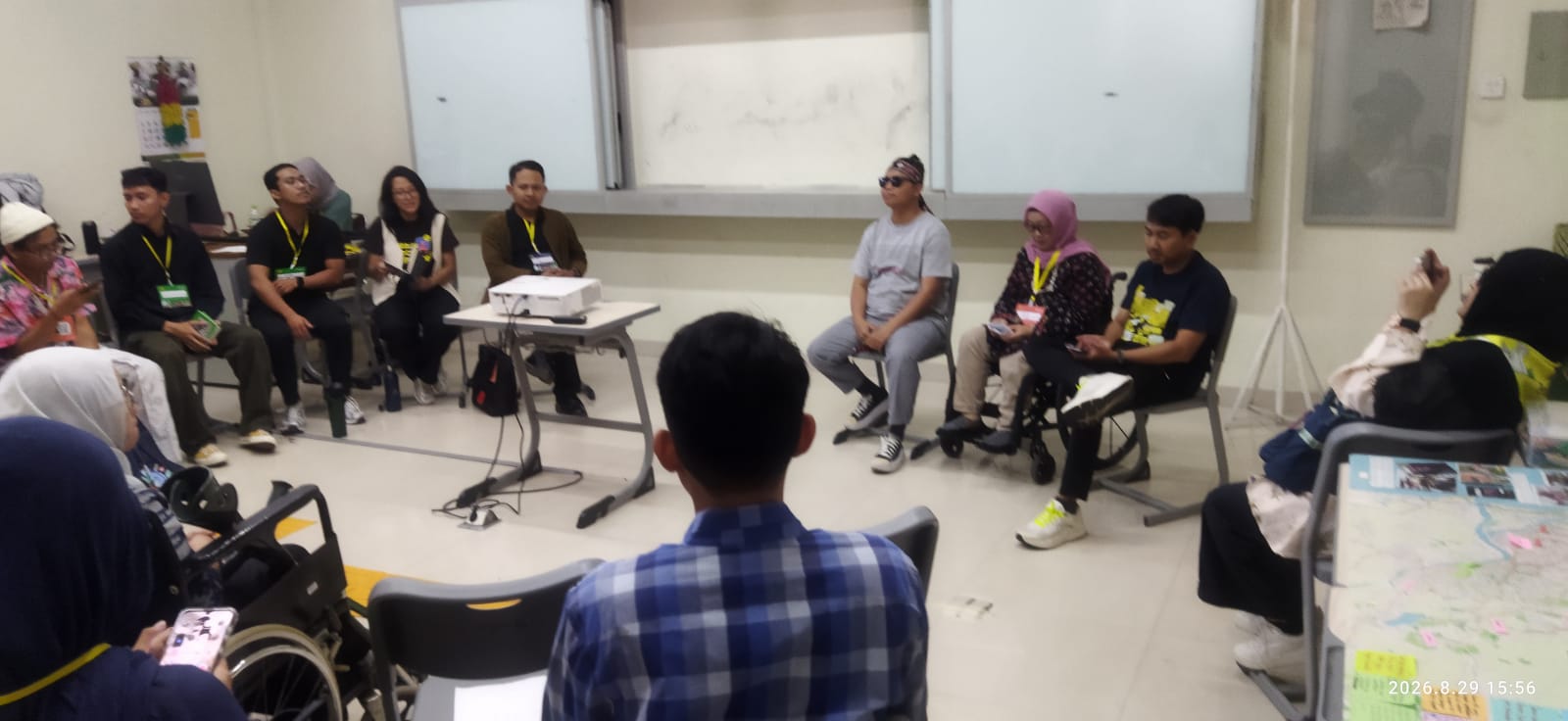
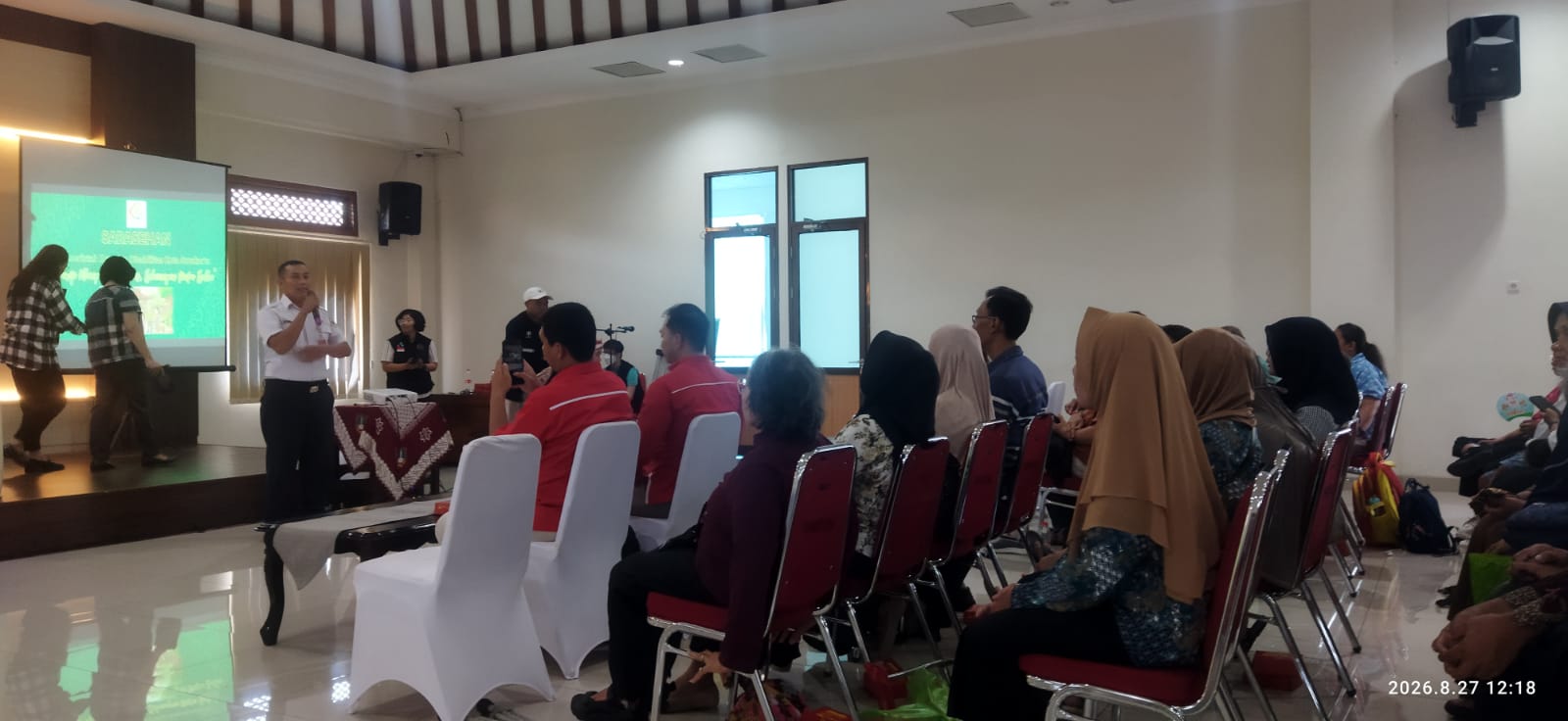
Those questions were critical during a multi-stakeholder discussion. There were government representatives, health personnel, peasants, civil society, and people in general who witnessed cigarette advertisement in public spaces.
One participant pointed to a simple yet real issue. This participant saw cigarette advertisements along Mataram Irrigation Canal or Selokan Mataram, particularly in the vicinity of Gadjah Mada University campus. Those ads created a problem of their own because new students would always pass that area, most of whom were 17 years old or younger.
For this participant, the issue was not simply about the presence of ads, but how the industry used certain tactics to attract the attention of young people. Ads showed a number of different taste alternatives, interesting visual presentation, and selection of the busy location, and they constituted the key issues. The question was directed to the government – who had the authority to monitor and to take actions?
The area around the campus was within the administrative jurisdiction of Sleman District. For this reason, the participant argued that the district government had critical role in ensuring that cigarette-related regulations were observed.
Another issue was employment. People with disability, including people impairment, found it difficult to get a job. In such a situation, job opportunities in cigarette industry were difficult to resist. On one hand, they could not fully support the presence of cigarette industry. On the other hand, the urge for survival led them to apply for jobs at cigarette industry.
That question showed that the cigarette issue was not a stand-alone issue. There was health, economy, employment, policies, and the interests of the industry that overlapped.
Another important issue was the increase in the number of women smokers. Why were women the target of cigarette industry? Academics and resource person from Gadjah Mada University, Prof. Yayi Suryo Prabandari saw that the industry used the idea about equality and modern lifestyle. Smoking was then highlighted as part of lifestyle choice that reflected freedom, confidence, even equality. Yet, the impacts on health remained inherent.
Cigarettes were one risk factor for health. Exposure to cigarette smoke was not limited to smokers, but other people around the smokers. Lifestyle was also critical. Eating pattern, lack of sports activity, stress, and smoking habit were overlapping and were impacting people’s health. For this reason, the issue about cigarette was not limited to the relationship between smokers and the product. The social environment also shaped the habit. And the cigarette industry understood this very well.
Young people were important group because they were in the process of finding their identity. They became potential consumers and group easily influenced by images about lifestyle. For that reason, cigarette ads around school and campus zones were serious issues. On paper, regulation about limit to ads and non-smoking zones were already there. Yet, the implementation was a major issue.
The head of the health office in Yogyakarta City, dr. Lana Unwanah stated during a talkshow moderated by Dipna Videlia that Indonesia had plenty of regulations. The issue was how those regulations were implemented.
At sub-national level, a number of areas had regulations on non-smoking zones. Yet, monitoring of violation faced a number of issues. For example, when a cigarette ad appeared near education facility or playgrounds, who had to take charge of enforcement? Such question showed that there was gap between norms and practices. People did not need to wait for national policies.
In the discussion, the experience in Yogyakarta provided an illustration. Change did not need to wait for national policy. Urban communities already implemented non-smoking zones, which could serve as good examples for other areas. Small changes at community level could spread to other areas.
A resource person said that the process needed time. Yet, slow-moving change showed that people really took actions. The speaker also hoped that the next generation would be able to enjoy a healthy Indonesia.
He may not enjoy the change that would happen in the future. It was possible that the speakers’ grandchildren would be the ones to enjoy the change. That expectation sounded simple, but showed that time was needed for health policy change to kick in. The problem was that the cigarette industry did not stop trying either.
In many areas, cigarette ads were easy to find. The industry had large economic resources to maintain their presence. For that reason, it was not enough for just one regulation to lay the foundation for the actions to establish non-smoking zones. Monitoring, enforcement, education, and sub-national confidence were critical parts.
In the meantime, a peasant Mubarok’s story was very significant. He deliberately chose to stop depending on tobacco and start planting coffee. That decision was by no means easy.
In 2015, he started planting coffee. He looked for a market, built a business, and slowly engaged other peasants. Yet, agriculture was always full of uncertainty. Commodity price could fluctuate. When the price of coffee fell in 2020 and afterwards, new problems appeared. Production costs increased. Workers were difficult to find. Peasants needed an income to survive.
Additionally, it took time for coffee plantation to bear fruit. Peasants who started planting coffee had to wait two to three years before the first harvest. For small-scale peasants, that was a long time to wait. They needed to eat and paid the costs of maintaining the family life while the plants were not producing the harvest. For that reason, he did not advice other peasants to abandon other crops and focused singularly on coffee plantation.
He promoted diversification. When coffee price went down, peasants still had other crops. Chili peppers and other commodities could be temporary sources of income. For him, peasant survival should not be dependent on one commodity. The more choices, the more chances that peasants could survive when the price of one commodity fell.
He then gave seedlings to peasants. By around 2022 to 2024, more peasants started to grow coffee. The process was not quick. Some peasants were hesitant as they had to wait for the plants to bear fruit. Yet, when the fruit was there, some of those peasants started to see the point.
He did not want to just set up a business venture for himself. He wanted to show that peasants could also have choices. Coffee market was becoming more promising as a source of hope. Yet, he chose not to go only after the market. For him, the quality had to be maintained. Transition did not mean leaving jobs behind.
Mubarok’s story showed that commodity change need time to show results. The same applied to people who depended on tobacco industry for a long time. When the government talked about tobacco control, there were other groups that had to be considered - workers.
In a number of tobacco-producing areas, the industry was a source of income for the community. For this reason, it was not enough to simply prohibit or limit for the transition towards more healthy community to happen.
The discussion also touched on the importance of training for workers. Sub-national governments, particularly the employment agency, had role to prepare new skills for workers who wished to switched sectors. The same applied to people with disability.
They needed descent and inclusive work. We should not let those who found it difficult to get a job to end up working in industries that the government was trying to control out of community health consideration.
A representative of a civil society organisation expressed his concern. He argued that Indonesia had plenty of norms. A number of regulations had been enacted. The sub-national governments had the legal basis to regulate non-smoking zones and to limit cigarette ads. The problem lied in implementation. The regulations should simply be documents lying on the shelves because that was not sufficient to protect the people.
When prohibition for cigarette sale applied in certain zone near schools or religious establishments, there had to be monitoring. When ads were prohibited in certain zones, there had to be enforcement when the rules were violated.
He argued that the government had to give an example. The State had to show that health policies were not simply slogans. For that reason, he encouraged the sub-national government to strengthen regulations and to ensure monitoring proceeded. Non-smoking zones needed more than just notice plagues. It necessitated determination to enforce the rules.
In Yogyakarta, changes were already evident. Communities implemented non-smoking zones as examples that policies could begin at community level. Yet, the work was no done yet. Ads were still there. Young became remained the target of the industry. Women smokers kept being targeted. Peasants still faced uncertainty when switching commodity. Workers still needed safe and descent alternative work. There had to be consistent policies, continuous monitoring, education, and supports for the most vulnerable groups. (Ast)