




The high rate of internet penetration in Indonesia was not aligned with the quality of freedom of expression by the community. The digital space faced issues such as disinformation, polarisation, manipulation of opinions, and suppression of criticism through regulation and regulasi dan content removal.
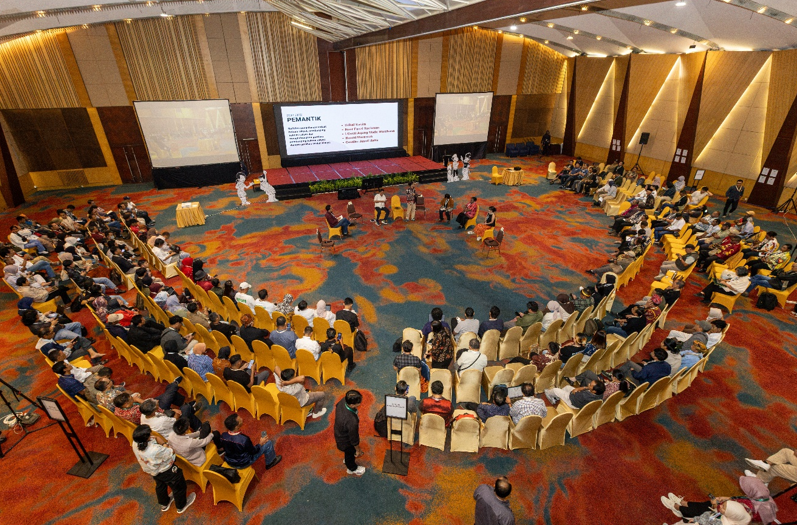
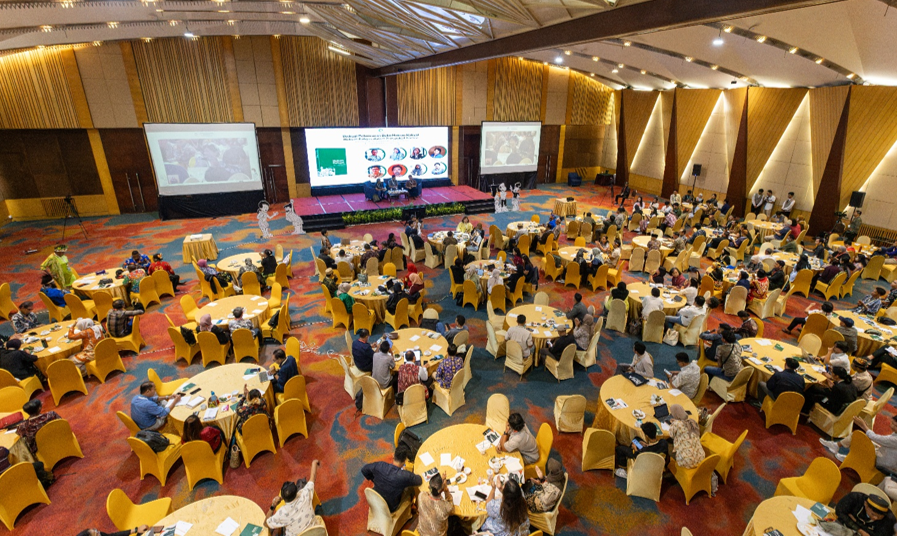
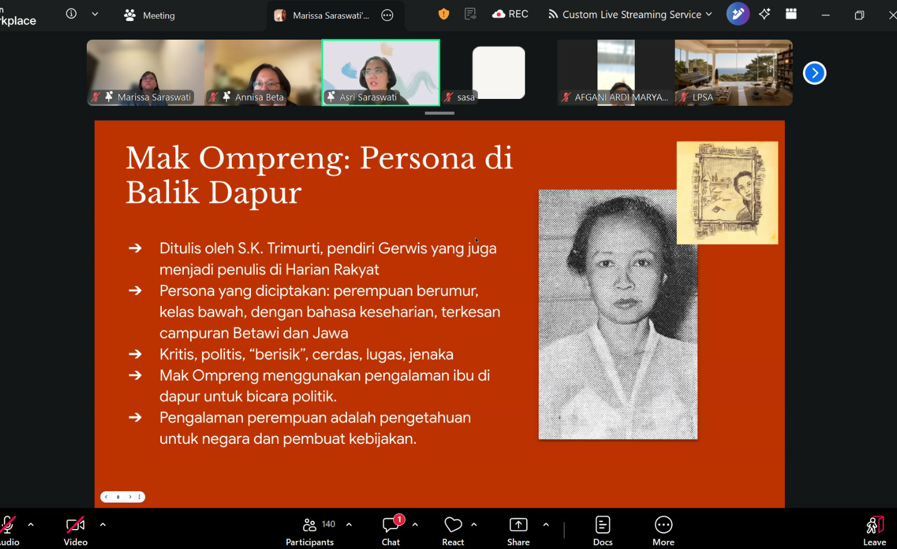
The issue was the topic discussion of Digital Experts Talk 25 entitled “Democracy and Digital Rights: Do We still Have the Freedom of Expression?” organised by Center for Digital Society (CfDS) Universitas Gadjah Mada (UGM), on Wednesday (8/10).
Gadjah Mada University communication lecturer, Pratiwi Utami explained that the digital space in Indonesia was quantitatively busy, but that did not in any way reflect a healthy democratic ecosystem. Freedom of expression remained in the shadow of criminal sanctions, hacking, doxing, and content limitation.
“Freedom of opinion is like a state of conditional release. There is a systemic State’s role through repressive regulation such as the Law on Electronic and Information Transaction and policies allowing content removal without any legal process,” said Pratiwi.
She quoted independent monitoring data from April to August 2026 which showed more than 90% cases of suppression of people’s criticism on the internet requested by the State authority. Such suppression specifically targeted people’s critical views on sensitive issues related to government officials.
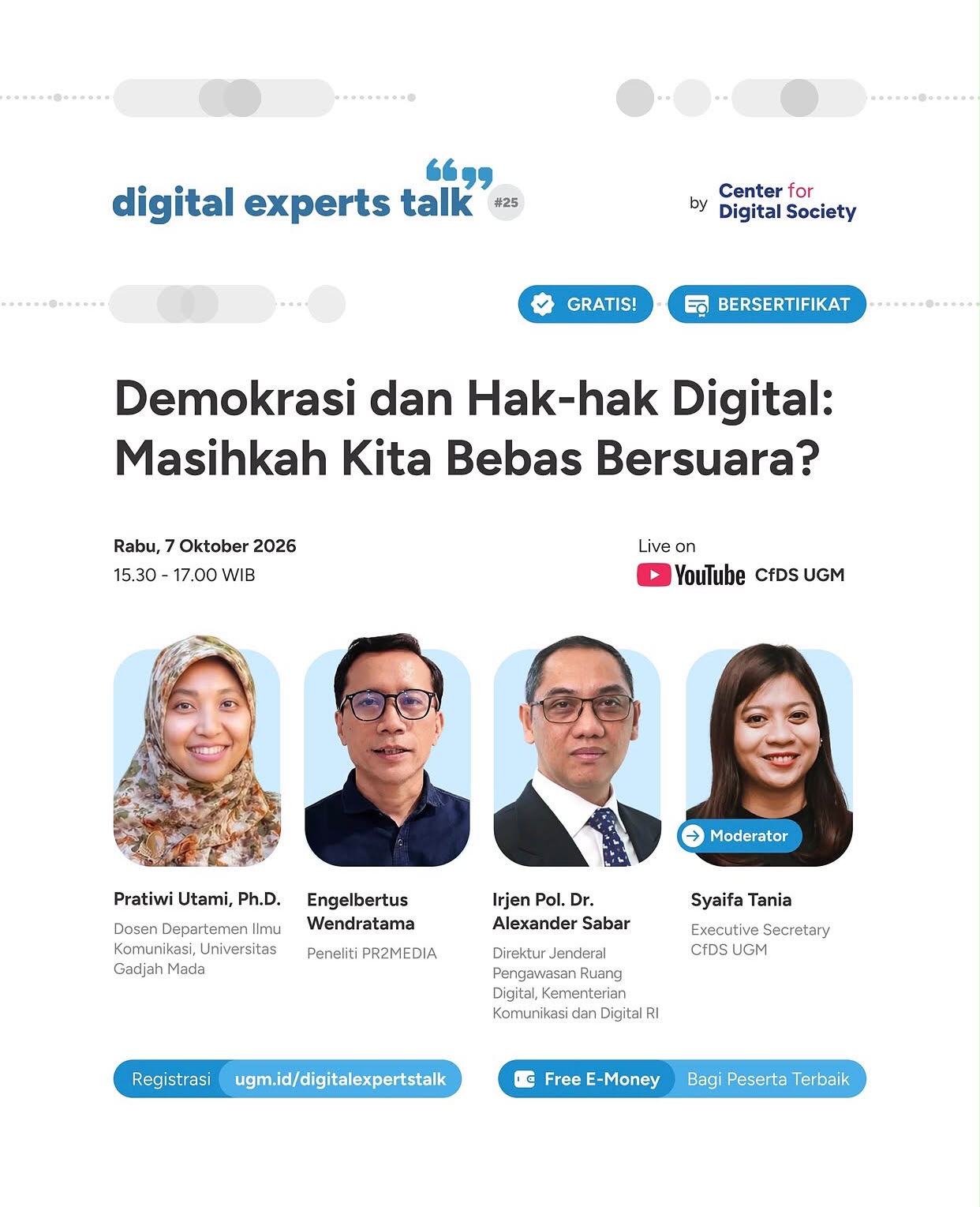
Meanwhile, researcher at PR2 Media, Engelbertus Wendratama criticised the content monitoring approach by the Communication and Digital Ministry or Kementerian Komunikasi dan Digital (Komdigi). Through content-based monitoring approach, the government monitored internet contents and asked digital platforms to take down certain contents on a case-by-case basis.
Wendratama argued that the government had to change the approach by strengthening oversight of the digital platform system and accountability. He gave an example of a systemic approach in European Union, which placed platform risk management as key part of digital space governance.
“The State has to focus on regulating and demanding accountability of big digital platforms, rather than going after the people and putting them to prison,” he emphasised.
In a systemic approach, digital platform had the obligation to mitigate risks associated with system and algorithm, including the dissemination of hoaxes, bot account activity, and coordinated buzzer operations. Platforms not meeting their obligation would get sanctions. Platforms also needed to provide complaint mechanism that allowed users to submit/raise objections for content removal. The process needed to involve human moderator(s) so that decisions did not depend on automated system.
The discussion also focused on legal/statutory interpretation issues and management of hate speech in digital space. Hate speech was often likened to harsh criticism or mockery, despite the differences in characters.
In international standard, hate speech was about attacks on a person’s or a group’s identity, based on race, gender, and religion. For that reason, its handling had to consider context, targets, and characters of the hate speech so that they did not become bases for limiting criticism excessively.
In addition, discussion also touched on the Supreme Court decision in 2025 on libel. State institutions could not hide behind libel article to limit criticism. Public figures also needed to accept broader criticism because their public office inhered accountability to the people.
Another issue worthy of attention was the use of paid cyber army to influence public opinions. This situation meant that the popularity of certain issues in social media could not be used as a measure of quality of democracy.
Social media Algorithm tended to strengthen interesting contents and trigger tensions amongst users. As a result, buzzing issues did not necessarily reflect people’s views fully. Digital conversation could also be influenced by automatic account, coordinated campaign, and information manipulation.
For that reason, the quality of democracy could be assessed through a number of indicators, including freedom to express opinions in protests, independence of research, and election transparency. That assessment was necessary so that people’s voices were not only measured by popularity in social media alone.
Speakers emphasised the importance of changes in digital space governance through clear division of responsibility. The government needed to prevent abuse of regulation to limit criticism, while digital platforms had to take responsibility of system and services that they managed.
Civil society and academics also had roles in digital policy oversight and in documenting alleged restriction on freedom of expression.
Changes in governance was necessary so that the digital space could support democracy and guarantee people’s rights to express opinions without indiscriminate limitation. (Renny Talitha Candra)