


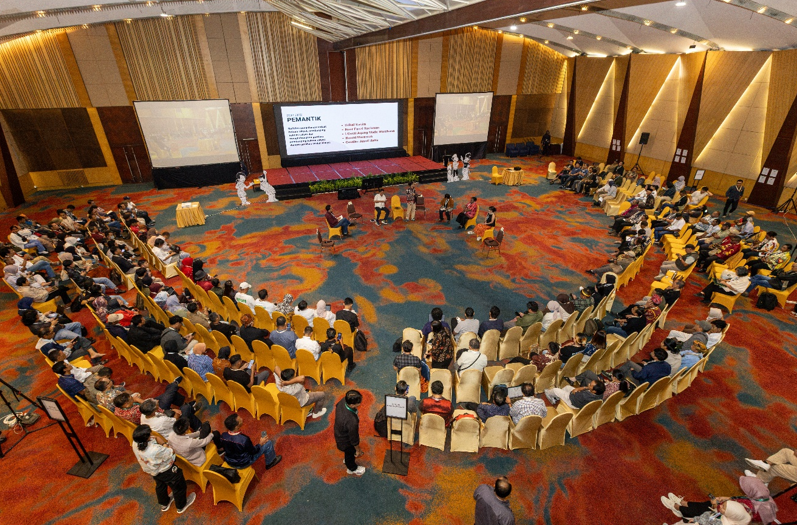

Jakarta, 23 October 2026 — The second day of the People’s Law Summit 2026 in Jakarta (20/10) provided a space for reflection on the 25-year journey of People’s Legal Advocate (PHR). Through the talk show session “Reflection on the Roles of People’s Legal Advocate and Multi-Stakeholder Movement,” the speakers and participants discussed the challenges for people’s advocates, the relationship between people’s law and state law, and the needs to expand solidarity movement.
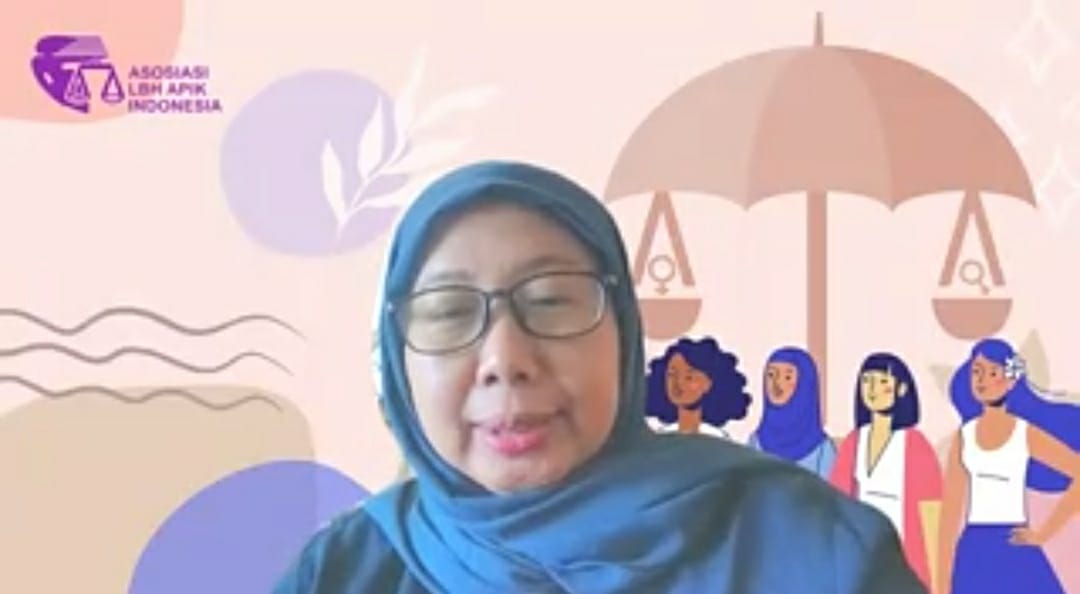
The discussion, with facilitator Julia Kalmirah, featured speakers Gustika Jusuf Hatta, Ifdhal Kasim, Naomi Marasian, Noer Fauzi Rahman, and I Gusti Agung Made Wardhana. The Talkshow talked about the position of PHR in the legal system and the legal aid, the challenges to democracy and human rights, policies that led to ecological crisis, and how people’s knowledge could strengthen their legal fight.
I Gusti Agung Made Wardhana, Associate Professor in Environmental Law at the Law faculty of Gadjah Mada University said, “Social conflicts emerged out of structural issues. Society had to grapple with various forms of oppression. The law was a weapon in the social conflict.” In addition, Gustika Jusuf Hatta, a human rights activist, highlighted that, “We need collaboration as well as supportive, conducive environment in order for solidarity to rise in our fight.”
PHR participants shared stories and issues they faced during the talkshow session, including tendency for policies to accommodate people’s law by incorporating it into the legislation. Yet, people’s law also had to be understood as a system of life and could be people’s resource to defend their rights, as articulated by Ifdhal Kasim, an advocate and human rights practitioner.
The experiences of PHR activists from a number of regions showed that accompaniment started with real life experience, from criminalisation of community members, to threats to indigenous land and forests. Those experiences pointed to the needs to develop PHR capacity and expand inter-community solidarity networks.
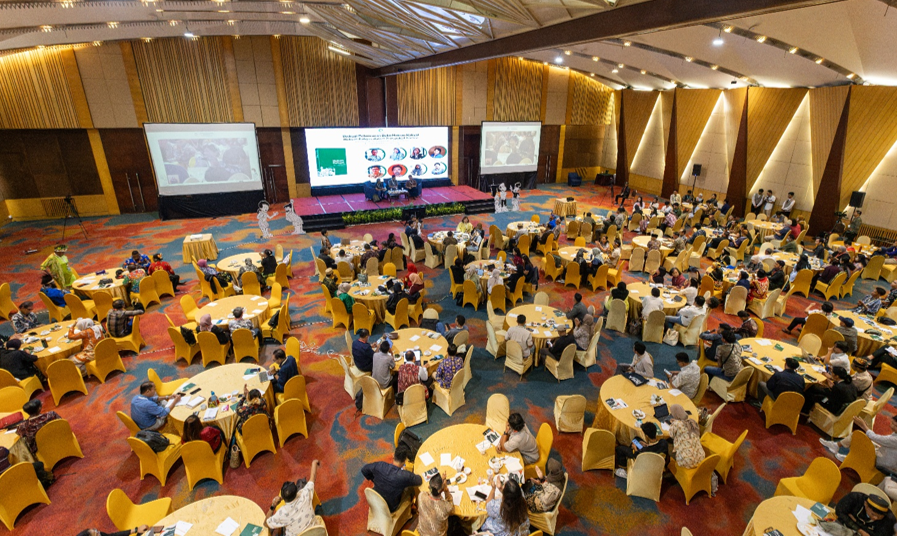
In addition to the talkshow, the second day of the Summit featured five thematic panels including Tenurial, Agrarian, and Forestry; Coastal and Marine Issues; Extraction and Ecological Crisis; Democracy and Civic Spaces; and Pluralism, Reform, and Law Enforcement. The five themes reflected the scope of issues PHR activists experienced at the grassroot level. Answers to the five issues had to be revealed through legal reform, protection of rights to land and natural resources, and availability of space for communities to organise, participate, and protect their legal system.
The panel discussion result was then integrated into the recommendation and the discussion about the declaration in the plenary forum. The process was part of efforts to connect experiences and knowledge in various regions into broader legal reform agenda.
The reading of the People’s Legal Advocacy Declaration was the culmination of the second day agenda. Through such declaration, PHR from the five regions (Sumatera, Jawa-Bali-Nusa Tenggara, Kalimantan, Sulawesi, and Papua) affirmed that the communities were not merely waiting for State recognition. They had laws, knowledge, and collective mechanism to manage their own lives and to safeguard their living spaces. Consequently, legal reform had to ensure that recognition of people’s law necessitated full protection, community participation, and respect for community decisions about their territory.
“From Sumatera to Papua, we saw the same hands. One hand that the State recognises. Another hand the State confiscates. The district administrator legalised indigenous territories, Jakarta issued permit on the same territory,” as articulated in the PHR Declaration of 2026.
Amidst all those threats, the PHR 2026 Declaration affirmed the existence of people’s law as a system of rule that the people consciously practiced by the communities. Such practice took different forms, from regulating indigenous land in nagari-nagari (traditional villages) in Minangkabau, roles of Panglima Laot (Sea Commander) in regulating the lives and resolving conflicts amongst fishermen in Aceh, to deliberation regarding water distribution to rice fields in Ciherang, Karawang. Similar practices were also visible in the regulations of Kasepuhan community and Sedulur Sikep in safeguarding the land, managing the forests by community in Wehea, traditional agriculture regulations in Sekadau to prevent expansion of fires, and Pasang ri Kajang which became the guideline for community in Ammatoa Kajang in forest conservation.
Suasana Sesi Talkshow Refleksi Peran PHR dan Gerakan Lintas Pemangku
Button Text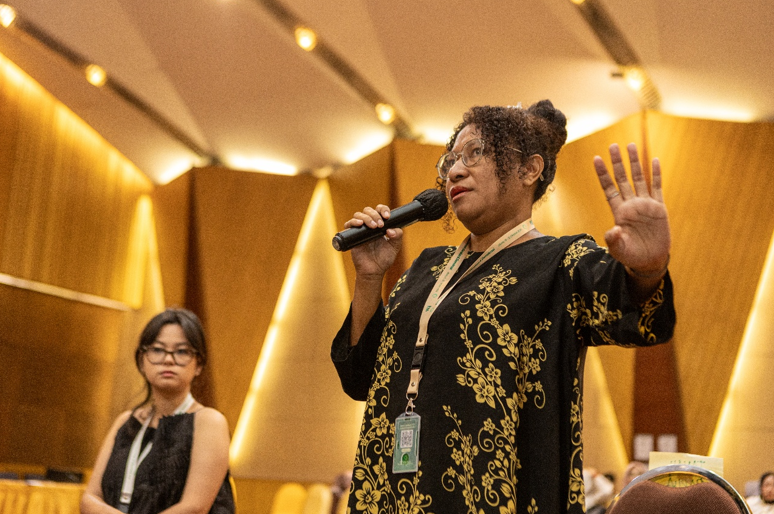
Suasana Talkshow Refleksi Peran PHR dan Gerakan Lintas Pemangku
Button Text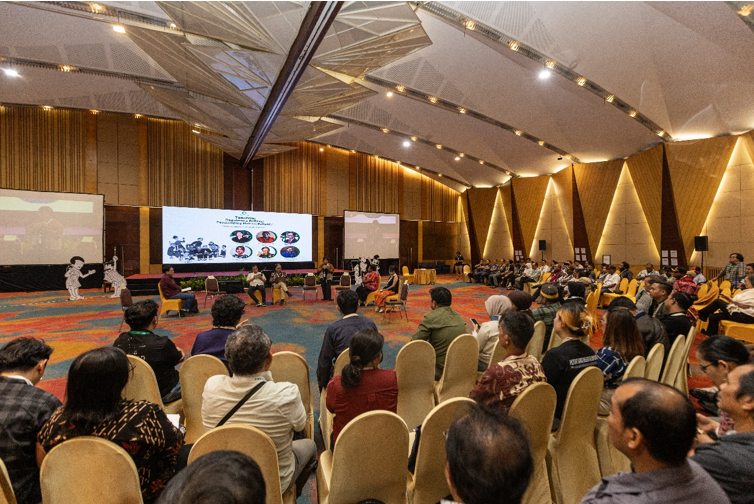
Sesi Diskusi Panel
Button Text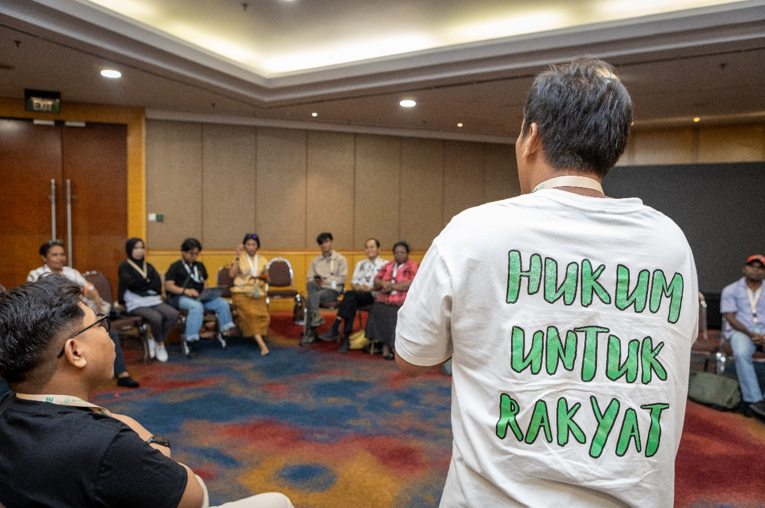
Suasana KTT Hukum Rakyat hari kedua
Button Text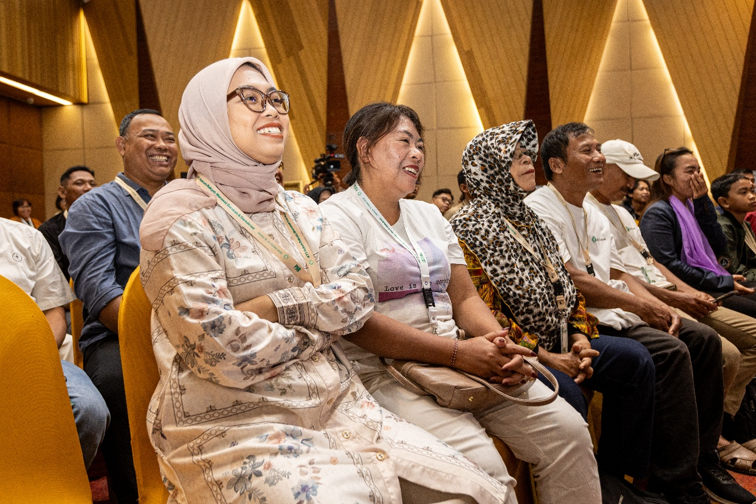
Suasana KTT Hukum Rakyat hari kedua
Button Text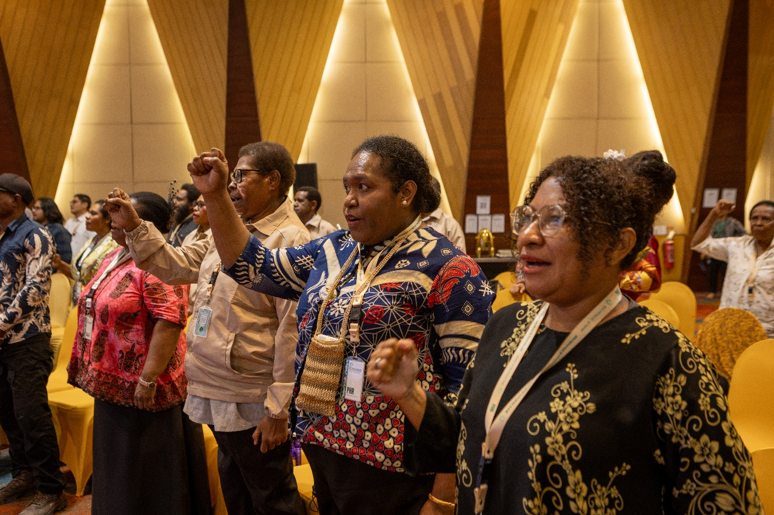
Suasana Pembacaan Deklarasi Pendamping Hukum Rakyat
Button Text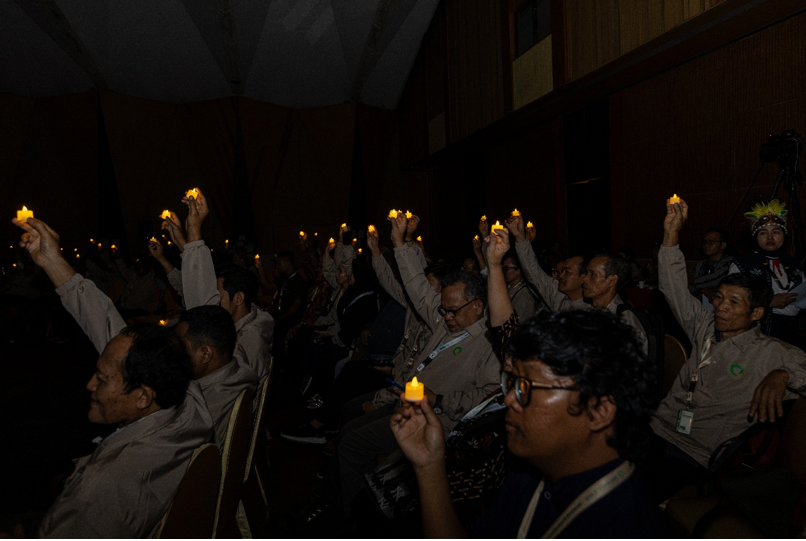
Pembacaan Deklarasi Pendamping Hukum Rakyat
Button Text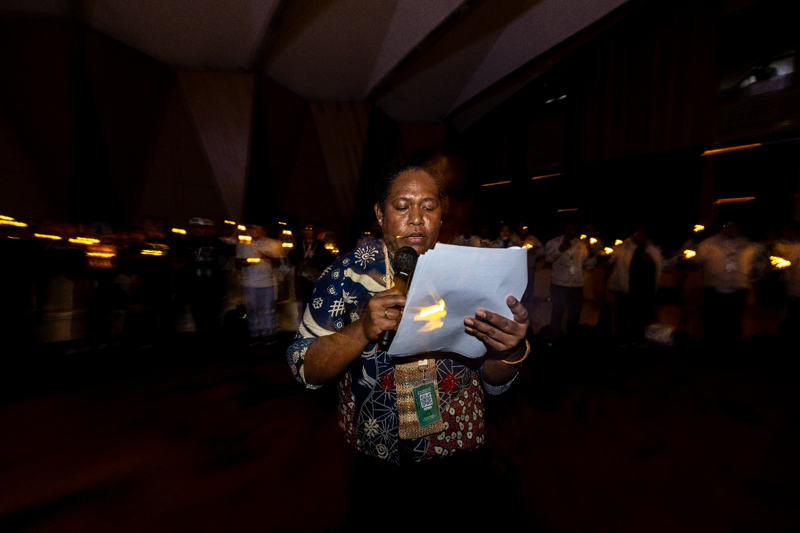
Suasana Pembacaan Deklarasi Pendamping Hukum Rakyat
Button Text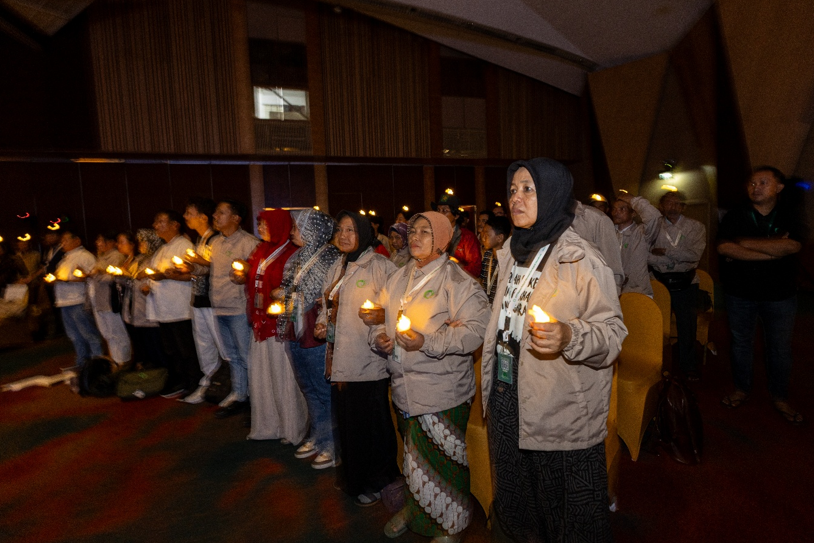
Panel Discussion Session
In Papua, people’s law regulated the relationship between communities and indigenous areas, including sacred areas, sago hamlets, hunting areas, plantation, and villages. The existence of these areas showed that people’s law not only regulated behaviours, but also the inter-generational relationship and sustainability of community living spaces.
On that basis, the declaration expressed a number of demands, including recognition and protection of indigenous forests, return of former cultivation right title or hak guna usaha (HGU) in indigenous areas to the original owners, protection of the rights of peasants and coastal communities, and recovery of degraded areas due to destructive activities. The Declaration also affirmed the importance of community consent in decisions that affected their territories and life.
The PHR 2026 Declaration did not stop at their demands to the State. The advocates also expressed commitments to continue their work based on the mandate given by the community and their sense of accountability to the community, in order to protect community’s rights from the villages to the court rooms, and to strengthen the positions of indigenous women, women peasants, fisherwomen, and the young generation in the movement.
“We the People’s Legal Advocates, always work based on people’s mandate, and be accountable to the people,” said the commitment of the PHR advocates in the Declaration.
That commitment affirmed that success of advocacy was not merely measured by victory in formal processes or in getting administrative recognition. Advocacy had to strengthen community capacity to understand their rights, to practice the law existing in the community, and to collectively protect the living spaces. Through the People’s Law Summit 2026, Perkumpulan HuMa Indonesia and civil society network urged that the legal reform placed community as the main subjects, not merely as objects of policies. Such recognition to people’s law had to go hand-in-hand with protection of their territories, meaningful participation, and respect for diversity of the Indonesian legal system.
“No projects are more strategic than preserving people’s living spaces,” articulated in the final sentence of the People’s Legal Advocates Declaration 2026.
On People’s Law Summit 2026
The People’s Law Summit 2026 was organised by Perkumpulan HuMa Indonesia and network partners with the theme “Safeguarding Movement and Democracy,” and took place in Jakarta on 19–20 October 2026. The Summit brought together indigenous and local communities, People’s Legal Advocates, civil society organisations, academics, legal practitioners, and national and international networks to discuss people’s law in the context of social and ecological justice.
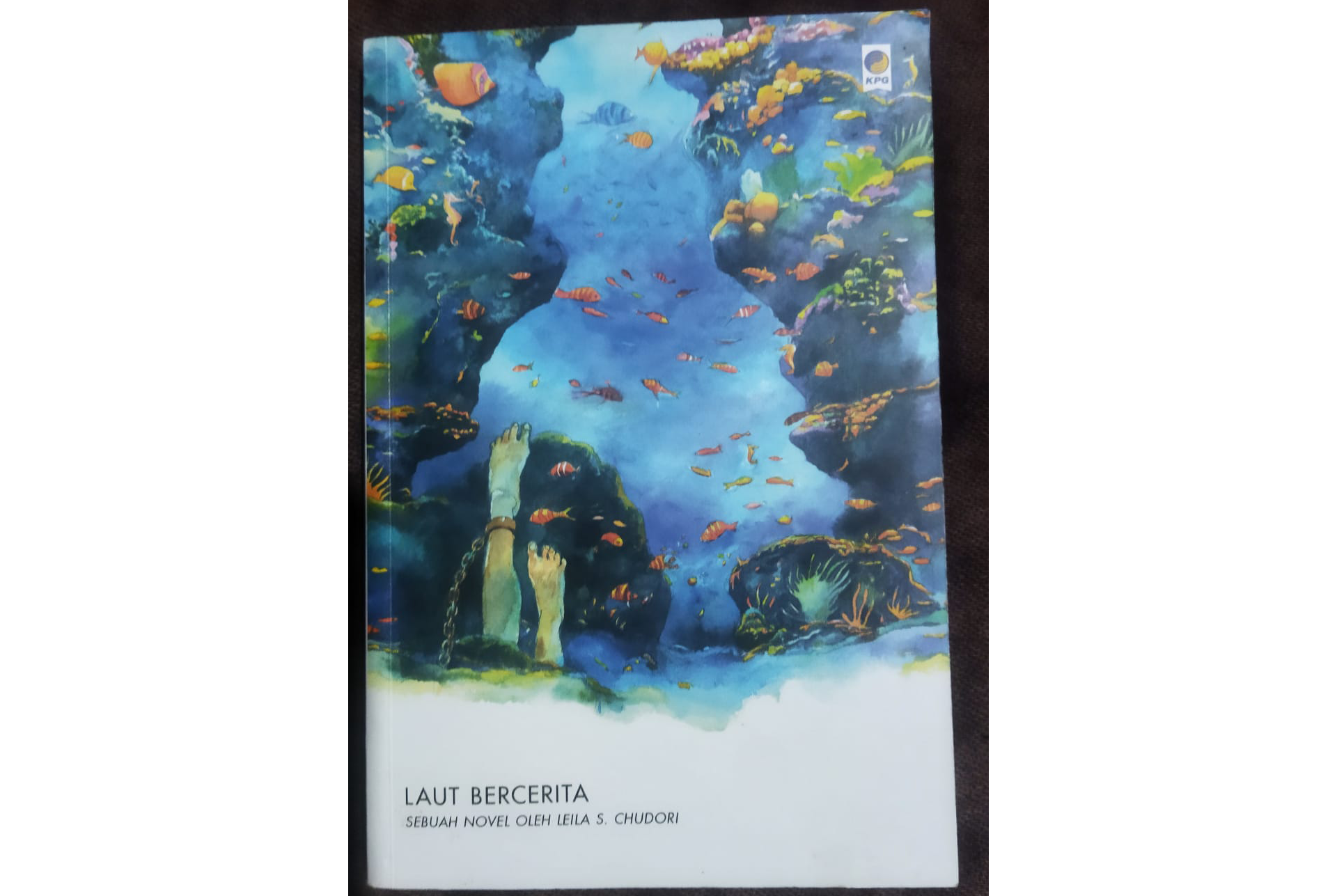
The Summit agenda covered keynote speeches, launch of People’s Law book, presentation on the results of regional consolidation, talkshow to reflect on PHR movement, five-panel thematic discussion, declaration reading, and exhibition and capacity strengthening.
Media Contact:
Perkumpulan HuMa Indonesia - 08132121262