



Memory about political violence did not only live solely in history books, archives, or stories about people who once stood against power. Memories also lived on in families who lost their loved ones, in the waiting that found no answers, and in the work of people who chose to stand by them. It was here that Ita F. Nadia’s experience in women’s movement and supporting victims’ families became meaningful.
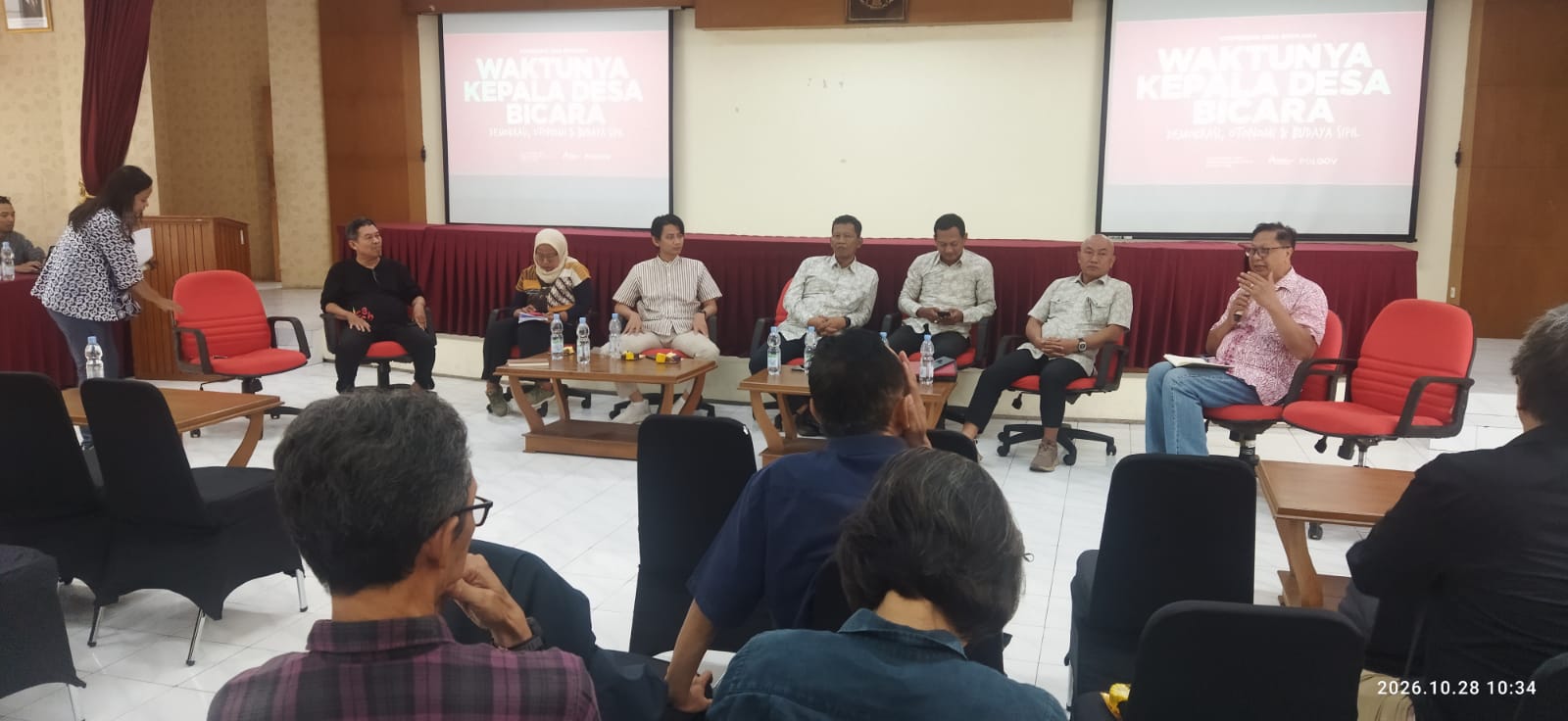
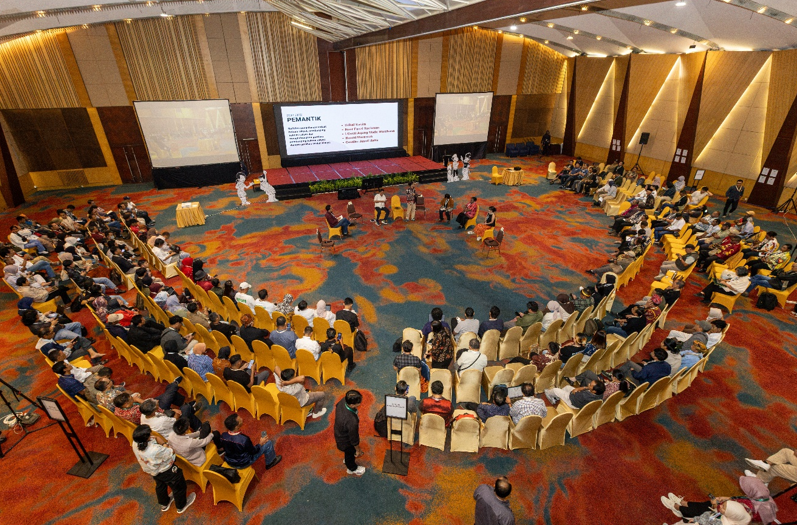
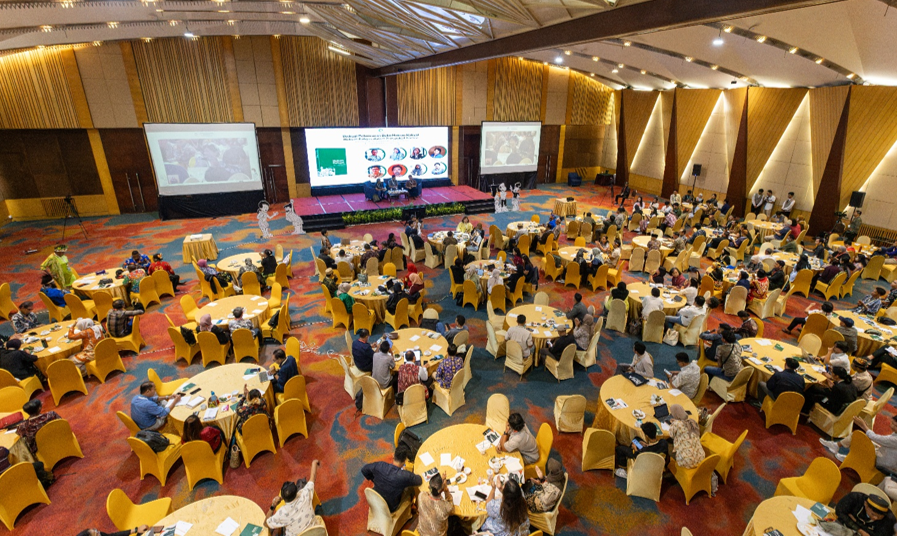
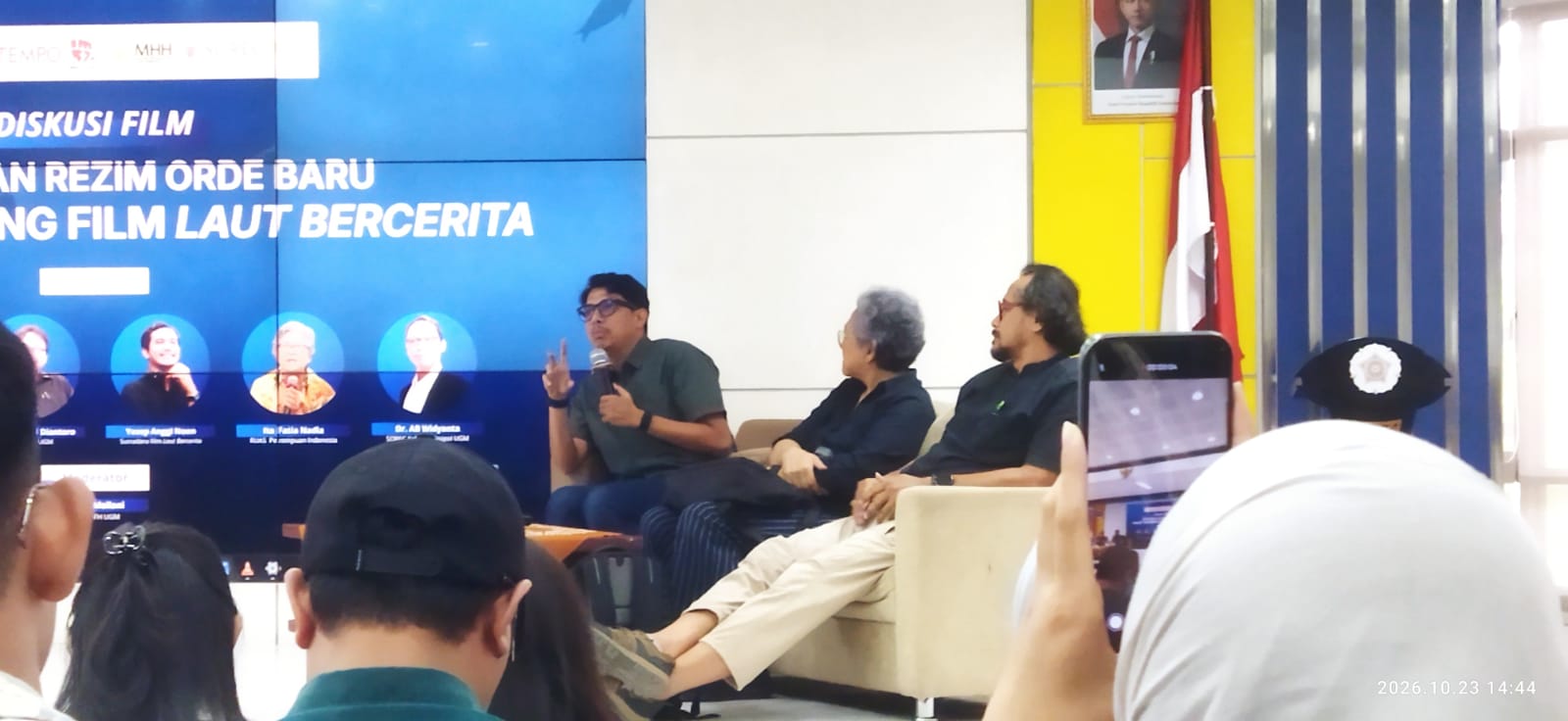
In a discussion entitled “The Violence of New Order Regime from the Perspective of Laut Bercerita Film” by Anti-Graft Study Centre or Pusat Kajian Antikorupsi (PUKAT) UGM (Gadjah Mada University) which also featured Leila S. Chudori, film producers Yosep Anggi Noen, Dr. Totok Dwi Diantoro, and Prof. Zainal Arifin Mochtar at the Convention Hall of the Faculty of Political Science Gadjah Mada University on Friday (25/10), Ita steered the conversation towards a long experience of activism, political education, and works caring for people affected by violence. For her, it was not enough to talk about history by remembering events. History had to be connected to the lives of people who suffered from those events.
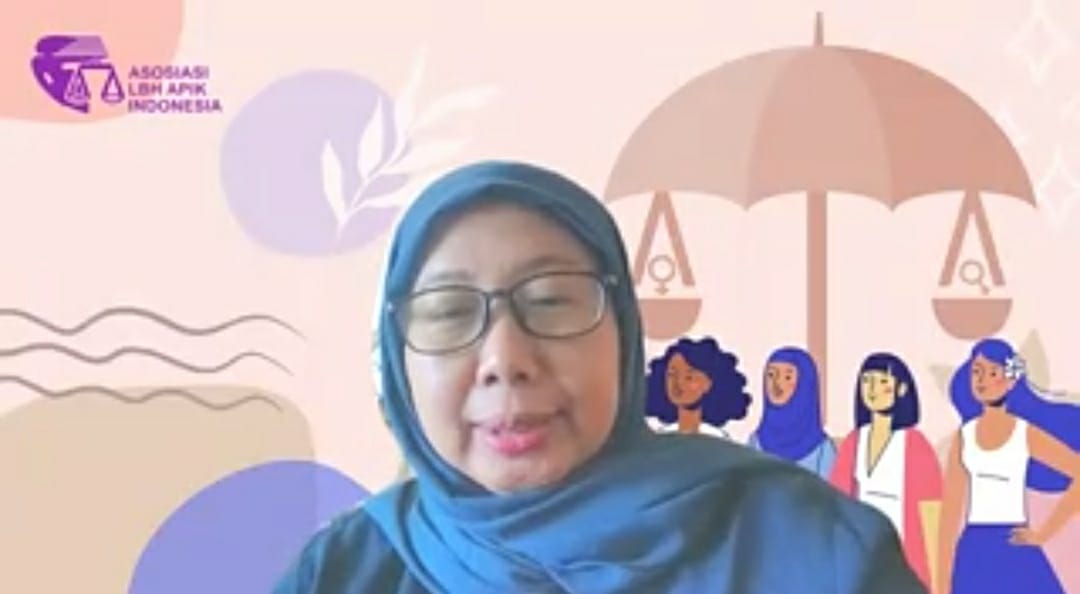
Ita shared that she first became acquainted with the world of activism when she was a student of Gadjah Mada University in 1977. Then, political work operated through multiple channels. Students sparked conversations, reproduced reading materials, distributed flyers, and set up networks to discuss social political situation. Political education was essential part of building awareness amidst situation that restricted the spaces for freedom.
That experience became intertwined with involvement in Kalyanamitra – a women’s organisation that also served as a space for political education. There, women issues could not be separated from the issues of power, injustices, and citizens’ rights. Women’s experiences of violence and loss were parts of knowledge that needed to be heard, not placed on the margins of political discourse.
The work of accompanying families of kidnapped activists revealed another side of the struggle. Behind every kidnapping, there were mothers, partners, children, and other family members who had to live their life without certainty. They faced recurring questions, while information about the loved ones remained unavailable.
Kalyanamitra provided space for these women and families to meet, share experience, and give mutual supports. That space was vital as they did not have to face the loss alone. Experiences that were originally endured privately could be discussed collectively and became part of the public demand for truth.
Efforts to search for victims necessitated collective endeavours. Networks involving students, workers, peasants, and other community groups had also worked to gather clues regarding the whereabout of the missing people, including information about possible mass grave locations. The search was not a simple work. It necessitated diligence, communication, and willingness to keep moving forward before answers remained elusive.
Drawing from that experience, care work became critical part of understanding social movement. The struggle was not merely about formulating demands, organising the masses, or confronting the authority. There were quieter forms of works – to support grieving people, to listen to stories that were hard to tell, and to give someone the spaces to process the trauma and loss in their own way.
Ita situated this kind of work within the concept of care work - namely, caregiving work that encompassed interpersonal relationship, trauma recovery, and the preservation of collective memories. Caring did not always mean giving advice or offering solutions. Often, all a person needed was presence, a willingness to listen, and opportunities to speak without feeling judged.
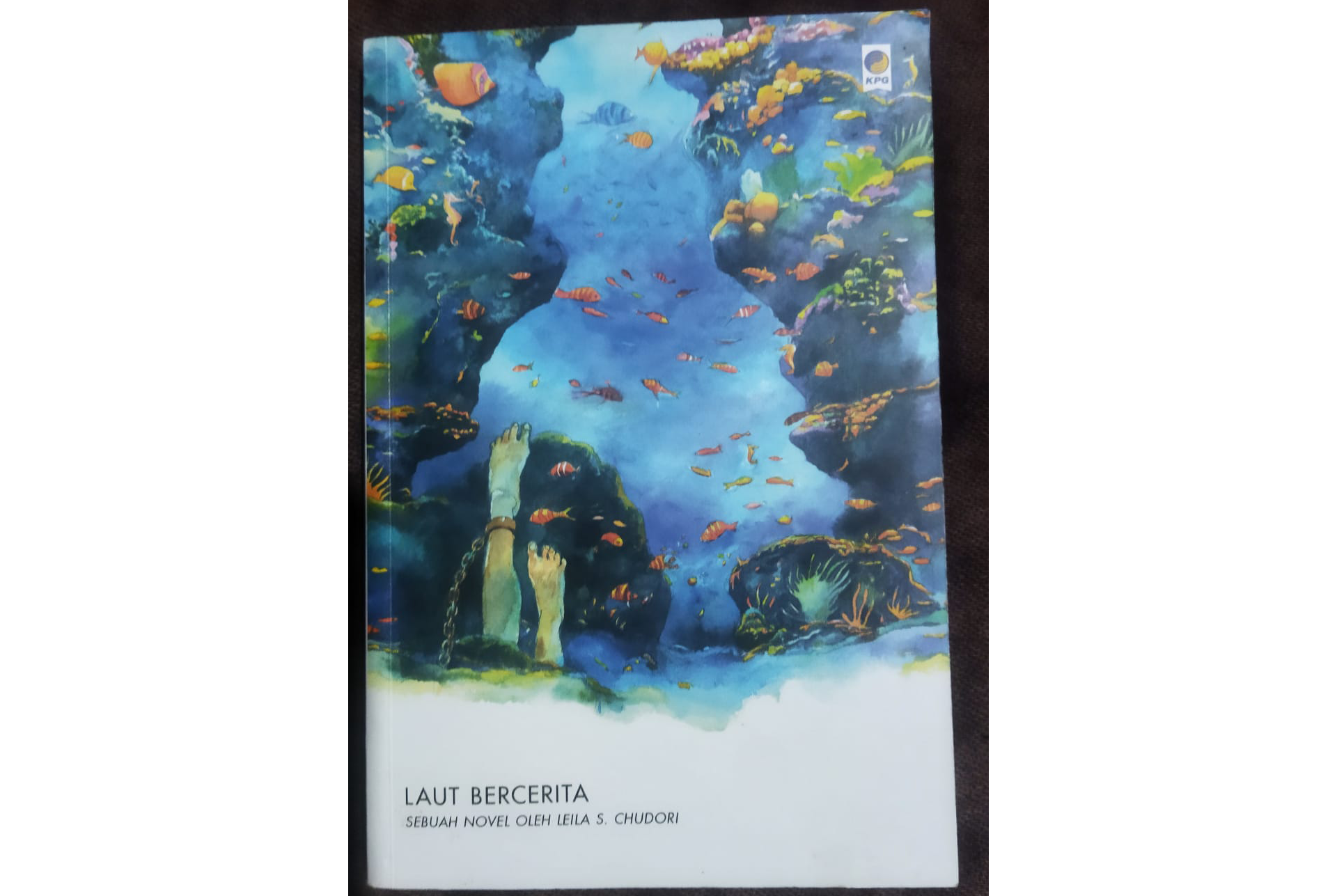
The accompaniment gave a different dimension to the readers of Laut Bercerita. The narrative surrounding the abducted activist extended beyond those who were targeted by the violence. The story also touched the lives of those left behind, those who kept searching, and families who had to rearrange their lives amidst uncertainty.
Memory, within such framework, was not merely an attempt to preserve narratives of the past. Remembrance formed the basis for pursuing justice and truth, while simultaneously preventing similar violence from recurring. When the experiences of victims were erased or forgotten, society risked losing the opportunities to understand how violence occurred and how to prevent them.
Ita also stressed the importance of literature in enriching the human imagination. Through storytelling, readers could grasp the experience they had never personally encountered. They could imagine the fear, the loss, and the uncertainty felt by other people. That ability was vital for the young generation learning to understand the history of the country.
Therefore, according to Ita, history education did not have to stop at memorising events. It needed to build integrity, attention, and willingness to act when confronted with injustices. Such values also grew in daily life, through the way a person treated the neighbours, helped other people, and took responsibility for their social environment.
According to Ita, politics was not confined to government buildings or street protests. Politics was embedded in daily choices that shaped how people would live together. Care work, supporting victims’ families, education, and efforts to preserve memories were parts of political life because they were all related to human dignity and collective responsibility.
That experience reminded Ita that the struggle was not solely sustained by those at the frontline. There were those who ensured the victims’ families retained a platform to speak, those who gathered information, and those who supported them through grief, and those who kept their stories were alive and not fading from public memories.
Preserving memories meant ensuring that victims of violence were never abandoned in silence. From there, the demand for justice gained a more humane footing. It was not merely so that the past was acknowledged, but that each person had the opportunity to live without having to inherit the same fears and uncertainties.
Reading the Ruins of History, Combatting Impunity
Political Science lecture at Gadjah Mada University and resource person in the discussion, Dr. AB. Widyanta said that political violence did not always stop when a regime fell. Its trace could persist amongst families who lost loved ones, in the contested memories, and in the life of society that had not achieved justice. For AB. Widyanta from the Social Research Center, reading Laut Bercerita had to be situated in a broader understanding of the history of violence and the ways communities confronted its legacy.
In the discussion about the film Laut Bercerita, AB connected experiences of political violence since 1965 to today. He invited participants to see that historical events did not stand alone. Violence took place within certain social, economic, and political context, including ideological struggle during the Cold War that brought the interests of Capitalism and Socialism together.
Such a reading was important so that violence was not understood merely as a series of isolated incidents. There was a connection between power, economic interests, natural resources control, and measures to limit groups deemed a threat to the prevailing order. To understand its impacts, society needed to look not only at who became the victims, but also how violence was enabled and why accountability often failed to function as it had to function.
AB. Widyanta broadened the discussion through a number of concepts, including genocide, femicide, epistemicide, and ecocide. These terms referred to different forms of destruction, from ethnic cleansing and gender-based killing to eradication of knowledge and environmental destruction. By connecting all these forms of violence, he encouraged participants to recognise that the harm inflicted by power could extend beyond the individual body.
The erasure of knowledge, for example, could exclude a group’s experience from official history. Meanwhile, environmental destruction and dispossession of living spaces could sever communities’ connection to the sources of their livelihood. In AB. Widyanta’s reading, such issues could be studies in conjunction to the capital accumulation interests and inequality in resource control.
This framework broadened how Laut Bercerita could be read. The novel and film not only featured the story of an abducted individual, but also opened the discussion about system that allowed violence to happen. The experience of the main characters offered the path to question the relationship between power, citizens’ rights, and the fate of those who faced the authority or bigger political interests.
One of the issues that caught AB. Widyanta’s attention was impunity – that was a state in which violations were not followed by adequate accountability. When past violence went unresolved, society faced broader issues than merely legal uncertainty. That condition also affected collective memories, trust to institutions, and people’s ability to prevent violations from recurring.
Therefore, remembering history could not be done simply by recognising the names of the victims or repeating the chronology of events. Remembrance had to be accompanied by efforts to understand why violence occurred, who were impacted, and how accountability could be pursued. Without such work, history risked becoming a story of suffering that was constantly remembered, yet produced no change in the way society confronted power.
Untuk menjelaskan hubungan antara masa lalu dan masa depan, AB. Widyanta explored the connection between the past and the future by invoking Walter Benjamin’s concept of the Angelus Novus. This depiction of this angel of history surveying the ruins of the past served as a framework for examining humanity relationship to history. The past was not merely behind us as a finished chapter. It left behind wreckage and lingering questions that had to be interpreted as society charted its future.
Looking back at history did not mean getting trapped in nostalgia or constantly living with past wounds. History offered means to understand what had happened and to recognise unresolved responsibilities. The future was built not by ignoring the ruins, but by having the courage to face reality and learn from it.
At this point, AB. Widyanta emphasised the importance of ethics of care. Care was not simply about individual recovery, but also interpersonal relationship, solidarity, and the society’s ability to protect those who had suffered the impacts of violence. The struggle for justice required attention to victims, families, and communities who had long borne the burden of history.
The ethics of care also reminded us that social movement could not simply rely on individual courage. Organisations, collective work, and willingness to support one another were required. When an individual faced pressures or exhaustion, having a network ensured that the struggle did not depend on a single figure. Solidarity became the way to keep the work of changing continued.
AB. Widyanta also encouraged participants to consider citizenship politics outside the electoral arena. Civic participation did not conclude once a vote was cast. Citizens retained the responsibility to hold power accountable, to question policies, to self-organise, and to ensure that public interests were not neglected once the electoral process ended.
In that sense, democracy required sustained engagement. Public oversight, political education, and collective actions were parts of measures to safeguard democratic spaces. An awareness of the history of violence could strengthen such work, particularly when society confronted the issue of impunity and restrictions of rights.
Films and literatures had a place in that process. Both could reopen conversation about events that risked being forgotten, brought together people with different experiences, and provided space to discuss issues that were not always easy to address directly. However, works of art were not a substitute for political and social work. Their reach became more meaningful when the conversation they sparked were carried forward through education, solidarity, and collective actions.
AB. Widyanta’s interpretation of Laut Bercerita redirected focus towards the question of how society acted upon recognising its history. Acknowledging past violence was a crucial initial step, yet such awareness had to go hand-in-hand with the courage to demand accountability and to prevent recurrence.
The ruins of history could not be erased merely by changing the way we told stories. However, stories could help society see what had been hidden, listen to experiences that were once silenced, and find reasons to act together. That was where literature, films, memories, and solidarity met as parts of the efforts to uphold human dignity. (Ast)