



Child rearing could not be separated from the political situation and the country’s situation. Values instilled by parents in the family could be threatened when the social environment, education institutions, and State policies reproduced violence and injustices. For that reason, raising children required more than just good parenting at home.
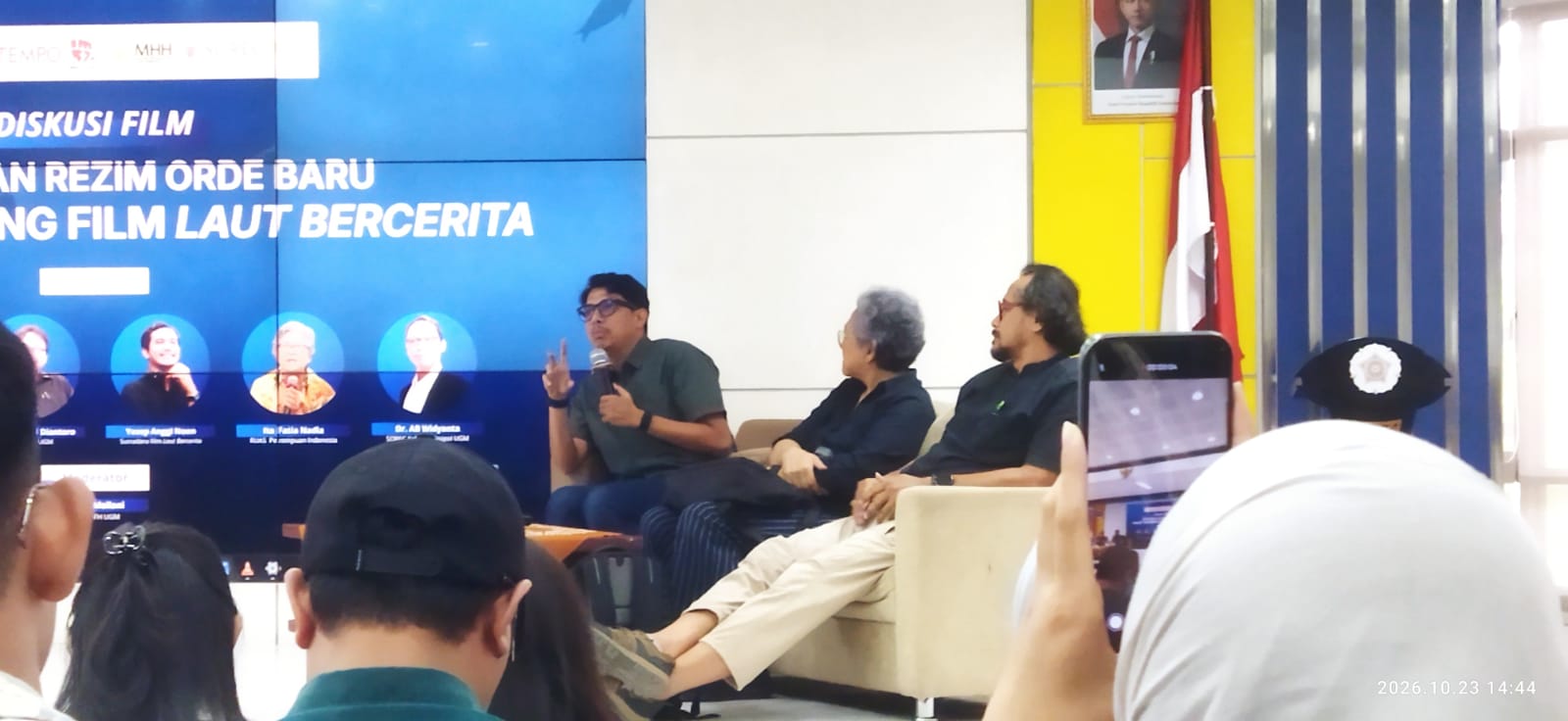
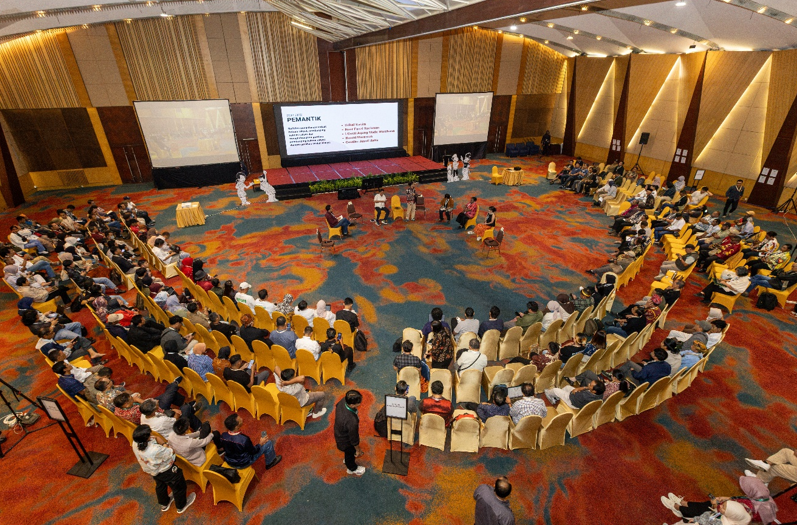
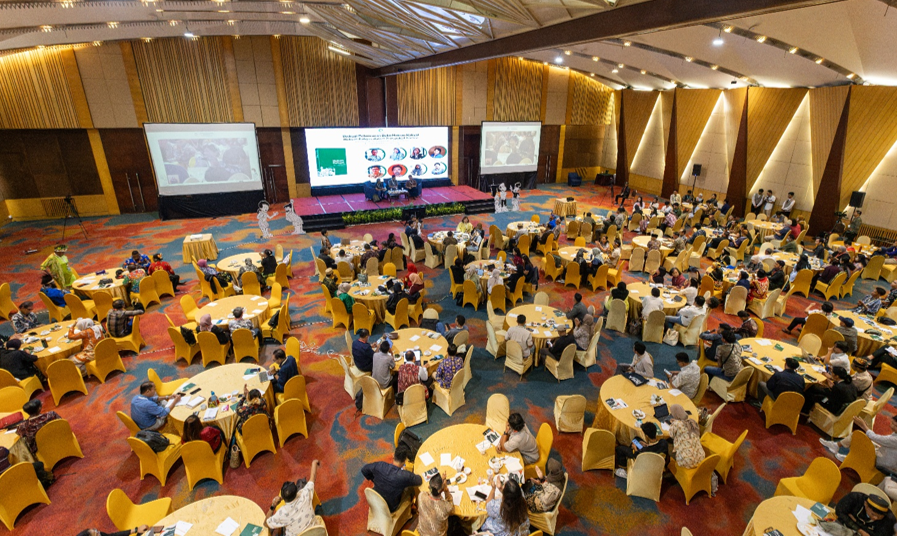
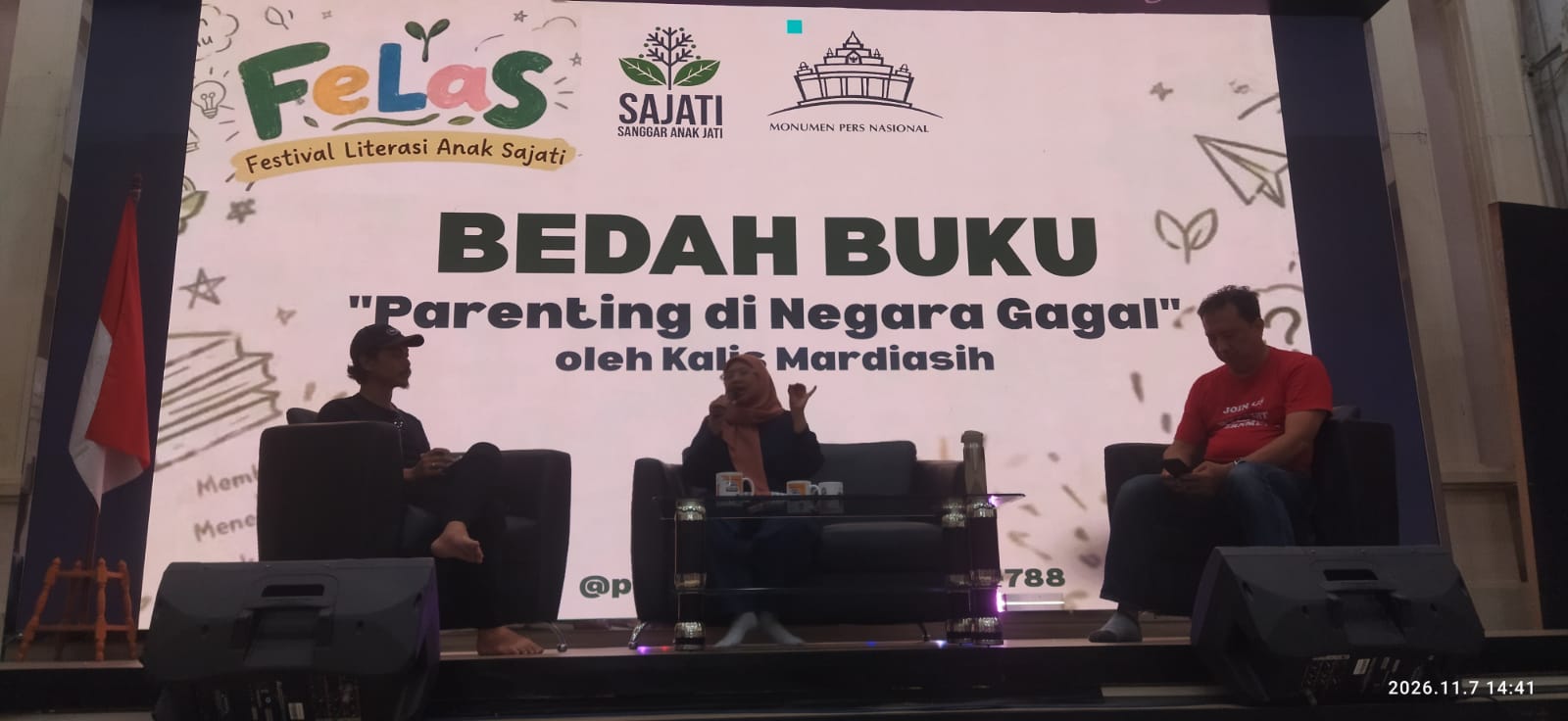
That was a key message by the book author of “Parenting in a Failed State,” Kalis Mardiasih, during a book review with another speaker, Bukik Setiawan, and moderator Tiead Adhika, at Monument Pers on Saturday (7/11). The book review and discussion organised by Sanggar Anak Jati (Sajati) and PAUD Sajati talked about parenting, education, and citizen politics. Kalis explained that the book reflected his concern as parent witnessing various social and political issues in Indonesia that had impacts on children’s life.
She admitted that she originally had no plan to write a book on parenting. As a mother of a three-year old girl, Kalis prepared herself as parent by reading books about parenting. Most parenting books published in Indonesia were written by child development psychologists and paediatrics.
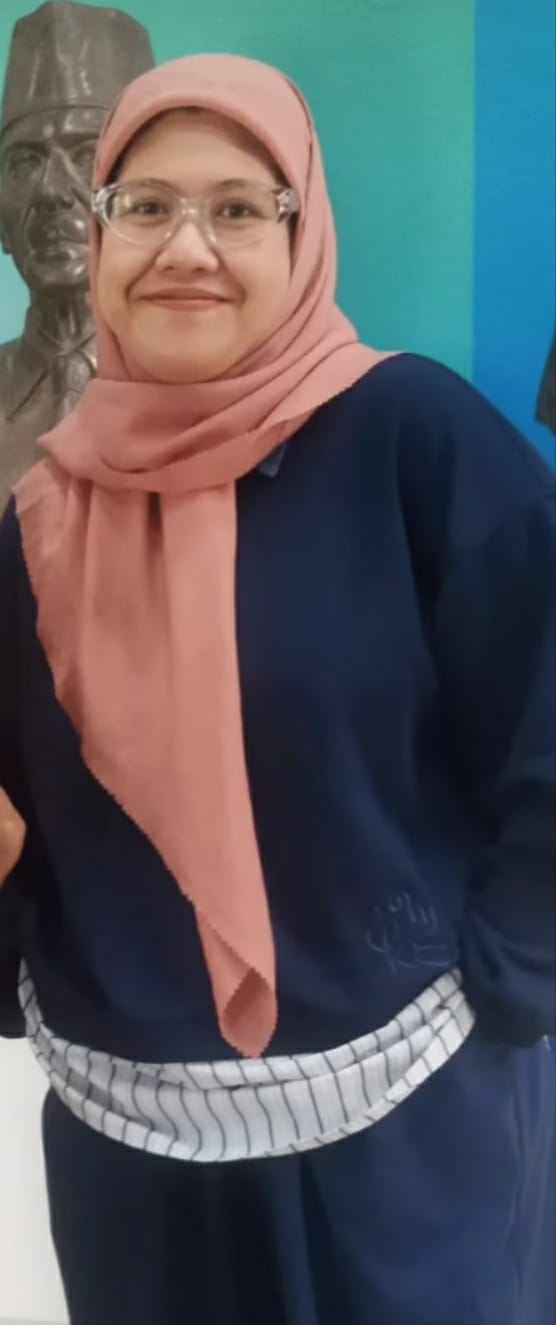
Yet, a number of political events made her feel that there was another issue rarely discussed in parenting literature. The issue was about how the State and social environment played roles in determining a child’s future. One concern that Kalis had arose when she witnessed the practice of dynastic politics. She argued that positions and power obtained through family relations indicated an inequality in opportunities for the young generation.
Kalis her parents’ messages that education was the most valuable legacy that parents could pass down to the children. Her parents did not have much of wealth, yet they tried to use every available resource so that children could get the best education. Education was then understood as a path towards a better life. Parents urged children to learn, develop their skills, and work hard so that they could achieve success through their own capacity.
Yet, political reality showed that opportunities were not always determined by ability. Someone could get strategic position because of blood relations and proximity to power, without having to go through a long process in an organisation and cadre development. Kalis argued that this situation instilled distrust in education institutions, communities, and future. Children questioned why they needed to study when success was determined more by power relations than capacity and hard work.
That concern led Kalis to call Parenting in a Failed State as a political parenting book. He argued that it was not enough to talk about parenting from the point of views of child growth, health, and psychology. Parents also needed to understand the political situation shaped the environment where children lived.
Kalis also had concern about the resurgence of the language and practice of violence in citizens’ life. She cited statements by sub-national officials who proposed sending unruly children to military barracks. She argued that such idea was against parenting without violence approach that many parents learned, especially the millennial generation. This generation tried to cut off the authoritarian parenting pattern passed down from the previous generations.
Kalis mentioned that millennial parenting was not merely about raising a child, but also tetapi re-parenting oneself. They tried to heal past experiences, learn new values, and prevent recurrence of violence during their own childhood. He gave an example of how today’s parents tried to build communication with children through dialogues. Even when explaining simple restrictions, such as not eating ice cream at certain moments, parents were prepared to set aside their time to make children understand the reasons behind the restrictions.
That approach to parenting was different from the traditional method that relied heavily on commands and punishments. The problem was that when families tried to build healthy parenting style, the broader community could instead re-introduce the values of violence. Kalis argued that families, communities, and education institutions had to be safe spaces for children. Yet, such spaces were increasingly vulnerable to influences from the power interests.
He highlighted the conditions of schools that should have been neutral education institutions and should provide space for teachers to express their opinions. In practice, teachers could face pressures from the school principles, heads of the education offices, and sub-national officials when they expressed criticism of policies. Such situation revealed a tiered cycle of pressures. Schools that should have been venues for children to learn critical thinking risked becoming spaces to limit their spaces to express opinions.
Ecological Disaster Threatened Children’s Life
Kalis explained that the issue about safe space was also related to the local condition. She cited the experience of women and children in Kalimantan who lived exposed to haze from forest and land fire for months. In a journey from Kapuas Hulu to Ketapang, West Kalimantan, Kalis collected information about the impacts of forest and land fire on the life of women and children. She found that communities not only had to deal with respiratory problems, but also limited clean water and drought.
Children had to spend more time indoors as the air quality was not safe. The situation limited their opportunities to play and move which could result in the disruption of their gross and fine motoric development. Pregnant women also faced health risks due to exposure to pollutants. Kalis reminded that the impacts of air pollution might not always be directly observed. A number of health issues might appear in the long-term.
She linked that situation to the externality concept in development – unaccounted for social and health cost in economic activities. Environmental damage and its impacts on community health was often not considered in calculating development benefits. Kalis also highlighted the inequality in access to basic services in areas endowed with natural resources. Communities in a number of areas had to travel hours by boat and vehicles through difficult tracks just to reach heath facilities.
She argued that such situation illustrated the inequality in development. Regions were endowed with natural resources, yet the communities who lived there faced limited infrastructure, electricity, and health services. Kalis suggested that the State had to be judged by its ability to provide basic education, heath services, and decent living conditions for all of its citizens. When such basic needs were not met, children were also groups that had to bear the consequences.
Parenting was Joint Responsibility
Kalis also emphasised that parenting could not always be placed on the shoulders of biological parents. She pointed to a migrant worker family who had to leave the children behind to work overseas. The decision to work overseas was often not a totally free choice. Some parents faced pressures such as family debt, loss of land, limited work opportunities, and difficulty earning an income where they lived.
In such situation, children needed safe figures that could offer them protection, attention, and love. Such figures did not always be biological father or mother, but could be carers, grandparents, and other adults that were present consistently in children’s life.
For that reason, Kalis proposed the development of collective parenting, especially in areas largely left behind by migrant workers. Communities could set up collective learning activities, including providing knowledge to grandparents about child development and challenges to parenting today. She highlighted the principle that other people’s children were also our shared children. She argued that children could not grow as good individuals through education at home alone. The surrounding social environment and other children’s attitudes also influenced children’s characters.
For that reason, when communities wanted to create safe spaces for children, the parenting responsibility had to be expanded to become community responsibility.
Building Citizenship Politics from Local Neighbourhood
Kalis highlighted that the key point of the book was citizenship politics. She asked citizens to not give up on social and political situation, although state-level changes could not be realised immediately. He explained that changes could start from small spaces. When families had become a safe space, people could expand that to include the local neighbourhood, community, study groups, and education institutions.
She cited the movement of mothers who beat pots at Bundaran UGM (University Roundabout). Such movement provided mothers the space to strengthen each other and to channel their concerns about the social and political situation. Kalis said that such small actions constituted everyday resistance. Reading community with five members, for example, could be a space to discuss community issues and build common platform.
She also reminded of the importance of broadening the efforts to break the cycles of violence, poverty, and patriarchy in the family. Parents could learn to practice parenting without violence, to increase financial awareness, and to share domestic work equally. Yet, changed did not need to stop at families. Communities needed to strengthen solidarity and recognise people who cared about common issues.
Kalis argued that knowledge and awareness did not have to be stored inside a person’s houses. Both had to be shared so that more and more people got involved in developing safe environment for children. She argued that raising children in a troubled state of the country required collaboration. Parenting was not merely the affairs of parents towards their biological children, but the responsibility of citizens to ensure that children had the opportunity to grow, learn, and lived a decent life. (Ast)