



Jakarta, 22 October 2026. When the State increasingly dominated the control of land and natural resources, while people’s rights and knowledge were frequently ignored, legal reform was not enough to be carried out by merely enacting new regulations.
Democratisation and the recognition of current law in society were critical part of measures to return law to its function to protect the citizens. The idea emerged on the first day of the People’s Legal Summit 2026 organised by Perkumpulan HuMa Indonesia in Jakarta, on Monday (19/10).
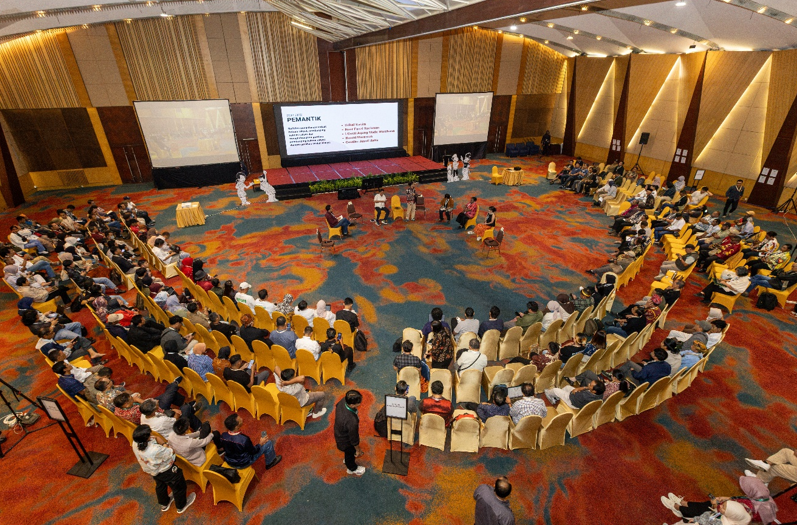
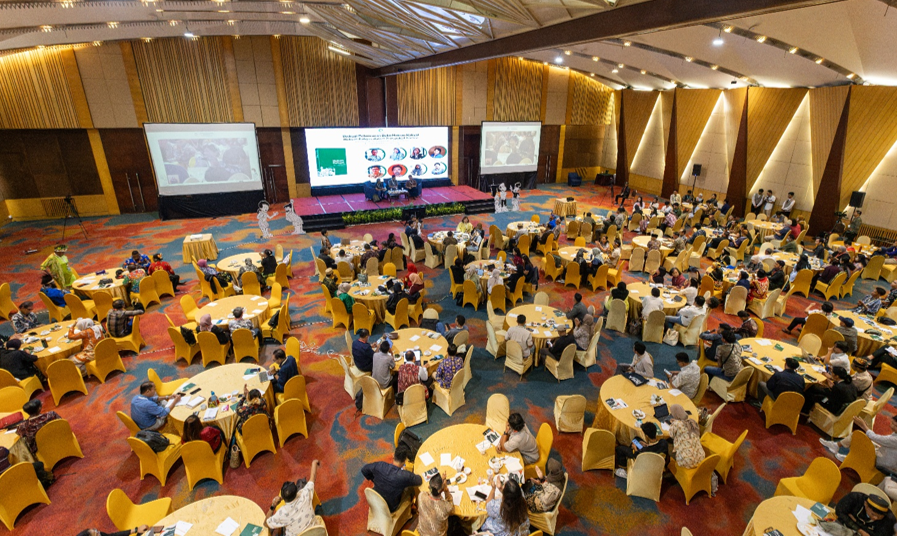
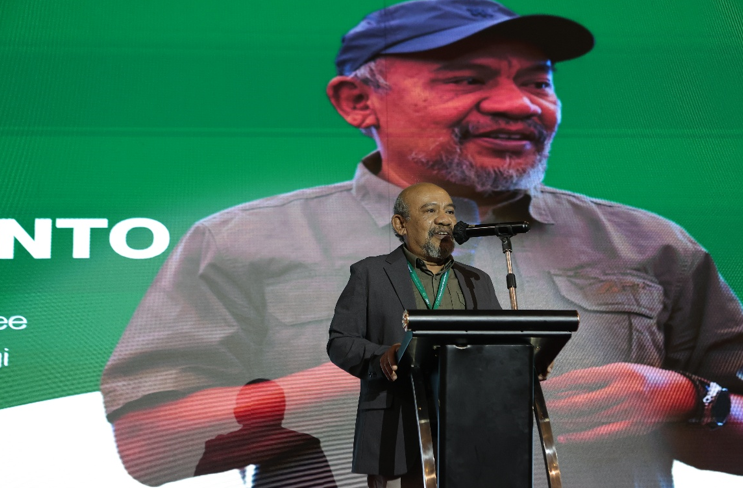
On the first day of People’s Law Summit 2026, more than 400 participants attended, including People’s Legal Assistance or Pendamping Hukum Rakyat (PHR), civil society networks, NGOs, academics, students, the general public, and the media. The chairperson of the People’s Law Summit 2026, Andik Hardiyanto pointed out that the Summit was a venue for advocacy consolidation in order to strengthen citizens’ protection, especially their rights, amidst the overwhelming domination of State law that caused citizens to be marginalised, pushed aside, and oppressed.
“PHR refers to those committed to justice and taking a stand on issues arising from the dominance of State law. The latter leaves citizens marginalised, pushed aside, and oppressed. The people’s law which we recognise is the law which we collectively obey and live by in our daily life,” said Andik. He also explained that after PHR had been developed in the last 25 years, the People’s Law Summit 2026 became the momentum for reflection and for preparing collective actions to strengthen advocacy movement.
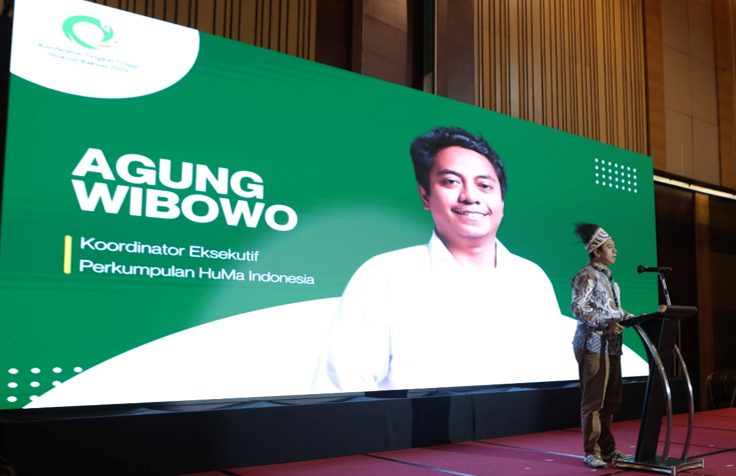
The opening remark by the Executive Coordinator of Perkumpulan HuMa Indonesia, Agung Wibowo, highlighted the fundamental issue in the Indonesian legal system. “Perhaps, the biggest legal problem with our law today is not that the law is absent, but rather that the law is present without sufficiently listening to the voices of vulnerable people,” he iterated.
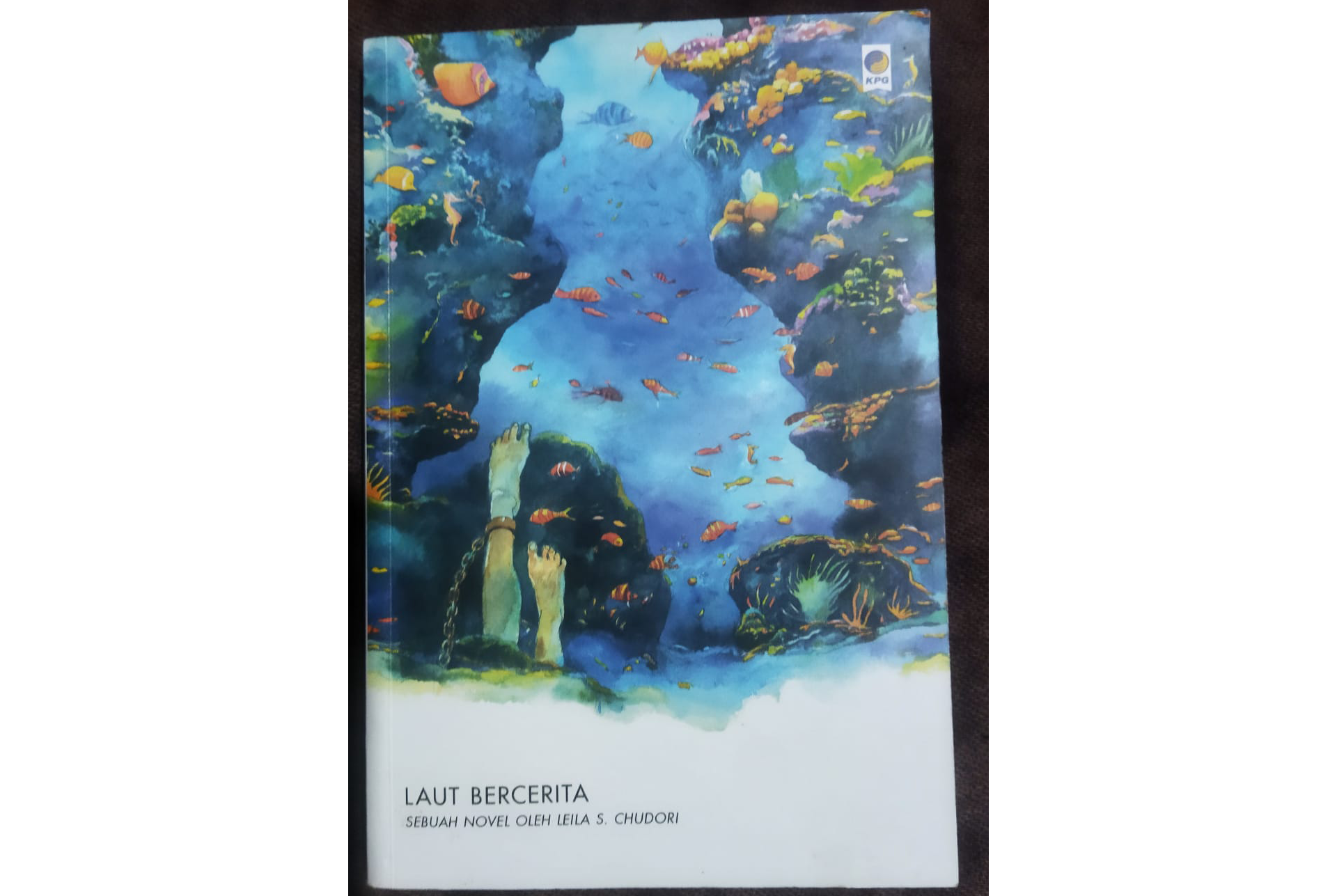
Agung highlighted that people law was not a call to abolish State law. Neither was it a desire to change one power with another power. The launch of the People’s Law Book during the first day Summit was an attempt to return law to its moral source – human life, dignity and justice.
“People’s law was born out of an awareness that citizens were not merely objects to be regulated. Citizens were the owner of knowledge, the preserver of life space, and the subjects who had the rights to determine their own future,” said Agung.
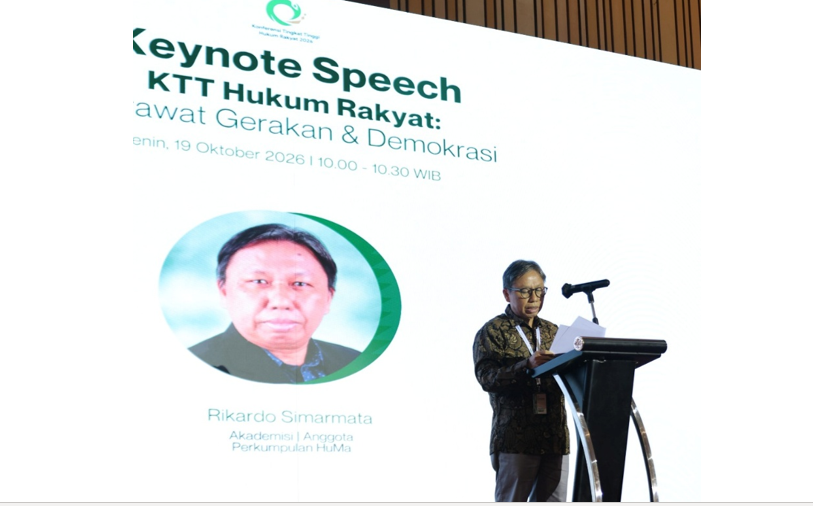
Keynote speaker, legal academics at Gadjah Mada University and member of HuMa, Rikardo Simarmata discussed the resurgence of Domein Verklaring logic in agrarian resource control in Indonesia. The doctrine, which developed during the Dutch colonial rule, classified land that could not be proven as private property in formal system as State land.
Rikardo explained that despite the Agrarian Law or Undang-Undang Pokok Agraria (UUPA) 1960 which put an end to such doctrine, State domination pattern of land remained in a variety of agrarian policies and practices to this day.
“The relationship between customary law and State law should not be understood in terms of a conflict that demands one of them to be eliminated. Both had lived side-by-side, but the relationship had to be built through democratic governance. The best way to continue the co-existence between People’s Law and State Law was democratisation in agrarian resource management,” explained Rikardo.
He argued that democratisation had to be accompanied by restoring the State’s right of control to its position as a public authority exercised to serve citizens’ interests, rather than as basis for the State of State institutions to become a competitor to the citizens in land ownership.
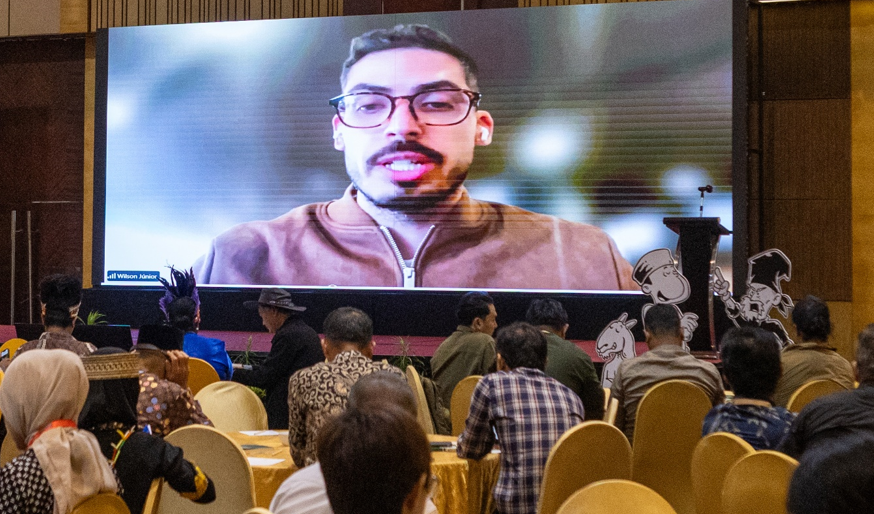
The International perspective helped enriched the first day People’s Law Summit with presentation by the keynote speaker – an International Law Professor from Brazil.
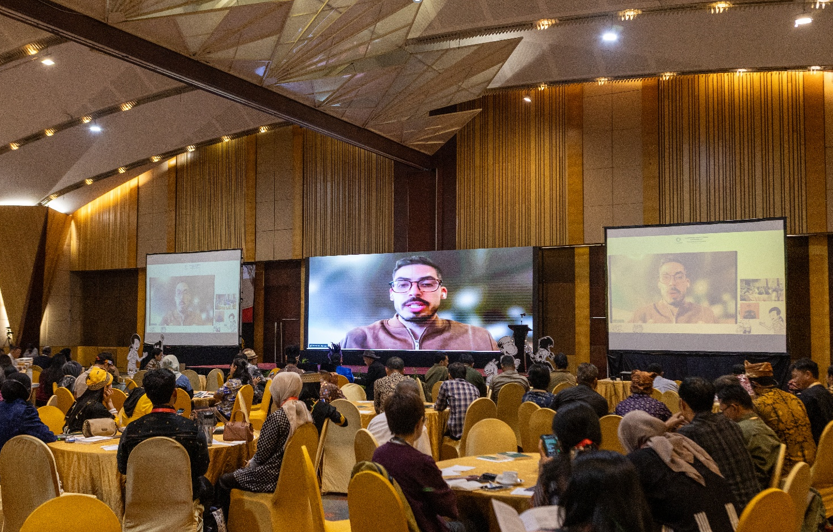
The speaker explained that Brazil’s experience showed that recognition of indigenous people’s rights had to be followed by concrete actions by public institutions.
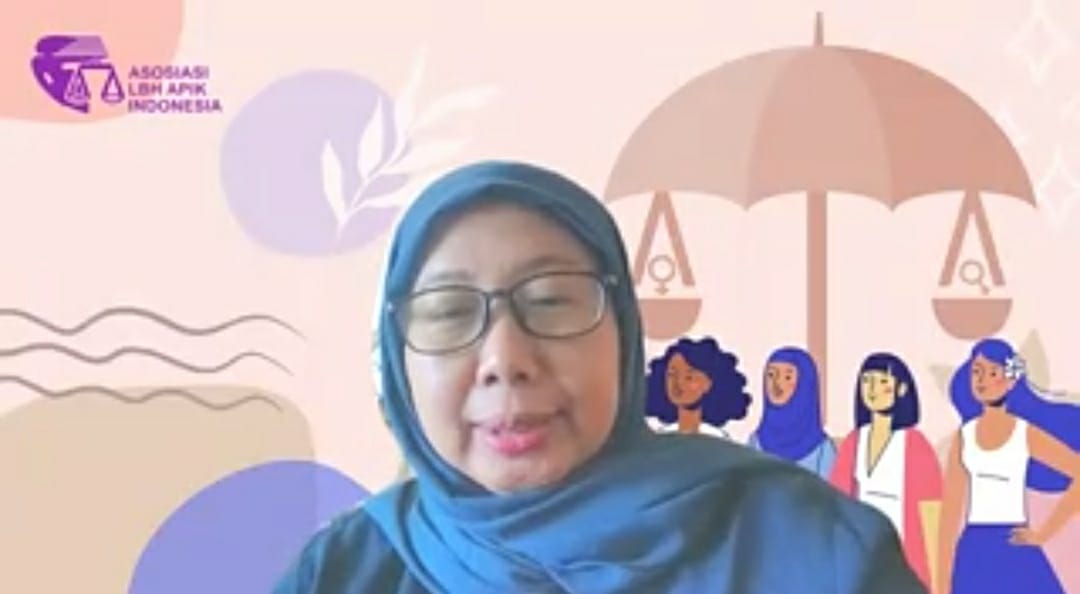
“The fulfilment of rights is inseparable from the protection of territories, recognition of people’s culture and way of life, as well as spaces for participation in decision making,” explained Wilson. He also shared experience in the establishment of Brazilian Indigenous Ministry in 2023 and the re-activation of the National Council for Indigenous People’s Policy as examples of efforts to open up spaces for indigenous people’s involvement in policy decision process. Wilson highlighted, “the existence of institutions and formal recognition did not automatically resolve conflicts. Effectiveness depended on resource supports, inter-agency coordination, ongoing protection, and community ability to monitor and demand government accountability.”
Grassroots experience was also critical part of the first day Summit. The People Paralegal Storytelling brought together the experience of indigenous women: Nurhayati, indigenous people in Punan Tugung, North Kalimantan; Haryati, indigenous people in Marena, South Sulawesi; Theres Florensia Ateta, indigenous people in Marga Ateta, Papua Barat; Ernani, peasant from Mukim Teritit, Aceh; and Masnuah, a coastal fisher woman from Demak, Central Java.
Through the experience of indigenous women, peasants, and coastal women, the session showed the relationship between land, forest, and coastal areas and sources of livelihood, inter-generational knowledge, and community survival. Their voices affirmed that discussion about law and natural resource management had to stem from people’s daily life, including those who often did not get enough opportunity to participate in decision making.
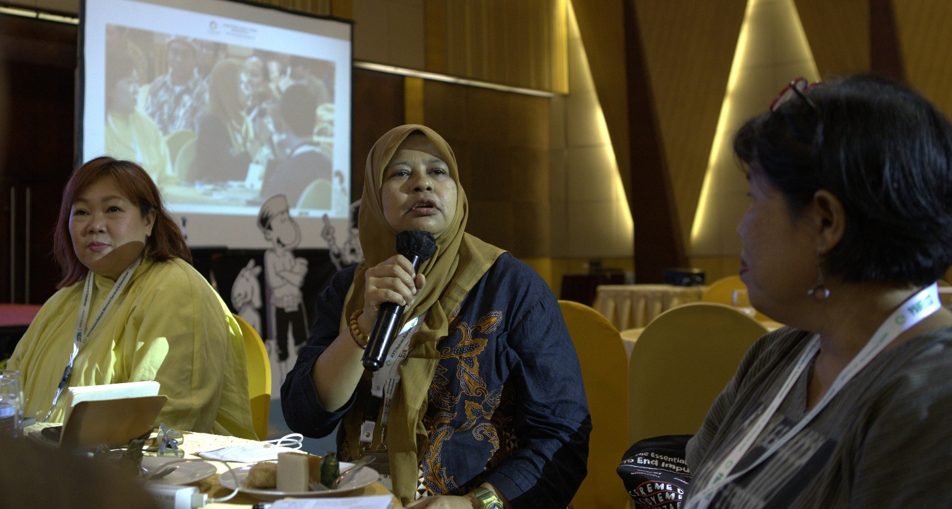
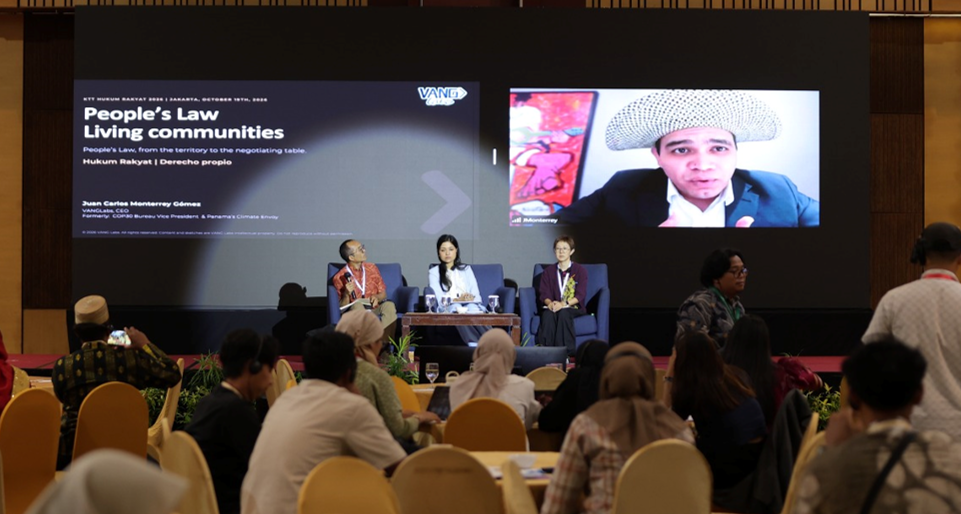
In addition, the first day of the People’s Law Summit 2026 was also marked by the Hukum Rakyat Book launch (Indigenous Law), presentation of the consolidation results of five PHR regions (Sumatera, Jawa-Bali, Kalimantan, Sulawesi, and Papua), and Sharing Session on Legal Strategy for Strengthening and Developing People’s Law in conjunction with international speaker Zhong Huang, PILnet Global; Ria Das, IUCN World Commission on Environmental Law; and Juan Carlos Monterrey Gómez, Panama IP's.
This cross-regional and cross-country learning strengthened the principle that protection of the rights of indigenous people did not stop with recognition on paper, but had to be realised through territorial protection, meaningful participation, access to resources, and accountability of public institutions. “The measure of legal success is not simply how many laws are enacted, rather how much injustice can be stopped,” explained Agung Wibowo.
Address by the Executive Coordinator of Perkumpulan HuMa Indonesia, Agung Wibowo
Sambutan Ketua Steering Committee KTT Hukum Rakyat 2026, Andik Hardiyanto
Penanggap Sesi Diskusi Peluncuran Buku Hukum Rakyat. Kiri-kanan: Inayah Wahid, Nany Afrida, Mai Jebing.
Keynote Speech Rikardo Simarmata, akademisi Fakultas Hukum Universitas Gadjah Mada sekaligus anggota HuMa
Sharing Session Strategi Hukum dalam Penguatan dan Pengembangan Hukum Rakyat. Kiri-Kanan: Bernadinus Steni (Fasilitator) bersama para narasumber Ria Das (IUCN World Commission on Environmental Law), Zhong Huang (PILnet Global), dan turut bergabung secara daring dari Panama, yaitu Juan Carlos Monterrey Gómez (Panama IP's).
Keynote Speech Profesor Hukum Internasional Brazil, Wilson Fernandes Negrão Júnior, bergabung secara daring.
On People’s Law Summit 2026
The People’s Law Summit 2026 was organised by Perkumpulan HuMa Indonesia in collaboration with networks with a theme “Sustaining the Movement and Democracy” in Jakarta on 19–20 October 2026. The Summit brought together indigenous people and local communities, People’s Legal Counsel (Pendamping Hukum Rakyat), civil society organisations, academics, legal practitioners, and national and international networks to discuss people’s law in the context of social and ecological justice.
The Summit agenda included keynote speeches, People’s Law book launch, presentation of the results of the regional consolidation, legal strategy sharing session, People’s Legal Counsel Storytelling, thematic discussion, and serta Recitation of the People’s Law Summit Declaration.
Media Contact:
Perkumpulan HuMa Indonesia
08132121262