




A map of an indigenous area was not about boundaries. Within those boundaries, there were plots passed down for generations. There were forests where people obtained their food from. There were water sources that sustained local life. There were places traditionally considered important. There was also important history on how a community survived and protected their area. For indigenous communities, land had long stories.
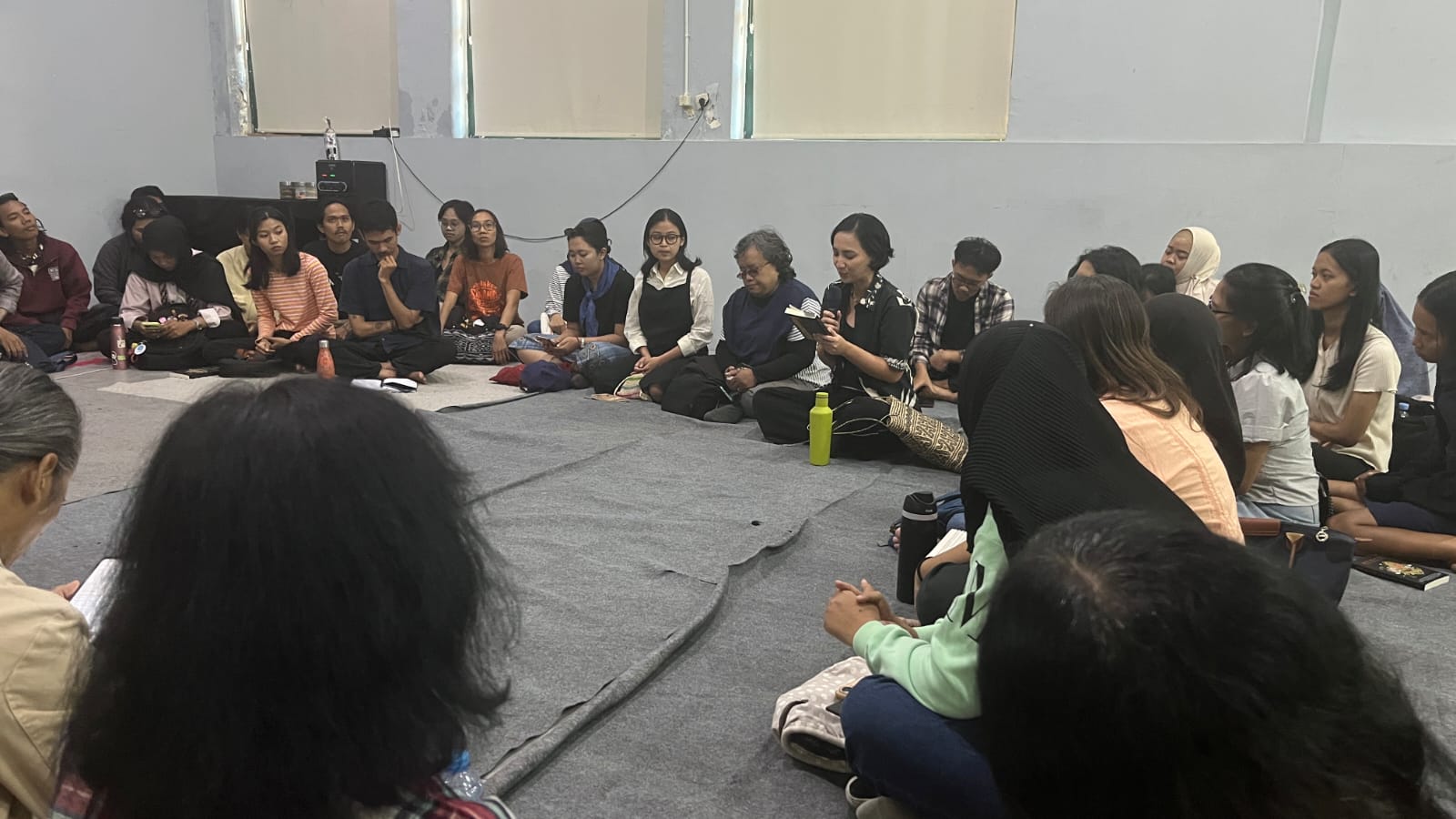
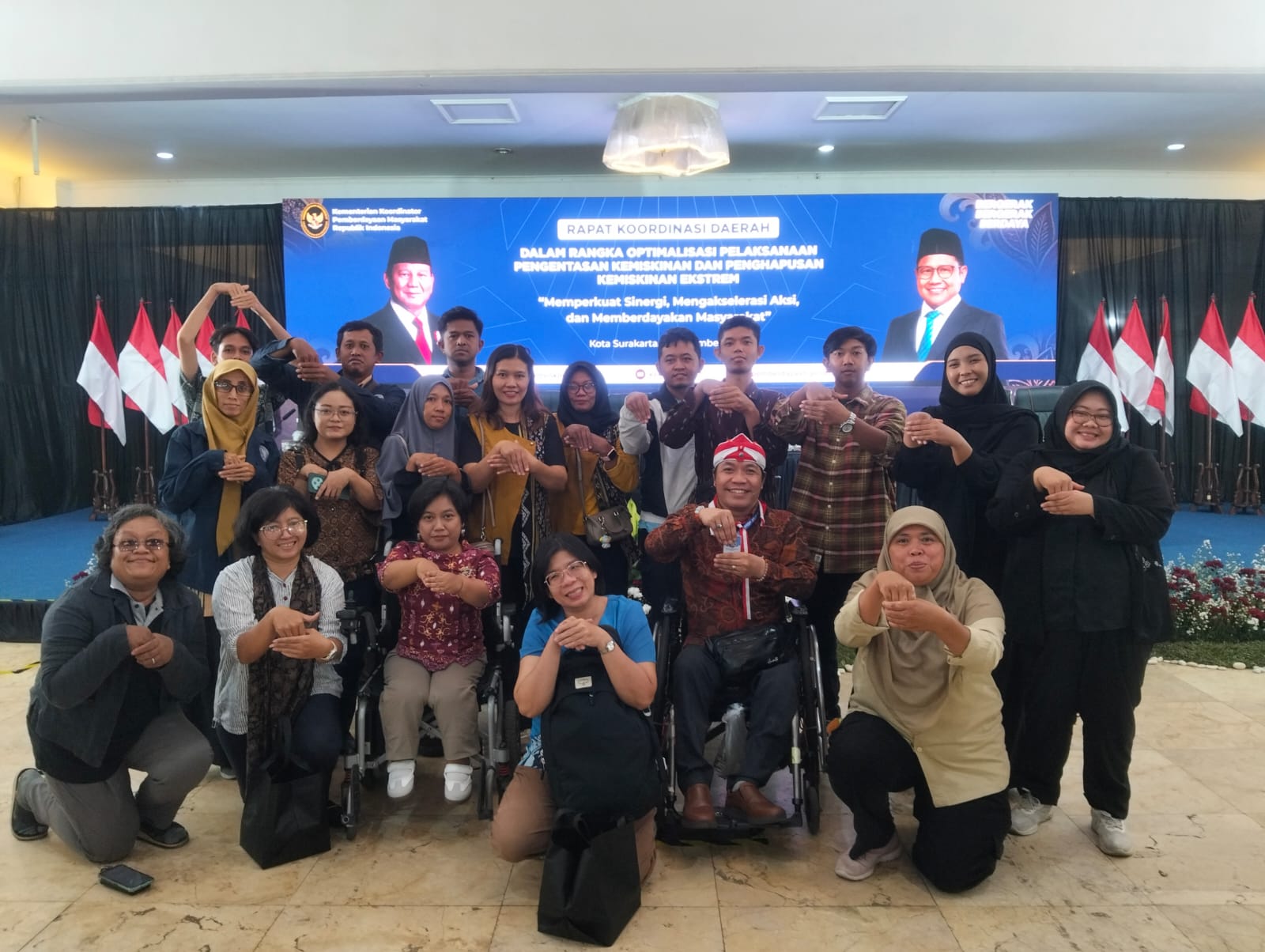
The issue was present during the Denpasar 12 Discussion Forum on Agrarian Reform as Constitutional Land Agenda for Justice, not simply about certification, on Wednesday (9/9) with Arimbi Heroepoetri as moderator. The forum got together the government, academics, and civil societies to discuss one issue which for years had not been addressed in Indonesia. How agrarian reform could bring justice for people who depended on land for their livelihood.
Indigenous communities were one of the most important groups addressed in that question. One respondent from AMAN, Yayan Hidayat reminded that agrarian reform should not be viewed in terms of the size of land being certified. The more critical measure was who controlled the land, who could use the land and whether the land tenure was obtained in a just manner.
For indigenous people, there was an even more fundamental issue. They were not asking the State to create a new relation with the land. That relation was already there long before any permits, concession and administrative categories were introduced. There were areas inherited through customary law, there were lands collectively managed and there were decisions about the use of land defined via community mechanism.
For that reason, Yayan argued that there were three key words in the indigenous community’s fights - recognition, rehabilitation, and recovery of indigenous land. Recognition meant that the State saw indigenous communities as subjects that had history and right of origin. Rehabilitation meant repair the situation after the land right was disturbed. Recovery meant ensuring that the area which historically was the community living space could be managed by the communities in line with community management practices and rights.
The problem was that the process faced a more complex land tenure system. One area might have different layers of interests. There were forests, plantation, mining, infrastructure development and investment. On State map, the area could have one status. In people’s memory, the same area had different histories. The meeting of two viewpoints were often the beginning of conflicts.
The data presented in the forum showed the breadth of the problem. Yayat mentioned that mapping indigenous land led to thousands of maps with millions of hectare of land. In some areas, community maps overlapped with the forest areas and mining, plantation and forestry concessions. That overlap was not simply technical issue.
On the field, one line above the map could determine whether someone could still manage his/her plot, harvest the forest or stay in the land inherited from the family. For that reason, agrarian conflict resolution needed more than a simple map adjustment. Communities needed to be involved since the beginning.
The principle of Free, Prior and Informed Consent or FPIC was part of an idea that emerged during the forum. Free informed consent, with sufficient information before any decision was made would reflect a different situation than mere public consultation.
Prof. Maria S. W. Soemardjono explained the importance of making a distinction between the two processes. It was not enough to simply invite communities to listen to plan(s). They had to have sufficient information and had the space to make decisions that could change their life. This was critical for indigenous people because their land had values beyond simply economic value.
The issue was present during the Denpasar 12 Discussion Forum on Agrarian Reform as Constitutional Land Agenda for Justice, not simply about certification, on Wednesday (9/9) with Arimbi Heroepoetri as moderator. The forum got together the government, academics, and civil societies to discuss one issue which for years had not been addressed in Indonesia. How agrarian reform could bring justice for people who depended on land for their livelihood.
Indigenous communities were one of the most important groups addressed in that question. One respondent from AMAN, Yayan Hidayat reminded that agrarian reform should not be viewed in terms of the size of land being certified. The more critical measure was who controlled the land, who could use the land and whether the land tenure was obtained in a just manner.
For indigenous people, there was an even more fundamental issue. They were not asking the State to create a new relation with the land. That relation was already there long before any permits, concession and administrative categories were introduced. There were areas inherited through customary law, there were lands collectively managed and there were decisions about the use of land defined via community mechanism.
For that reason, Yayan argued that there were three key words in the indigenous community’s fights - recognition, rehabilitation, and recovery of indigenous land. Recognition meant that the State saw indigenous communities as subjects that had history and right of origin. Rehabilitation meant repair the situation after the land right was disturbed. Recovery meant ensuring that the area which historically was the community living space could be managed by the communities in line with community management practices and rights.
The problem was that the process faced a more complex land tenure system. One area might have different layers of interests. There were forests, plantation, mining, infrastructure development and investment. On State map, the area could have one status. In people’s memory, the same area had different histories. The meeting of two viewpoints were often the beginning of conflicts.
The data presented in the forum showed the breadth of the problem. Yayat mentioned that mapping indigenous land led to thousands of maps with millions of hectare of land. In some areas, community maps overlapped with the forest areas and mining, plantation and forestry concessions. That overlap was not simply technical issue.
On the field, one line above the map could determine whether someone could still manage his/her plot, harvest the forest or stay in the land inherited from the family. For that reason, agrarian conflict resolution needed more than a simple map adjustment. Communities needed to be involved since the beginning.
The principle of Free, Prior and Informed Consent or FPIC was part of an idea that emerged during the forum. Free informed consent, with sufficient information before any decision was made would reflect a different situation than mere public consultation.
Prof. Maria S. W. Soemardjono explained the importance of making a distinction between the two processes. It was not enough to simply invite communities to listen to plan(s). They had to have sufficient information and had the space to make decisions that could change their life. This was critical for indigenous people because their land had values beyond simply economic value.


Land was part of community identity. Loss of land meant loss of livelihood. In such situation, loss of an area also meant loss of space to practice culture and knowledge passed down for generations. For that reason, agrarian reform policy had to be cautious when relying too much on the administrative approach.
The director general of Agrarian Reform at the Ministry of Agricultural Affairs and spatial Planning/National Land Agency, Dr. Embun Sari explained that the government had implemented large-scale redistribution and land legalisation. She mentioned around 6.2 million land plots – around 4.4 million hectares of land – was part of that redistribution and legalisation. The government also implemented community empowerment as part of the agrarian reform. Embun’s presentation showed that around 55 thousands households received empowerment between 2020 and 2025, while the reform access program continued.
For the government, the process needed certainty about land subjects and objects. The land status had to be examined. The land tenure and use had to be verified. The legal condition and factual situation on the field had to be ascertained. She argued that the terms clear and clean were critical. Land to be distributed had to have a clear legal status and had no fundamental issues associated with tenure.
The problem arose when the land had a history of indigenous tenure. For indigenous people, the question about who owned the land could not always be answered by looking at one name in one document. The reason was that there could be land owned collectively. There could be land whose use was determined by the community. There was also land that could not be divided into individual plots. here, certification could become critical instrument, yet necessitated extra caution.
Certificate could provide legal certainty. Yet, if the certification process changed communal land to individual ownership without addressing the collective right, the policy would potentially create new problems.
The forum also discussed the possibility of indigenous land documentation in a land administration system without having to change the land into individual ownership. That idea was critical because indigenous communities had a tenure system that was distinct from modern land ownership system. A similar issue was also evident in a number of conflicts involving forest areas.
One case being discusses was the one in Pasangkayu, West Sulawesi. There, the case involved the release of part of forest area, the existence of village(s), companies, and people’s demands. In such a case, the status of the area was not enough to solve the conflict. There was a need to look into the history of occupation. There was the necessity to ensure the subjects who had the right, to examine the condition of the area, and the communities living there had to be listened to.
Embun explained that not all forest zones that had been released automatically became object of agrarian reform. There had to be examination of status, objective of release, and land subject and object. That explanation showed a major issue in agrarian reform implementation. Policies proceeded through a number of institutions with different authorities – Ministry of Agrarian Affairs and Spatial Planning/National Land Agency (Kementerian ATR/BPN) with specific authority. The ministry that dealt with forestry issue had other authority. The sub-national authorities had different responsibilities. There were also mining sector, plantation and investment. Communities were in the middle of all of those.
For that reason, Prof. Maria argued that there had to be legal protection for agrarian reform that could synchronise different sectors. Without harmony, officials in each sector could face legal risks when they made decisions that contradicted the regulation within their sector. The impact felt by the communities would be in the form of a long process and never-ending conflicts.
Yayan reminded that indigenous people should not be positioned as barriers to development only because they wanted to protect their area. There was a long history that had to be examined before an area was deemed State land or given to other parties. When indigenous community staked their claim, the State had to examine the origin. If proven that the indigenous communities had the right, it was the State obligation to not simply document their presence. There was a responsibility to rehabilitate their right.
That view brought agrarian reform to a most fundamental question - justice. Who got the land? Who lost the land and wo made the decision? And who gained the economic benefits and who had to bear the brunt of a policy?
Those questions were critical because agrarian injustice was not simply about the size of given land. It was related to power relations. Peasants, farm workers, fishermen, women, indigenous communities, and poor people often had weaker bargaining power than investors and permit holders. Agrarian reform had to address such injustices.
For indigenous communities, the success of agrarian reform would be evident when their indigenous land was recognised, when conflicts were resolved, and when there were no longer uncertainties with regards to their living spaces. Success would also be evident when communities had the capacity to maintain indigenous land management. Land certificate could be one way of achieving that goal of certainty. Yet, it was not the only one to measure justice.
Indigenous land needed an approach to appreciate and understand history, right of origin and collective relation between the people and their area. An indigenous land did not emerge out of a piece of document. Rather, it emerged out of living experience for generations. Agrarian reform had to start from there. (Ast)
The director general of Agrarian Reform at the Ministry of Agricultural Affairs and spatial Planning/National Land Agency, Dr. Embun Sari explained that the government had implemented large-scale redistribution and land legalisation. She mentioned around 6.2 million land plots – around 4.4 million hectares of land – was part of that redistribution and legalisation. The government also implemented community empowerment as part of the agrarian reform. Embun’s presentation showed that around 55 thousands households received empowerment between 2020 and 2025, while the reform access program continued.
For the government, the process needed certainty about land subjects and objects. The land status had to be examined. The land tenure and use had to be verified. The legal condition and factual situation on the field had to be ascertained. She argued that the terms clear and clean were critical. Land to be distributed had to have a clear legal status and had no fundamental issues associated with tenure.
The problem arose when the land had a history of indigenous tenure. For indigenous people, the question about who owned the land could not always be answered by looking at one name in one document. The reason was that there could be land owned collectively. There could be land whose use was determined by the community. There was also land that could not be divided into individual plots. here, certification could become critical instrument, yet necessitated extra caution.
Certificate could provide legal certainty. Yet, if the certification process changed communal land to individual ownership without addressing the collective right, the policy would potentially create new problems.
The forum also discussed the possibility of indigenous land documentation in a land administration system without having to change the land into individual ownership. That idea was critical because indigenous communities had a tenure system that was distinct from modern land ownership system. A similar issue was also evident in a number of conflicts involving forest areas.
One case being discusses was the one in Pasangkayu, West Sulawesi. There, the case involved the release of part of forest area, the existence of village(s), companies, and people’s demands. In such a case, the status of the area was not enough to solve the conflict. There was a need to look into the history of occupation. There was the necessity to ensure the subjects who had the right, to examine the condition of the area, and the communities living there had to be listened to.
Embun explained that not all forest zones that had been released automatically became object of agrarian reform. There had to be examination of status, objective of release, and land subject and object. That explanation showed a major issue in agrarian reform implementation. Policies proceeded through a number of institutions with different authorities – Ministry of Agrarian Affairs and Spatial Planning/National Land Agency (Kementerian ATR/BPN) with specific authority. The ministry that dealt with forestry issue had other authority. The sub-national authorities had different responsibilities. There were also mining sector, plantation and investment. Communities were in the middle of all of those.
For that reason, Prof. Maria argued that there had to be legal protection for agrarian reform that could synchronise different sectors. Without harmony, officials in each sector could face legal risks when they made decisions that contradicted the regulation within their sector. The impact felt by the communities would be in the form of a long process and never-ending conflicts.
Yayan reminded that indigenous people should not be positioned as barriers to development only because they wanted to protect their area. There was a long history that had to be examined before an area was deemed State land or given to other parties. When indigenous community staked their claim, the State had to examine the origin. If proven that the indigenous communities had the right, it was the State obligation to not simply document their presence. There was a responsibility to rehabilitate their right.
That view brought agrarian reform to a most fundamental question - justice. Who got the land? Who lost the land and wo made the decision? And who gained the economic benefits and who had to bear the brunt of a policy?
Those questions were critical because agrarian injustice was not simply about the size of given land. It was related to power relations. Peasants, farm workers, fishermen, women, indigenous communities, and poor people often had weaker bargaining power than investors and permit holders. Agrarian reform had to address such injustices.
For indigenous communities, the success of agrarian reform would be evident when their indigenous land was recognised, when conflicts were resolved, and when there were no longer uncertainties with regards to their living spaces. Success would also be evident when communities had the capacity to maintain indigenous land management. Land certificate could be one way of achieving that goal of certainty. Yet, it was not the only one to measure justice.
Indigenous land needed an approach to appreciate and understand history, right of origin and collective relation between the people and their area. An indigenous land did not emerge out of a piece of document. Rather, it emerged out of living experience for generations. Agrarian reform had to start from there. (Ast)