



After a quarter of a century after the People’s Deliberation Assembly Decree (TAP MPR Nomor IX/MPR/2001) on Agrarian reform and Natural Resources Management was enacted, agrarian and natural resources management issues left a key question. Agrarian conflicts, environmental degradation, regulation overlaps, natural resources control overlaps, and sub-optimum protection of indigenous people showed that the agrarian reform mandate had not been implemented in practice.
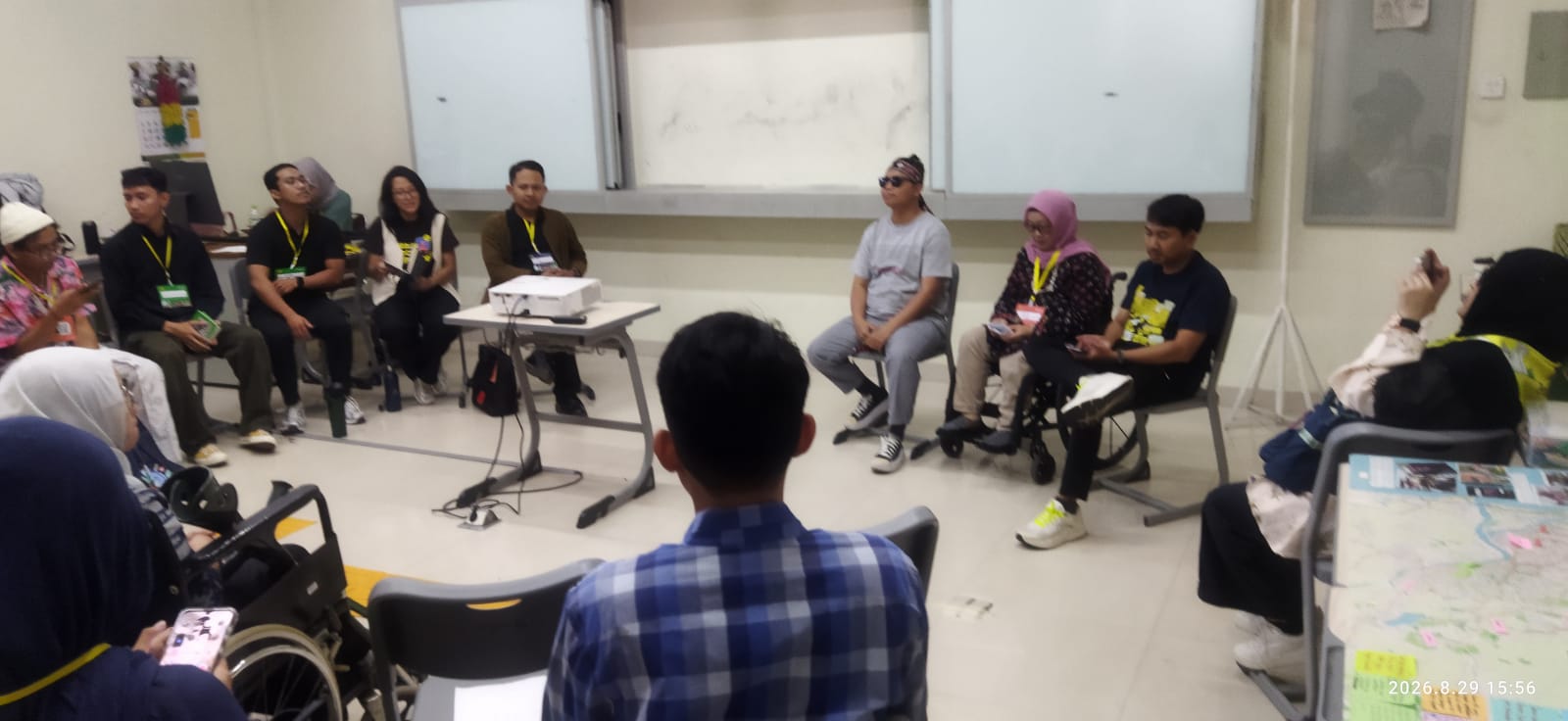
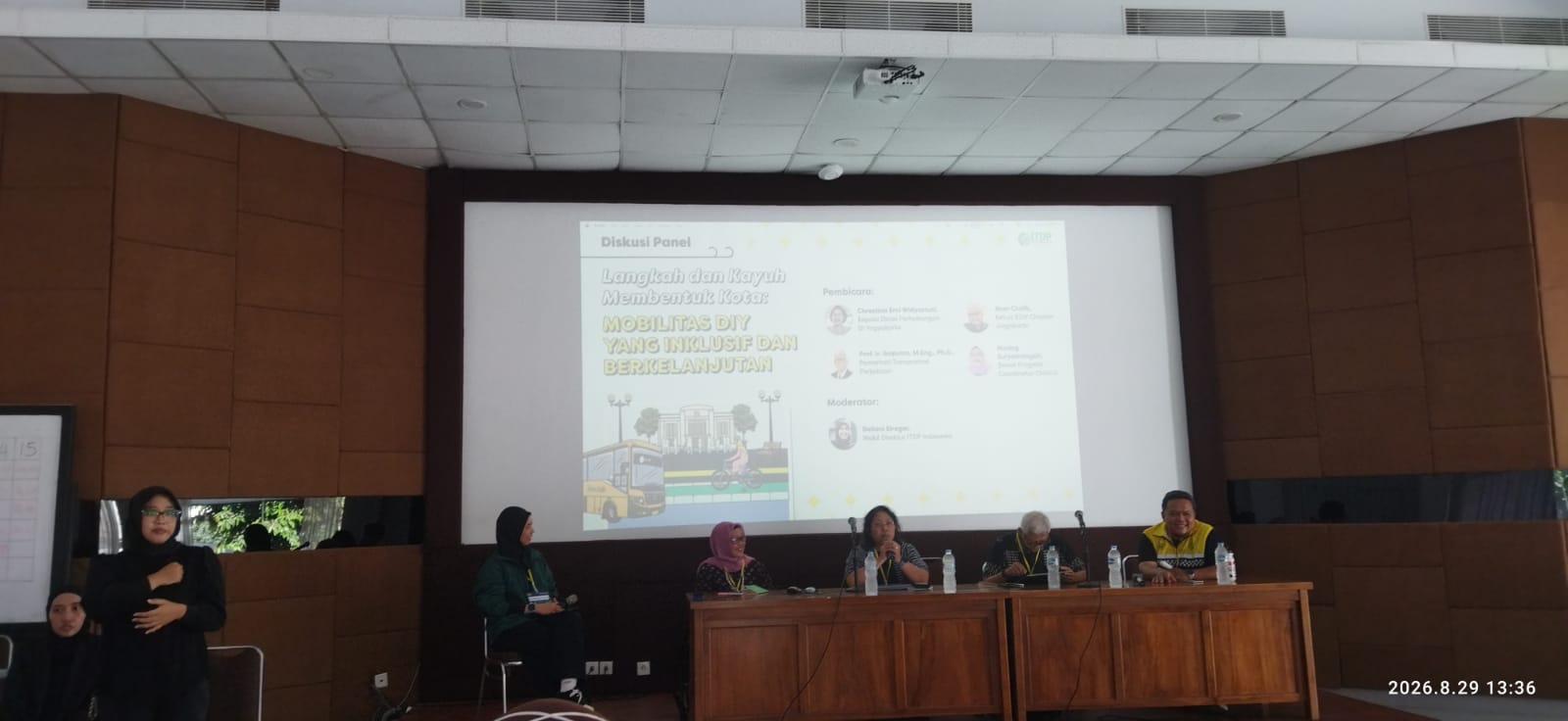
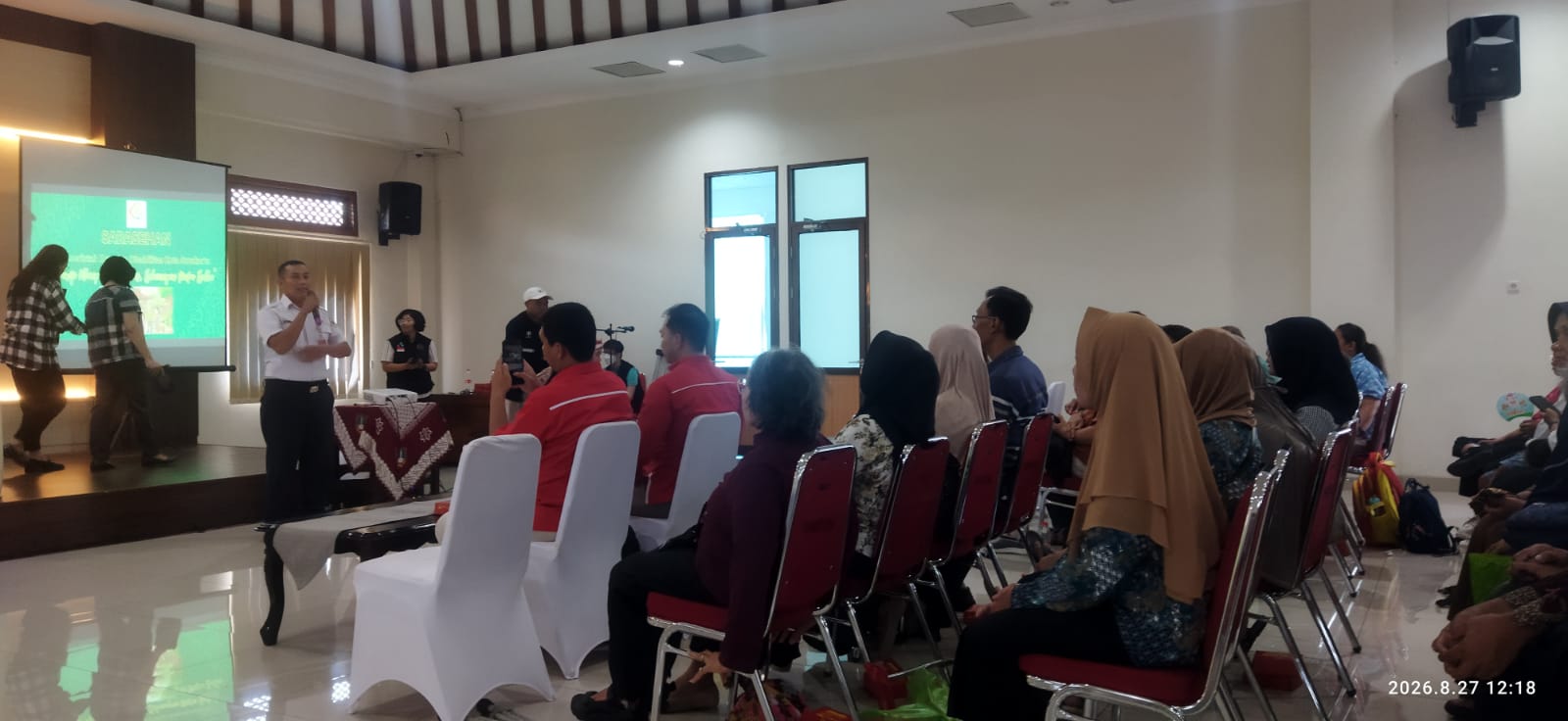
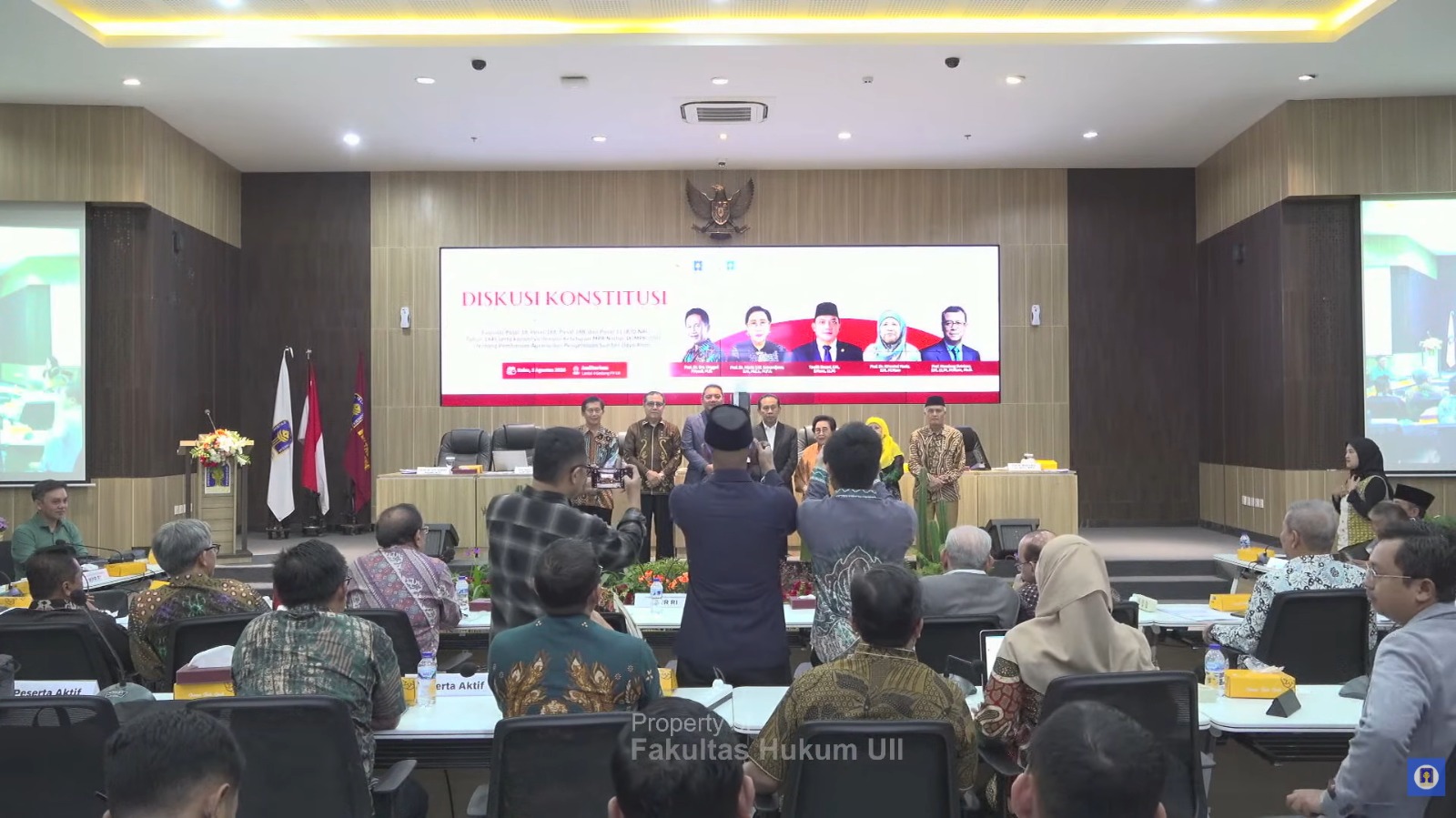
The issue was one key discussion topic about the Constitution organised by the Constitutional Review Commission (Komisi Kajian Ketatanegaraan) of the parliament and the Law Faulty of Universitas Islam Indonesia (UII) at the Auditorium Fourth Floor of the faculty Building on Wednesday (⅝). The theme of the discussion was Evaluation of Article 18, Article 18A, Article 18B, and Article 33 of the Constitution 1945 and their relation with the People’s Deliberation Assembly Decree (TAP MPR Nomor IX/MPR/2001) on Agrarian Reform and Natural Resource Management.
The forum not only questioned whether the constitutional norms remained relevant. The more fundamental question was whether the norms truly worked in people’s life. Did the State control of natural resources lead to public benefits? Was the relation between national and sub-national governments just? And whether economic development truly provided real space for indigenous people and future generation?
Those questions were important when agrarian reform could not be separated from land and natural resources control. At community level, agrarian policies did not stop at legal or administrative issues. It was also related to living spaces, source of livelihood, environmental sustainability, and community rights to define the future of their territory.
People’s Deliberation Assembly Decree (TAP MPR IX/2001) and the Unfinished Mandate
The Head of Constitutional Review of the Parliament, Taufik Basari reminded of the important position of the People’s Deliberation Assembly decree (TAP MPR Nomor IX/MPR/2001). He argued that that decree had strong link to Article 18 and Article 33 of the Constitution 1945, particularly in relations to sub-national governments, sub-national autonomy, and natural resources management.
Taufik focused on Article 6 and Article 7 of the People’s Deliberation Assembly Decree (TAP MPR IX/2001). Article 6 gave a mandate to the President and Parliament to conduct evaluation on a number of laws that showed injustices in natural resources and agrarian use. Article 7 asked the President to report the agrarian reform process in each annual People’s Deliberation Assembly meeting.
That mandate showed that agrarian reform was not meant to simply be sectoral agenda. Agrarian reform was constitutional agenda directed related to social justice and how the State managed natural resources that was essentially every citizen’s right.
Yet, after more than two decades, the question about the mandate implementation resurfaced. Had there been comprehensive evaluation of unjust regulations? Had structural agrarian conflicts been resolved? And how far had the agrarian reform budget led to true changes for those communities facing inequality in land and natural resources ownership?
Community Had to Fell “For the greatest good of the people”
The Agrarian Law Professor at Universitas Gadjah Mada, Prof. Dr. Maria S.W. Sumardjono reminded that the issue behind the People’s Deliberation Assembly Decree (TAP MPR IX/2001) remained relevant to date.
She mentioned a number of issues that had emerged since about 25 years ago, including decreasing environmental quality, degradation of natural resources, structural agrarian conflicts, and overlap and disharmony of regulations about natural resources.
Maria put Article 33 point (3) of the Constitution 1945 as a key stepping stone in assessing the issue. The phrase that the land, water, and the natural resources in it was controlled by the State and used for the greatest goods of the people should not be interpreted simply as the State having total authority.
“The greatest good for the people” had to be measured through benefits that communities could feel, equal distribution of benefits, public participation, and respect for ancestral community rights.
This way, State control did not stop at who had the authority to give permits, to define policies, or to manage natural resources. The more important measure was who got the benefits and who bore the impacts of natural resources use.
For communities living in rich natural resources, the issue was real. When land, forest, coasts, rivers, or other resources experienced changed functions, communities not only had to face the economic issue, but also the sustainability of their living space and their rights.
The State Was Not the Absolute Owner of Natural Resources
The discussion also focused on the importance of understanding the concept “control by the State” in Article 33 of the Constitution 1945.
The control of the State should not be understood as absolute ownership. The State had the responsibility to ensure that natural resources were managed for public interests, not concentrated on certain groups, and not creating extractive institutions.
It was not enough just to talk about division of authority with regards to natural resources management. Data transparency, clarity of rights, local community economic participation, sustainability of natural resources, and ecological sanctions also had to be part of the design of the institution.
Law enforcement also received much attention. When the law was ineffective and monitoring was not working, there were spaces for opportunistic behaviour and natural resource management by groups with greater access to policies.
That situation potentially kept natural resources management away from its constitution objective. Natural resources were supposed to bring benefits to the people, and yet it was concentrated at the hands of few groups with economic capital and political access.
Autonomy for Sub-national Governments and Indigenous Community
Agrarian reform issue could not be separated from the relation between the national and sub-national governments.
Constitutional Law Professor at UII, Prof. Dr. Nikmatul Huda talked about the implementation of Article 18, Article 18A, and Article 18B of the Indonesian Constitution 1945, including division of authority between national and sub-national governments, financial relations, the special status, and recognition of indigenous communities.
In the discussion, the position of the indigenous villages and communities became key point of interest. The constitution recognised the existence of indigenous communities, but that recognition needed further actions through practices and regulations.
For the indigenous people, the issue was not simply about formal recognition. Recognition had consequences on protection of living spaces, land, natural resources, knowledge, culture, and community rights to determine how to manage their living space.
For that reason, agrarian reform and natural resource management had to be built by paying attention to the community whose livelihood depended on those resources.
The Constitution Had to Be Present in People’s Life
The discussion on the constitution at UII led the discussion to one key question – how to ensure that the constitution did not stop as a legal text, but was present in people’s life?
The constitution provided the principle that natural resources had to be managed for the greatest benefits of the citizens. The constitution also provided the basis for sub-national autonomy and recognition of indigenous communities. Yet, that principle would only be meaningful if it was translated into policies and practices that guarantee justice, participation, sustainability, and protection of affected groups.
For that reason, the evaluation of the People’s Consultative Assembly’s Decree (TAP MPR IX/2001) became critical. The evaluation did not need to stop at inventory of regulation, but also had to see community experience who came directly face-to-face with agrarian conflicts, confiscation of their living spaces, environmental destruction, and gaps in control of natural resources.
For civil society, this discussion became a momentum to remember that agrarian reform was not simply a government program. Agrarian reform was part of the agenda to bring social justice and to ensure natural resource management for the benefits of the people.
The constitutional review Commission of the People’s Deliberation Assembly explained that the discussion result would be part of a broader review, complimented with various other studies and discussions as materials to consider.
It was not enough to simply “remember” the mandate of agrarian reform. People had to hold the people responsible to translate it into clear policies, evaluation to injustice regulations, agrarian conflict resolution, protection of indigenous people, involvement of community in decision-making, and sustainable natural resource management.
The measure of constitutional success was not in how many articles were formulated, but in how far promised justice had been felt by the community. (Yoh. Handharu Pratistha)