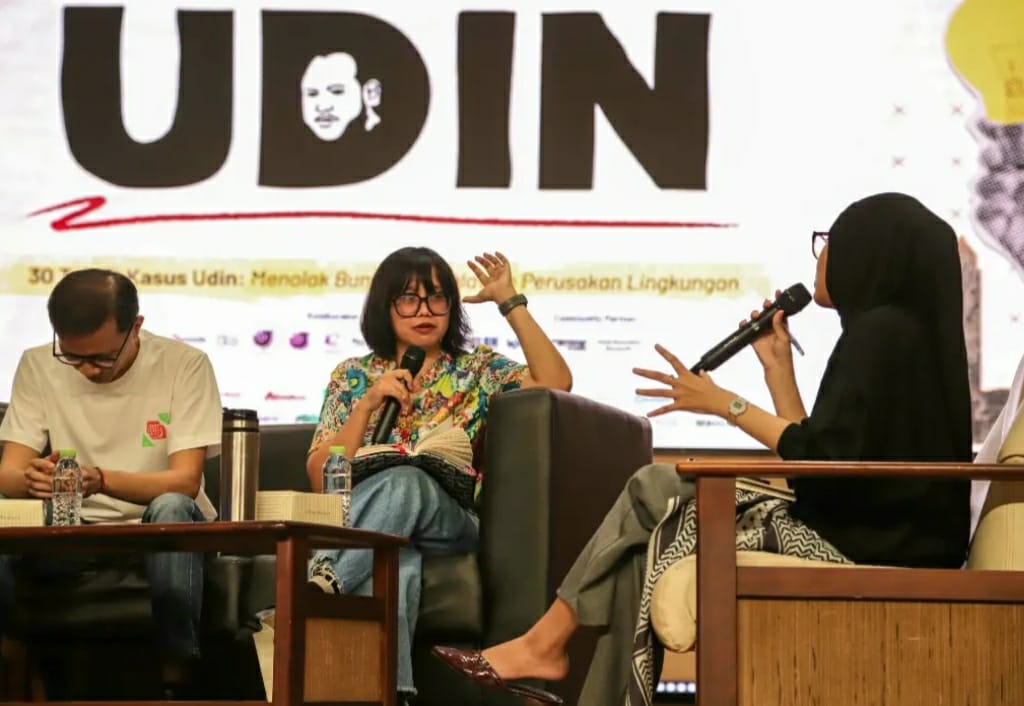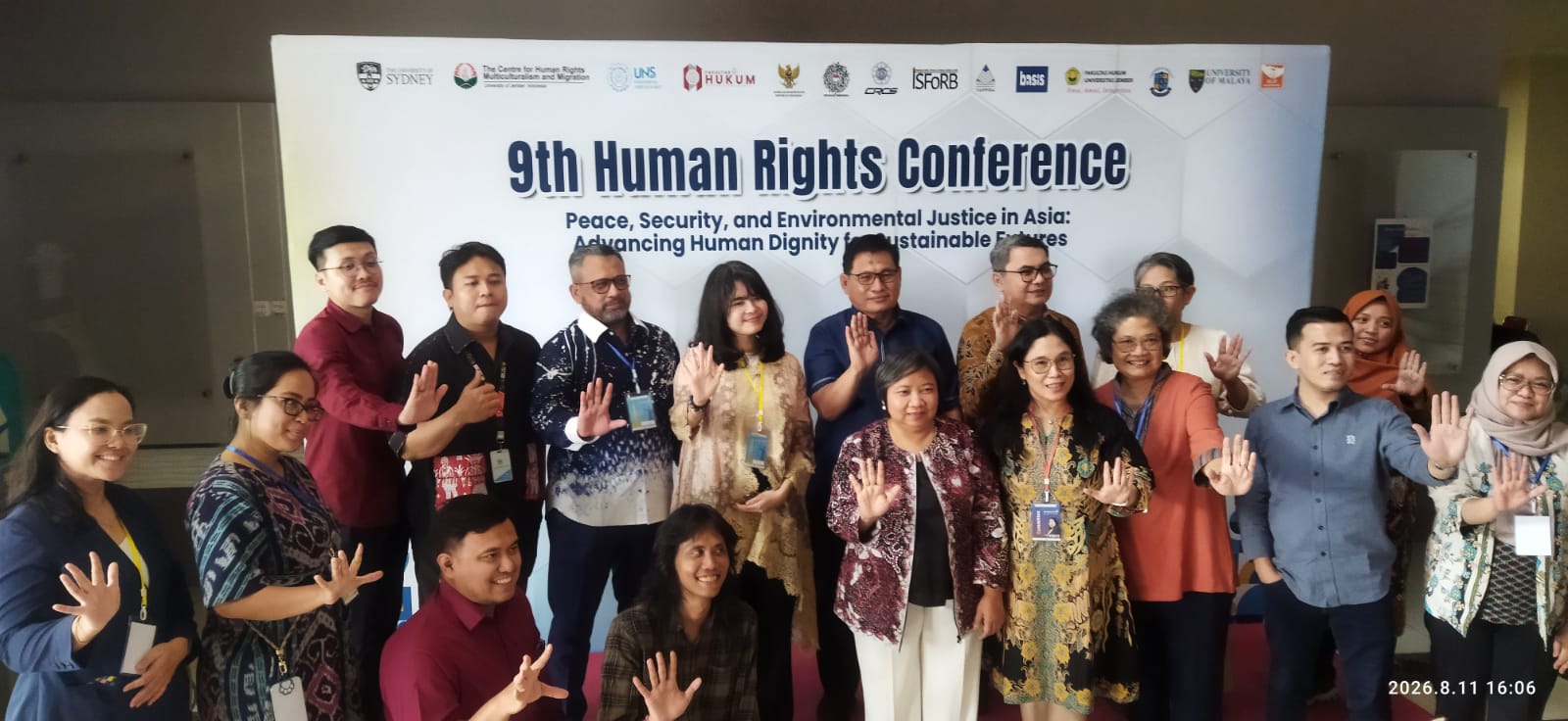




The National Human Rights Commission (Komnas HAM) was waiting for a new policy on State responsibility to rehabilitate the frights of victims of serious human rights violation and of the victims’ families. This was the theme of public discussion entitled "Preparing Policy for the Rehabilitation of Victims of Serious Human Rights Violation” or Menata Arah Kebijakan Pemulihan Korban Pelanggaran HAM yang Berat organised by the Commission in Jakarta on Tuesday (6/8/2026).
Changes in political situation, absence of new government policy and the end of Presidential Instruction No. 2 Year 2023 on Implementation of Recommendation for the Non-Judicial Settlement of Serious Human Rights Violation and Presidential Decision No. 4 Year 2023 on the Monitoring Team for the Implementation of Recommendation for the Non-Judicial Settlement caused stagnation in a number of rehabilitation program for victims of serious human rights violation.
With regards to the current situation, member of the Commission Amiruddin Al Rahab emphasised that if the government wanted to continue the policy or else issued a new policy on the rehabilitation of the rights of victims of serious human rights violation, then it had to do it right and in dignity by not rushing, in short period, which would not change the situation at all. The new policy necessitated a solid ground and had to be wholly implemented to rehabilitation victims’ rights rather than just treated it simply as projects.
He also emphasised that attempts for rehabilitation of victims’ rights did not emerge because victims demanded it, but because the State had not exercised its responsibility fully. "Accountability to victims of serious human rights violation has to be systematic, effective, useful and long-term. The State accountability to victims cannot wait any longer so policies should not be treated lightly because respect to victims was utmost important. There had to at least be descent corridor that had to be met," said Amiruddin.
With regards to perspective, he also reminded that the government policy was not a form of assistance to victims, rather it was a form of State accountability to rehabilitate victims’ rights, standing and dignity that they deserved. "The rehabilitation program is not a form of compassion but accountability for the serious crimes, therefore as long as the State had not open human rights court proceeding, then the need for rehabilitation continued," he said.
At the end, Amiruddin explained about another possibility/alternative about an independent agency to deal with the rehabilitation of victims of serious human rights violation, "Is there a need for a separate agency to ensure that victims’ rehabilitation proceeds on the right course, with the right concept, right targeting and budget? For example, the agency for the rehabilitation of victims of serious human rights violation can fully take its task seriously to deal with victims," said Amir about his idea.
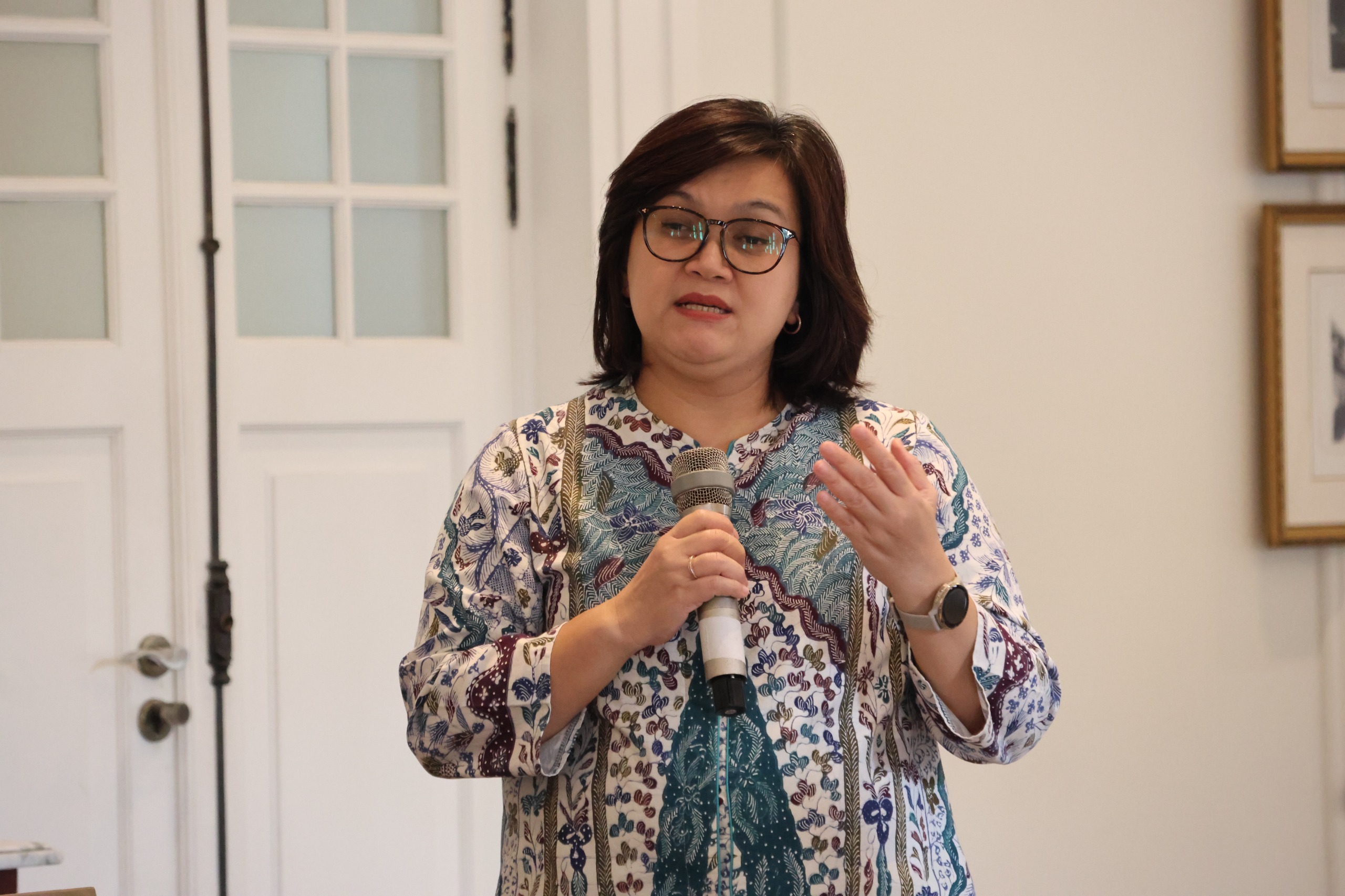
In line with Amiruddin, a member of the Commission Atnike Nova Sigiro emphasised the importance of legal certainty in resolving serious human rights violation. Atnike also focused on ways to address the issue – political solution which depended fully on the government’s political commitment. This had to be in the form of policy regulation, ideally there had to be law(s), presidential decisions (presidential directives). Atnike argued that ministries, government agencies, National Human Rights Commission, and the community had to chart this path.
"The National Human Rights Commission proposes a statutory basis to show government’s political commitment to resolve the issue and to meet victim’s rights," said Atnike to sum up the discussion.
Another discussion resource person was Dimas Bagus Aria from KontraS, while other participants included representatives of government agencies – Law and Human Rights Ministry and Immigration and Correctional Services (Imipas), National Planning Board (Bappenas), Witness and Victims Protection Office (LPSK), civil society representatives and victims of serious human rights violations who provided inputs and observation. The moderator was Ono Haryono.