



Many people often thought that Human Immunodeficiency Virus (HIV) was simply a medical issue. When a person was HIV positive, what came to mind was laboratory test, antiretroviral drugs, and regular visits to health facilities. Yet, for those living with HIV, the fact was much more complicated. They not only had to deal with the virus, but also with fear, stigma, rejection, and often loneliness.
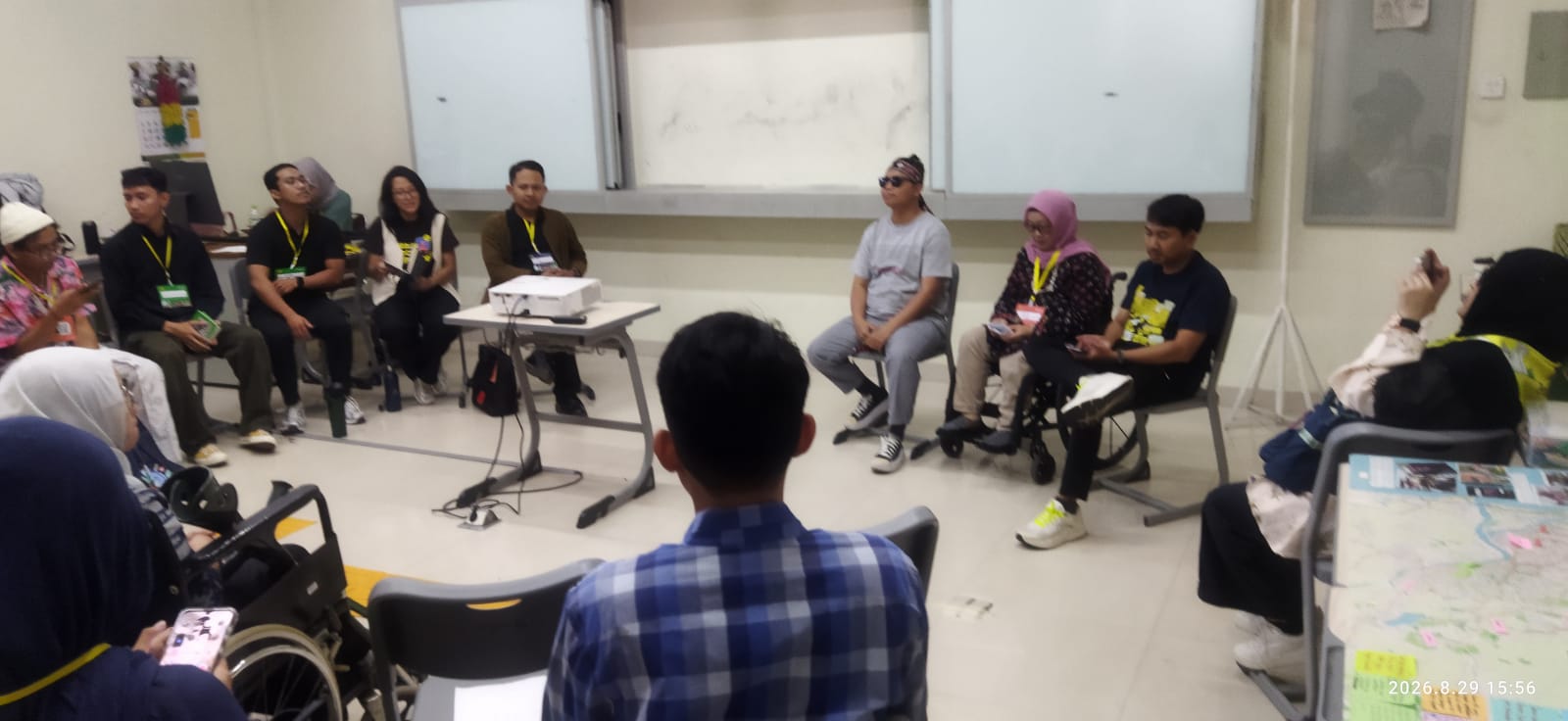
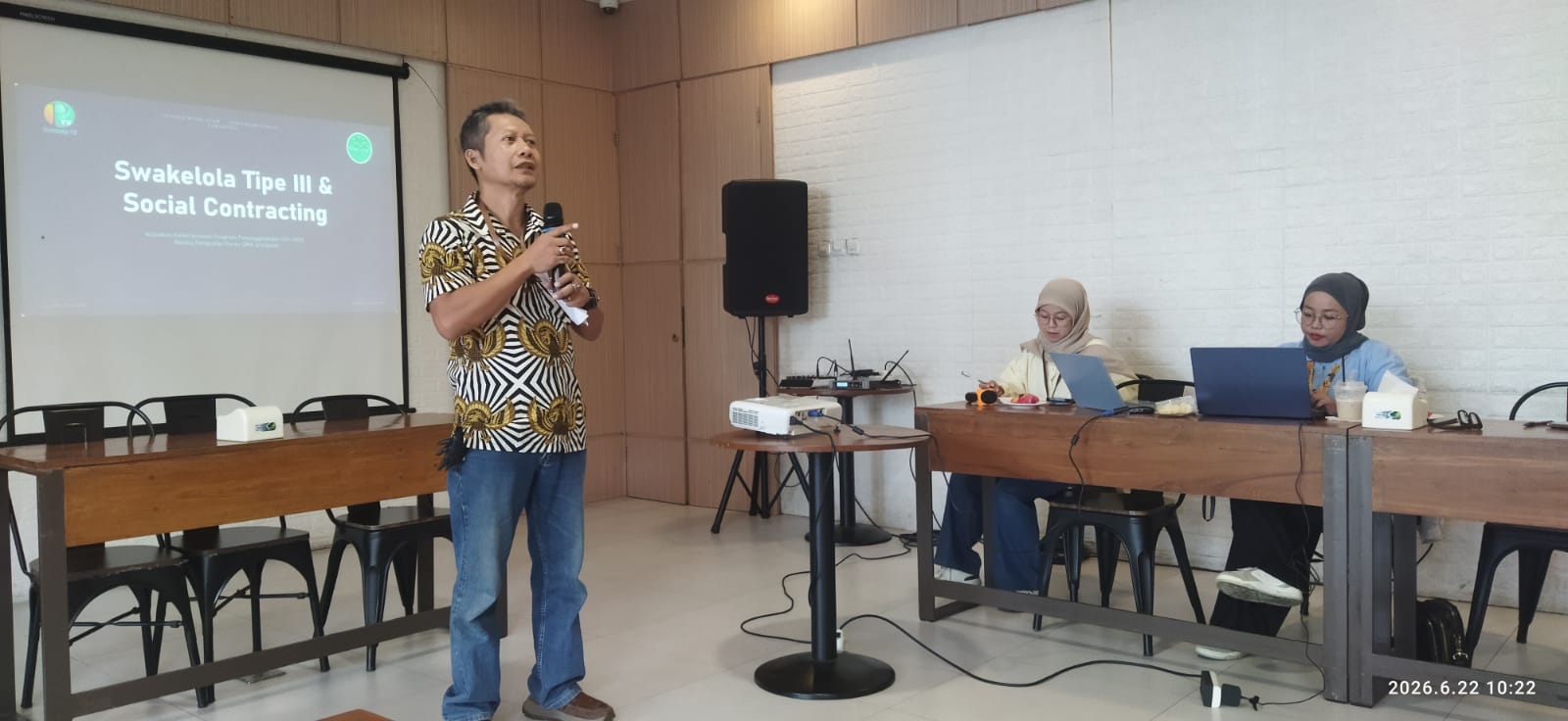
In Surakarta, the issue received major attention during discussion organised by Yayasan Mitra Alam on the topic of the continuation of HIV program, that involved the participation of civil society organisations, sub-national governments, media, and communities, on Monday (22/6/2026) at Warteg Bolodewe. In the meeting, one key message was clear: medicine was important, but equally important was accompaniment.
For more than two decades, a number of civil society organisations had served as bridges between people with HIV and health services. They helped people who had just found out about their HIV status to understand the condition they faced, to access health services, to go through treatment, and to re-gain self-confidence and to live their day-to-day life.
That role was often invisible. Yet, behind the people who succeeded in undergoing therapy, there was a long process that involved emotional, social, and humanitarian supports.
The director of Yayasan Mitra Alam, Ligik Triyogo explained that the approach adopted by his organization did not begin with a person’s identity, but with the need to protect community health and to ensure that every person had the right for health services.
One biggest challenge in HIV treatment was not how to find people at risk or providing health services, but how to access information, and how to ensure that people with HIV were willing and able to access services on an ongoing basis.
“People often perceive a person with HIV from the point of his/her identity. Rather, they had to look instead to how a person could get access to information, prevention, treatment, and support,” he said in the discussion.
For some people who just learned about their HIV diagnosis, the world seemed to crumble in minutes. A significant number of them experienced psychological shock, feeling ashamed, afraid that family would know, or concerned about possibility of loss of employment and social relations. In such situation, the presence of people who accompanied them was often critical starting point.
People who accompaniment them may not be doctors or medical professionals. They were people trained to provide information, psychosocial supports, and help them navigate available services. They listened when a person felt insecure. They accompanied when a person started therapy. They were also present when a person was about to give up.
Many people who accompanied people with HIV were from the community who had first-hand experience with HIV. For that reason, the rapport was often closer and more equal.
That role helping people with HIV for years increased chances of success in HIV treatment in many areas, including Surakarta.
Yet now, there was new concern. A number of organisations who had accompanied people with IV faced new challenge with regards to sustainability as funding supports decreased from Global Fund. Internasional funding was one major sources of funding for HIV program and now it was in a transition phase. According to Ligik, there was a decrease in support by 30-40% compared to the past support. For that reason, all stakeholders needed to find a solution so that prevention services, accompaniment, and treatment continued.
Staff of Yayasan Mitra Alam, Azkia explained that the situation demanded that all parties started to think of more self-reliant sustainability model. She said that HIV services should not stop just because funding situation changed. We were talking not simply about pprogram sustainability, but about human lives that depended on such program.
“What is needed is not simply health services, but also supports so that people with HIV could access those services,” she insisted.
Such statement described the reality that the public often missed. HIV treatment was available free of charge in many health facilities. Yet, not all people were able to access such services without any help.
Some people with HIV were afraid to go to the hospital for fear of being recognised. Some people with HIV lost their resolve for treatment as they felt alone. There were also some people with HIV who moved residence and cut off from health services. In such situation, people who accompany them were vital.
Yudi Agung Setiawan from City Health Agency in Surakarta explained that the government provided a number of HIV services that people could access. There were tens of services in community health centres and hospitals in Surakarta City. But he acknowledged that service availability did not automatically guarantee that all people could access the services. Stigma remained the biggest barrier.
For Yudi, discrimination against people with HIV may take different forms. Some may be outright obvious, while others may be more subtle such as day-do-day attitudes and prejudices.
As a result, some people with HIV preferred to hide their health status even from people closest to them. Here was where people who accompany them played important roles that administrative system alone could not do.
People accompanying persons with HIV could help build trust. They ensured that someone did not have to face the HIV diagnosis on his/her own. They helped ensure that life-long therapy be done consistently.
The importance of accompaniment was even more visible when Yayasan Lentera explained the condition on the field. Representative of Yayasan Lentera, Bandi explained that thousands of people with HIV were already connected to health services, yet some of them stopped their treatment.
They stop taking medicine because they could not find health services. Some of them stopped because they were mentally exhausted. Some others experienced economic hardship, changes in residence, or family problems. For those people accompanying people with HIV, such situation was not simply statistical numbers.
Each person who stopped their treatment had different stories to tell. There was a married woman who was afraid that her neighbours would find out. There was a worker who was afraid to lose his/her job is his/her status was revealed. There was a young man who dared not tell his family about his condition.
For that reason, measures to link them to the health services necessitated very personal approach. People accompanying persons with HIV often had to come to their house, build communication repeatedly, and help address social problems that inhibited treatment.
“When one person resumes therapy, that means we save one life and prevent new transmission,” said Bandi. Accompaniment did not stop with the health aspect.
People with HIV needed jobs, education, and opportunities to become independent. That awareness prompted government offices in Surakarta to open access for vulnerable people. The Vocational and
Productivity Training Office or Balai Pelatihan Vokasi dan Produktivitas (BPVP) Surakarta, for example, provided a number of skill training programs that could be accessed without discrimination. HIV status was not a hindrance for accessing training and certification of competence. In the same place, people with disability and other marginal groups also got equal opportunity. That policy was vital as one impact of HIV stigma was a loss of economic opportunities.
Significant number of people with HIV found it difficult to get work as long as there was stigma in the community. Yet, through regular treatment, they could live a healthy and productive life just like other people.
Integrated Centre (Sentra Terpadu) Prof. Dr. Soeharso offered similar supports through economic empowerment program. Through Social Rehabilitation Assistance Program or Program Asistensi Rehabilitasi Sosial (ATENSI), people with HIV who had a business could get aid (equipment and material support) for business expansion. Such aid not only aimed to increase income, but also to help build self-reliance and self-confidence.
On the other hand, The Education Office and the Social Office tried to ensure that vulnerable people got access to education and social protection. Those measures showed that HIV accompaniment was essentially an inter-sectoral work.
Accompaniment did not stand alone. Neither was the government. Success of accompaniment depended on collaboration of all parties, from medical personnel, social workers, civil society organisations, media, education establishment, and wider communities.
The media had important role. For years, insensitive media news often strengthen stigma towards people with HIV. Conversely, accurate information could help communities understand that HIV was not a reason to isolate a person.
For that reason, a number of media personalities in Surakarta stated their commitments to present news with a perspective on human rights and reduction of discrimination. All discussion came down to one simple conclusion: People with HIV not only need medicines, but also supports.
They needed non-judgmental people who would listen to them. They needed a system that gave them easy access to services. They needed an environment who would accept them as fellow human.
When accompaniment went well, someone who had felt desperate could see a new hope. Someone who had abandoned treatment could resume therapy. Someone who felt alone could find a supportive community.
With international donor supports dwindling, the biggest challenge was not only to maintain sustainability. The real challenge was to ensure that no person with HIV would be left behind.
The key to managing HIV was not numbers, targets, or program report. The central point was humans. And as long as there were people needing supports to survive, accompaniment remained one key humanitarian response.