



In the modern digital era, ease of interaction and data exchange brought new dynamics in human relations. The borders between forms of attention, love expressions, and control action were thin. Often, what initially started as a form of love shifted to a form of coercion, manipulation, and online gender-based violence. Understanding how to protect personal boundaries and identify danger signs in relation was critical for protection of oneself and the people around.
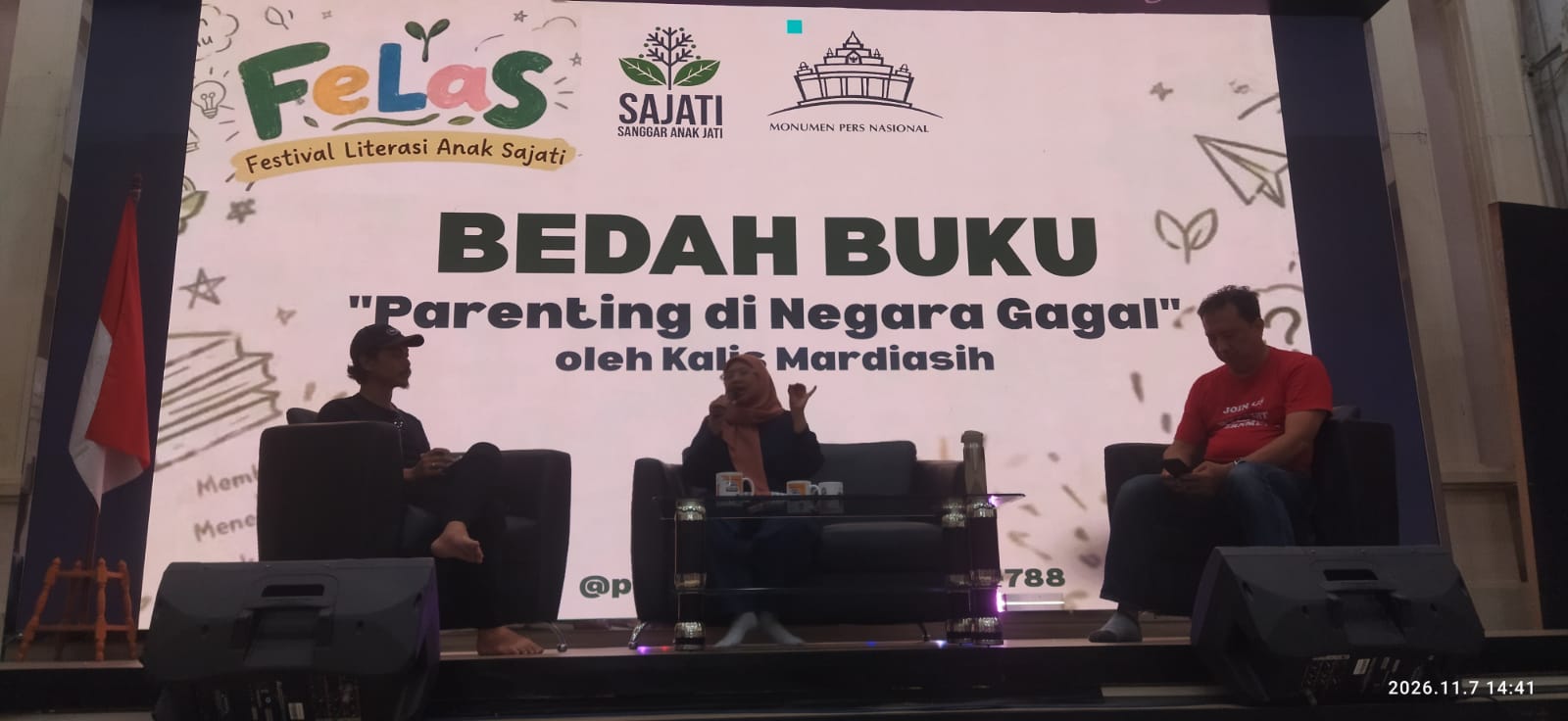
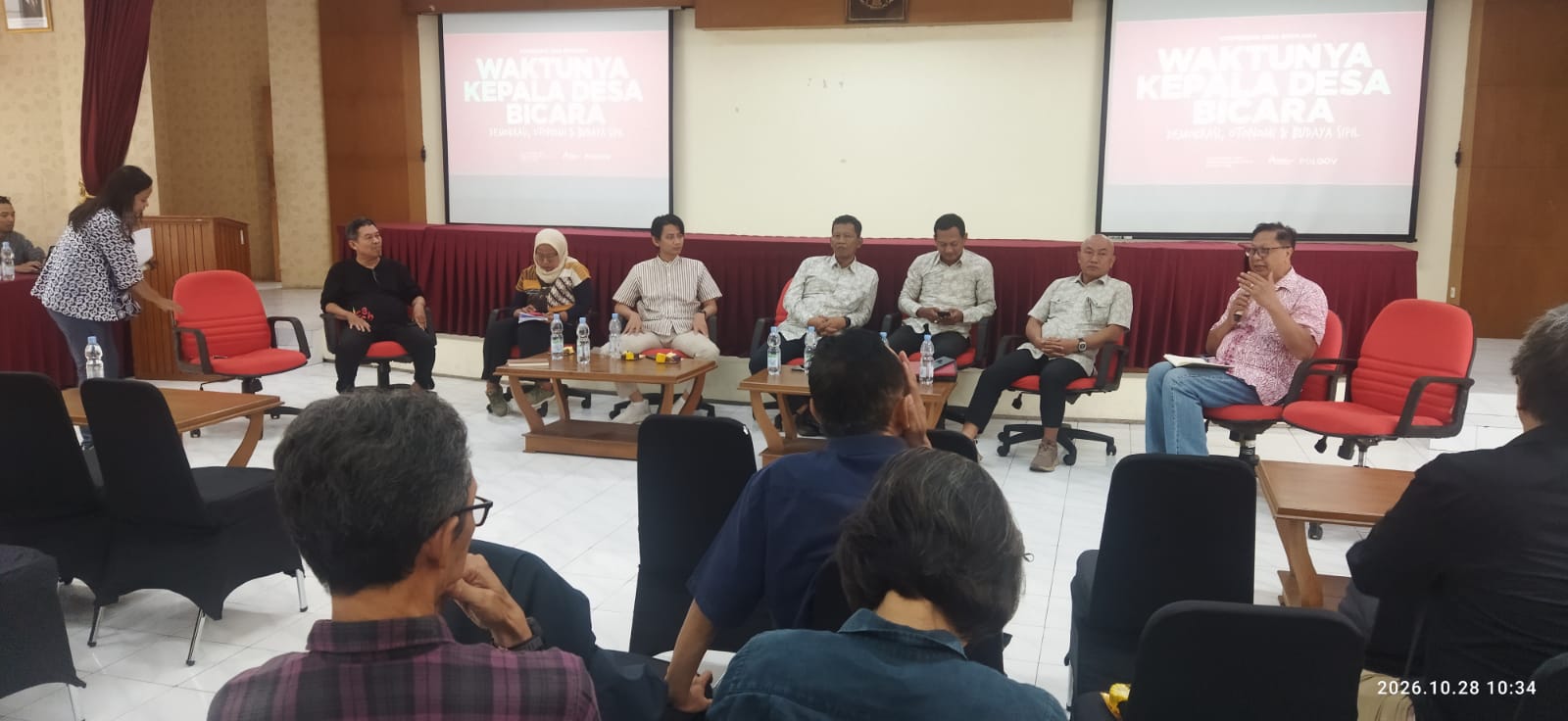
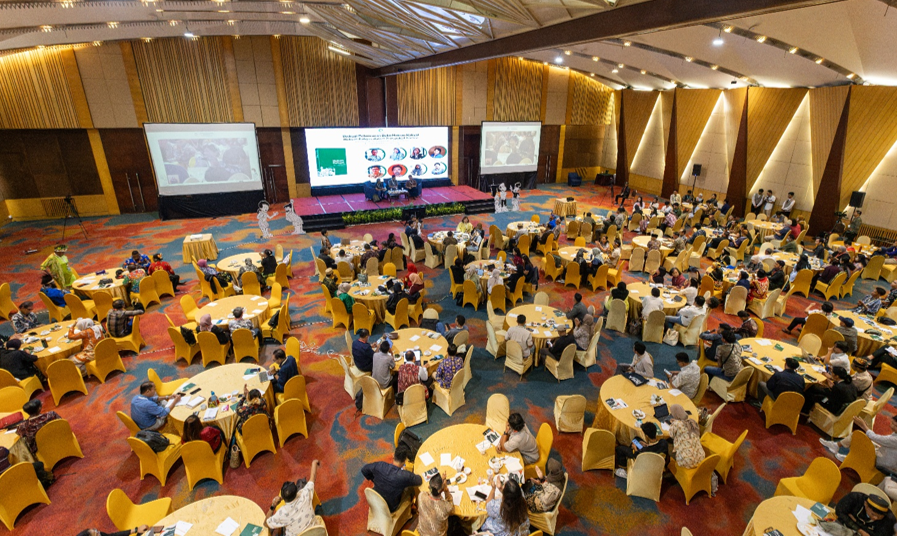
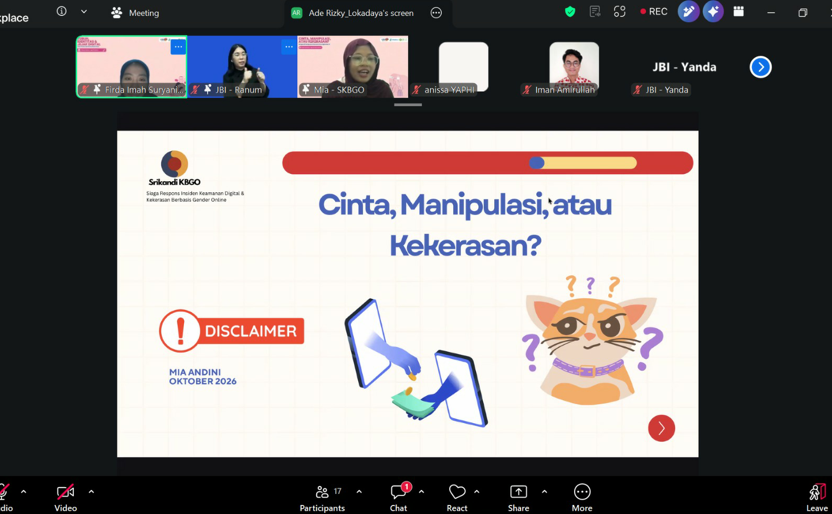
This critical issue was explored in-depth during public discussion organised by Lokadaya on Wednesday (14/10). The Firda Imah Suryani from LBH Yogyakarta was the moderator of the activity, which invited Mia Andini from Srikandi KBGO as a resource person.
Understanding Inequality in Relations in Digital Space
In an education session facilitated by Mia Andini from Srikandi KBGO, it was revealed that online-based gender-violence included all forms of gender-based violence through the use of technology or internet. The problem with digital relations was not simply about what was shared in social media, but how other people respected personal boundaries and the consent or agreement that we gave.
Identifying Signs in Relations
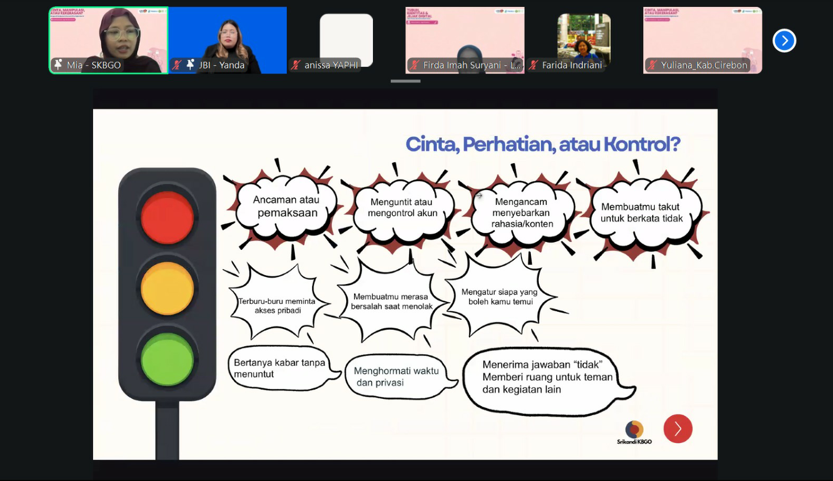
To distinguish between healthy attention and dangerous control, a simple analogy could be used – traffic signs. Safe condition was marked by mutual respects of individual privacy and by giving space for partners to continue their activities and friendship. Yet, we had to be cautious when our partner wanted to get our personal access such as account password, or made us feel guilty when rejecting our partner’s demands. Such situation showed a danger zone when threats, coercion, stalking, and manipulation of private contents were concerned.
Be Vigilant of Manipulation Patterns and the Importance of Consent
The dynamics of violence in relationship often started with a subtle pattern and did not always start with open threats. Individuals often found it difficult initially to recognise patterns such as grooming— a process to build trust and emotional proximity through attention and praise with the end aim of manipulation or exploitation. It was the same with the catfishing phenomena or use of false identity in digital space. For that reason, it was important for anyone to understand the concept of full consent, which Mia Andini explained with an acronym FRIES.
“Freely Given” meant consent given freely without emotional pressures, coercion, or manipulation. “Reversible” indicated that a consent could always be withdrawn anytime a person felt uncomfortable, despite prior consent. “Informed” meant that consent was only legitimate when a person understood clearly the context, the objective, and how private information or content was used. “Enthusiastic” emphasised that consent had to be shown actively and enthusiastically, and not simply silence or to yield under pressure. Finally, “specific” showed that consent only applied for one specific thing/action and could not be generalised for other things/actions.
From Data to Treasure that Potentially Became Weapon
In addition to understanding content, Mia Andini also focused on the importance of awareness in protecting personal data. Things we shared in digital space—from photos, voice recording, phone number, content of a message, password, to current location— were all data. For the owner, private data were treasures or valuable assets that reflected privacy and safe space.
Yet, when such valuable data was shared without due consideration or the data fell into the wrong person, then the data would potentially be misused and change into weapons. Perpetrators could make use of personal photos, sensitive information, and identity as instruments to threaten, extort, create false account, or control victim’s life. For that reason, each individual had the full right to determine what that person would share, to whom, and when the data could be accessed.
The Right Step to Deal with Threats
When in a threatening situation or when someone became a victim of digital manipulation, securing evidence of communication and taking a break were initial critical steps. Victims were advised to not yield to a person’s demand or make recurrent payments demanded by the perpetrator, and to not hesitate to seek the help of trusted people, institutions, and legal aid services.
Together Creating Safe Space for Victims
As a conclusion and a call for reflection to all parties, Mia Andini reminded of the importance of creating safe space and empathy when dealing with cases of digital violence. She encouraged participants to support each other and to not judge the victims:
"The main focus was not to judge a victim’s choices or to reject somebody, but to see the behavioural patterns, understand the risks, and to know available help. If a friend or family member said that he/she was a victim, listen without passing on judgment, ensured that it was not the victim’s fault, and offered supports as needed to their ability. We had to maintain boundaries, learn from each other, and not hesitate to seek professional help when the safe space was threatened." (Anissa Ratna)