



Ten years after the Law No. 8 Year 2016 on People with Disability was passed, disability organisations pointed out that the government had plenty of homework to do. Despite the may policies being introduced and services established, the implementation on the field could not lead to changes that people with disability could truly feel.
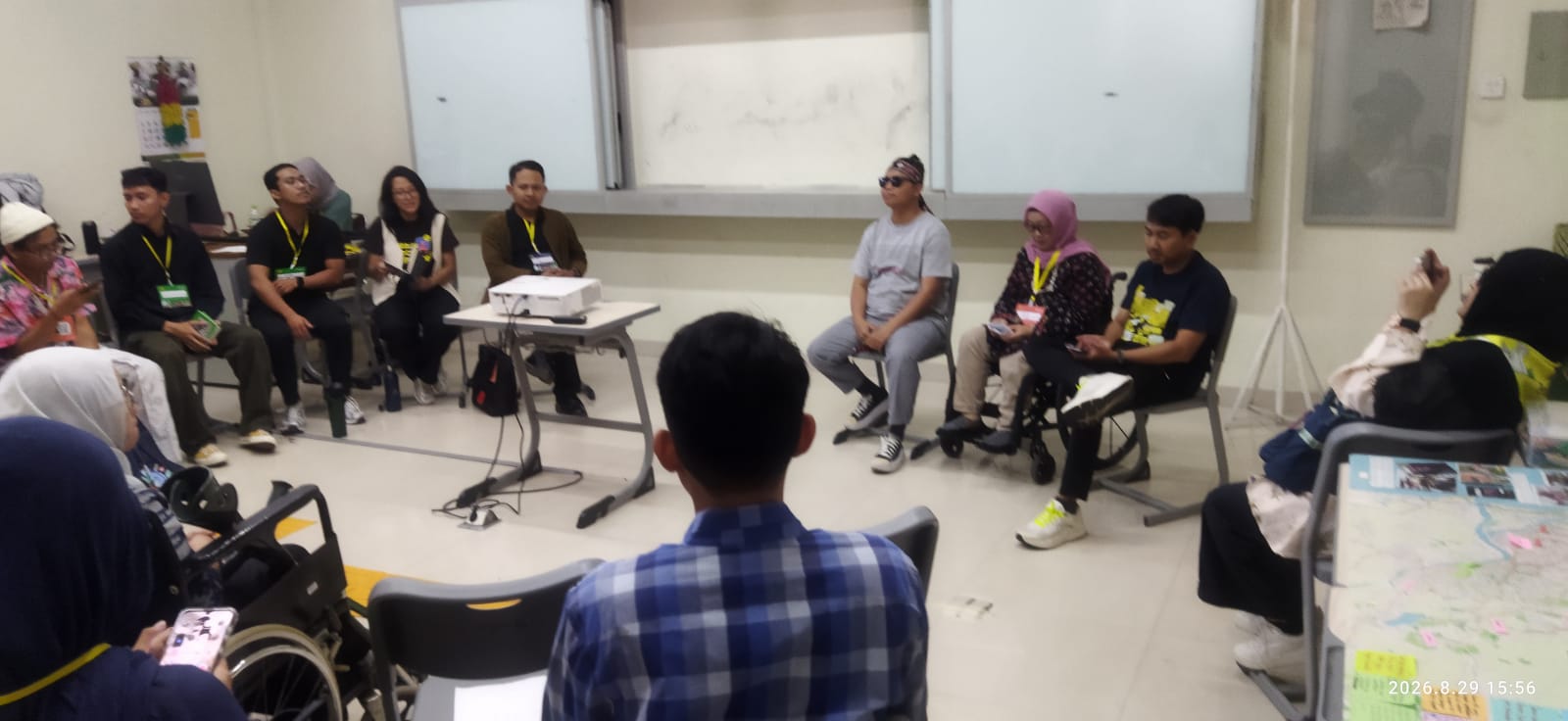
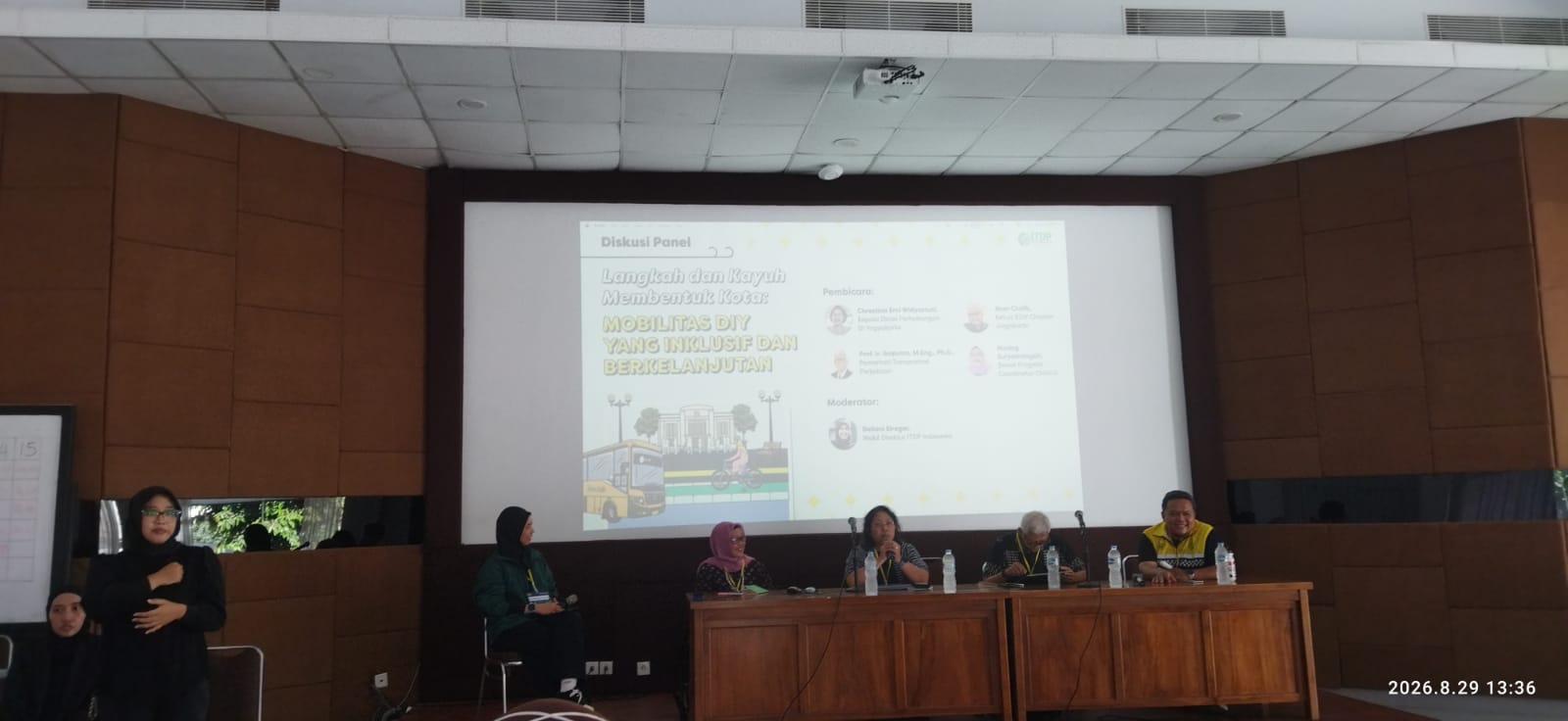
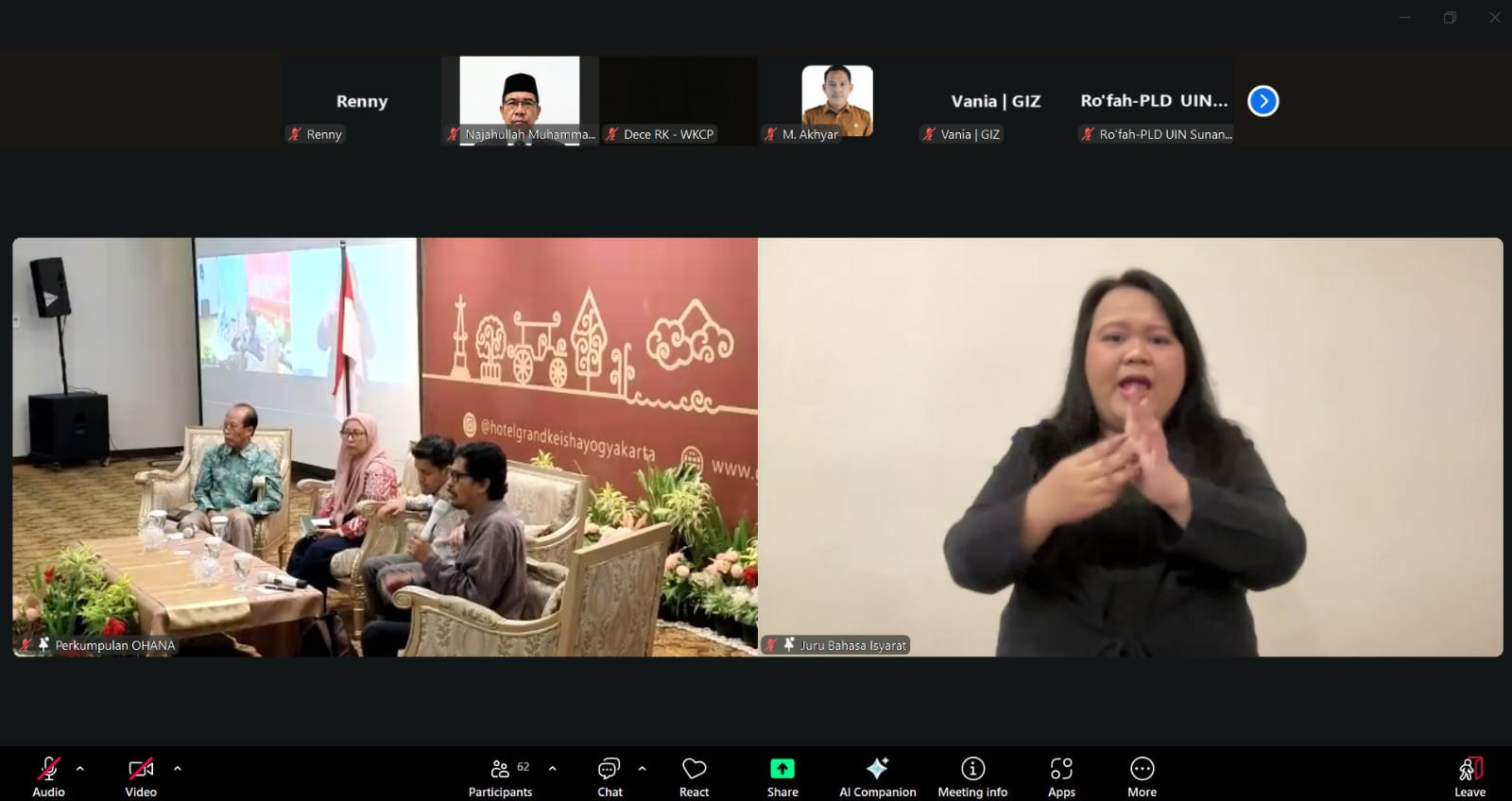
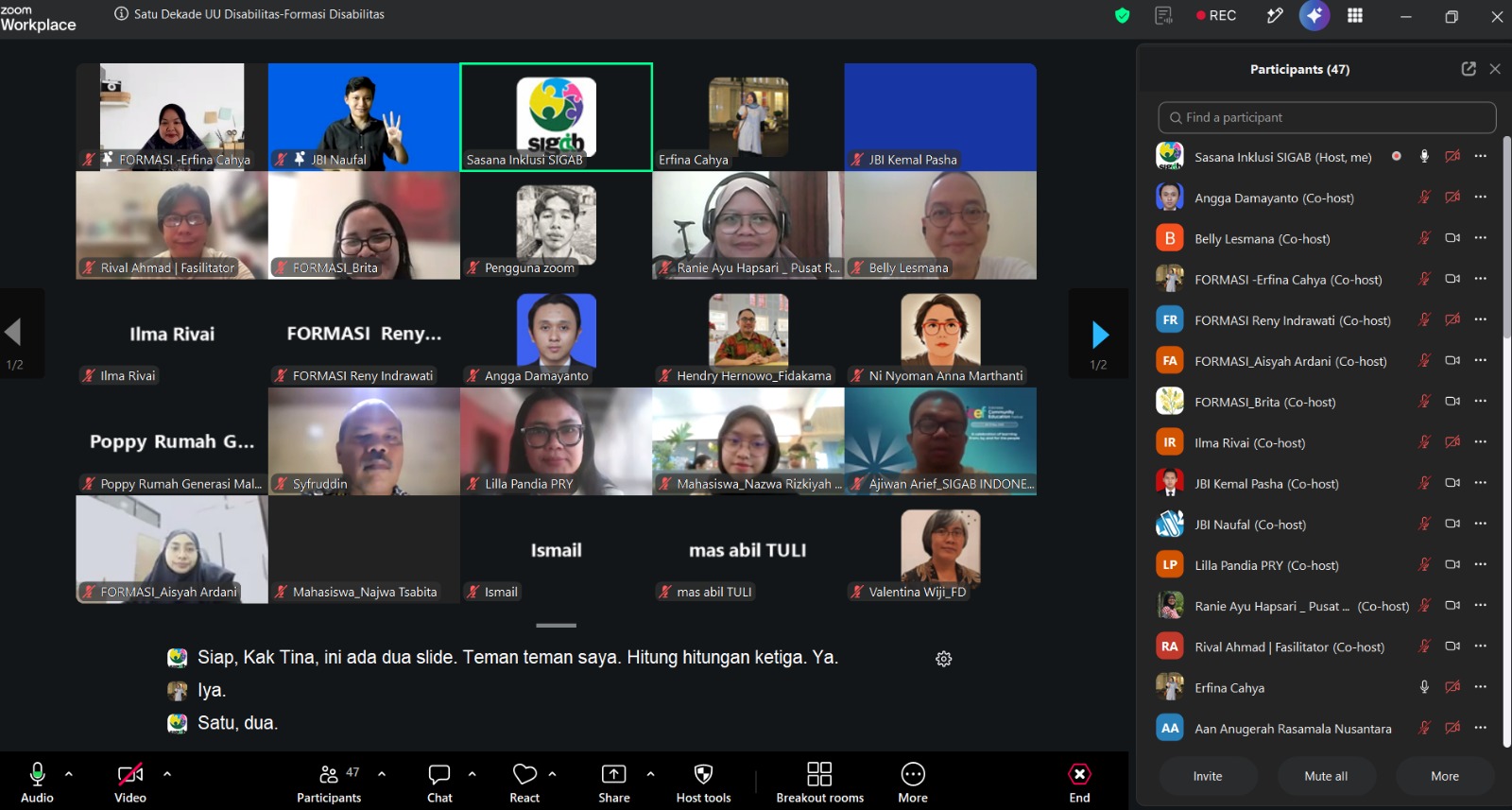
That conclusion was highlighted during Consolidation for Disability Formation (Formasi Disabilitas) Movement for Monitoring Fulfilment of the Rights of People with Disability: Celebrating One Decade of Law No. 8 Year 2016, that gathered disability organisations, accompaniments, academics, and activists from different areas of Indonesia, through online meeting on Saturday (1/8). The forum served as a reflection space for one decade of the Law implementation and for preparing strategy to strengthen disability movement for the next five years.
The Executive Chairperson of National Disability Formation, Muhammad Ismail stated that ne decade of the Law implementation should have provided momentum to see how far the State truly met the rights of people with disability, not simply counting the numbers of regulation being passed.
Ismail stated that monitoring of the Law implementation had to continue so that problems on the field could be properly documented and used for joint advocacy. He argued that annual records prepared by civil society organisations provided critical inputs to government to improve policies.
"The big question is whether Law No. 8 Year 2016 has been fully implemented, and how far the rights of people with disability is fulfilled on daily practices," he emphasised.
The presentation of the result of monitoring by Formasi Disabilitas showed that the Law implementation between 2016 and 2025 was dominated by recurrent issues. At the initial stage after the Law was passed, the government changed its approach from Charity Paradigm to Human Rights-based approach. This was important progress.
Yet, after monitoring of 16 sectors, from education, health, employment, politics and law, a number of fundamental issues had not changed much.
In explaining the monitoring result, Reny explained that there were some points of achievement, such as new regulation and the establishment of Disability Service Unit in education and employment sectors. The disability issue also received much attention in public discussion.
Yet, these changes did not fully touch the substance of the rights of people with disability. One recurrent issue was the non-integration of data on people with disability. The 2022-2023 monitoring and the 2024–2025 monitoring results showed that each ministry still used different data collection system leading to differences in data numbers. This situation made it difficult to prepare policies and services.
With regards to politics, the accessibility issue in election booths was not addressed. Representation of people with disability as election participants remained low, while the number of people with disability registered in the fixed election registry did not portray the real number.
The same happened with the employment sector. While disability service units were established in a number of areas, many were not equipped with sufficient organisational structure, resources, and infrastructure. Compliance to employing people with disability was far from stated target.
In those sectors, Formasi Disabilitas found four recurrent issues – inconsistent policy implementation, non-integration of data collection, sub-standard accessibility for public services, and symbolic participation of people with disability.
The organisation also identified a number of root problems, including inter-office fragmentation of authority, weak supervision mechanism, dependence on sub-national governments commitments for implementation, and minimum involvement of disability organisations in the preparation of the law and in evaluation of policies.
Participants’ experience from a number of areas confirmed that finding. Hendry Hernowo from Magelang District highlighted the impacts of efficiency policy on sustainability of disability groups at village level. He believed that many groups were set up and had decision letters, but found it difficult to implement activities as budget was limited.
He also exposed data collection during election. While active as the chairperson of Forum Disabilitas in Magelang District and used his voting right, he was not registered as person with disability in official data. "I am active and I am not properly registered, what happened to other colleagues who did not join any organisation," he said.
From North Sulawesi, a parent of a child with autism, participant of the discussion and a person who accompanied victim of sexual violence, Siti Khasanah stated that fulfilment of the rights of people with intellectual and mental disability was way behind that of people with physical disability. She recounted her accompaniment of two cases of sexual violence that took two years to finally get the legal attention. In one case, victim’s inability to remember the location of the incident became a major challenge in the legal process.
Issues were also observed in education sector. He pointed out that there were limited choices for inclusive schools and many families depended on schools managed by religious establishment.
Meanwhile, participant from Pidie District, Aceh, said that Pidie had qanun (Regulation) on people with disability since 2024. Yet the biggest challenge was its implementation. The participant mentioned that a number of schools rejected students with disability. In the public space, accessibility facility such as tactile path for people within vision disability was often inaccessible as merchandise piled up on the path.
Similar experience came from Bogor City. Valentina Wiji pointed to the weak inter-organisation coordination amongst sub-national governments as the cause of inaccessibility of accessibility facilities with light poles, pedestrian benches, and fire hydrant blocking the way.
Other participant, Joni Yulianto saw the main problem in the last ten years was synergy between Law No. 8 Year 2016 with other regulations. He showed an example of concession policy that used poverty approach and the absence of sufficient protection for workers with disability.
In group discussion, participants then prepared a number of strategies to consolidate disability movement in the future. One key recommendation was to strengthen disability organisations through member data collection, capacity mapping, consolidation of organisational governance, and development of more independent funding sources.
Others participant argued that inter-sector coordination had to be strengthened in order to avoid fragmented services. They proposed the establishment of a permanent coordination forum involving sub-national governments, legal aid organisations, disability organisations, schools, and law enforcement officials. In addition, accessibility had to be re-articulated as a right which the State had to meet, not as social assistance or charity.
The forum also recommended consolidation of evidence-based research as basis for advocacy, establishment of expert teams, network strengthening to village level, and increasing meaningful participation of people with disability in every process of policy formulation.
In closing a series of consolidation, participants agreed that the fight to inclusive society had not been achieved. A number of notes compiled by the forum would be used as basis for setting strategic agenda of Formasi Disabilitas and advocacy to government.
Formasi also published press release after the consolidation, in the form of strategies in responding to the issues and to strengthening disability inclusive movement. The eight strategies were as follows:
Strengthening regulation advocacy capacity: Importance of conducting in-depth review of regulations, particularly with regards to synergy with disability law, including review of the impacts of budget efficiency policy on meeting the rights of people with disability.
Monitoring of political rights and right to meaningful participation: Despite regulation on meaningful participation for people with disability in election, the implementation at sub-national levels had not been up to the quality expected as voting organiser group had too much workload on its plate hat disability issue was overlooked. Collaboration with the General Election Commission was critical, by establishing roadmap to ensure the rights of voters and alternative accessible voting booths. This included also the relation with the involvement of people with disability in planning, implementation, and evaluation of policies.
Optimising the roles of National Disability Commission or Komisi Nasional Disabilitas (KND) in monitoring and advocacy for the fulfilment of the rights of people with disability through compilation of aspiration from sub-national levels as recommendation for the government.
People with Disability Card or Kartu Penyandang Disabilitas (KPD): The need to review Integrated National Social and Economic Data (desil DTSEN)-based KPD that from poverty data. FORMASI Disabilitas would prepare review and evidence-based policy brief pointing out that the arrangement had not worked effectively.
Legal protection for victims of violence: The importance of promoting FORMASI Disabilitas paralegal team members to work across sectors with government technical office for women and children protection (UPTD PPA) and Women Empowerment Office.
Development planning and budgeting at national and sub-national levels: the importance of penting proactively monitoring planning processes at various levels, capacity strengthening for inclusive disability analysis, finding gaps, and monitoring of process and preparation of planning documents.
OPDIS (Disability Organisations) Network Synergy: the need to raise awareness of rights of people with disability amongst service providers and improvement in effectiveness of public awareness.
Organisational financial independence: consolidate internal financial resources to minimise dependence. (Ast)