



Law No. Year 2026 on Victims and Witnesses; Protection introduced a major change in the victims and witnesses’ protection system. The law not only consolidated the Victims and Witnesses Protection Agency (LPSK), as the new regulation also brought hopes that the protection services would be more easily accessible to communities, including those living in remote areas.
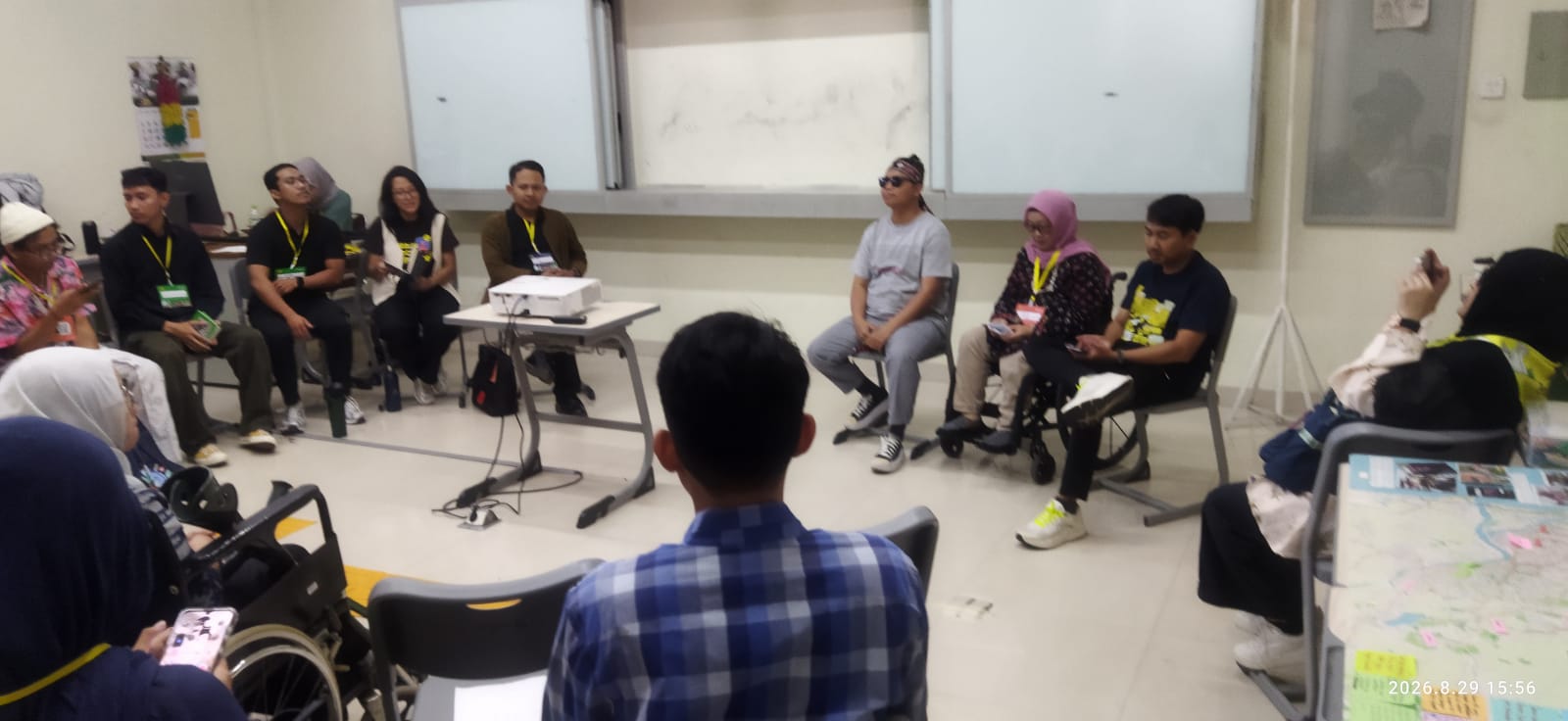
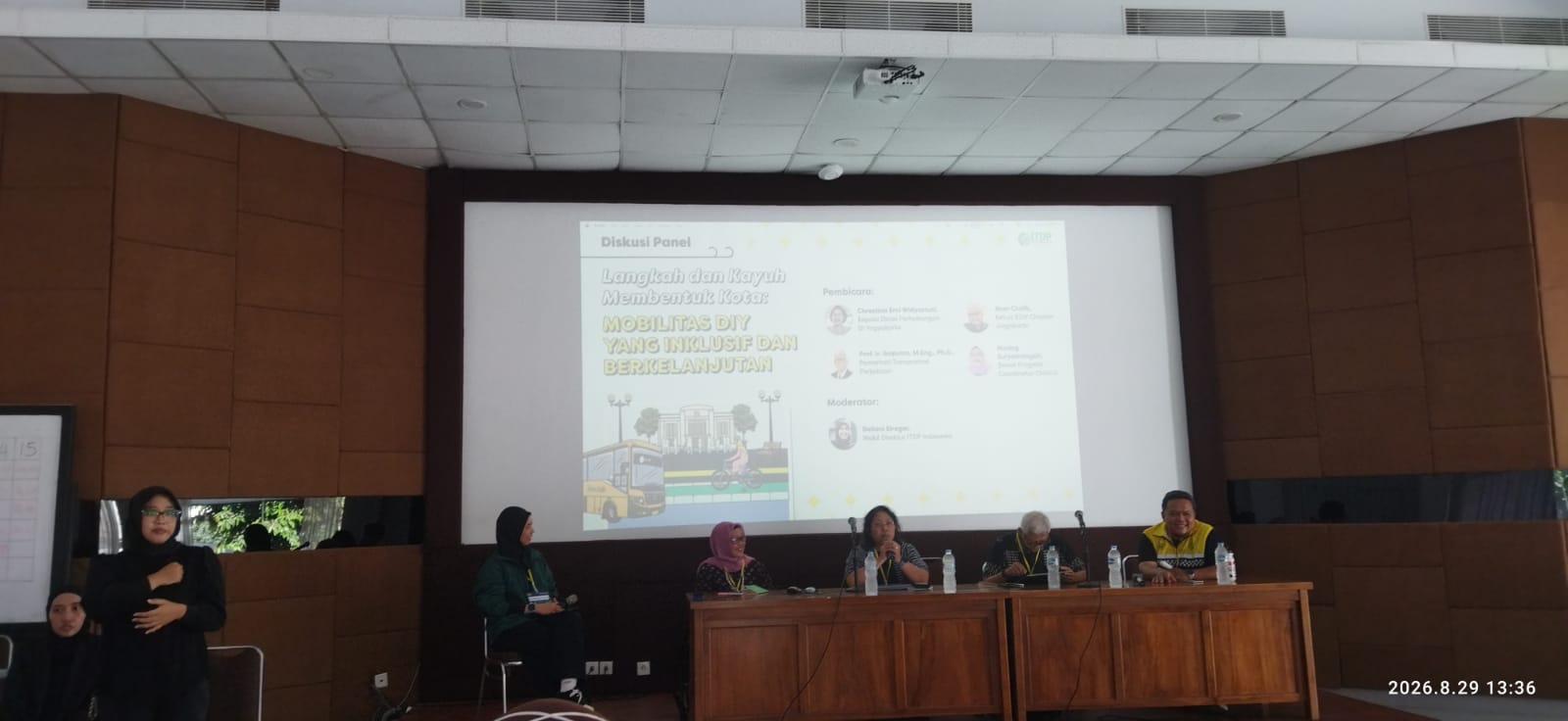
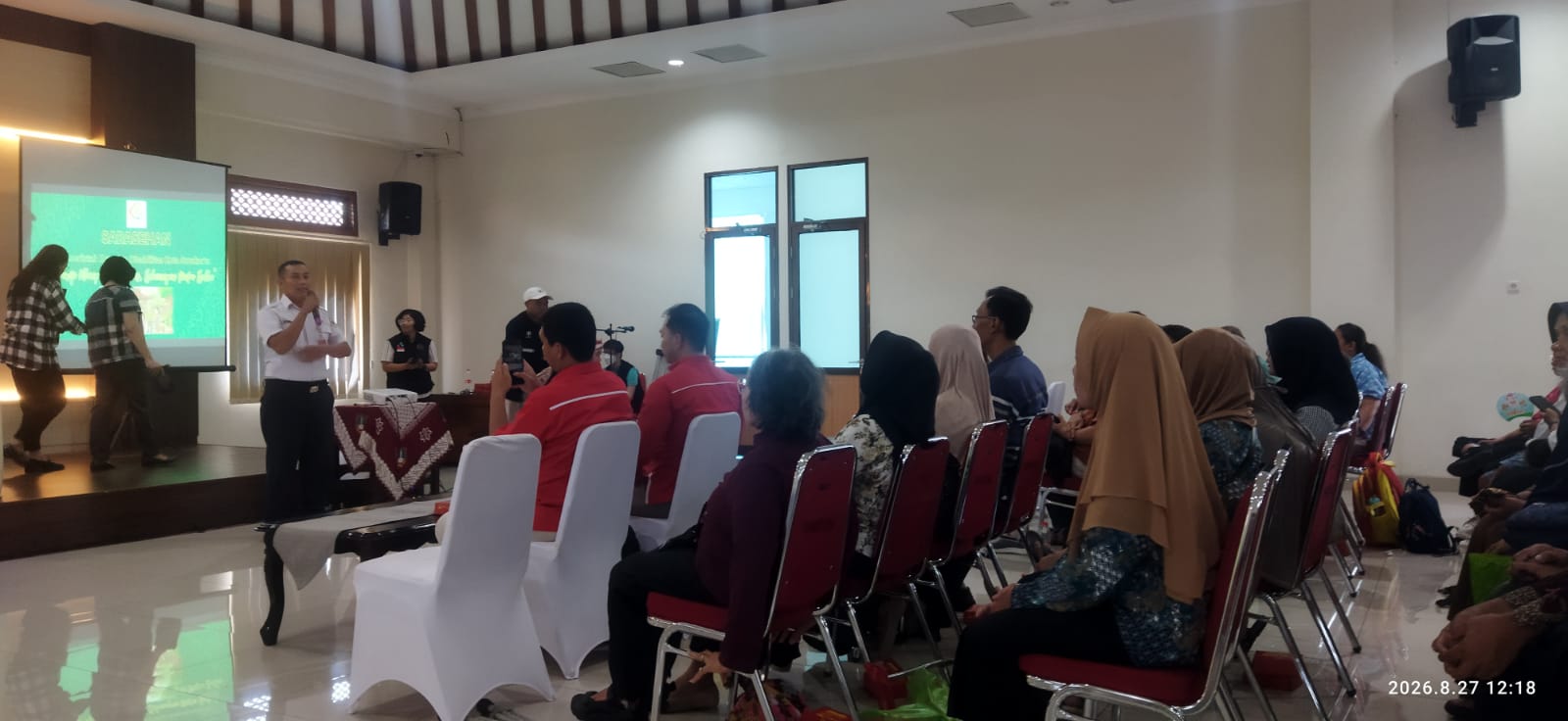
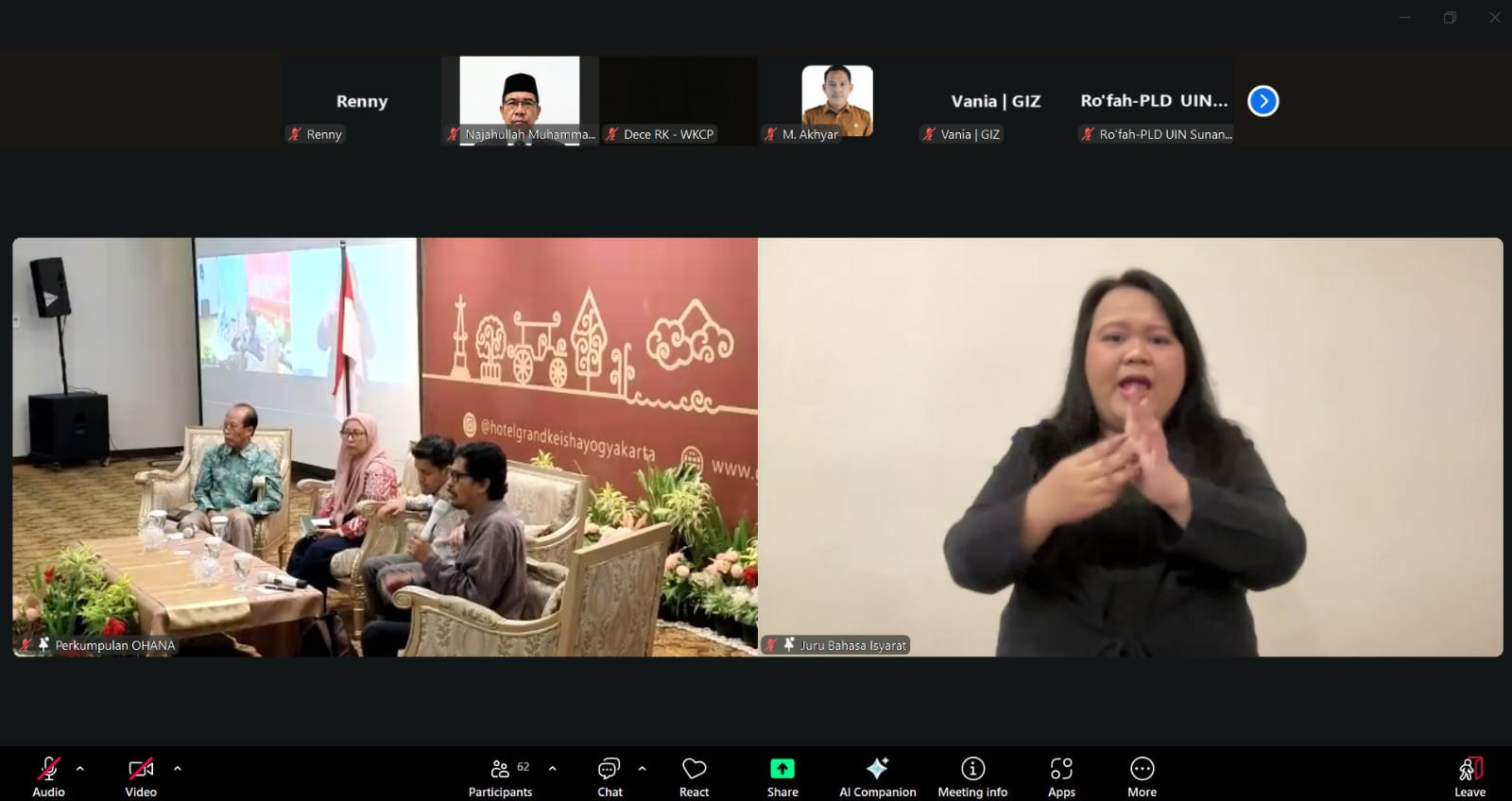
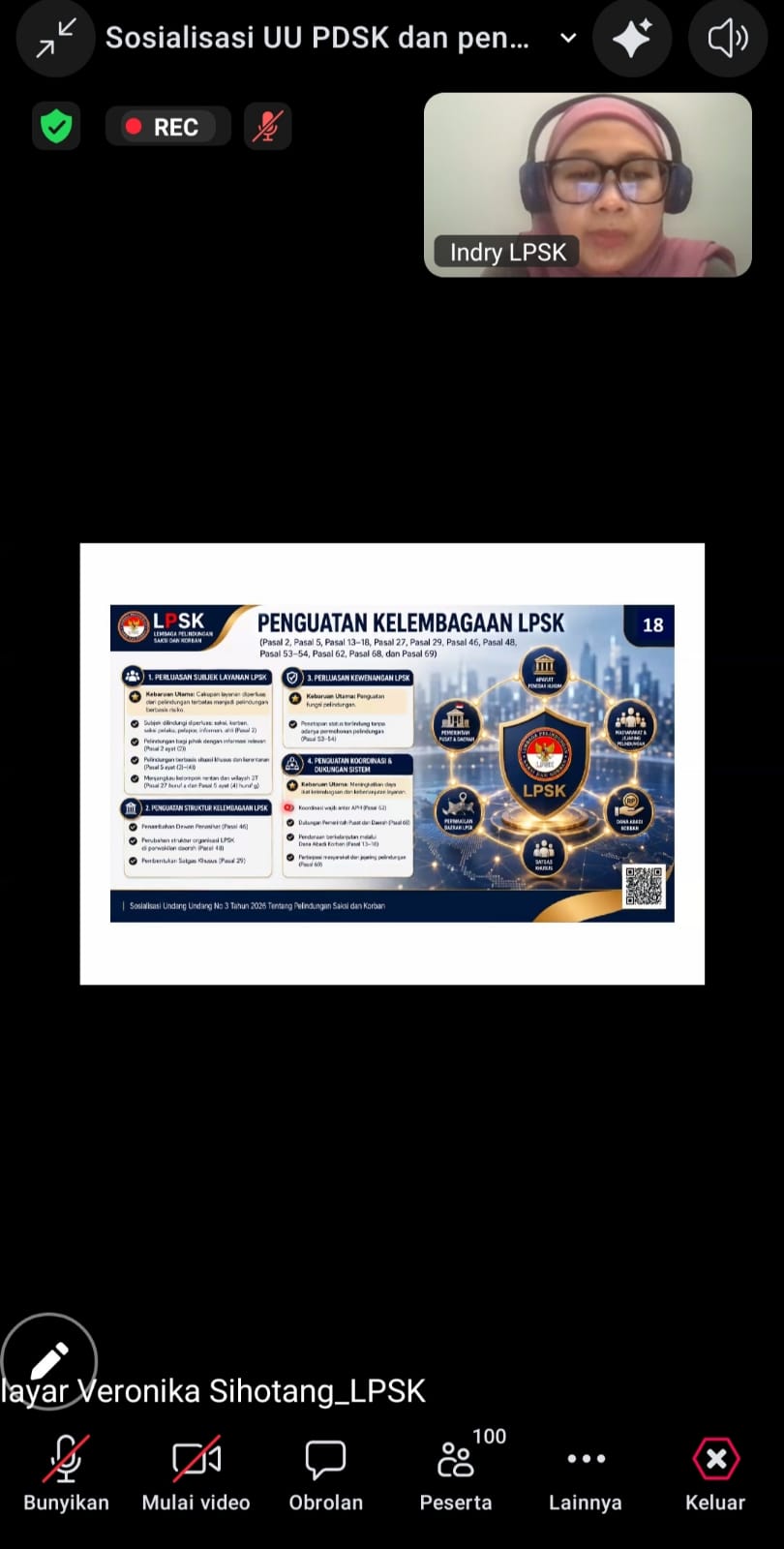
The change was one key topic in the online discussion that featured LPSK officials and civil society organisations, people accompanying victims, and a number of service organisations from sub-national regions in Indonesia, on Thursday (2/7). The forum did not only talk about the key content f the new law, but also a venue for sharing experience about the challenges that victims faced when accessing protection and recovery.
Indryasari from the Legal Bureau of LPSK explained that institutional consolidation was vital issue in Law No. 3 Year 2026. Prior to that, LPSK was allowed to establish representative offices in provincial capital cities, but now such initiative could be done at district and city level as required.
The Indonesian geography did not allow services to always be concentrated in provincial capitals. In border areas, or areas with high vulnerability, or areas with high number of certain criminal activities, the State presence close to communities was vital.
"The geographical situation in Indonesia does not allow for LPSK’s presence to be concentrated in provincial capital cities. A number of areas need protection services at district and city levels," she explained.
Now, LPSK had offices in Yogyakarta, Medan, Semarang, Surabaya, and East Nusa Tenggara, as well as liaison offices in West Nusa Tenggara and Bangka Belitung. In the future, LPSK expected to increase its presence so that communities no longer needed to travel so far away to access protection services.
Institutional consolidation within LPSK would also be matched with broadening central and sub-national governments’ responsibility. In the latest law, the government had been encouraged to prepare laws that supported victims and witnesses’ rights, allocate funds, prepare health services and psychological recovery, and build ongoing protection programs.
In addition to the government, civil societies also had more space to be involved. Community organisations, communities, and volunteers were expected to become LPSK partners in reaching out to victims which would otherwise find it difficult to access government services.
In the discussion session, the restitution issue was one of the issues participants wanted to know. A participant asked what happened to victims when the perpetrators died before the legal process was completed, and restitution to victims could not be fulfilled.
Indryasari explained that restitution was part of victims’ rights for recovery that should not just be ignored. For that reason, from the initial investigation stage, she expected that there had to be perpetrators’ asset seizure so that in case the perpetrators were not able to pay, the asset could be auction to fulfil victims’ rights.
"Restitution is part of victims’ recovery. Whether there is a legal process or not, victims’ rights must be respected," she highlighted.
She acknowledged that more detailed mechanism had to wait until the implementing regulation was in place. Yet, LPSK insisted that victims did not need to lose their rights just because the criminal proceeding stopped.
Another prominent issue was the reluctance of law enforcement officers to integrate restitution into the case handling. For Indryasari, Law No. 3 Year 2026 confirmed the investigators’ and prosecutors’ obligation to facilitate restitution calculation.
"The word is 'compulsory' in the Law. The investigators and the prosecutors must help victims by first of all providing information, preparing all necessary required documents, and identifying losses suffered by the victims," she said.
In addition to restitution, participants also questioned the mechanism for seizure of assets, protection for vulnerable victims, to LPSK strategy to reach out to people in remote areas. Indryasari explained that LPSK assessment did not only cover physical threats, but also considered social vulnerabilities, stigma, adn discrimination against victims.
Inputs from the field were consolidated with experiences of people accompanying victims. Ina Irawati from WCC Dian Mutiara Malang explained how her organisations accompanied victims access LPSK protection.
She acknowledged that coordination with LPSK had become much better than in the past. Yet, there remained challenges, particularly as the management process involved many different units, from the team’s overview, case manager, to restitution officers. This situation forced those people accompanying victims to communicate actively with many parties to monitor the progress of each application.
For Ina, the new challenge appeared as soon as she used the Management Information System for Witness and Victim Protection (SIMPUSAKA). The application sped up administration, but victims often had to submit a variety of documents in a relatively short time period.
"For victims still in trauma, going through care, even having pregnancy after the violence, submitting all necessary documents no a short time period was not easy feat," she said.
She also reminded that the victims’ need may change during accompaniment process. For that reason, monitoring was necessary so that health services and psychological recovery could be adjusted to victims’ most current condition.
Similar experience came from Women’s Voice from North Sulawesi (Suara Perempuan Sulawesi Utara) working in small islands and outer-most and remote islands of Indonesia. Limited internet network, transports, and minimum number of people able to accompany victims became daily challenges.
In a number of cases, victims had to be moved to safer places because they received intimidating messages from perpetrators and their family. Those accompanying victims and civil society organisations had to find temporary home to ensure that victims were able to attend the legal process without any threats/intimidation.
Yet, they acknowledged that Friends of Witnesses and Victims Program (Program Sahabat Saksi dan Korban or SSK) was very helpful. The program linked victims living far from the capital city to LPSK so that the application for protection could proceed asap.
Indryasari welcomed the inputs. She said that the experience of those accompanying victims would valuable for the evaluation during the preparation of government regulation that would translate Law No. 3 Year 2026 into actions.
"Inputs from colleagues who accompanied victims offered points for thought so that the future protection mechanism could be better," she said.
The discussion continued with introduction of SIMPUSAKA. Representative of LPSK, Ayub Oktaviano explained that the application was developed so that communities no longer needed to come to the head office in Jakarta to apply for protection.
"Many people asked whether communities outside of the capital city had to come to the main office in Jakarta. The answer is no. As long as they have access to the internet, communities can make an account and apply through SIMPUSAKA," he said.
Ayub explained that the process consisted of two stages – making an account and submitting an application. He reminded that all data were filled to match the official ID, using Indonesian language, and applicants supplied copies of ID card, household card, police report, chronology of incident, and other legal documents.
Through SIMPUSAKA, the victims themselves or victims’ representatives could lodge the application, the latter included parents, investigators, prosecutors, or accompanying organisation(s) as per directive.
Yet, there were notes during the discussion with regards to use of application. Ina Irawati shared her experience when she accompanied a victim using SIMPUSAKA. She said that she received a notification that the documents were not complete, despite their efforts to upload all documents at the beginning. When all documents were re-uploaded, she was asked to send the documents via WhatsApp.
She also received a notification that the application could not continue, and when she confirmed with an officer, she was told that the case handling was still ongoing.
In response, Ayub explained that the status "discontinued " did not mean that the application was rejected. The status appeared when there was double application from other offices or when the administrative requirements were not met within specified timeframe.
"If applicants could not provide all documents in light of the victims’ condition, the application can always be re-submitted after all documents are ready," jelasnya.
The moderator pointed out that the experience offered important note with regards to the improvement of SIMPUSAKA. The moderator said that digitalising services was truly important, but we had to monitor the users’ situation, particularly victims and their accompaniment who were not used to using a digital system.
The moderator proposed a communication a quicker channel between users and LPSK staff so that technical challenges could be addressed immediately without undermining protection process.
In closing, the moderator expressed appreciation to all speakers and the hundred participants who participated in the discussion. Participants’ enthusiasm showed that the need for information regarding witness and victims protection was paramount.
The discussion forum became a space to match policies with realities on the field. Inputs from those accompanying victims would be key to improving Law No. 3 Year 2026 and the progress of SIMPUSAKA, so that the key objective of witness and victim protection – to ensure that every victim got a sense of security, safety, recover, restitution, and access to justice – can be a reality. (Ast)