



Many young people today may only think of the May 19 Incident as a collection of dates, name of people, and historical archives a fair distant from their daily life. Not all people could smell the stench of fire burning, hear gunshots, or live in fear as previous generation experienced. Yet oddly enough, the wound remained fresh, even for those born after the reform or who were too young to remember.
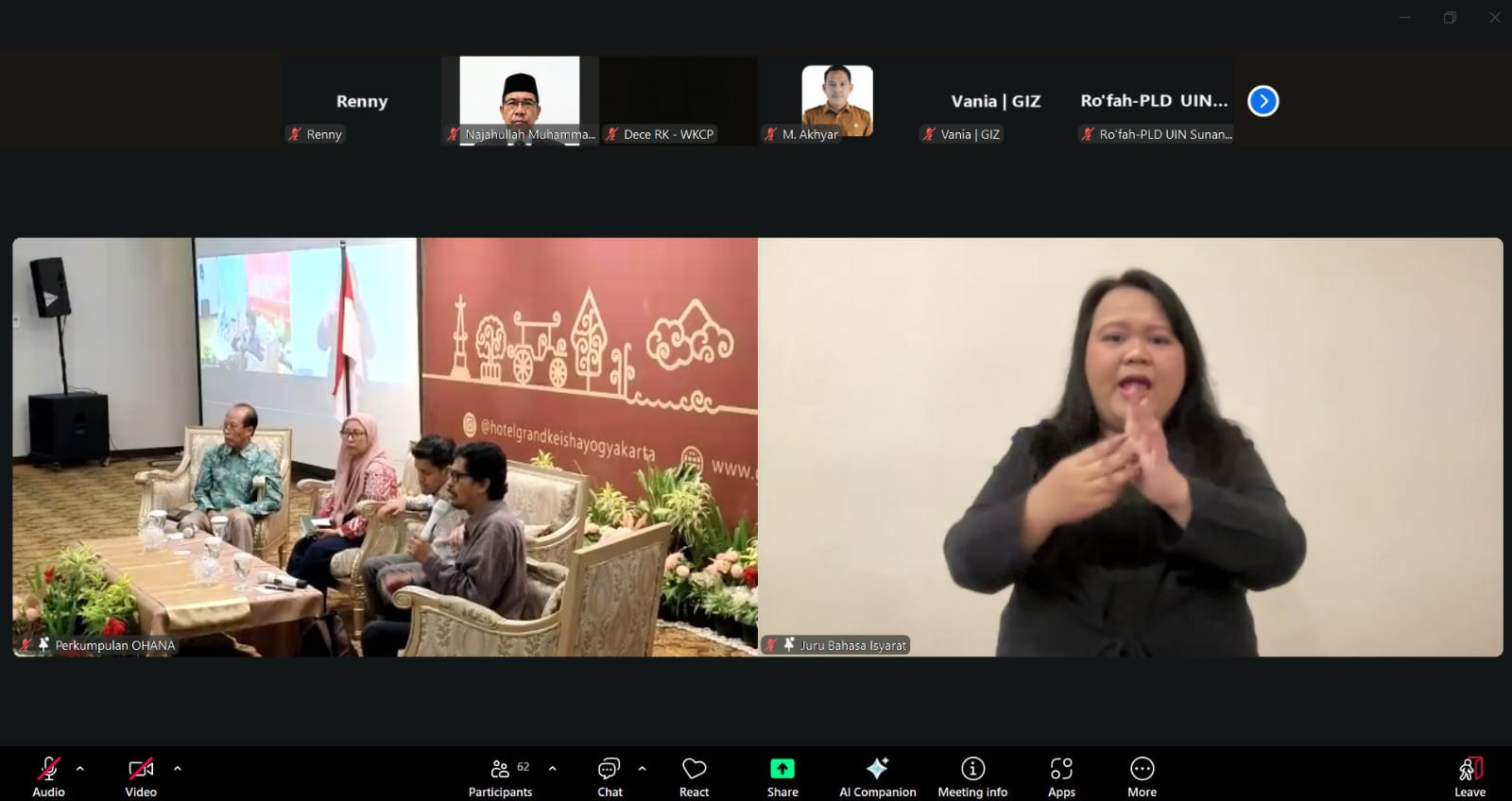
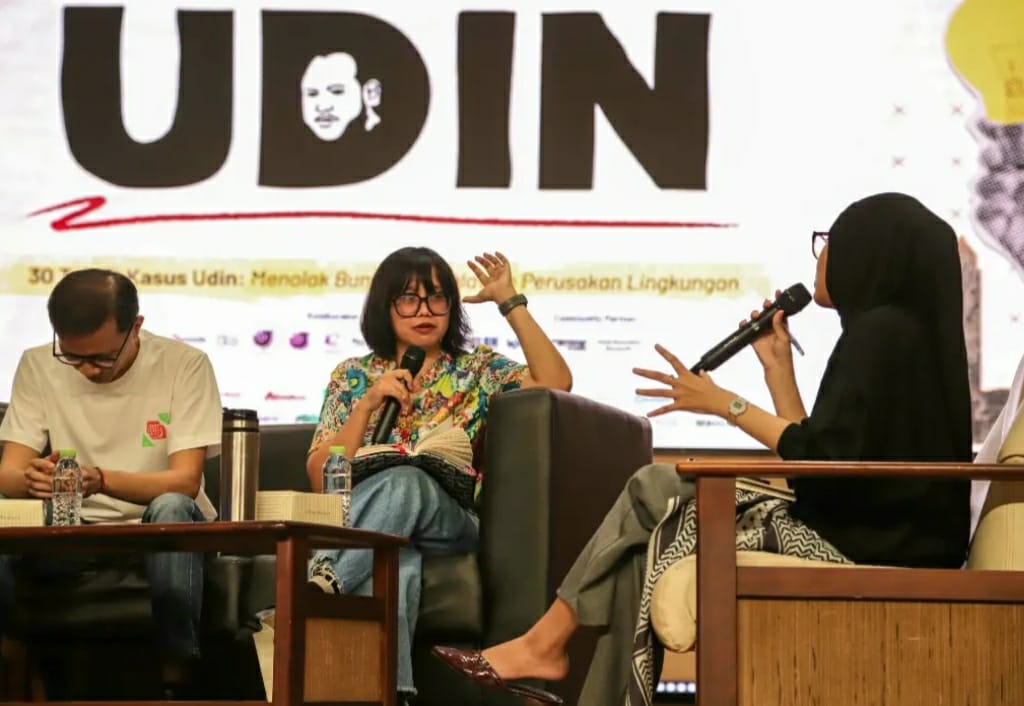
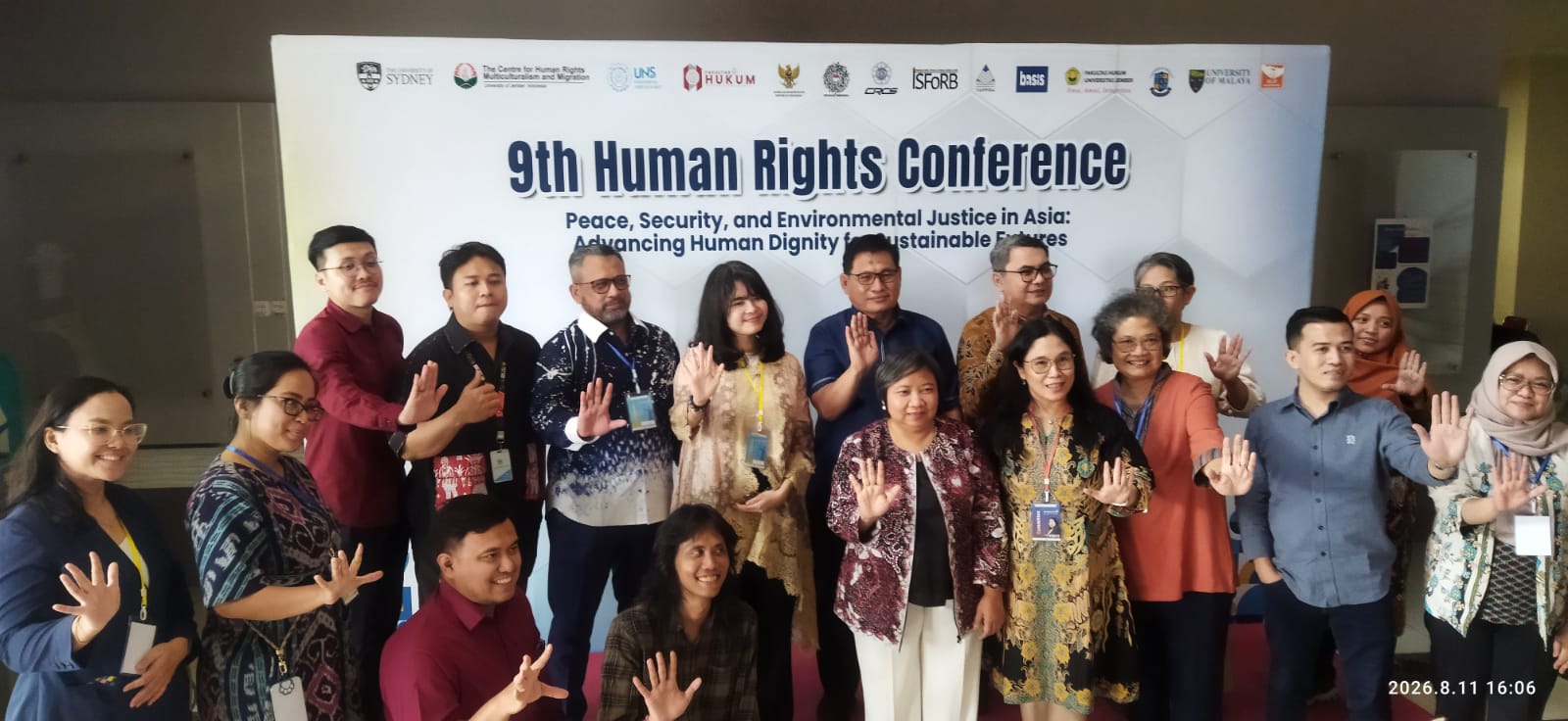
In a discussion organised by the National Human Rights Commission on May 1998 entitled "Re-Play 1998, Through Representation of Popular Culture," host Ayu acknowledged that she did not had direct experience of the tragedy. She was not in Jakarta when the incident happened, she did not see the flames, and did not live in the moment’s political chaos. But when she heard about the incident, read novels, saw the films, or absorbed popular culture about the reform, she noticed something: collective trauma indeed was inherited through stories.
That realisation made this discussion interesting. The incident in 1998 was not just an inherent part of the victims, but also part of the nation’s memory that kept surviving through art, literature, music, and film.
Human rights activist and National Human Rights Commissioner and resource person, Amiruddin stated that human rights were often too complicated to explain simply through data and formal reports. Many people found it difficult to understand the feeling of loss, fear, or violence committed by the State just by listening/looking/reading at numbers and document. For that reason, humans needed other medium t understand history – through stories.
Amiruddinlived through the reform era. He personally knew activists who went missing in 1998. Of 13 activists kidnaped and never returned, most were his personal friends. Yet he understood that personal experience was not sufficient to draw public empathy. When someone only told stories about his/her own suffering, other people may listen in a moment of seriousness, and then forgot it. Yet when that experience inspired a novel, film, or other artform, the story lived longer and touched more people.
He gave an example of an artform that made people cry even when they had not experienced the tragedy. Imagination helped people to enter into other people’s experience. That was how art worked, not simply giving information, but instilling a specific taste.
A similar experience happened to other resource person, novelist Leila Chudori. As a journalist who experienced media shutdown during New Order era, she felt that there were so many historical stories that would fill journalistic reports. Media only provided limited space, while harm and trauma were more complex than a few news pages.
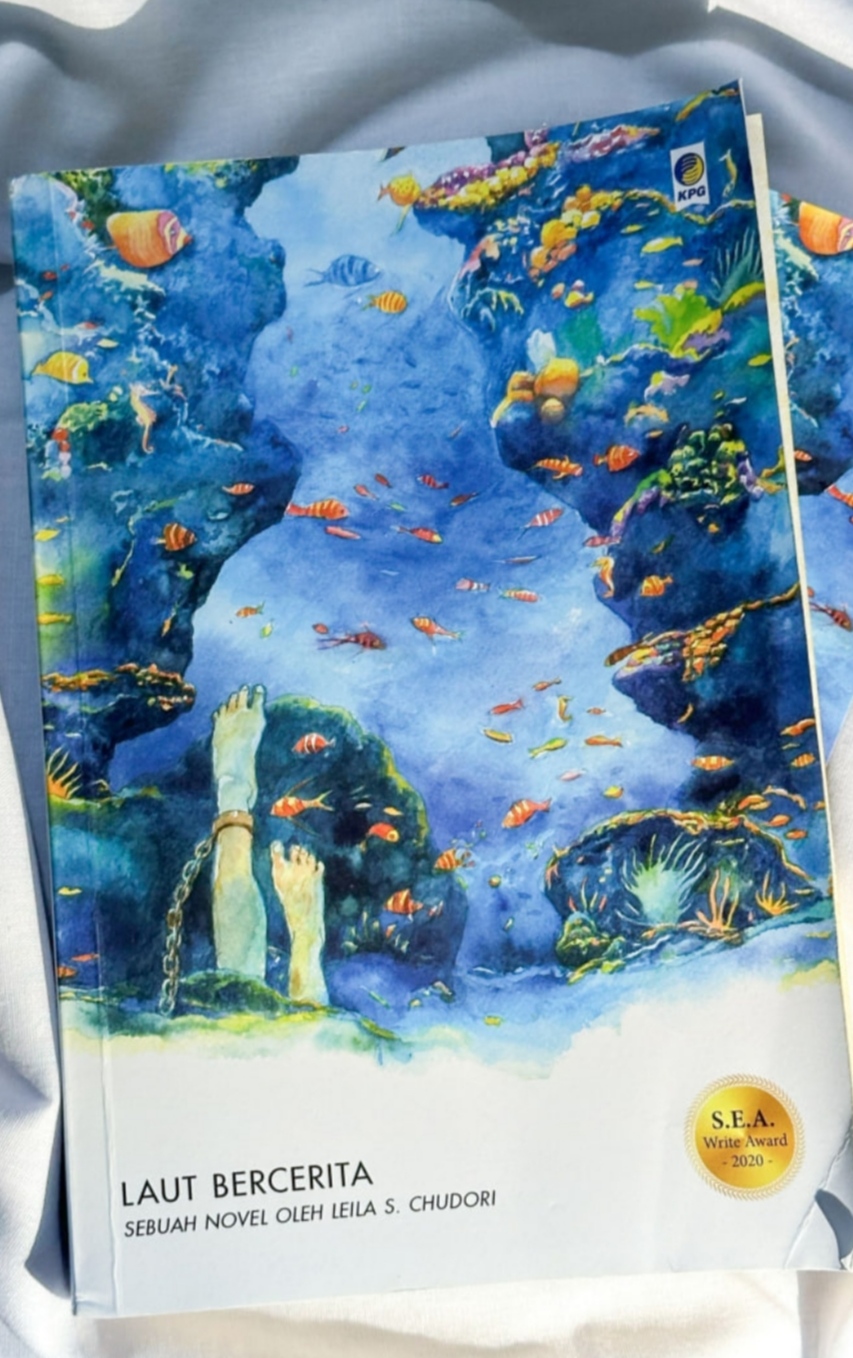
For that reason, she chose to write a novel such as “Pulang” (Return Home) and “Laut Bercerita” (The Sea Tells Stories). In the novel, history was not told through the lens of stiff political chronology, but through the lives of the main characters who carried the heavy burden of history in their body.
Leila believed that the most effective way to remember history was to follow the stories of people in it. Readers were not drawn to remember dates or names of incidents, but were goaded to live the lives of the main characters who lost their family, who experienced exile, or who waited for someone who never returned.
This approach was later translated into film screen by film producer Yosep Anggi Noen, the next resource person, who acknowledged that he did not have personal experience with the tragedy in 1998 as he was still in junior high school in a small village. Yet, it was precisely because he was not directly experiencing it that he felt that his generation needed to find an alternative way to understand history that was otherwise almost lost.
Through film "Istirahatlah Kata-Kata" (Rest Words) which explored the story of Wiji Thukul, Anggi did not intend to make a historical documentary full of speeches and data. He chose to show the human side of an activist on the run, far from family, and continually being haunted by fear.
For him, the film was an emotional entry point for the young generation to get to know more. Art served as a bridge between history and the generation born afterwards.
The same happened in music. Musician and next resource person Eka Annash said that music was often easier to remember than historical reports or books. She learned a lot about politics and injustices not from school, but from Iwan Fals’s songs.
Music worked through emotion, voices, and memories. Sometimes it took three minutes for a song to help the young generation to remember figures like Munir Said Thalib through song like "Di Udara" (In the Air) from Efek Rumah Kaca (The Glass House).
In the midst of social media popularity and the shortened human attention span, art became a new way of maintaining collective memory alive. People may have been lazy to read hundreds of pages of investigation reports, yet they could cry after watching a film or listening to music.
This discussion showed one important thing that history was not just about the past. It lived in people who remembered it, in the works of artists, and amongst young generation who made an effort to understand something which they did not directly experienced.
It may have been true that not all people experienced the May 1998 incident. But through stories, people learned that the wound of a Nation would not really disappear as long as people remembered it and recounted it.
When History Was Not Finished, Art Became Space for Remembrance
For many people, remembering the past was often viewed as opening old wound. Yet for those talking in this discussion, memory was a means to prevent violence from occurring again. History, they said, was not finished when the regime changed. It continued to live as long as questions about justice was not addressed.
The discussion host iterated that the past had to be remembered so that the tragedy never happened again. For this reason, literature, films, and music became important medium to maintain historical resonance in generations of people that did not directly experience the 1998 incident.
Novelist Leila Chudori explained that fictional and journalistic works had very different methods. As journalist, she worked with facts, data, and report. Yet she decided to write a novel about forced disappearance of 1998 activists, she needed to re-do the research in-depth, particularly with regards to victims’ families.
“As a writer, I was very much interested in psychological insights,” she said. She wanted to know not only about what happened, but how those people left behind felt. How it felt to live when someone disappeared for years without any news of the person’s whereabouts. How a mother waited for her child return home. How a survivor tried to live after his/her release from prison.
This was the starting point of how the novel characters came into the novel “Laut Bercerita.” The Sea Figure (Tokoh Laut), for example, was not a representation of a particular person, but a collection of many real-life experiences packaged into an imaginary world. Leila put pieces of characters from a number of activists, victims’ families, even herself into the story.
“When we tell stories about that figure, we mixed many people in the story,” said Leila. The Sea Figure (Tokoh Laut) was told to have a family, have cooking hobby, education background, and detailed social environment so that readers followed a full human and not merely a political symbol.
In the hands of literature, history became more intimate. Readers not only knew that students were missing, but also felt families’ anxiety, fear on the run, and hopes that kept hanging on.
Similar view came from director Yosep Anggi Noen. He refused the view that revisiting the 1998 tragedy meant romanticizing the past. For him, remembering violence was part of preventing it to happen again.
“To tell a story about the past is not romanticizing it, but to prevent bad things from happening again,” he said.
For Anggi, reform was not straight path to success. Behind the celebration of the end of authoritarian regime, there was the unfinished humanistic side – families losing their loved ones, activists on the run, to inherited fears that persisted to this date.
For him, the film provided a moment of reflection. Spectators came not only to see other people’s story, but to ask: “Who am I in such situation?”
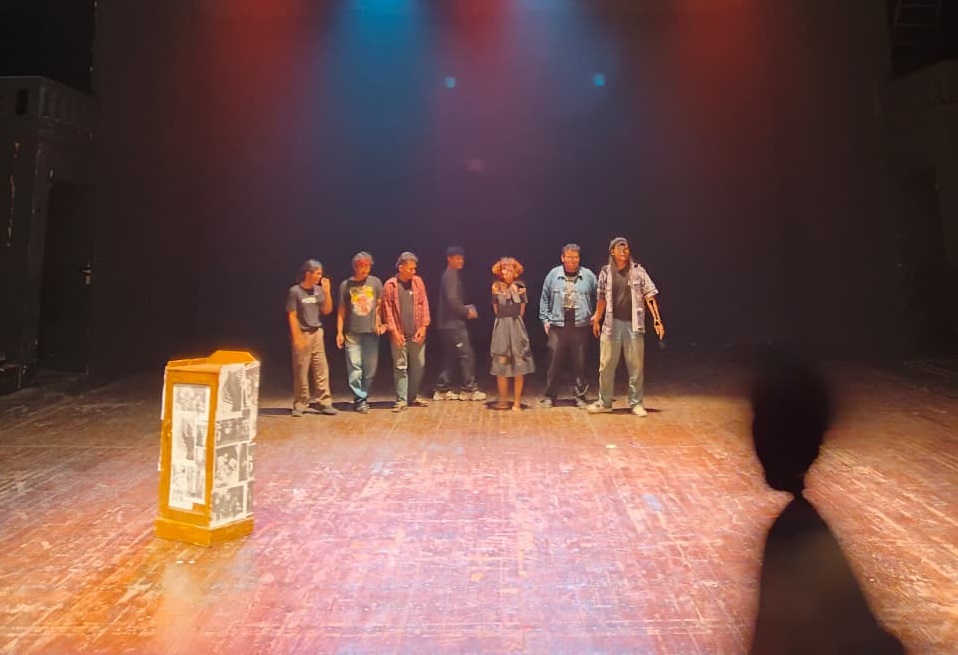
Trough the film "Istirahatlah Kata-Kata" (Rest Words) about Wiji Thukul and adaptation from the novel “Laut Bercerita” (The Sea Talks) which he directed, Anggi wanted to take the spectators into ordinary human experience of repressive situation.
Yet there was one sad thing, when art work about repression remained relevant to date.
“If the film remains relevant today, this means that this country fails,” he said.
He expected that one day films about State repression would no longer became relevant, because that meant people got out of the repression and gagging cycle.
Musician Eka Annash also saw similar thing. For her, music was the quickest medium to touch the heart of the young generation. Songs were able to express anger, trauma, and collective memory in a few minutes.
She remembered when she sang a struggle song together with students in front of the parliament house. In the midst of the crowd, she felt something never changes since the reform era.
“Why the same?” she asked.
Eka saw there was attempt to manipulate history and obfuscation of public memory. For this reason, art became important counter narrative. Songs, films, murals, and other visual art forms played role in preserving collective memory so that it was not lost in the midst of propaganda.
She mentioned song "Di Udara" (In the Air) from Efek Rumah Kaca (Glasshouse Effect) that generated popular memory about Munir Said Thalib. Music worked not only through lyrics, but also through emotion that entered the human head and body.
“The more oppressed, the more resistance and the more noises,” she said.
Leila added that the relevance of works about human rights violation would linger until the State resolved all the cases. She explained how a number of other countries went through investigation, Stage apology, to national reconciliation. While in Indonesia, many cases stopped halfway.
“As long as human rights violation are not resolved, stories like this would continue to be relevant,” she said.
The discussion exposed one important thing: Art may not replace legal justice, but it kept the memory alive when the State chose to stay silent. Through novels, songs, and films, history found its own way to continue talking to the future generations. (Ast)