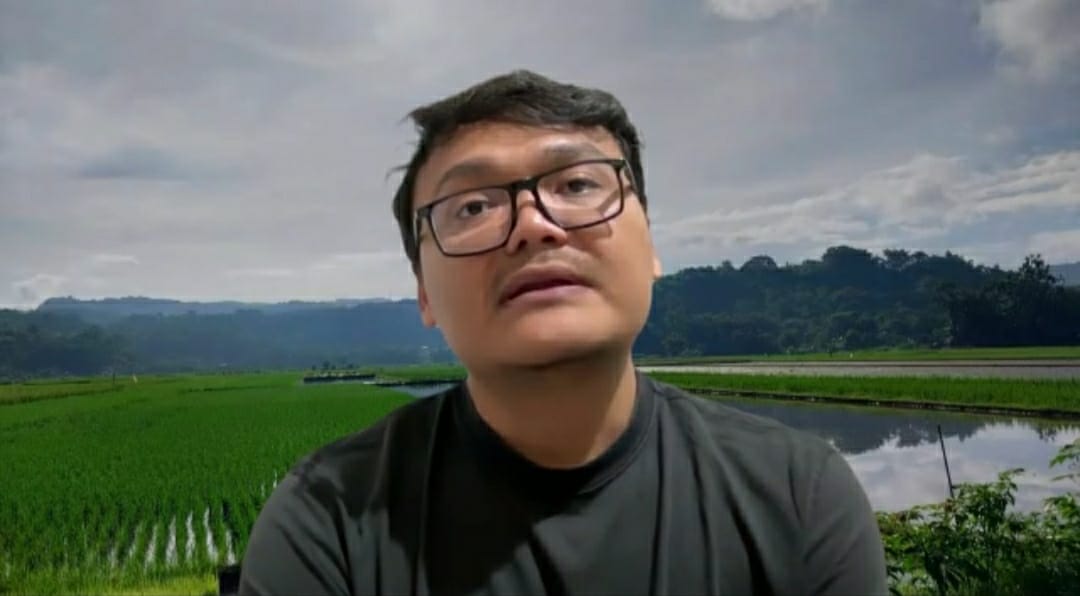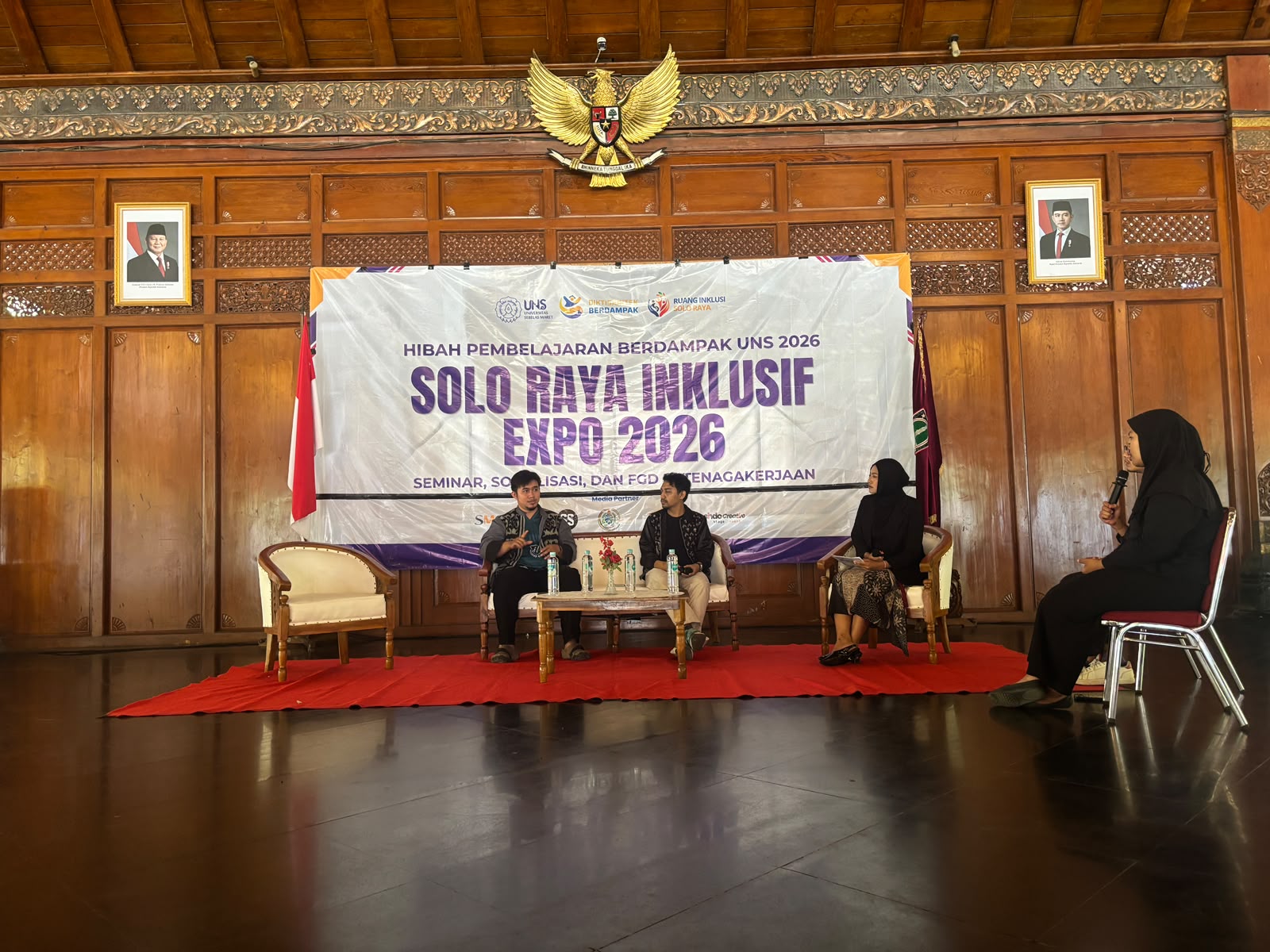



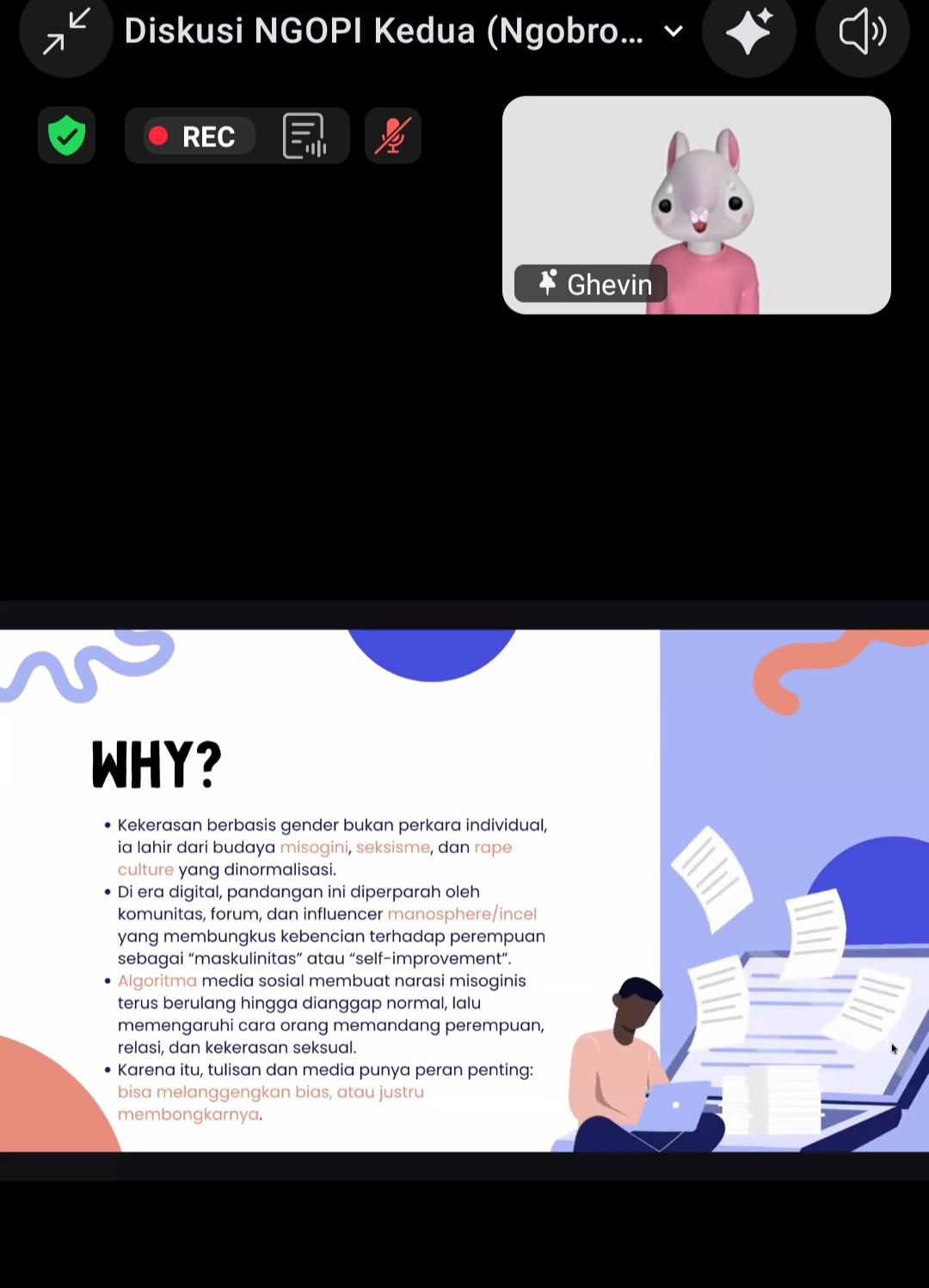

People believed that gender awareness issue was increasingly critical in the midst of fast digital information flows to date. In a discussion during Ngobrol Perihal Laki-Laki (NGOPI) about gender sensitivity content production, on Wednesday (10/6) organised by Magdelene, speaker Zelan highlighted how the digital space not only became medium for information dissemination, but also medium for reproduction of discrimination, stereotype, and gender-based violence.
Zelan suggested that forms of violence against women did not always blatantly obvious. Many contents that seemed light and entertaining may actually contain objective messages that denigrated women. One example was a content that judged women’s appearance, gave rating to women’s body, or used women as merely entertainment objects.
Zelan explained that content creators needed to understand that each piece of work being made created social impacts. For that reason, it was important for journalists and digital creators to have a sensitive perspective on women’s experience and other vulnerable groups’ experience. Gender sensitivity not only meant avoiding hate speech, but also ensured that the voices of women and other minority groups had equal space in news coverage and digital contents.
He also encouraged participants to critically look at a number of assumptions deemed normal in communities. Any men grew in an environment that gave a variety of privileges without people realising it. This often created a blind spot in understanding women’s experience, including when people responded to cases of sexual violence. As a result, victim-blaming was quite common.
In the process of content production, Zelan highlighted the importance of looking at individuals holistically. A person did not only have a gender identity, but also an intersectional social, economic, cultural, religious, and disability identities. This perspective was critical so that content did not simplified a person’s experience based solely on one identity.
In addition, he reminded the importance of using the right language. Euphemism in news coverage on sexual violence could potentially blurred facts. Sexual violence, for example, had simply be acknowledged as sexual violence, not replaced by other terms such as “rudapaksa” (rape), which suppressed the seriousness of the issue.
Zelan also criticised media’s habit to define women through their relations with men, by calling a woman “the wife of” somebody important. He believed that women had identity and successes that were independent, that should not be connected to a family’s or a husband’s status.
By learning gender sensitivity, participants were expected to create more inclusive and fair content that recognise religious diversity. This way, media and digital spaces could help strengthen equality, and not perpetuating discrimination.
A Shift in Focus in Media Coverage about Sexual Violence – from Perpetrators to Victims
Victims’ perspective was often ignored in news coverage about sexual violence. In discussion, resource person, Ghevin highlighted media and public tendency to focus on perpetrators rather than victims’ condition.
In Ghevin’s observation, many news article titles placed perpetrators at the centre of coverage. Contrary to this, there should have been more spaces for victims’ experience and recovery. "Everybody focused on their rage towards the perpetrators. Victims were only side story, not humans," said Ghevin.
Ghevin criticised the phenomenon when a perpetrator was given the public stage after the case went viral. From press conference, media interviews, to appearance in podcasts that lifted the profile of the perpetrator. At the same time, the victim(s) was or were often ignored.
"The perpetrator gets the stage, increasing numbers of followers, even luck. And what happens to the victim(s)?" asked Ghevin.
He believed that the public was more interested in judging rather than in helping, which explained why people’s attention to victims stopped at anger to the perpetrators. Consequently, victims’ needs for psychological supports, sense of safety, and space for recovery were not the primary concern.
He also highlighted media and content creators’ practices that invited victims of sexual violence for the purpose of increasing viewership. This practice bore the risk of exploiting victims’ traumatic experience for economic interests.
"It was a critical ethical issue for showing victims’ sadness and monitizing it," Ghevin said.
In the same discussion, Ghevin encouraged participants to understand the importance of content production that did not reproduce violence. One way to do was to not distribute materials that provided the stage for perpetrators or that repeated narratives that potentially hurt victims.
Ghevin emphasised that the first step to build a fairer perspective was to notice bias nurtured in the social environment. "To re-learn about gender is to shift from old to new awareness," Ghevin pointed out.
For Ghevin, victim-oriented journalism did not ignore facts, but ensured that news coverage respected victims’ dignity, paid attention to victims’ safety, and gave space for voices that were not heard before.
Accompanying Victims, Not Judging: The Challenges to Building Gender Perspective in the Media
How should the public respond when a person said that she was a victim of sexual violence in social media? That question came to the fore in discussion. So then, speakers emphasized the importance of showing empathy towards victims without ignoring the legal process. They reminded that the public did not have the authority to judge that a person was guilty or not through social media.
Zelan said that the initial step was to provide safe space for victims to explain their experience.
"The first thing to do was to believe in the victims’ story. Yet at the same time, we must also respect that legal process," he said.
He explained that many victims chose to speak in social media because they had low confidence in the official mechanism to deal with their case. Many victims were afraid that they would be re-victimised when reporting their case to official institutions.
For that reason, he asked the public to not rush in making any conclusion whether a confession was fact or blasphemy. What was more important was to ensure that victims did not face counter attacks, harassment, or judgement by the community.
"Whatever happens, we must stand together with victims first. They experienced difficult times," he said.
The discussion also talked about the challenges facing journalists when they tried to present gender-friendly perspective in news coverage. Despite growing awareness of gender issue, patriarchal culture remained dominant in editor’s room.
Zelan added that it was not enough to promote changes through writing. Education at the level of editors was critical so that editors and decision makers understood the importance of victims’ perspective in media coverage.
"The media remains very masculine. Whether people like it or not, we must continue to promote the issue in editors’ rooms so that we have the same understanding," he said.
In journalistic practices, the principle of balanced coverage had to prevail, including by giving opportunities to those being reported to give their views. Yet, Zelan reminded that the rights to respond should not shift news’ main focus of their coverage.
"What we need to maintain is the focus on the article. The right to response is critical, but make sure that victims are not ignored in the story," he said.
In the midst of intense popularity of normalising gender violence and stereotyping in social media and popular culture, participants were encouraged to build counter narratives that reflect humanity. For them, changes started from willingness to listen, to understand, and to place victims as humans who had experience and rights to recover.
Consistent Narratives to Change Views about Gender
Change in views on gender issue did not necessarily emerge from sharp criticism. In the NGOPI discussion, Ghevin also highlighted that the most effective narrative often presented itself through day-to-day stories.
He believed that his experience accompanying victims and being face-to-face with perpetrators showed that many people though that acts that denigrated women were not normal. Even, many perpetrators thought that their behaviour was a prank.
"I heard from a perpetrator, 'it was just a prank.’ Yet, when something related to violence or harassment was deemed a prank, that hurt the victims," he said.
Ghevin believed that changing community’s view did not simply be done through anger. Conversely, it necessitated consistent narrative, that was easy to understand, and that was able to trigger people to see the issue from a different perspective.
"It was rare that people changed after they were being corrected. Often people changed because they found stories or experiences that led them to new perspectives," said Ghevin.
For this reason, it was important to present positive examples of more equal masculinity and not simply criticising discriminatory practices. He gave an example of a man involved in house work, sharing child rearing task, and having the courage to show emotional vulnerability without losing respect from the environment.
In the same discussion, participants also talked about rape culture concept that normalised sexual harassment and sexual violence. Zelan explained that the culture not only appeared in actions, but could also be strengthened through media coverage and contents that denigrate victims’ experience.
Before the end of the program, the two resource-people asked participants to continue learning and reflecting on a values people perceived as normal. They believed that a change in culture could start with small steps done over and over again, be they through verbal medium, discussions, communities or daily practices.
"Let us produce better quality narratives – narratives that do not perpetuate rape culture," said Ghevin at the end of the discussion.
For participants, the message was a reminder that to build a more equal society was not simply about criticising gender inequality, but importantly about presenting new examples that could inspire people. (Ast)