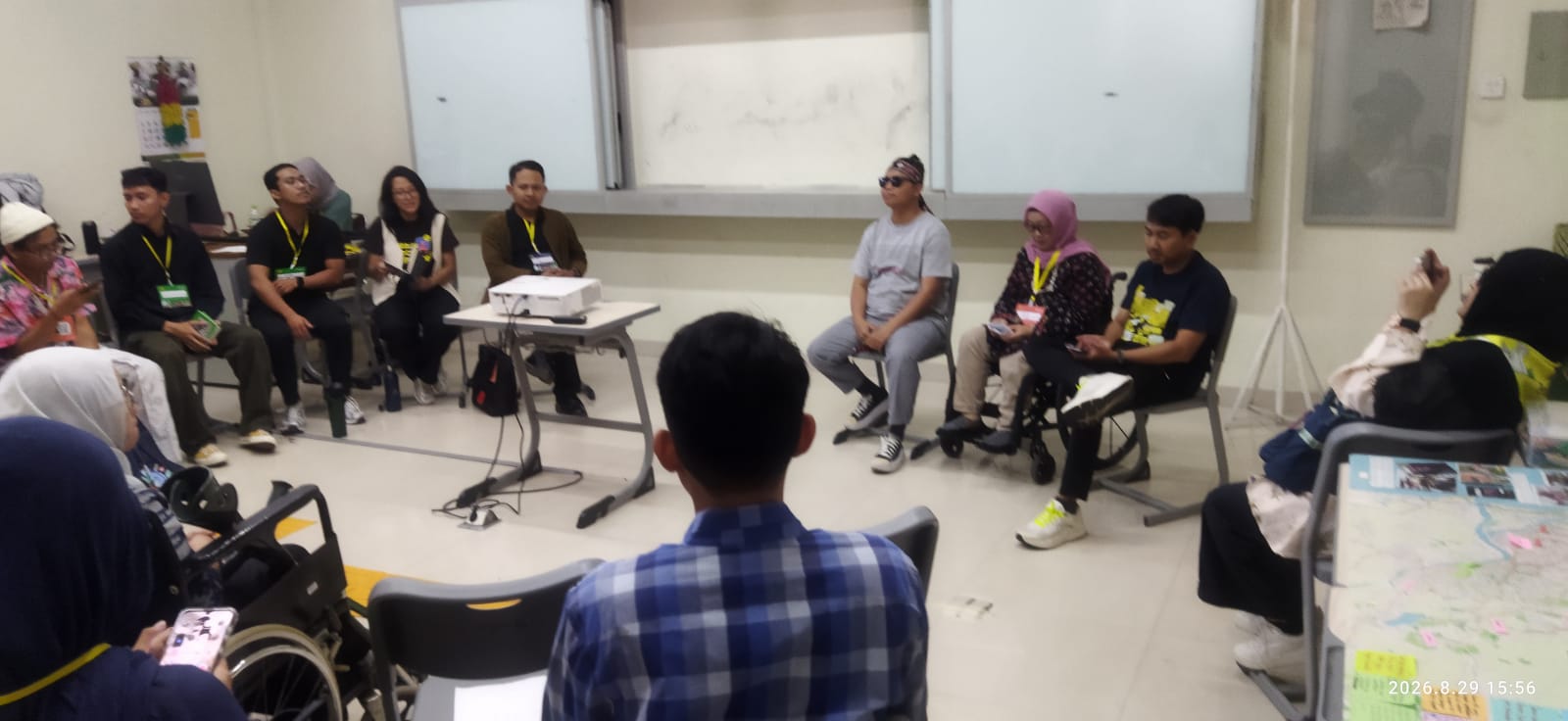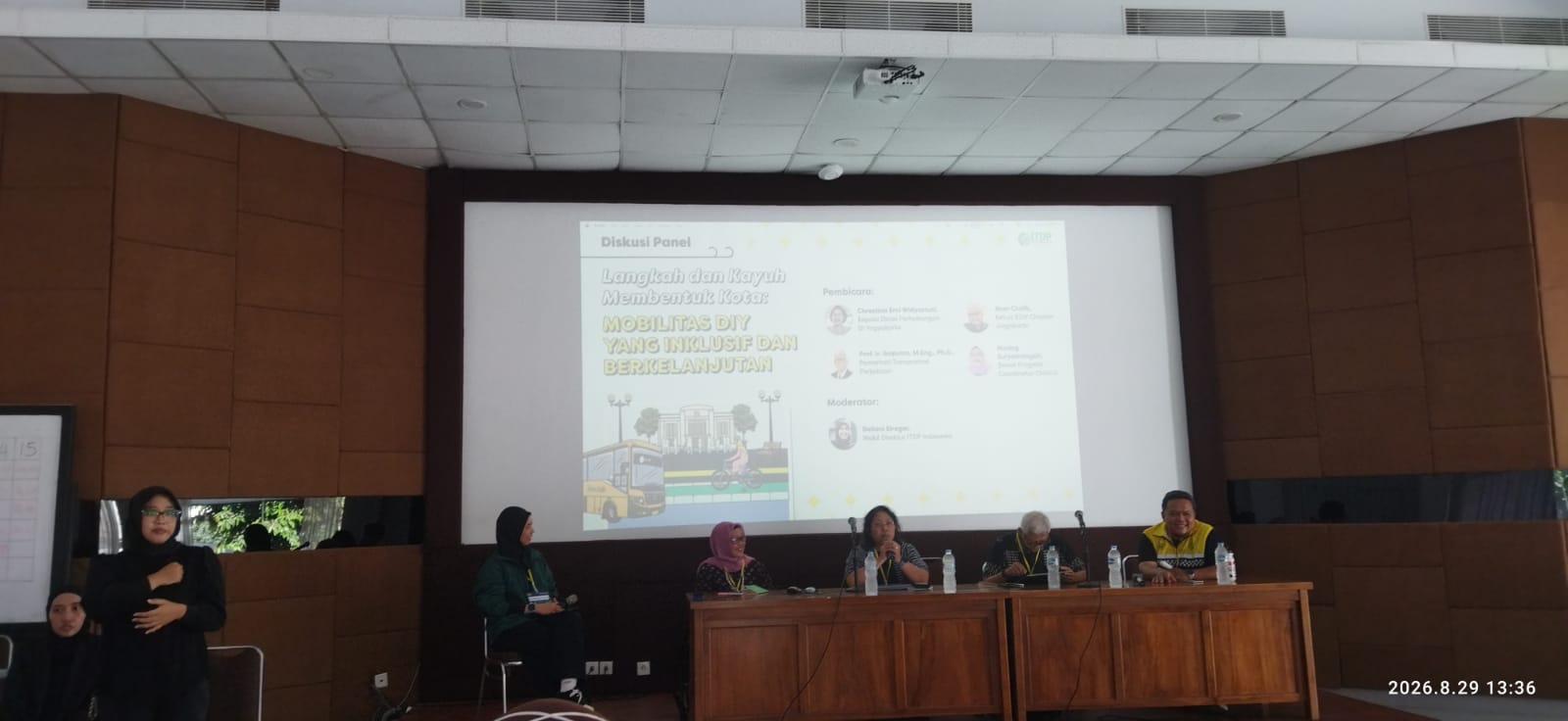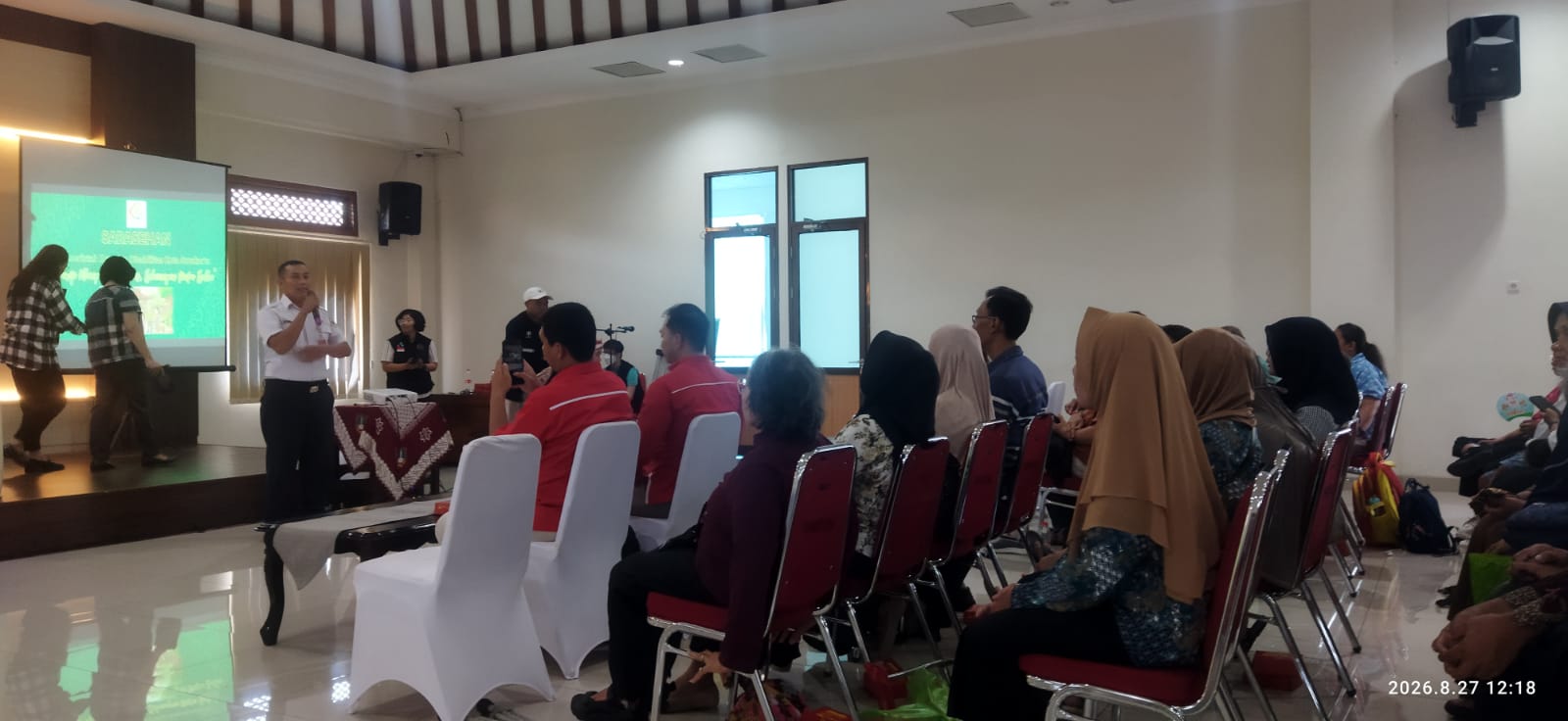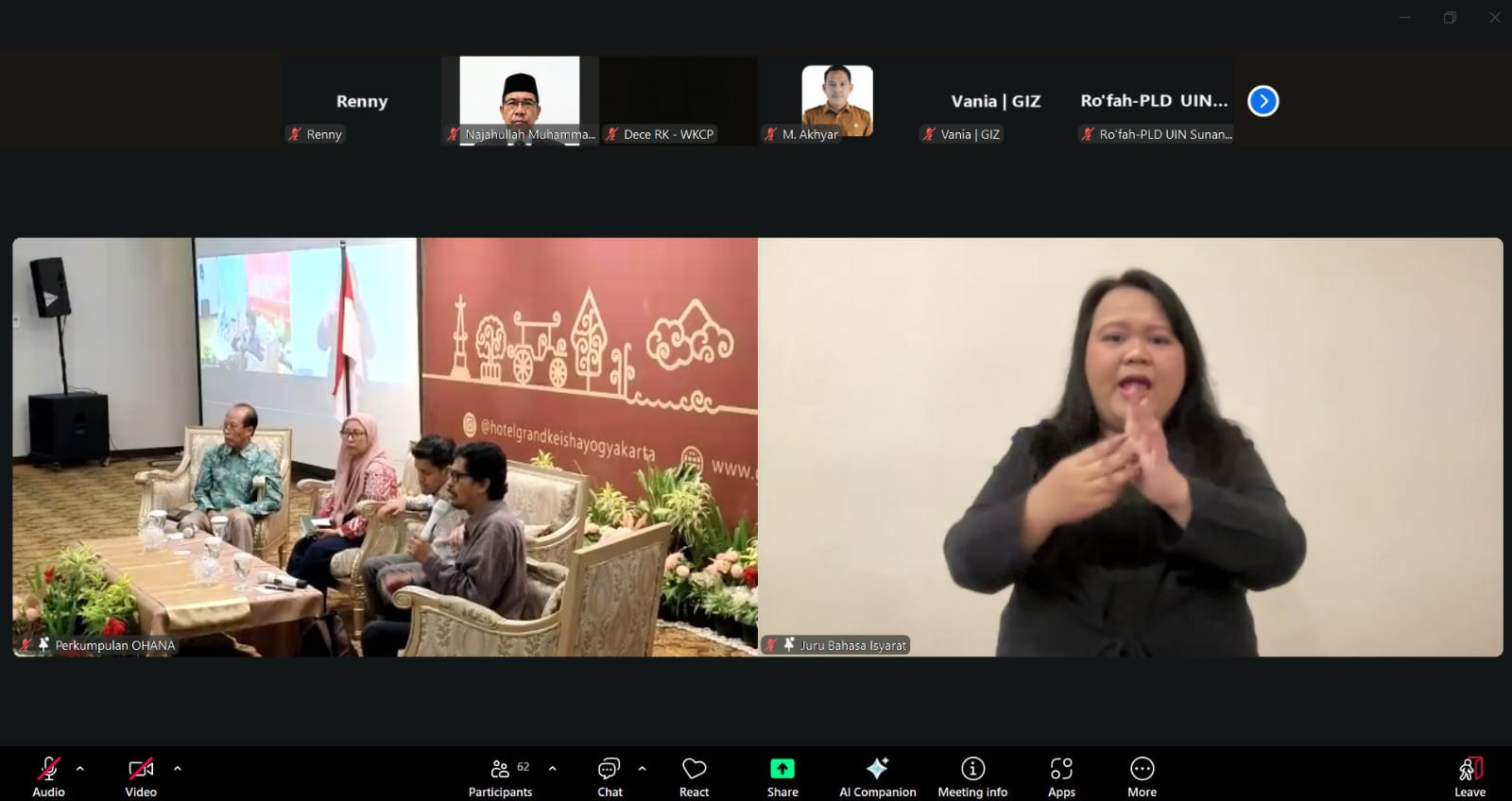



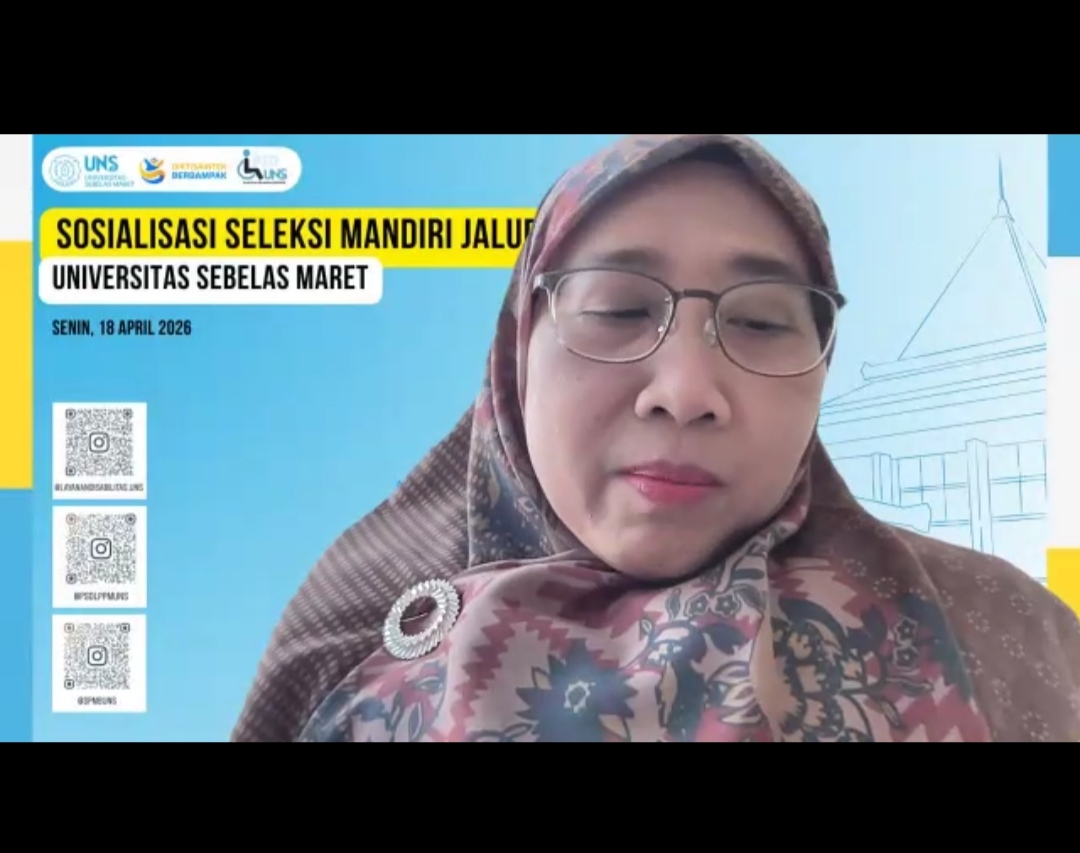

The Independent Selection Path for People with Disability at Universitas Sebelas Maret 2026 was opened. Information dissemination proceeded online via zoom on Monday (18/5) with special education teachers, parents, and would-be students with disability from diverse regions of Indonesia. The activity was not simply technical information dissemination for acceptance of new students, but also highlighted how inclusive higher education was seriously managed in Indonesia.
The announcer, Husnul opened the activity, and welcomed participants from diverse areas of Indonesia. She said that the activity was an initial step for would-be students with disability to pursue their campus dream. “I hope that this activity not only provides a space for information but also for a first-step towards a dream campus – inclusive Universitas Sebelas Maret,” she said.
In her opening speech, the director of Disability Study Centre at UNS, Prof. Dra. Y. Anni Aryani highlighted that higher education was the right of every citizen, including people with disability. Affirmation path for people with disability was evidence of UNS commitment to open up more equal access to education.
“Affirmation path for people with disability at UNS is one independent selection path specifically designed for would-be students with disability,” said Anni.
She explained that to date, more than 100 students with disability were actively pursuing education in a number of study programs at UNS. They were found in a number of faculties and received accompaniment from Disability Service Unit and Disability Study Centre.
Anni said that UNS tried to develop inclusive campus not only through new students’ enrolment, but through teaching, research, and community service based on equality and inclusiveness. Students with disability were not only accepted in campus, but also were made sure that they were able to follow the classes through relevant access.
“UNS has disability service unit to serve and accompany students with disability starting in enrolment of new students to final exam,” she said.
In addition to academic support, UNS also worked with private companies to provide scholarship to students with disability. Anni expressed her appreciation of PT Bayan Resources that supported students with disability since 2024 through education scholarship program.
The head of the New Student Selection Office at UNS, Prof. Dr. Sutarno, explained that the affirmation path for students with disability in 2026 proceeded online and without written test. The selection was through examination of school report, administrative documents and interviews.
“The disability affirmation path required no test. Participants only needed to upload documents which would then be examined,” he said.
He explained that there were a number of different schemes in the independent path, including affirmation path for holders of Indonesia Smart Card (KIP). The enrolment process happened online so that participants from a variety of regions, including Papua and Kalimantan did not need to come in person to Solo.
In the technical session, Dr. Subagya from Disability Service Unit of UNS explained about the definition of disability, the required documents, and the mental and academic preparedness of would be students.
He explained that according to Law No. 8 Year 2016, disability included a variety of conditions, from physical, sensory, intellectual, mental, to psychosocial disabilities. He said that the key orientation of the affirmation path was not simply charity, but the rights of people with disability to access education.
“Who meets the disability criteria to enrol into UNS,” he said.
Subagya explained that students with disability would receive a variety of services, from academic administration, practical accompaniment, counselling services, to supports to complete final assignment. He also emphasised the importance of would-be students’ preparedness in dealing with university learning system which differed from high school system.
He said that ability to use digital technology was critical. Students with disability had to know how to use computers, internet, to support application for their lessons.
“It would be tough if we do not have any computer skill because university study uses digital technology,” he said.
Subagya also highlighted the importance of self-reliance amongst students with disability. He said that self-reliance did not mean that student had to do everything on their own, but that they had the ability to make decisions, find information, and adapt to campus environment.
“Many student with disability do not look hard for academic information that they do not know the test schedule or changes to lessons. That must change,” ujarnya.
He reminded would be students to choose study program that fit their interest and ability, not for its popularity. He said that the lack of fit between study choice and ability led to students’ difficulty in completing their study.
In addition, Subagya showed a number of documents that would-be students had to prepare, such as school report, ID card, letter of reference regarding disability, and health letter of reference. He highlighted that letter of references had to be issued by medical professionals that were appropriate for their disability.
For example, referral letter regarding hearing difficulty had to come from ear and nose doctor, while low vision had to be examined by an eye doctor. Participants with intellectual or psychosocial problems needed intelligence Test or psychological examination.
“Referral letter which does not match the expertise of investigator is deemed not valid,” he said.
In the subsequent session, Ahmad Syahrul from Corporate Social Responsibility PT Bayan Resources explained about the scholarship support for students with disability at UNS. Although he attended the activity online, his experience working in Manggarai Timur suggested that the company had commitment to support inclusive education.
Syahrul said that disability scholarship had been running since 2024 and would enter its third year. The program was given in the form of full scholarship for a maximum of eight semesters.
“We covered fully the cost of university, the cost of accommodation, the cost of living, the cost of books, to the cost of thesis,” he said.
Ia menyebut dukungan itu diberikan karena perusahaan menyadari bahwa penyandang disabilitas juga memiliki peran penting dalam menyongsong Indonesia Emas 2045.
Menurutnya, akses pendidikan tinggi menjadi salah satu cara membuka kesempatan lebih luas bagi penyandang disabilitas.
“We realised that students with special needs have important roles in Golden Indonesia 2045,” he said.
The most touching session in information session was when a student with hearing difficulty from Year 2023, Muhammad Yahya, shared is experience regarding his struggle to enter the university. Yahya acknowledged that he was once rejected in other campus through the computer-based written path before he was eventually accepted at UNS.
“I believed education could open up many opportunities and new experiences for me,” he said through sign language interpreter.
Student of Special Education Study Program stated that he chose UNS because he saw the campus commitment to inclusiveness. He felt thankful with the available facilities, such as ramps for wheelchairs, additional exam time, and supports of volunteers and Disability Service Unit.
“During exam, I was given extra 30-minute time,” he said.
Yahya also offered a message for would-be students with disability so that they did not give up easily on their higher education dream. He said that the selection process was not always easy, but everyone had equal opportunity as long as they tried.
“The key was consistency and understanding of own’s own capacity,” he said.
At the end, a number of parents asked questions on accompaniment for students with disability and cost of education at UNS. One parent acknowledged that he/she got to know the disability affirmation path this year and expected that the campus truly provided truly disability-friendly learning environment.
A question also arose with regards to the different costs between non-disabled students and students with disability. In answer to the question, UNS stated that the decision with regards to singular university fee remained as per general policy based on the family economic situation, not on disability status.
The information dissemination showed that access to higher education for people with disability slowly became more open.
Yet, the activity also showed that the fight for inclusive campuses did not stop with enrolment of new students. The preparedness of the education system, accompaniment services, technological support, to the confidence of student with disability to trust their own ability became important part of the long process. (Ast)