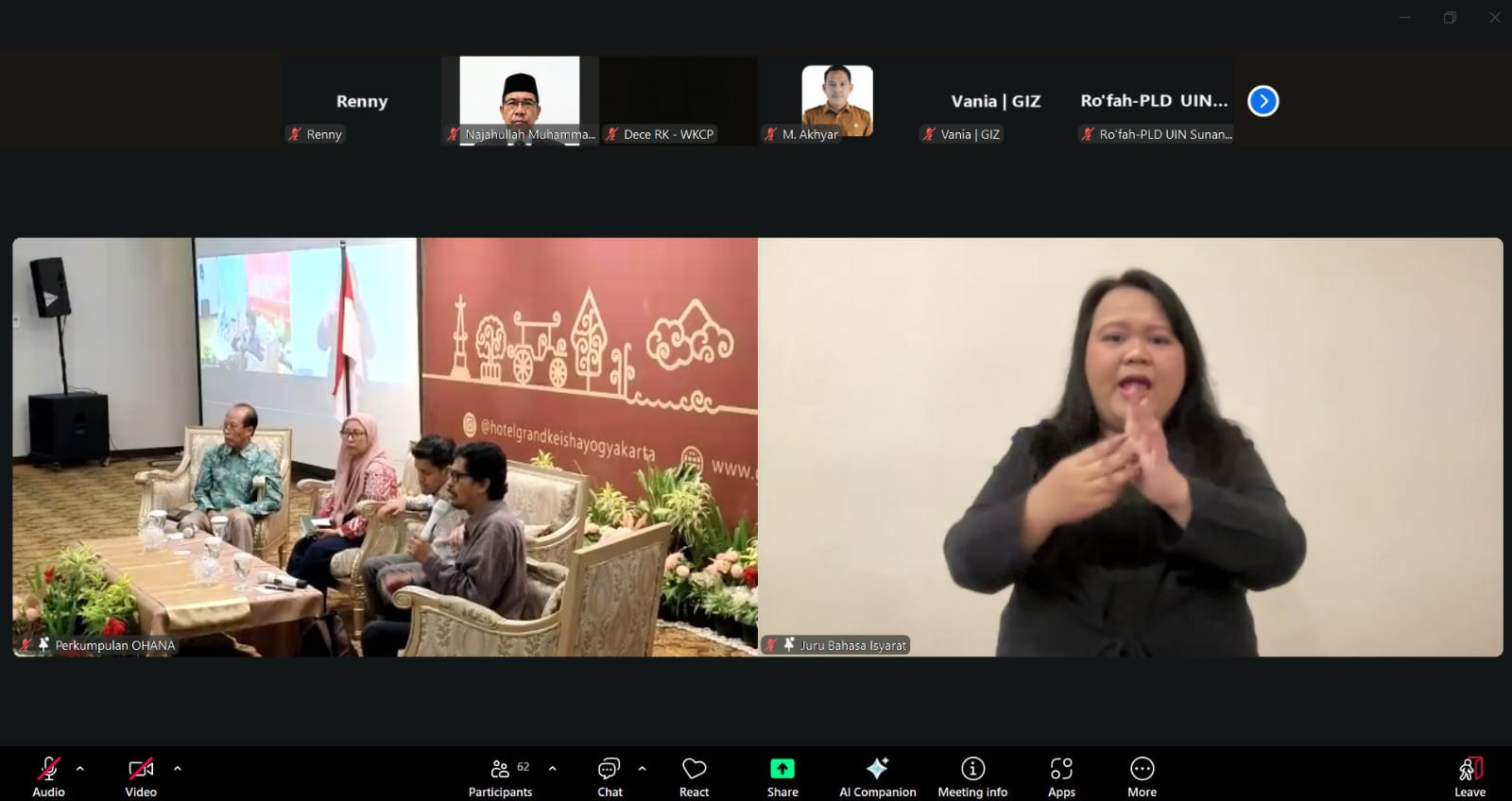




In a discussion series on Localising by Loka Nusa, on Friday (6/2) the resource person, Ismail Marzuki from Yayasan PKPA, Medan, explained about joint response with local partners like Monitoring Disaster Impac (MDI), PKPA, YAPPIKA, and other organisations in a ToGETHER Program with Caritas Germany with five organisations being jointly involved in capacity building.
Since 2024-2027, this program has been given the mandate to strengthen other organisations (mentoring 4-6 local organisations) in Aceh Tamiang. There was a component of capacity building needed by each of the respective organisations – quick assessment, adjustment, Situation Report, MEAL, and proposal development.
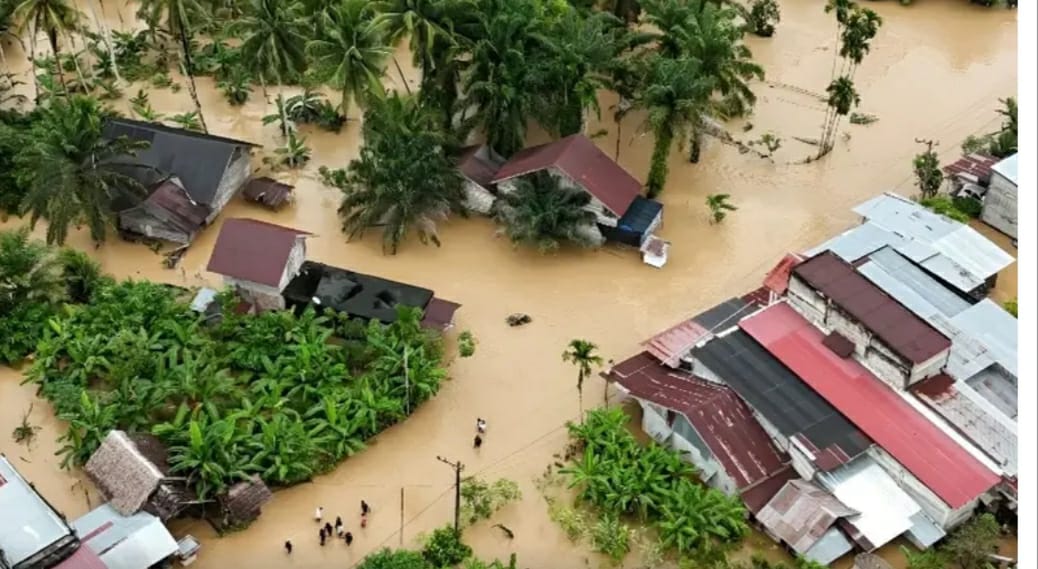
In Tamiang, PKPA looked at initial needs, accompanied local colleagues, and conducted response. "We entered Aceh, and conducted activities in 10 villages, performing intervention in Nagari Village in West Sumatra, with local partner(s) and MDI. We distributed water, and sleeping equipment," said Ismail.
He also revealed the Response map in Aceh Tamiang re. PKPA intervention plan on critical recovery for flood victims, which was the reason why Yayasan PKPA prepared a number of programs in villages: settlements, health services, child protection services in disaster situation, school equipment, access to education: emergency, nutrition, clean water rehabilitation.
The second resource person, Indira Hapsari from YAPPIKA said that her organisation worked with BITRA Indonesia. In December, it conducted emergency response with networks: GMKI, and churches providing psychosocial services.
Indi explained that humanitarian organisations conducted assessment in a number of women organisations through Rapid Gender Assesment (RGA) in order to identify impacts of disasters with regards to protection of people with disability. It was expected that there would be follow-up of the RGA for further recovery.
They agreed that each respective organisations developed their own tools and agreed to compile results and to release them along with the RGA.
The RGA pointed to a number of conclusions: 1. Systemic failure(s)/systemic disaster/failure of development system, ecological destruction in the context of disaster in kalimantan, 2. Flood leveled the soil, 3. There was different control between men and women, 4. Differences in salary/wage system, 5. The worsening situation and the importance of re-assessment to see impacts on women who were primary labour force in agriculture, with minimum access to ownership, 6. Women not being represented in village decision making including sufficient access to decision-making forum.
RGA also included spatial planning. A number of villages expressed ignorance why the disaster happened, and said that "we took care of our territory and our agricultural land." Local people received hardly any information before and after disasters, i.e.: re. the context regarding water catchment and sub-water catchment.
The following were the recommendations that came out:
1. Psychosocial supports for women, elderly, and remote communities
2. Integration of PSS with recovery of livelihood.
3. Training in household-level animal husbandry.
4. Mobilising agriculture experts to conduct comprehensive analysis of needs for land recovery and use of unaffected land.
5. Distribution of seedlings - rice, secondary crops, as well as agricultural equipment for early recovery.
6. Coordination with relevant parties to assist in rehabilitation of roads and access to market.
7. Household cleaning equipment
8. Child-friendly and elderly-friendly facilities
9. Capacity building of communities re. DRR and anticipation – integration in solidarity.
YAPPIKA also conducted training on community-based Early Warning System. It found that in North Tapanuli women managed indigenous forest, and there was sharing of learning with women from other villages, and this was empowering. (Ast)