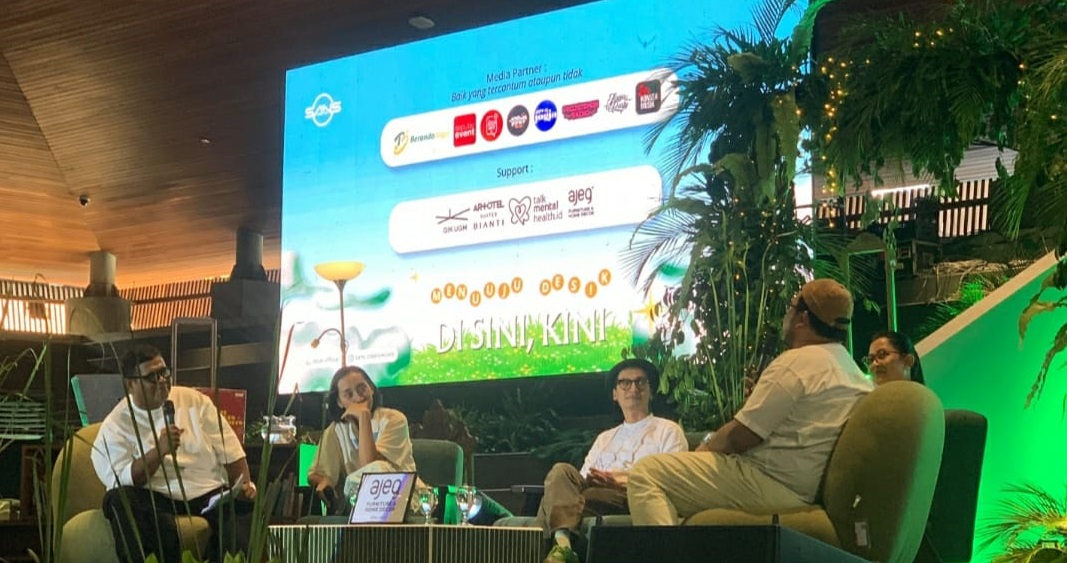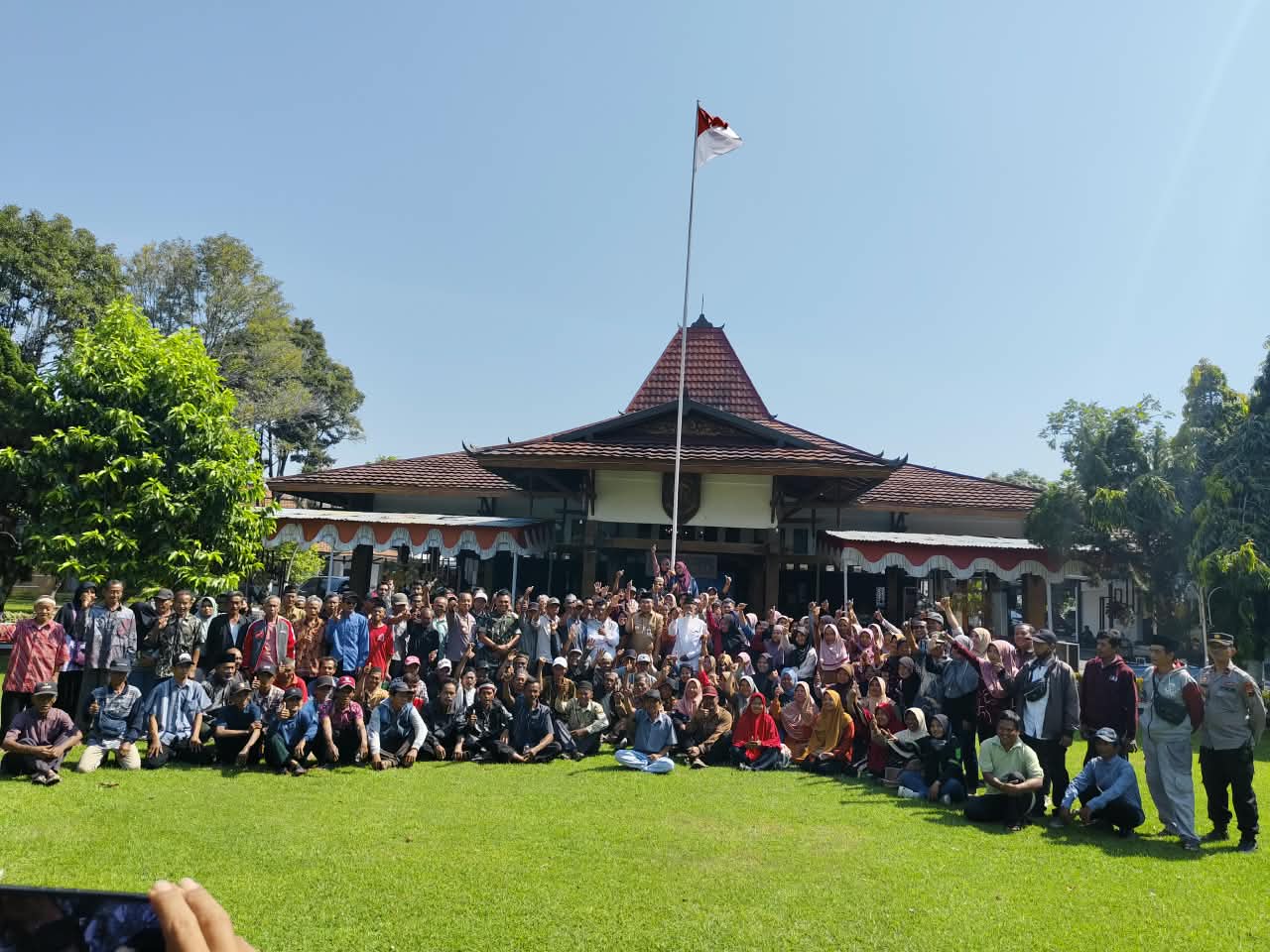




Climate Festival was a series of programs initiated by Yayasan SHEEP Indonesia to celebrate Earth Day on 24-25 April 2026 at Taman Pintar, Yogyakarta. The program served as an education media and campaign for how to protect the earth, and was packaged in cultural-art presentation and discussions.
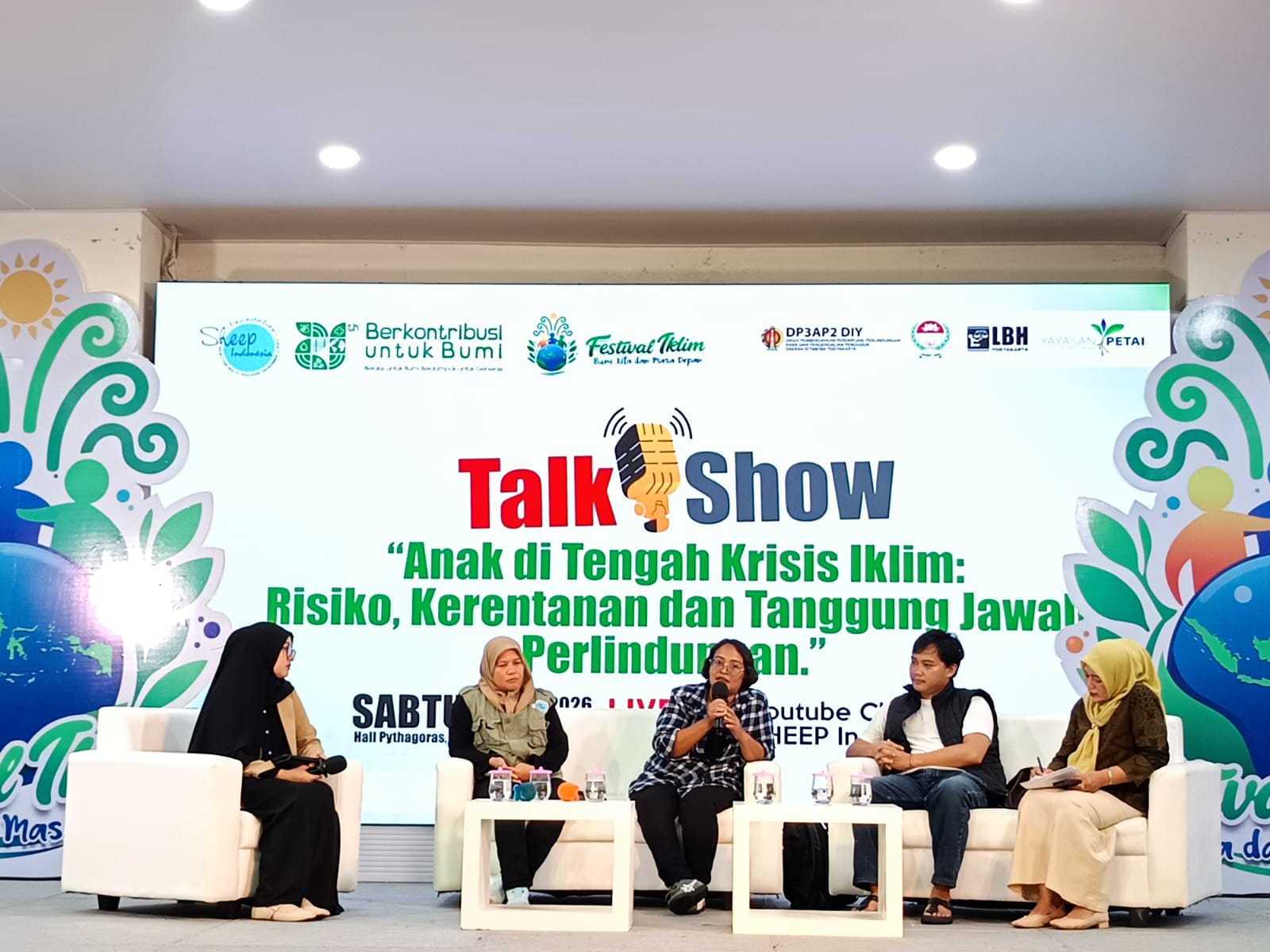
One session was a talk show with a theme of “Children in the Midst of Climate Crisis: Risks of Vulnerability and Responsibility to Protect” presented by the resource person who focused on a number of aspects in looking at child protection amidst current crisis.
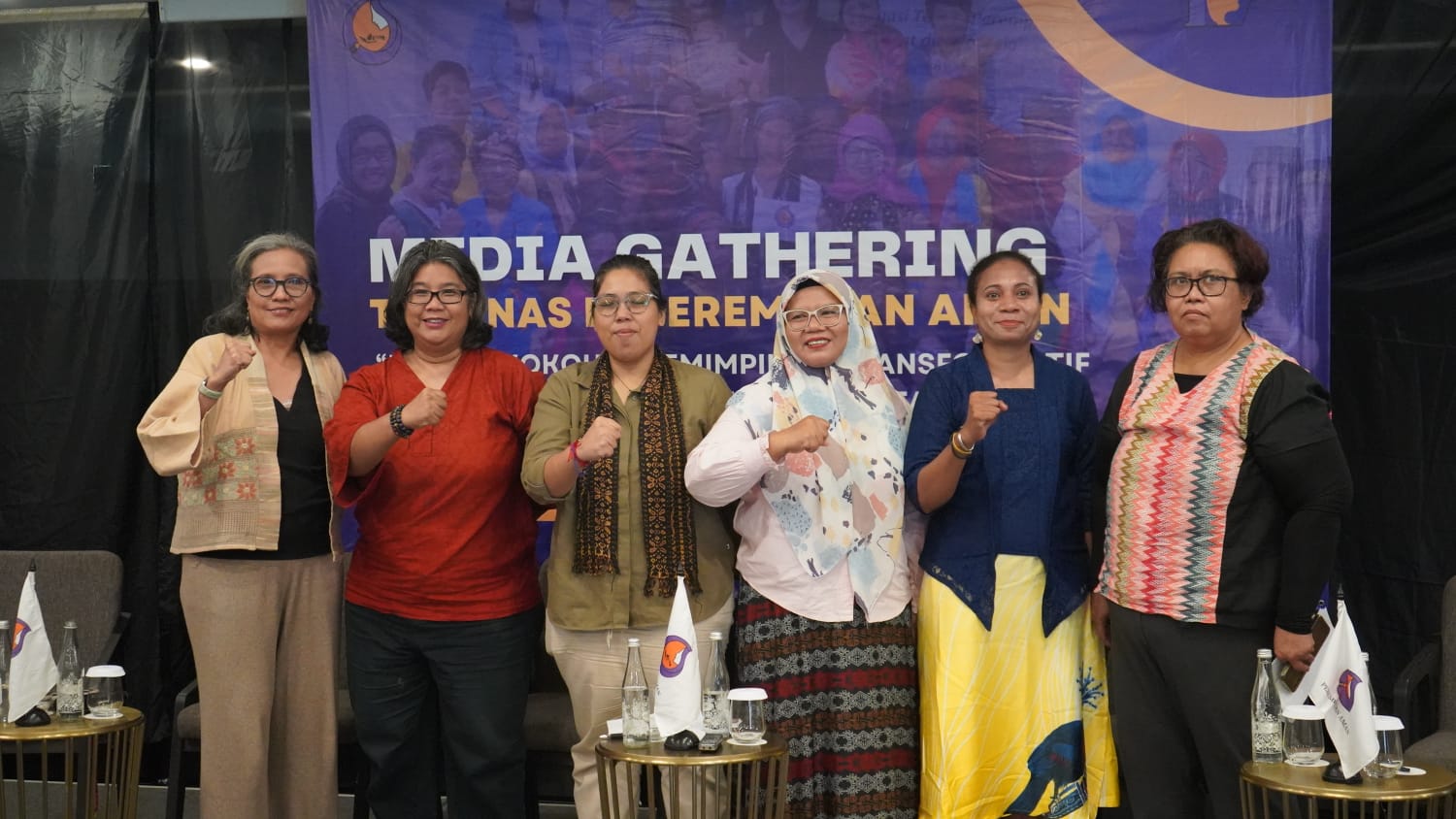
Climate crisis was no longer limited to an environmental issue, but also a humanitarian issue directly impacting most vulnerable groups - children. In a talk show with moderator Nabila Saraswati from Yayasan Pesona Tropis Alam Indonesia (PETAI), a number of perspectives were presented from policy, legal advocacy, to grassroots community practices.
Children in the Midst of Systemic Crisis
Royan J Chandrajaya from LBH Yogyakarta reminded that climate crisis was a systemic issue. Since early 2000s, the world realised the dire environmental situation including ozone layer depletion. Yet, to date, carbon emission kept increasing, particularly in developed countries in the northern hemisphere.
In Indonesia, environmental damage was associated with major expansion in plantation, particularly palm oil. Deforestation and unsustainable practices destroyed the forests’ ecological functions. The impacts? Children who were supposed to enjoy the benefits of the environmental resources inherited destruction.
Royan stated that climate crisis was not merely about waste or dirty rivers. This was a global issue that States needed to take responsibility for, particularly as States’ policies and permits were the root cause of environmental damages. It was no longer enough to deal only with local actions, but how to put and connect things together into a system.
Policy and Expectations from the Sub-National Entities
Zuli Marpuji Astuti from Women’s and Children’s Protection and Population control Office (DP3AP2) in Yogyakarta pointed out to the importance of the State in protecting children, as mandated by the Law on Child Protection. One example of good practice was from Yogyakarta Special Province with its provincial-level policy “Yogyakarta Friendly to Children” in the form of a regulation.
The policy implementation emphasised child-right-based system, through programs such as Adiwiyata School - schools that promoted environmentally-friendly attitudes. In such schools, students were taking responsibility to reduce waste, i.e. by bringing their own food containers.
In addition, the Child Forum was also actively taking role in maintaining the environment in order to protect it as in National Children’s Day in 2025 where the Child Forum took the theme “Children Care about Waste”, while in 2026 the focus would be on food security which involved agriculture education for children to ensure that children not only became objects, but also subjects to sustainable food education.
Reality on the Field: Children in Vulnerable Areas
Dunung Sukocowati from Yayasan Yekti Angudi Piadeging Hukum Indonesia (Yayasan YAPHI) shared her field experience that the impacts of climate crisis were real in target communities. The latter stretched from communities along urban rivers to disaster-vulnerable areas, where children lived in uncertainty.
Yayasan YAPHI not only provided accompaniment during disasters, but also education about prevention. Children were to understand their environment: where the most vulnerable areas were during floods, how to protect water (re)sources), to the importance of reducing pesticide use.
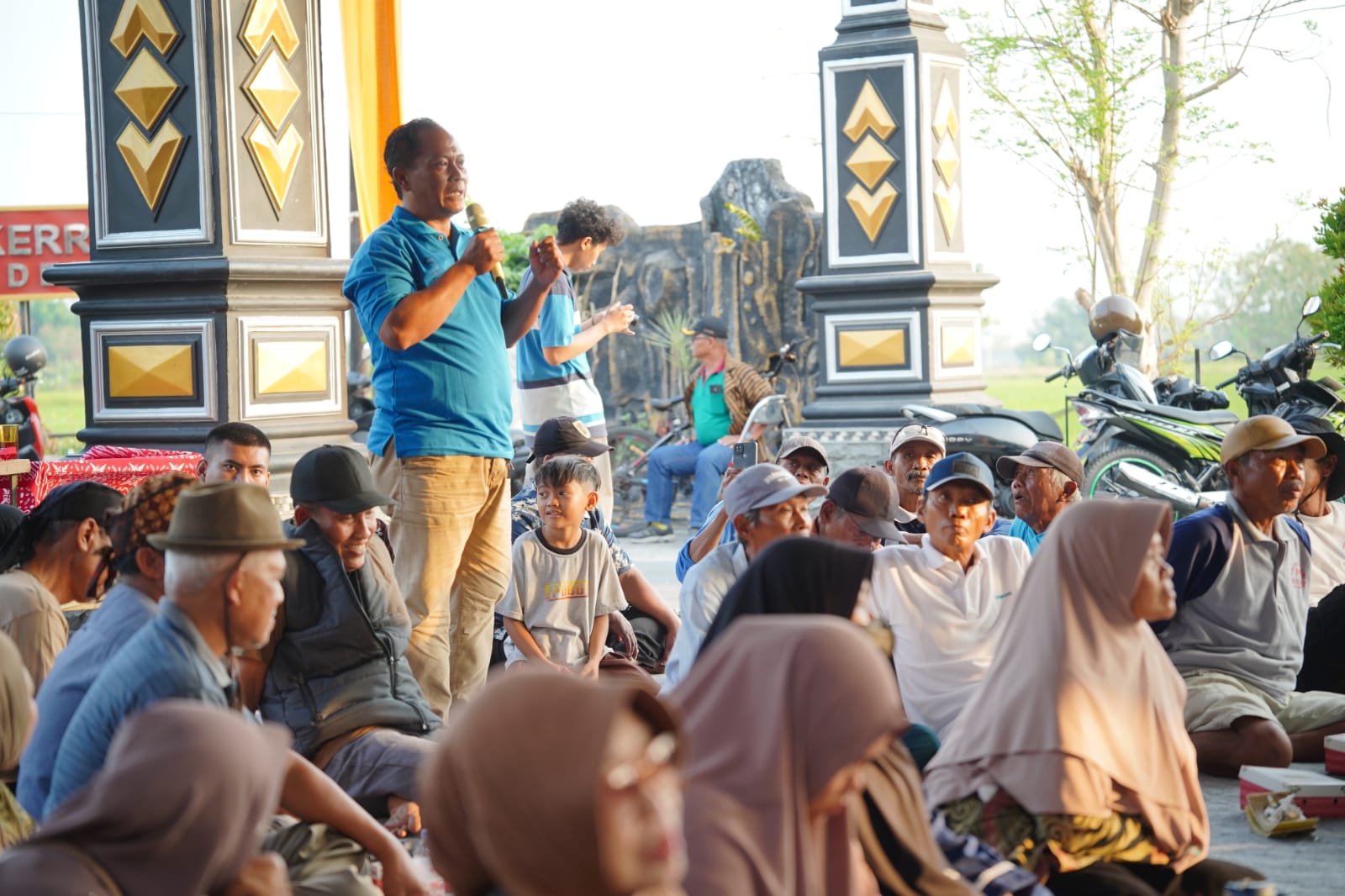
Local wisdom was key. In Dukuh Tumpang, Porang Paring Village, Pati, for example, communities protect three major water sources through traditional practices – i.e. Clean Village Ritual (ritual resik desa). This approach showed that solution did not necessarily need to be modern, but instead deeply rooted in local culture of sustainability.
Voices from the Coastal and Dry Areas
Evi Novita Setyaningrum from Yayasan SHEEP Indonesia illustrated the more extreme situation. In the northern coast, land became submerged. Children had to cross bridges above the sea to go to school. In other areas, drought forced children to work extra to get clean water, even for basic thing such as taking a bath.
In such situation, playground and learning ground became limited. For this reason, it was important to involve children directly in awareness process. Children were encouraged to write and draw their own experience, including government’s and parents’ expectations. This approach was not only educational, but also became important part of psychological recovery.
Roles of Communities and Challenges Posed by Policies
The discussion also explored community roles through approach such as “jogo tonggo” – a form of community solidarity to deal with crisis. yet, the major challenge was often coming from unsynchronised policies.
One talk show participant expressed anxiety: children were already taught how to separate waste, yet the government waste management team put separated waste together again. This showed that education at individual level was not enough in itself without consistent system supports.
From Awareness to Resistance
The talk show ended with a strong message that climate crisis was unstoppable. It was already happening and had to be resisted. Yet, resistance could not be done by individuals/groups on their own.
The reality was there were many individuals, communities, and organisations who cared. The only challenge was how to connect them together into directed collective actions.
In the end, the struggle to protect the earth was a struggle to ensure children’s future. And the biggest investment that could be done today was to ensure that children grew with awareness, self-confidence, and space to participate. (Dorkas Febria)