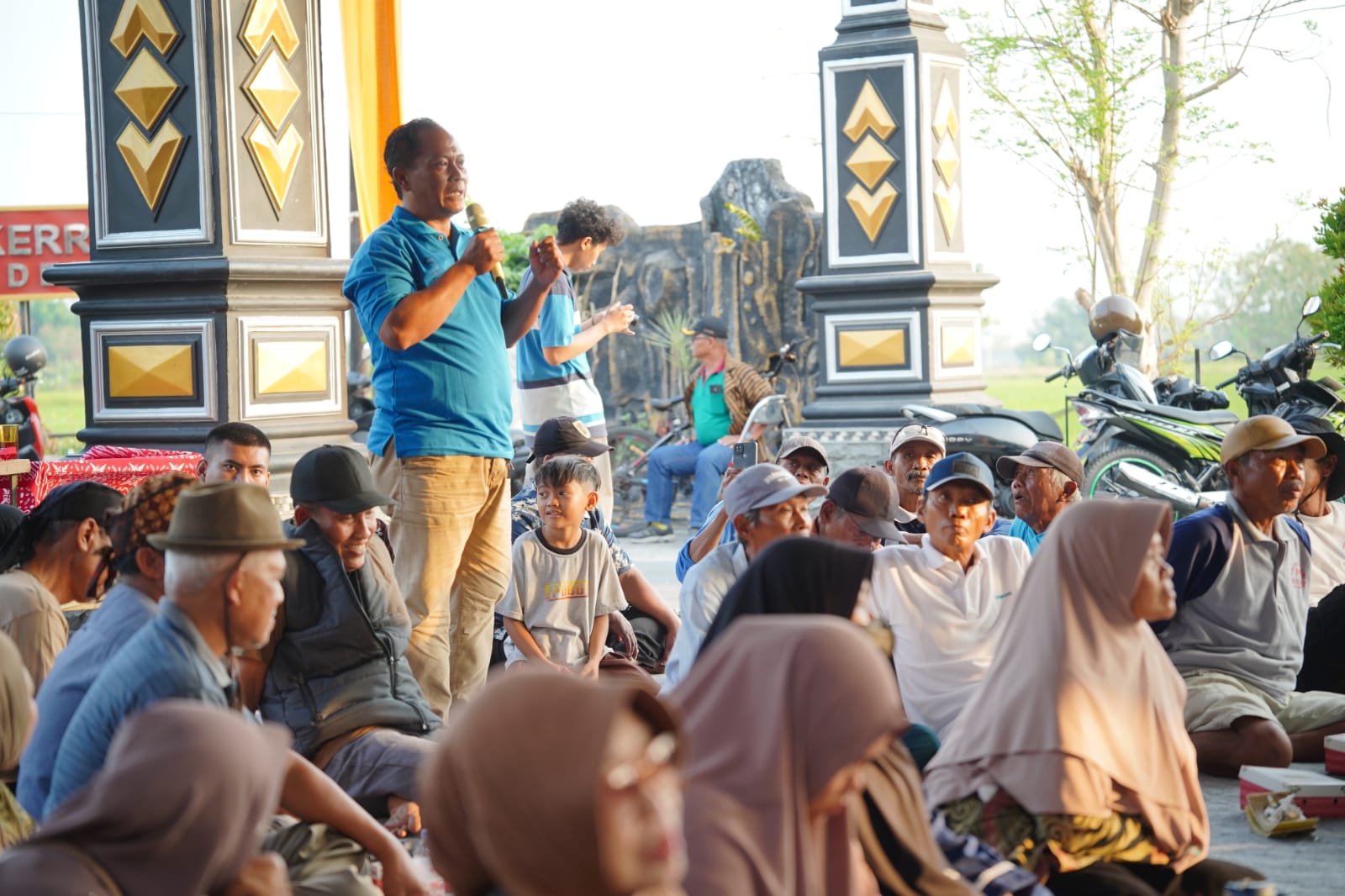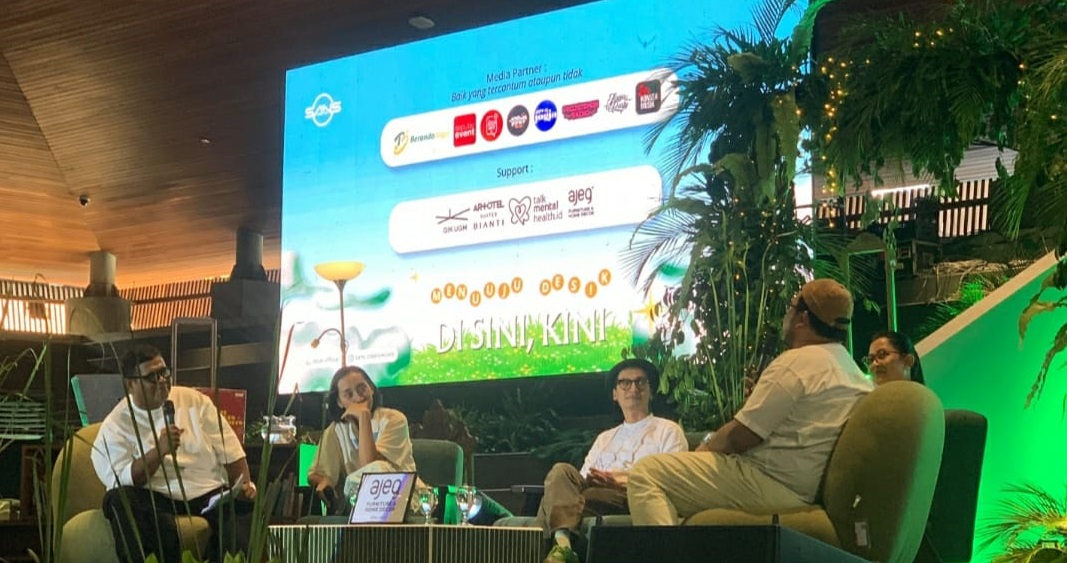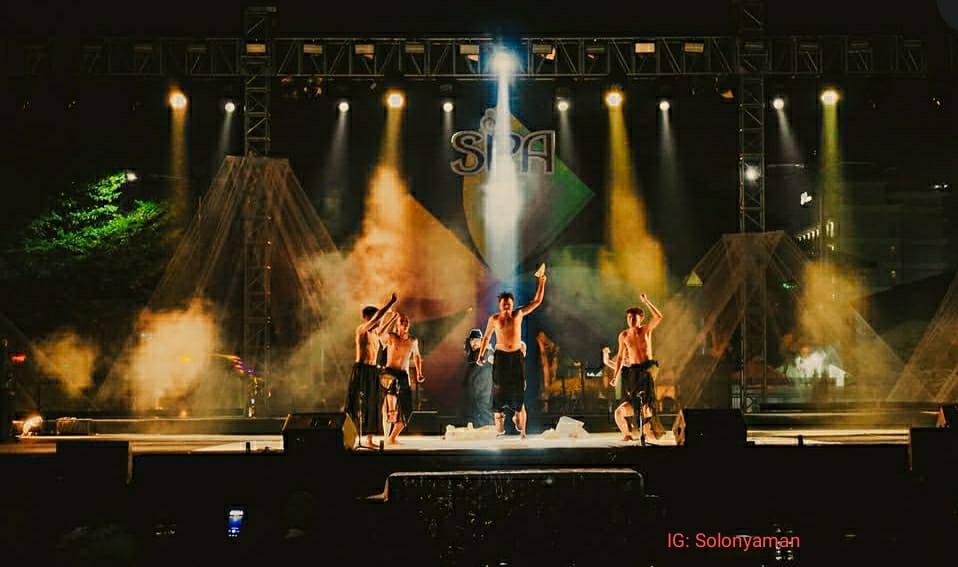



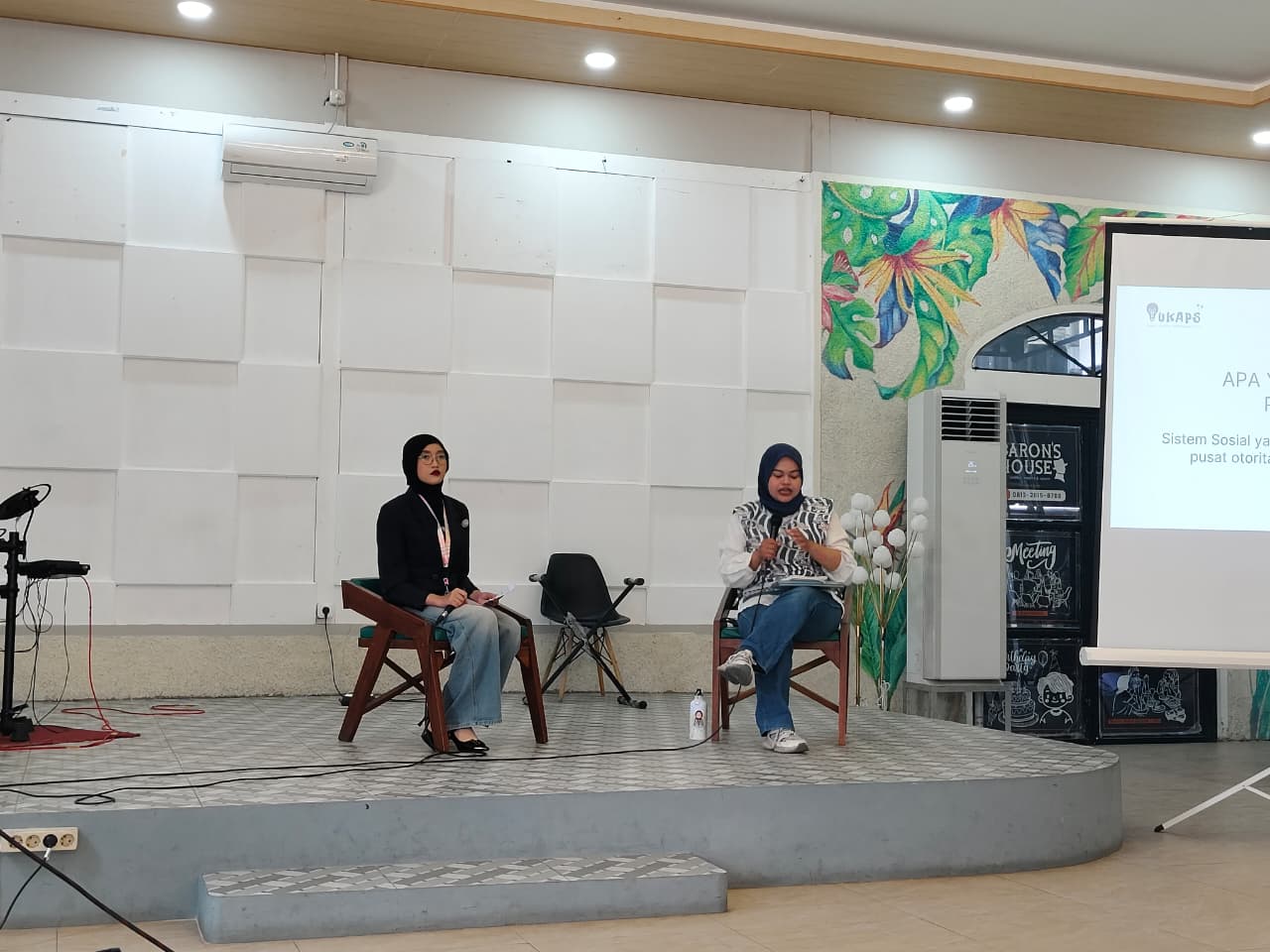

In celebrating International Women’s Day 2026, Girl Up UNS Student Group launched a series of programs titled “Beyond Labels: Advancing Equity Together.” The activities occurred on Saturday (18/04) at i Baron House Resto, featuring talkshows, art exhibition, and band.
The program talked about the roles of label and gender stereotypes in daily life and the impacts on individual views and choices. The talkshow presented a speaker - Septiana Dwi Rosita, a project management and advocacy consultant and active at PUKAPS Solo and other youth movements. The discussion was moderated by Hanastasya.
In her presentation, Septiana emphasised that many people lived in a patriarchy system without realising it. She compared patriarchy to water for fish, not visible because it was integrated in daily life. To her, patriarchy was a social system that placed men as centre of authority and primary standard. “Patriarchy persisted through three key pillars – hierarchy that placed women at the bottom, legitimacy that men were always right, and key value about men’s domination and women’s obedience as natural,” she said.
She also took issue with role division between domestic and public spheres as a foundation for patriarchy. Women were often associated with domestic roles, while men were in public roles. Although many women were now active in their carrier, the double standard remained, such as question about who managed the household which women were often charged with.
Furthermore, Septiana explained the process of internalising patriarchy through four key paths - family, religion and culture, media, and institutions. This process, according to her, established ideal women that was duty bound and ready to serve, and perpetuated misogynist in community.
The impacts of patriarchy could be felt psychologically and socially. Septiana mentioned pressures to meet certain standard(s) that could result in stress, lack of self confidence, to difficulty in inter-personal relationship. In family environment, gaps were visible in domination in decision making and imbalance in role division.
The moderator Hanastasya also shared her experience, including stigma about women’s leadership in schools and the emphasis on beauty standard that affected mental health. In response, Septiana stated that the situation was often considered normal because it was already internalised for so long.
In the question and answer session, participants pointed to the phenomenon of women’s dependence on men and the use of the term “pick me” in the context of feminism. Septiana emphasised the importance of women’s self-confidence and independence.
“We must be aware that men are not the only centre of life. Women need to recognise themselves and not depend on other people,” she said.
She also explained the term “pick me” which initially emerged in social media to describe women who let other women down in order to impress men, but now often misused to attack other women.
In closing the session, Septiana asked participants to start changing by becoming aware that gender imbalance was a social construction that could be changed. She affirmed that studying patriarchy and feminism was not about hating men, but a means towards equality.
“This is not about competition, but about catching up and creating equal space for all,” she said . (Renny Talitha Candra/ast)