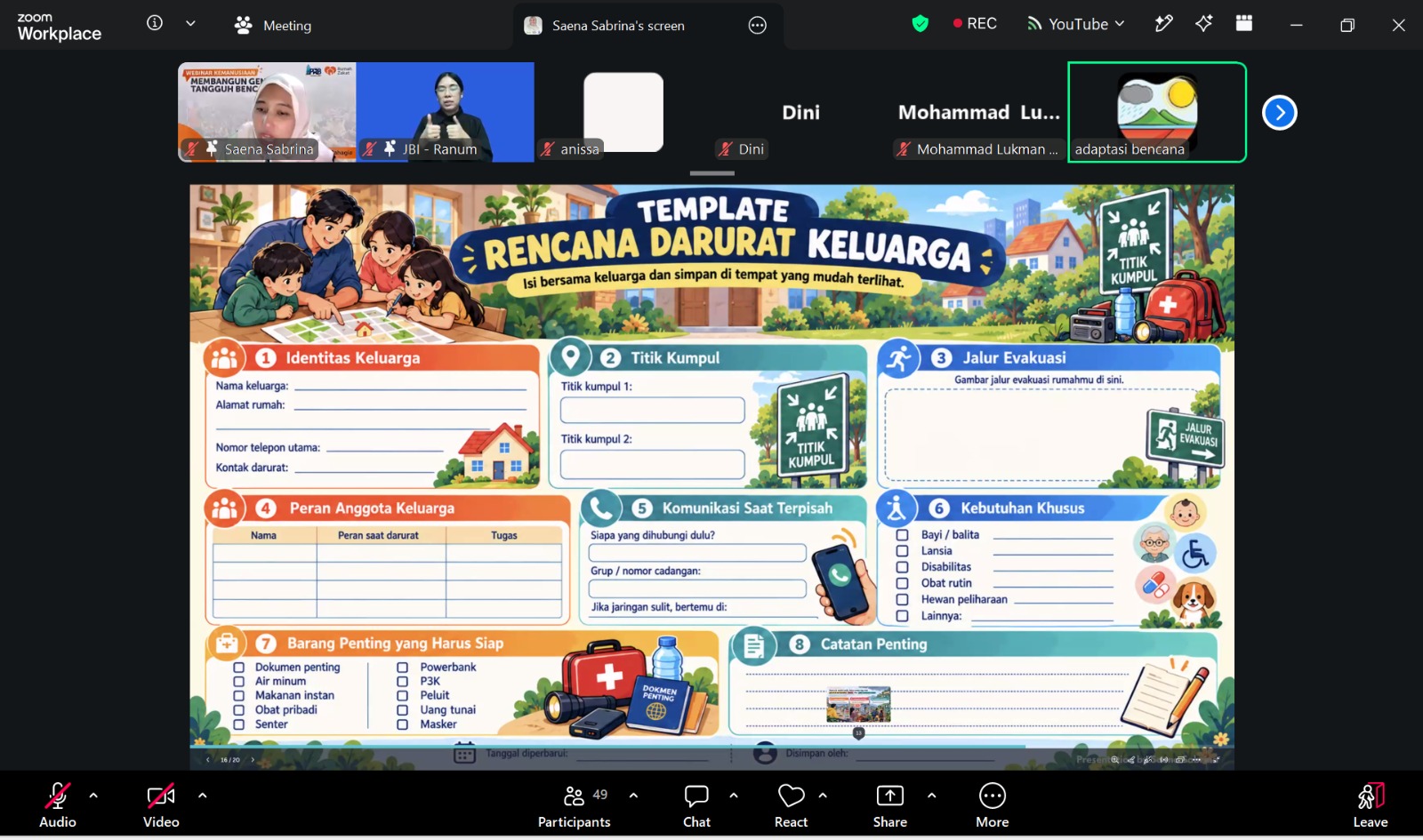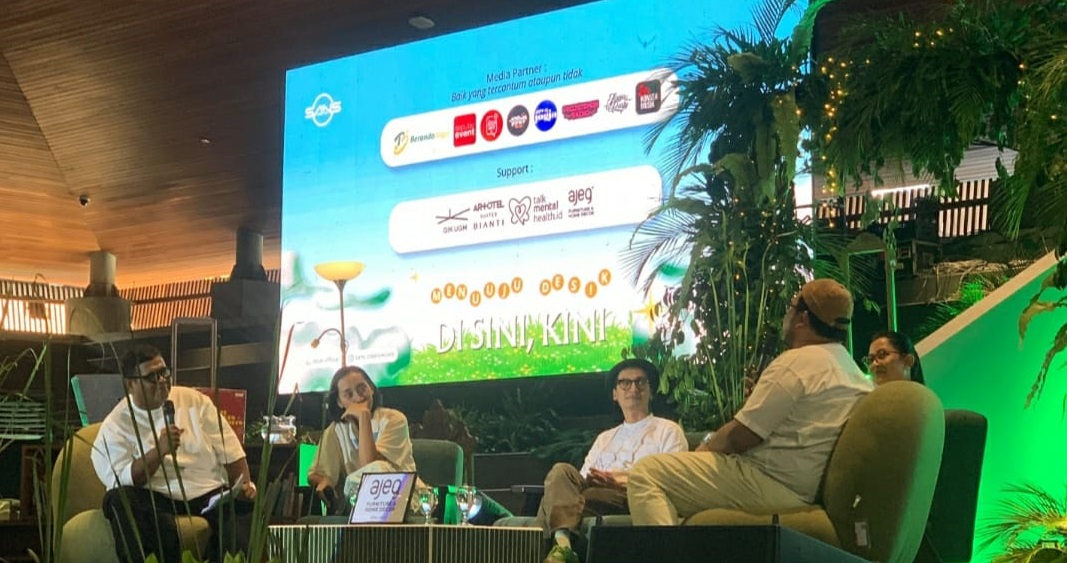



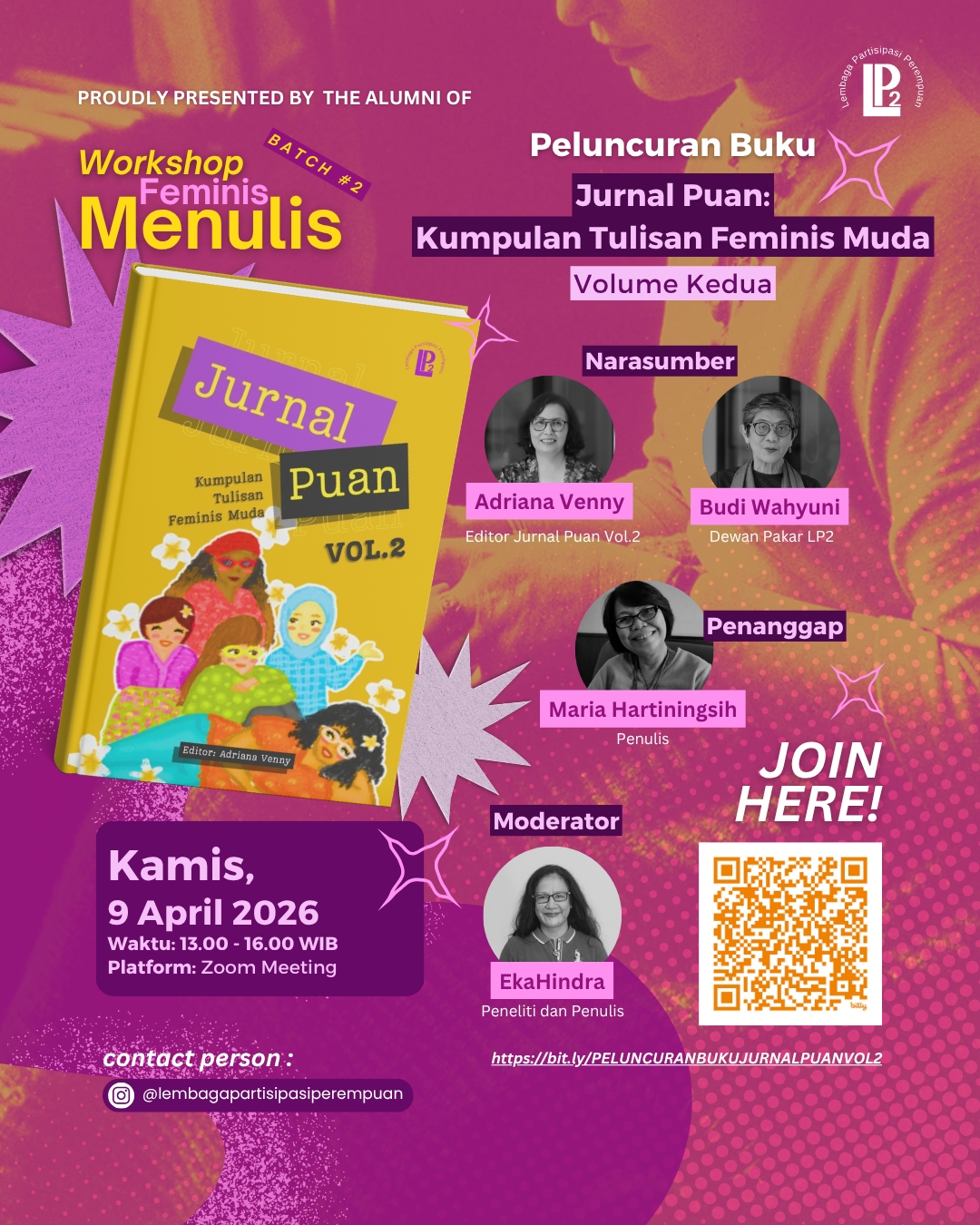

Lembaga Partisipasi Perempuan (LP2) launched a Buku Jurnal Puan (Book) Volume 2, a collection of young feminist writings who attended feminist write workshop batch 2. In the zoom meeting on Thursday (9/4), the moderator and writer, Eka Hindra said that writers would emerge from Lembaga Partisipasi Perempuan (LP2). And that was confirmed by Adriana Venny, resource person and the editor of Jurnal Puan Vol. 2 that there was a debt from the previous generation – re. draft law on domestic workers protection and draft law on indigenous communities, which necessitated the re-birth of feminism.
LP2 Counsil of Expert and former National Women’s Rights Commissioner, Budi Wahyuni stated that there were different genres with regards to the writings of young feminist writers, and there were two writings on reproductive health with a background of Islamic School. In the writing entitled "the snare of hetero-normative marriage in the middle of gay people" Afifah described how little information was available with regards to reproductive health, sexual orientation, and reproduction. What was interesting from the writings in the book, according to Budi Wahyuni, was that, whether people realised it or not, there were lots of things to write. For example, we could talk about health from the point of sexuality, whether those who agreed with sexual orientation were homosexuals or not? Those who agreed would connect it with rights. She also suggested that the issue would never end with differences in our points of view.
The question then was where did we start with reproductive health? If the answer was before menstruation and before wet dreams, then it would be too late, or let alone before marriage or even after pregnancy when there was already penetration. So, the age to learn and get to know was boundless – meaning from birth till death.
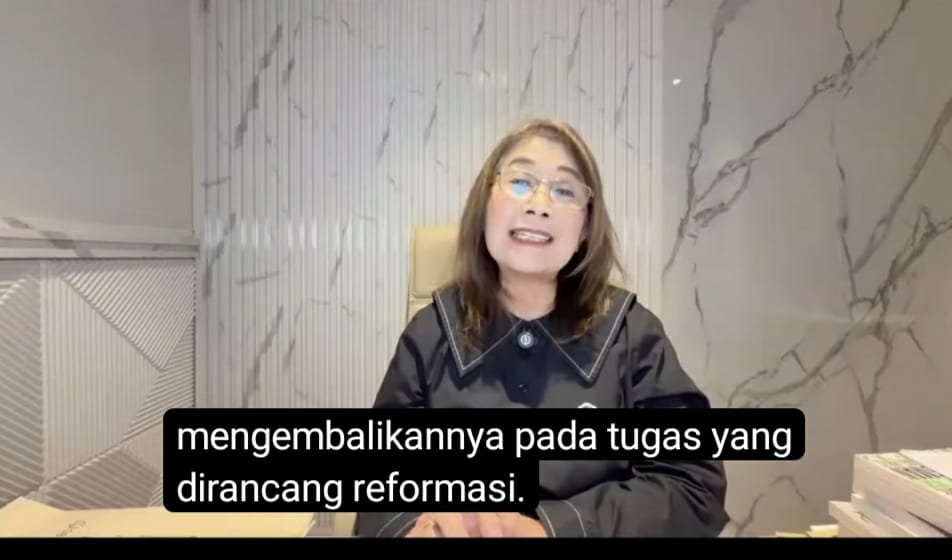
Kompas senior journalist (194-2015) and a writer and teacher, Maria Hartiningsih gave her response with regards to young feminists’ writings that the themes they were writing were interesting and felt like a mix of themes. Yet, if they wanted to use them in a journal, then they would be ready because they needed referencesthat could be verified. She also questioned what the style was supposed to be when she looked into the title of the writing? If referenced from a book, then the title of the book had to be written, and the year of publication that can be verified. If it was a result of survey, then it had to mention what kind of survey.
The term heteronomy in one section of the book had to be explained where it came from, because then it could be verified and made the writing more interesting. Maria also provided input with regards to women in politics, whether the 30% quota for women was honest or not? Because we wanted to know what women would do there, whether they really represented women? Because their behaviours were not different from men’s. “what kind of representation do we want from women. Do women really know the situation of women they represented?” said Maria. She questioned whether there were truly women who worked at the bottom. In fact, we could reverse the women’s representation, meaning the angle was reversed and then the party structure was overhauled. “What happened here was not a political theory but a theory of power. We read Habermas. There were many themes, but the way they were written was confusing. Long writing with no clear indication where it was going, about Gay Marriage for example,” added Maria.
Maria added that we should not see sexuality in a rigid way, and then she explained about Kingsley’s sexuality theory, which showed that humans were not 100% female and 100% male. She gave an example. There was a hetero-marriage and fifteen years they met different couple(s). This suggested that sexual orientation may change as indicated in the earlier pattern, was it true that humans were 80% female or male, or conversely it was more like bisexual relationship but more loyal.
Once again, she gave her compliment that the collection of writings in this book was interesting but not explored deeper and she expected that the authors read more because that could make a difference. She used herself as an example where she had an objective in her work. There was no linear path to climb because there were lots of bumps. “This is the first step, then later I could write again with a different style and different angle,” said Maria.
She recounted her experience, a number of transgender people she met was from Islamic School(s). For her, everything that was segregated had to find a way out, including in the seminary. She also commented on writing about beauty standard, “I want to give a recognition or applause. It seems important for colleagues to make their own picture. This way, people would not be tired of reading and at the same time it could be a strategy. Certainly, friends are needed to draw. This is about beauty standard,” she said. She also said that she experienced PTSD when she dealt with 1965 cases.
One writer, Matahari told during a zoom meeting of her personal experience as a survivor and mentor to a victim. She had to recount her experience and it was often difficult to recount, as it happened in 2019 and a few years afterwards. As a victim, she shifted her traumatic experience into good activities. “I could help other people and it was part of healing and other mentors felt the same thing. As mentors, we could experience a burnout. This was an opportunity for a collective care,” said Matahari.
One writer, Adhieva Salaysya acknowledged that she needed many research materials as she had no experience in journalistic writing. And she wrote about sensitive issues. In the religious Islamic school, there was no sexual and reproductive health rights lessons, and she only heard it from me, her partner. “My partner connected me with them through students in higher and lower classes. They filled out the questionnaires. To me, sexual and reproductive health rights was critical in order to avoid LBGT behaviours,” she said. Even she suggested that there was finding that people were curious about their own body. They did not know that sanitary pads were disposable. She acknowledged that there were limited number of resources who would be willing to speak up and she was refused in Islamic School because the issue was unusual.
Another writer, Galuh expressed her gratitude to LP2 as the latter provided her with a space to write something useful. Her concern was heterosexual marriage pressure. There was even suggestion that lavender marriage could be used to change sexual orientation, for the better. Galuh got her sources from Youtube and social media and through interviews with gay men who felt the pressures because they were forced to marry a woman. Her data was limited and not complete. I appreciated the male resource people who were willing to have a discussion and became the resource people. “Lavender marriage had complex consequences. And women who experienced it had the potential to face sexul and reproductive rights issues resulting from sexually-transmitted diseases.”
Maria Dominika wrote about beauty standard with her high-school as a homogenous background. Once she went into university, she joined organization and she still felt the social pressure, so she made simple form in social media and fill in with the how-to of beauty standard.
In closing the zoom meeting, Budi Wahyuni stated that the key advantages of young feminists were they served as mentors and counselors, and they could explore the opportunity and deepen their understanding for example through 0-minute interviews.
Maria then provided input that the most important thing in writing was enthusiasm before the long process. She also suggested to read more. “As mentor, we must be strong before we accompany someone. I did that in the 2000s. That was a light shining through, but not a healthy light, it was kind of penetrating light,” she said. She added that it was necessary to meet many people first. Otherwise, our own body would suffer, as we had to continually keep doing self-empowerment. (Ast)