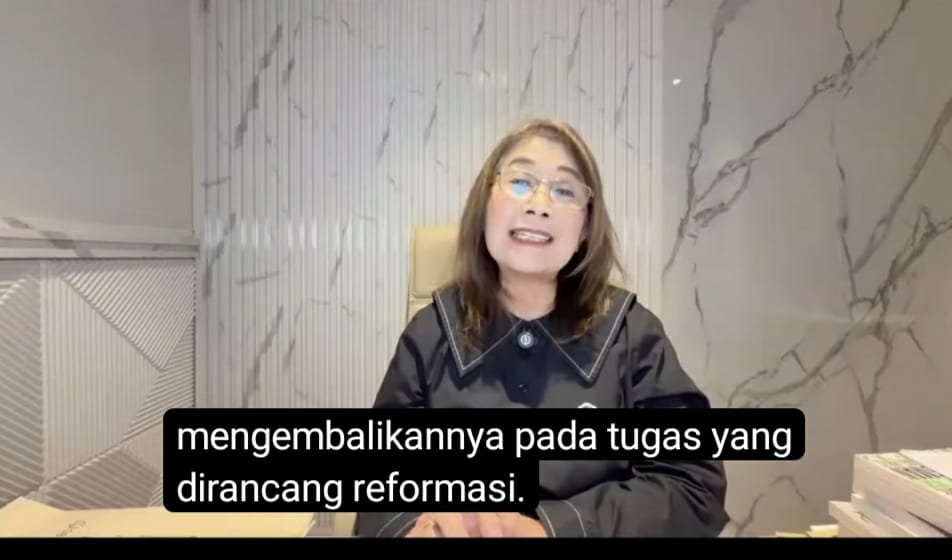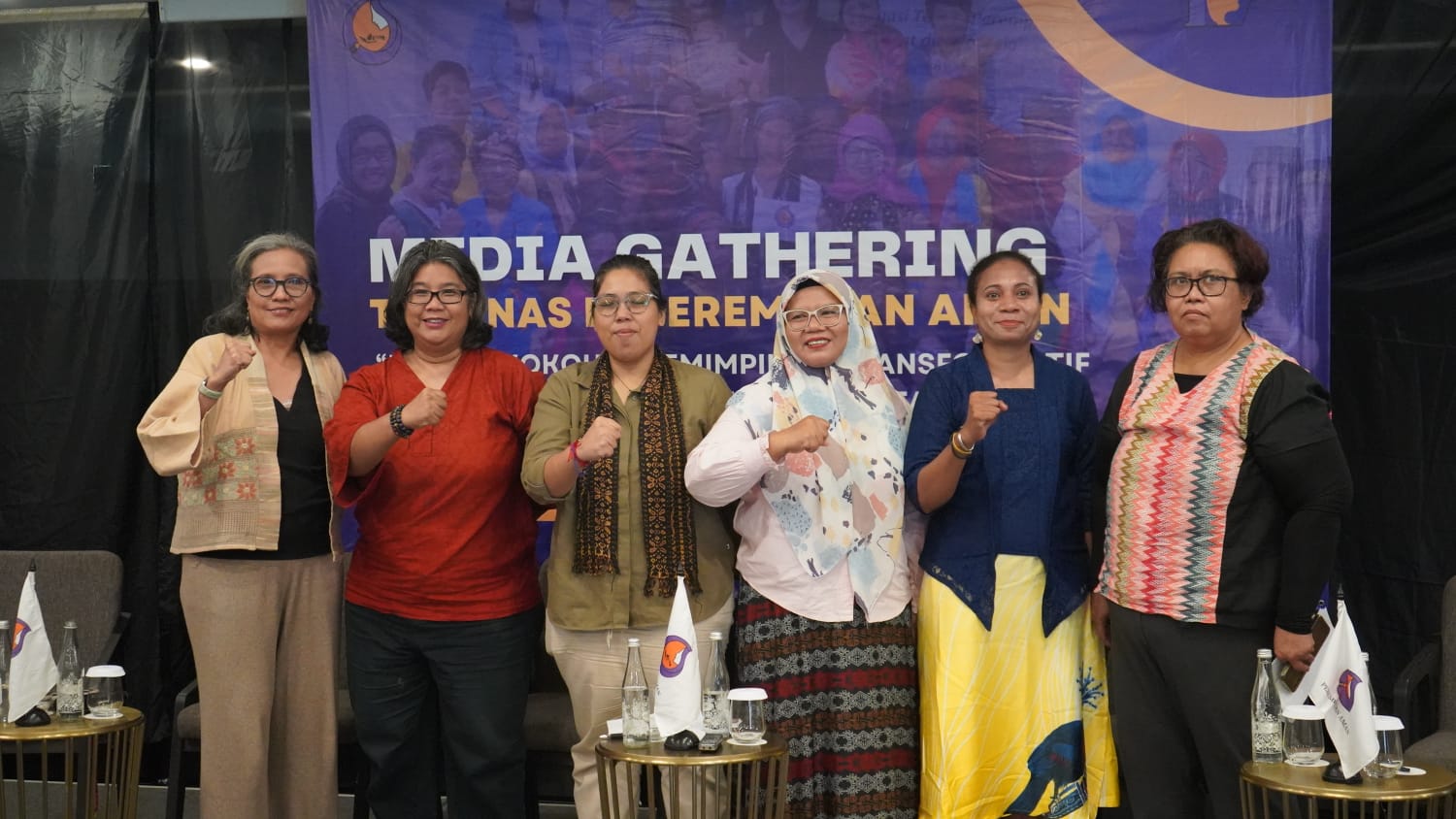



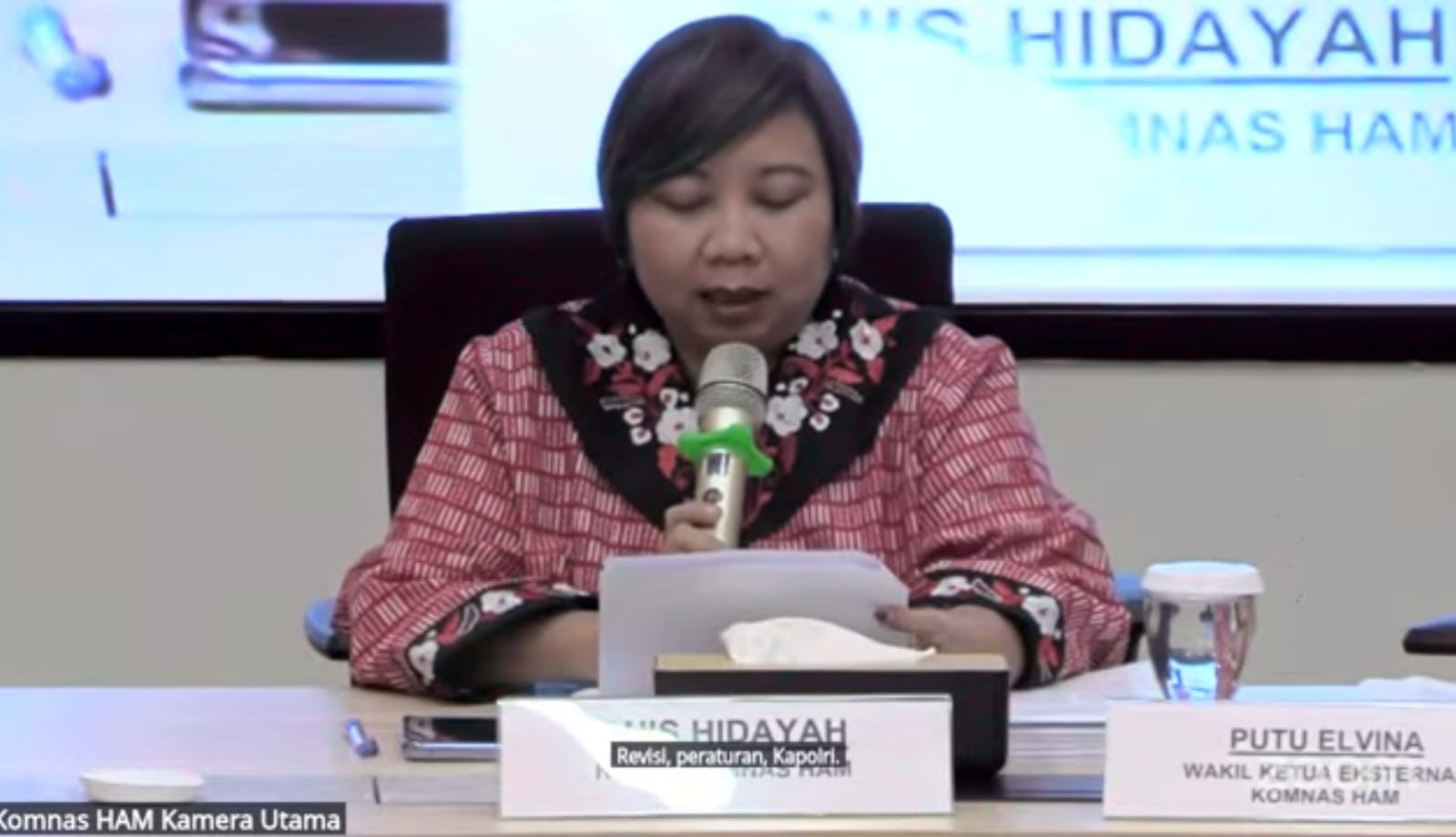

The fact-finding team of six State agencies explained the result of investigation regarding protest and the ensuing violence in August–September 2025. The findings were presented in a press conference with representatives of agencies, including the National Human Rights Commission, Indonesian Child Protection Agency (KPAI), The National Women’s Rights Commission, the National Disability Commission (KND), the Witness Protection Office (LPSK), and the Indonesian Ombudsman on Monday (20/4).
The chairperson of the fact-finding team, Anis Hidayah explained that the team was established to collect information regarding alleged human rights violation, and to promote justice, victim recovery, and prevention of similar incidents in the future.
“The team worked since September 2025 through direct observation, interviews with witnesses, and victims, and collecting supporting documents,” said Anis.
Monitoring took place in 20 provinces in Indonesia, including Java island and other islands, such as Sumatera, Kalimantan, Sulawesi, Maluku, to Papua. The report was 1,251 pages and contained findings, analysis, and policy recommendations.
Key Findings: Limit on Freedom to Violence by Security Officials
One key finding was the limit put on freedom for association and expression which was not proportional. The vice Chairperson of Human Rights Commission, Putu Elvina mentioned that actions started peaceful, then changed violence after repressive intervention.
“The security officials were allegedly using excessive force in the absence of any real threat to public order, which infringed on the principle of proportionality,” she said.
The team also noted life loss, including Affan Kurniawan, who allegedly died due to officials’ negligence. This represented a State failure in protecting rights to life.
Children, Women, and People with Disability as Vulnerable Groups
The Indonesian Children Protection Commission or Komisi Perlindungan Anak Indonesia (KPAI) found children’s involvement in actions, through mobilisation and exploitation. Children were generally involved from vulnerable groups, such as dysfunctional families, school dropouts, and from poor families.
In addition, there were also violence against children, including torture and sexual violence.
The Women’s Rights Commission took issue with gender-based violence experience by women, as participants in protests and as family of victims. Women were reported to have suffered from intimidation, physical violence, to alleged sexual torture during arrest and detention.
In addition, Fatimah Asri from National Disability Commission noted the lack of understanding within officials with regards to the needs of people with disability, particularly with regards to mental and intellectual disability. There was no proper accommodation which made things worse.
Problematic Management
The Indonesian Ombudsman, Siti Uswatun Hasanah revealed systemic failure in the management of actions. The pattern of violation found included arbitrary arrests, criminalisation, torture, to intimidation of people and journalists.
“The management of protesting people showed weakness with regards to accountability, within the command system and the supervisory mechanism,” said Siti Uswatun.
We even found inhuman treatment while in custody, which infringed on the ban on torture.
Recovery of Victims Was Not Yet at Its Optimum Level
The Witness Protection Agency noted that recovery process for victims remained partial and not based on victims’ needs. Many victims suffered physical wounds, psychological trauma, to loss of employment.
In addition, victims also faced social stigma in their own communities, schools or workplaces.
“The recovery approach is not integrated and not based on human rights,” said vice chairperson of Witness Protection Agency, Sri Suparyati.
Conclusion: Alleged Systemic and Widespread Human Rights Violation
Based on the findings, the team concluded that there was indication of systemic and widespread human rights violation.
Human Rights Commissioner, Saurlin Siagian, stated that similar pattern in many areas showed that the incident was not isolated.
“This condition reflected structural issues necessitating comprehensive and accountable solution,” she said.
Recommendations for the State and State Agencies
The team also presented recommendations to a number of parties – the President, the Parliament, The Attorney General, The Police, and relevant Ministries. A number of recommendations points were as follows:
- Performance evaluation of security agencies in dealing with protests
- Comprehensive investigation into suspected death and torture
- Guarantee for victims’ recovery, including health, psychological services, and compensation
- Special protection for women, children, and people with disability
- Reform of law enforcement system to be based on human rights
- Strengthening digital literacy and protection of children in digital space
- Guarantee of education access to children impacted by actions
The team emphasised that the recommendations aimed to promote State accountability and to prevent recurrence of human rights violation in the future.
The press conference became key assertion that the 2025 protest not only had impacts physically but also materially, as well as serious consequences with regards to human rights protection in Indonesia. (ast)