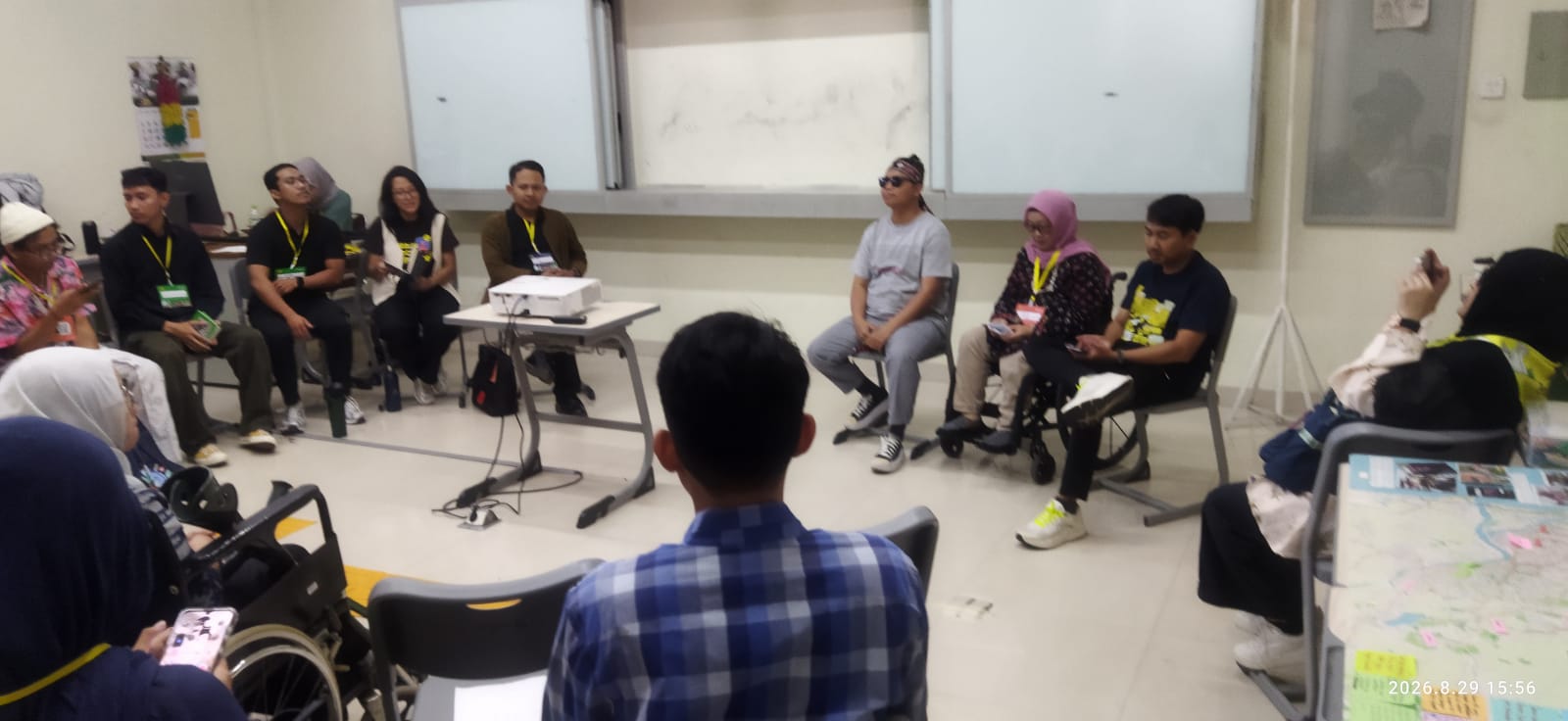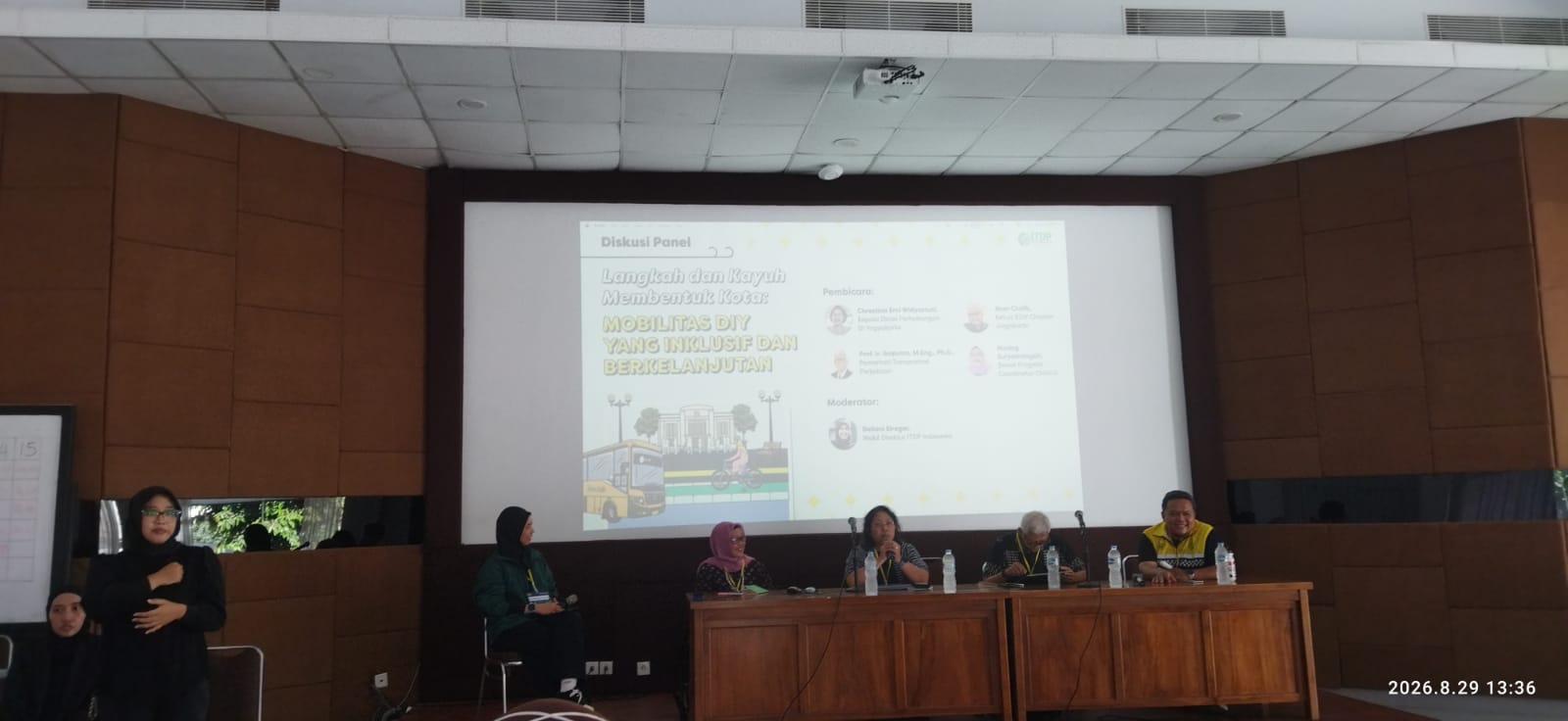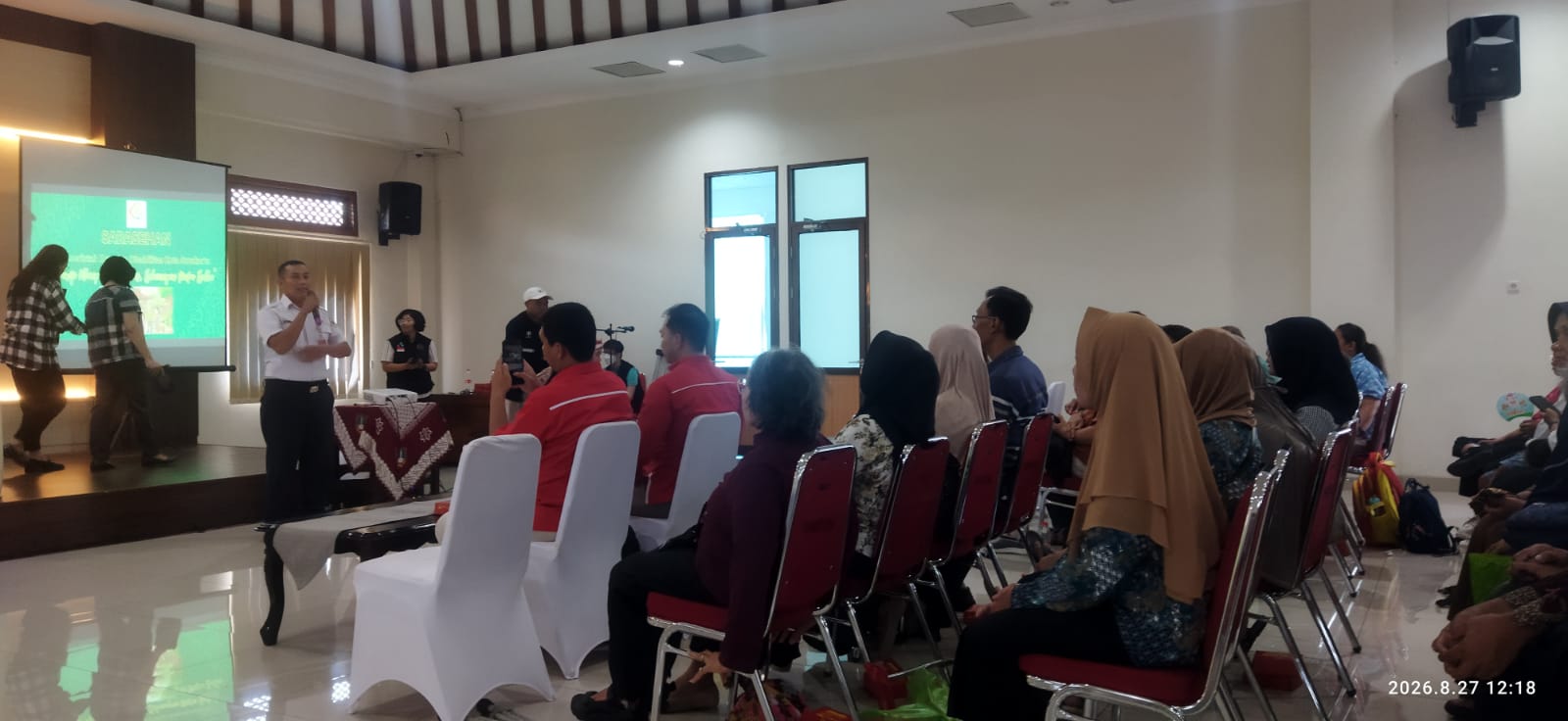



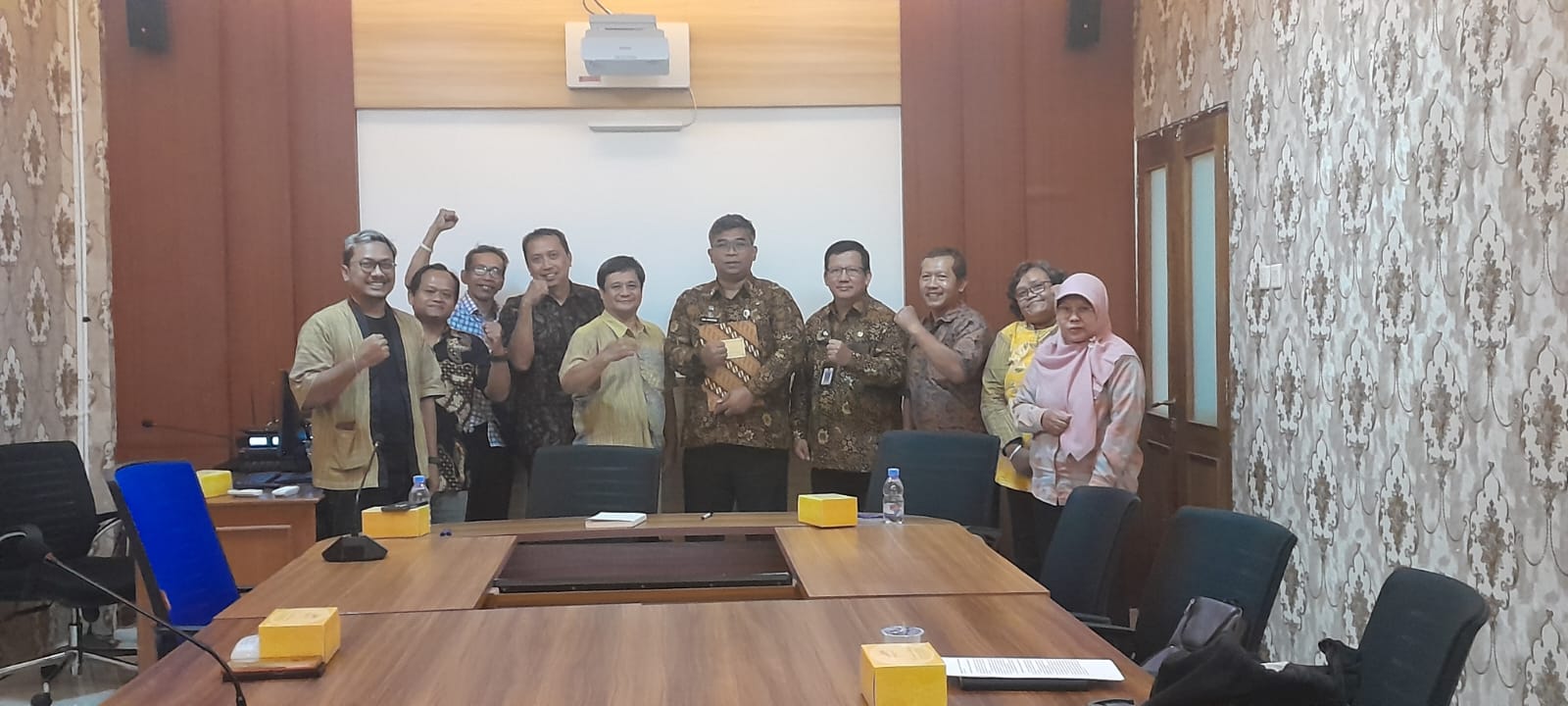

Yayasan YAPHI and Masyarakat Peduli Pendidikan Surakarta (MPPS) submitted policy recommendations to the chief of Education Office in the City of Surakarta as a form of citizen contribution to strengthen the children’s rights to learn while at R.A Kartini Hall, Education Office of the City of Surakarta, on Thursday (22/1). The recommendations reflected the urgent need to broaden equal education access, to promote on-par quality amongst schools, and to ensure inclusive and meaningful education services to all children, including children with disability and children with special needs.
MPPS argued that to enlighten the nation’s life, we need to promote measurable education at city leve: each child had to be registered, each child had to have access to quality education, and each school had to have fair supports for quality improvement. Within such context, MPPS proposed three inter-connected policy priorities as one package for quality education service in Surakarta City.
“MPPS promoted education policy that would closed existing gaps in services, bukan sekadar menambah program. The measure of success was fairly simple: more children return to study, better on-par inter-school quality services, and more inclusive learning space in Surakarta,” said Adi C Kristiyanto, the Coordinator of MPPS.
Three Education Priorities Envisioned by MPPS
1) Consolidation of New Student Selection through Impactful Affirmation
MPPS observed that parents may not be interested in certain schools, hence leading to schools not having enough students. The situation might lead to widening student distribution gap and strengthening stigma towards certain schools. For that reason, MPPS suggested new student recruitment policy to not stop in selection management, but had to be equipped with affirmation with real impacts for schools not receiving sufficient attention. Affirmaton served for improveent that could be montored, such as strengthening learning practices, improvement in capacity of school leaders, improvement in basic school services, and transparency of relevant improvement for the public.
2) Managing Penanganan children not attending school and dropout children (ATS/APS) through Service Framework of Temu (Meet) – Antar (Take) – Jaga (Care)
MPPS found many children not attending schools and dropout children in the City of Surakarta that needed consistent services from start to finish. The Temu – Antar – Jaga framework was recommended as standard services:
Meet: mapping and outreach to children not attending school and dropout children operationally, including clarification of key challenges/barriers.
Take: facilitate that children not attending school and dropout children obtain supports to return to (nearest) school (private, public, even community-learning centre), with clear path and simplified administrative requirement.
Care: ongoing accompaniment though case-based advocacy, including coordination with family and monitoring of children’s school retention in order to avoid drop out.
3) Consolidation of Inclusive Education through Special Education Need Teachers and Improvement in Teacher’s Capacity based Universal Design for Learning
MPPS assessed that private and public schools had limited capacity for managing inclusive education for children with disability. If unaddressed, more children with disability or children with special needs would risk not getting optimum education services – both in terms of access, supports for class learning, and sustainability of learning. MPPS proposed:
Making Available Special Needs Teachers in all Public Schools in the City of Surakarta, as key form of support for inclusive services.
Improvement of teachers’capacity in private and public schools through Universal Design for Learning/UDL) so that learning was designed since the very beginning to be accessible by children with a variety of needs.
Urban Education practitioner, Bukik Setiawan argued that such priority package was critical so that policy can be translated into comprehensive services. “A strong city is not just a city with top schools, but a city that ensures each child has a learning route that is near, possible, and sustainable. The three priorities are critical as one integrated package of service, not separated of each other,” he said.
MPPS was ready to collaborate with the Education Office in the City of Surakarta in order to elaborate implementation plan, including defining indicators, job division amongst key stakeholders, and accountable monitoring mechanism.