



Grooming phenomenon came to the surface after the publication of Broken Strings Book – a form of violence against women and children by adult perpetrator(s) who built trust with the victims. The reality was that violence against women and children was increasing year after year.
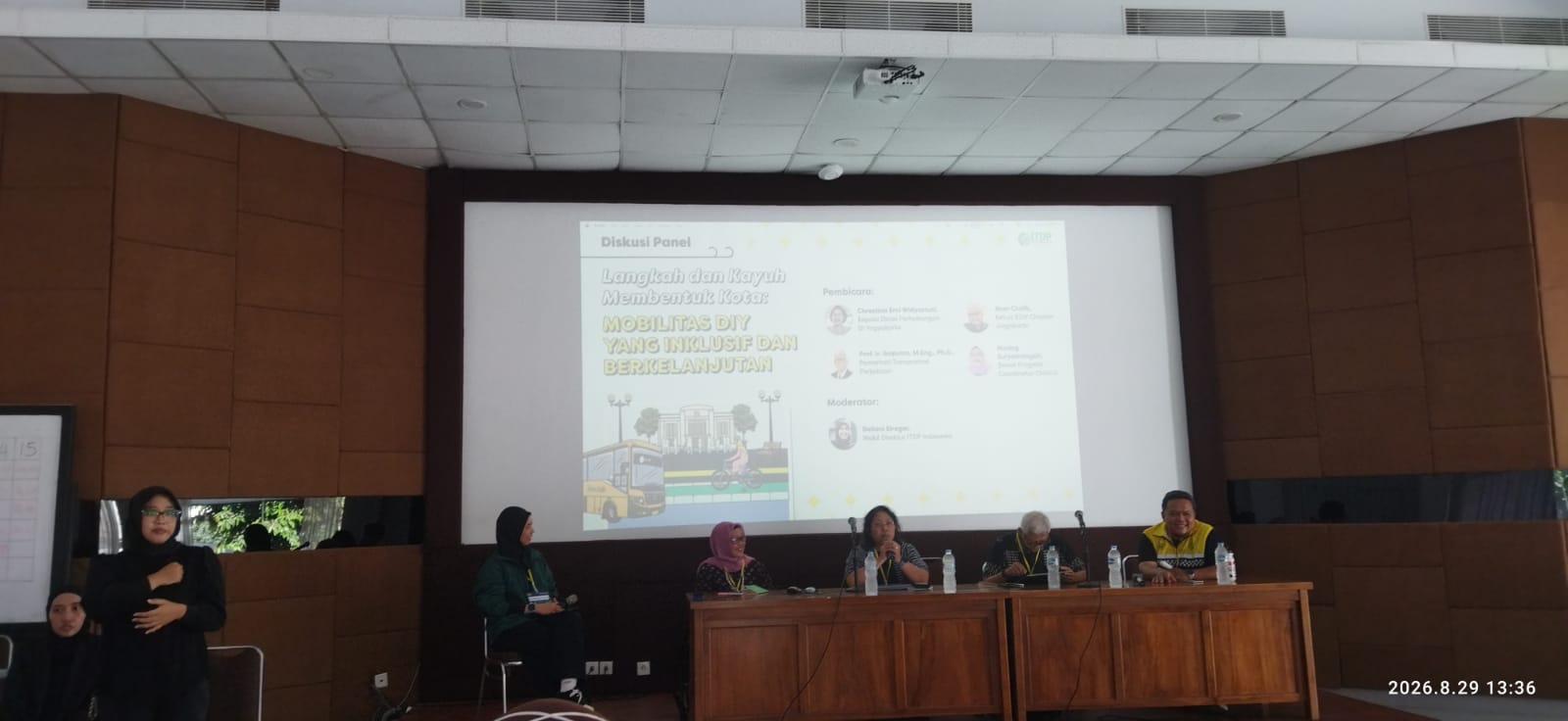
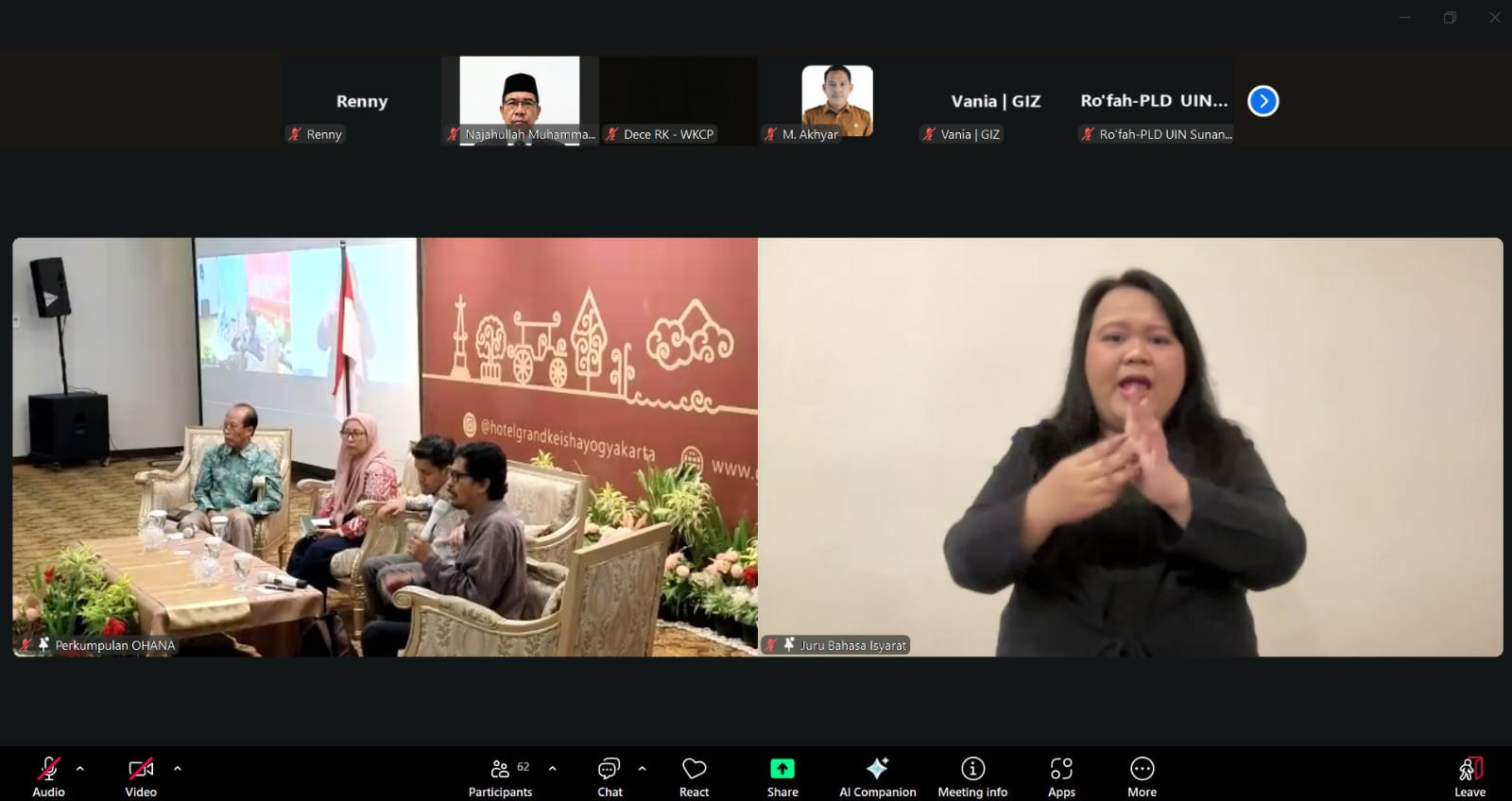
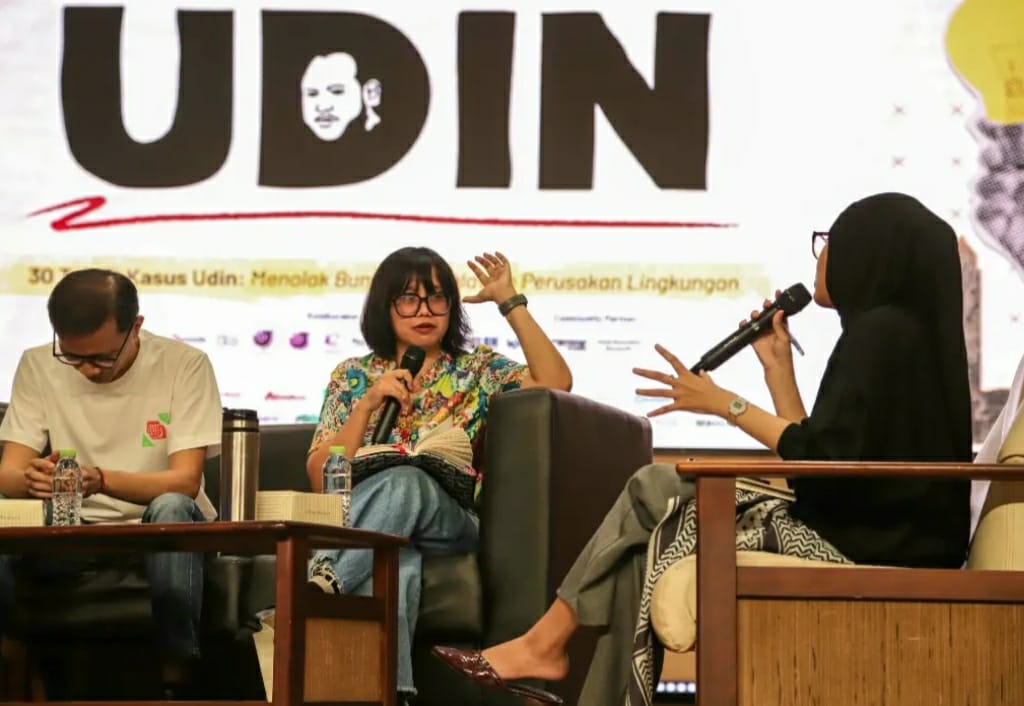
This was the background to the Discussion Forum Denpasar 12 to reassess the issue on Wednesday 28/1, more particularly with regards to child grooming from the legal and psychological perspective. The forum invited resource people such as Amelia Anggraini (Parliament member), AKBP Dwi Astuti S.H,M.A, Debora Basaria, M.Psi (Psychologist, lecturer at Tarumanegara University), Fitra Sugiyono (Office of Women’s Empowerment and Child Protection or PPPA), and panelist Dr. Livia Iskandar from Yayasan Pulih.
Amelia Anggraini started with two questions – who knew Aurelia case? And who read Broken Strings? She argued that grooming was real and so close even victims not realizing it. The victim kept it inside out of fear, shame, and the sense that nobody would believe the victim. Grooming was not a form of intimate chat, but a process where perpetrator(s) approached victim(s) and brainwashed the victim(s), and committed sexual and even economic exploitation, which looked natural despite the perspective manipulation. Amelia then focused on how easy to implement the existing regulation per standard and inter-agency collaboration, and consistent law enforcement. Yet, grooming occurred in private spaces, so reporting mechanism became key, combined with data protection and privacy of victim as well as real digital literacy and not merely ceremonial, and as importantly public debate.
Healthy digital economy should not be built on children’s vulnerability. If that happened, then what to do? Many sub-national regions had Women and Children Protection Office, and they had to collaborate with the Law Enforcement Agencies, rather than acted alone, and their approach had to be victim-based.
The Unit Chief II of Sub-Directorate II of Women and Child Protection and Eradication of Human Trafficking of the Police Investigation Agency, AKBP Dwi Astuti drew attention to the legal criminal accountability of perpetrators who could be indicted on multiple charges (Child Protection Law, Sexual Violence Law, Electronic Information Technology Law). They could also face heftier punishment when the perpetrator(s) was/were known to victims (teachers, family members, and religious figures/leaders), and the acts were done repeatedly and caused serious trauma in victim(s).
She also explained about legal protection for victims, i.e.: right to legal accompaniment, protection of victim identity, psychological and social rehabilitation, restitution, and victim-centred restorative justice. The critical note here was that there was no restorative justice when the victim(s) was/were children.
When asked about the time limit for reporting, Dwi explained that there was no particular deadline in the case of grooming – meaning that months or years may have passed before there was reporting of sexual violence. It could take a long while from the time of incidence to reporting.
She also explained the impacts of grooming on the child(ren) – long-term psychological trauma, guilty feelings and shame, difficulty trusting adults, depression, anxiety, to risk of self-harm.
How to Prevent? Child education on physical boundary and privacy, building open communication with children, monitoring the use of internet and social media, teaching children to have self-confidence in saying “no” and to report, and education for parents, teachers and communities. Communities played critical role(s) in protecting children from sexual harassment, including child grooming, and it was critical to understand signs, and patterns relating to sexual harassment against children.
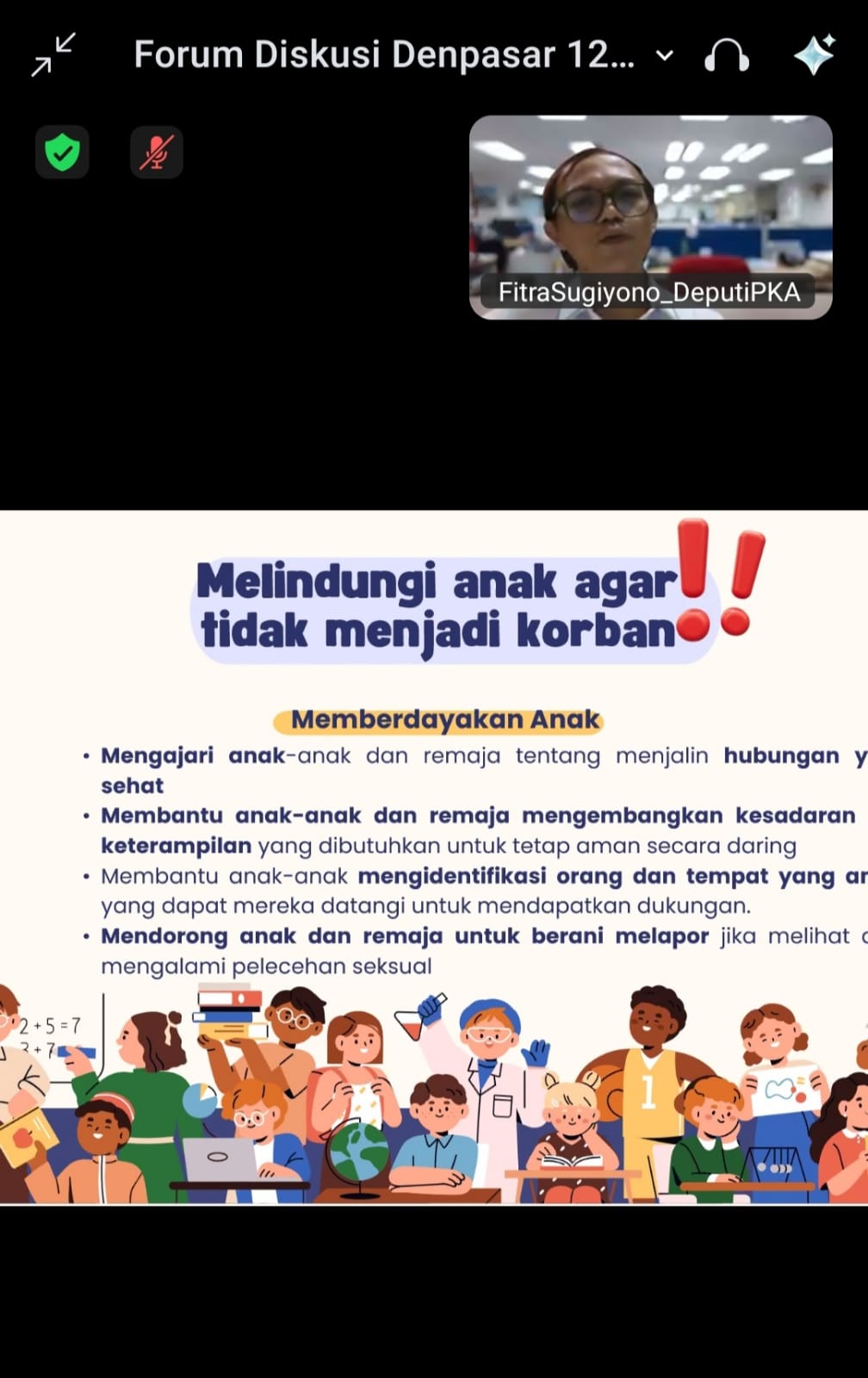
From the Women’s Empowerment and Child Protection Office, Fitra Sugiyono suggested that there was no official translation of the term child grooming in the Indonesian language. The term could be conceived as a process where adult(s) conducted psychological and emotional manipulation step-by-step in order to develop rapport, trust, and emotional bond with the victim(s). In daily practice, child grooming can be explained in a number of ways: 1. Child grooming/grooming, 2. Non-physical/indirect sexual harassment, 3. Manipulation of a child’s emotion, and 4. Sexually-Child Trickster.
Child grooming built gradually and in long-term, not spontaneously, as the process may take weeks to months. It started when the perpetrator(s) develop initial communication to a form of control and secrecy. The risk increased as the child victim(s) was (were) vulnerable emotionally, where initially the victim(s) looked normal/positive, then shifting to scared and isolated.
Fitra added that child grooming perpetrator(s) proceeded gradually to manipulate victim(s) in order to build trust, emotional dependence and secrecy. The child(ren) were led to believe that the relation was special or full of love, not violent. The key factors: child vulnerability (emotional, social, digital), gaps in power relation, access and trust, family problem, and lack of digital literacy and adult supervision.
So what parents needed to do? They needed to protect their child(ren) so that they would not become victim(s) through consolidating childcare and parents’ and family’s roles, creating safe environment and full of love for their child(ren), building open communication and trust, set clear boundaries off- and online, monitor child activities, teaching body autonomy and identifying sexual violence, encourage children to report with their support.
There were a few child grooming-related regulations in Indonesia: Child Protection Law 35/2014, Article 76E, the term used: “Tricks, lies or persuasion to a child to commit to indecent acts.” Law on Sexual Violence No. 12/2022, Article 5 “non-physical sexual harassment”, Pornography Law No. 44/2008 “Child Pornography”, Electronic Information Technology No. 19/2016, Article 27 “contents that violate decency”, and the new Criminal Cod (2026), Article 290-293 “Indecent Acts”
What did the Women’s Empowerment and Child Protection Office do? In 2025, there was Government Regulation on Roadmap – The Roadmap to Online Child Protection. What that entailed was development of modules accessible via the internet – including module on online-related childcare, awareness raising in schools targeting teachers and students, and child forum.
Psychologist and speaker, Debora Basaria suggested that there were traits of child grooming that people had to be aware of: it was not easy, as perpetrator(s) seemed friendly and caring, yet there were a number of traits that could be early signs that a relation between a child and an adult had to be suspicious – if a child suddenly felt close to someone much older for no apparent reason, particularly when that relation was secretive and the child was asked to keep it a secret from family. The child targeted for grooming may also display sudden change in behavior – isolation from friends or family, or from peers or other family members, because perpetrator wanted to separate the victim from their social support. Then there was change in performance at school – decrease in academic performance or loss of interest to school and extracurricular activities as signs of difficult emotional issues.
There were other sigs such as anxiety or depression – unexplained anxiety, depression, or loss of sense of dignity, unusual sexual behaviour for the victim’s age, and sexual knowledge unfit for the child’s age, use of inappropriate language, which victim may have learned from the perpetrator(s).
Was child grooming the same as pedophile? The similarity between the two lied in their focus on sexual behavior against children. Pedophilia meant sexual attraction to children, while child grooming meant acts that facilitated harassment against children. This suggested that not all those who committed child grooming were pedophiles, despite the fact that many pedophiles committed child grooming, as a way to approach and manipulate victim(s). Conversely, there were perpetrators of child grooming who may not have any interests in children, but chose to exploit children because they had the opportunity or for any other reasons.
Finally, there were the dangers and impacts of child grooming. The impacts were serious and long-lasting. The emotional impacts could be child victims of grooming and harassment experiencing serious emotional trauma. They may develop anxiety, depression, post-trauma stress or other mental health issues. Grooming could involve betrayal of trust because perpetrator(s) usually build trust with victim(s) because committing harassment. This led to victim’s inability to trust other people in the future, including family members, friends and authority. (Ast)