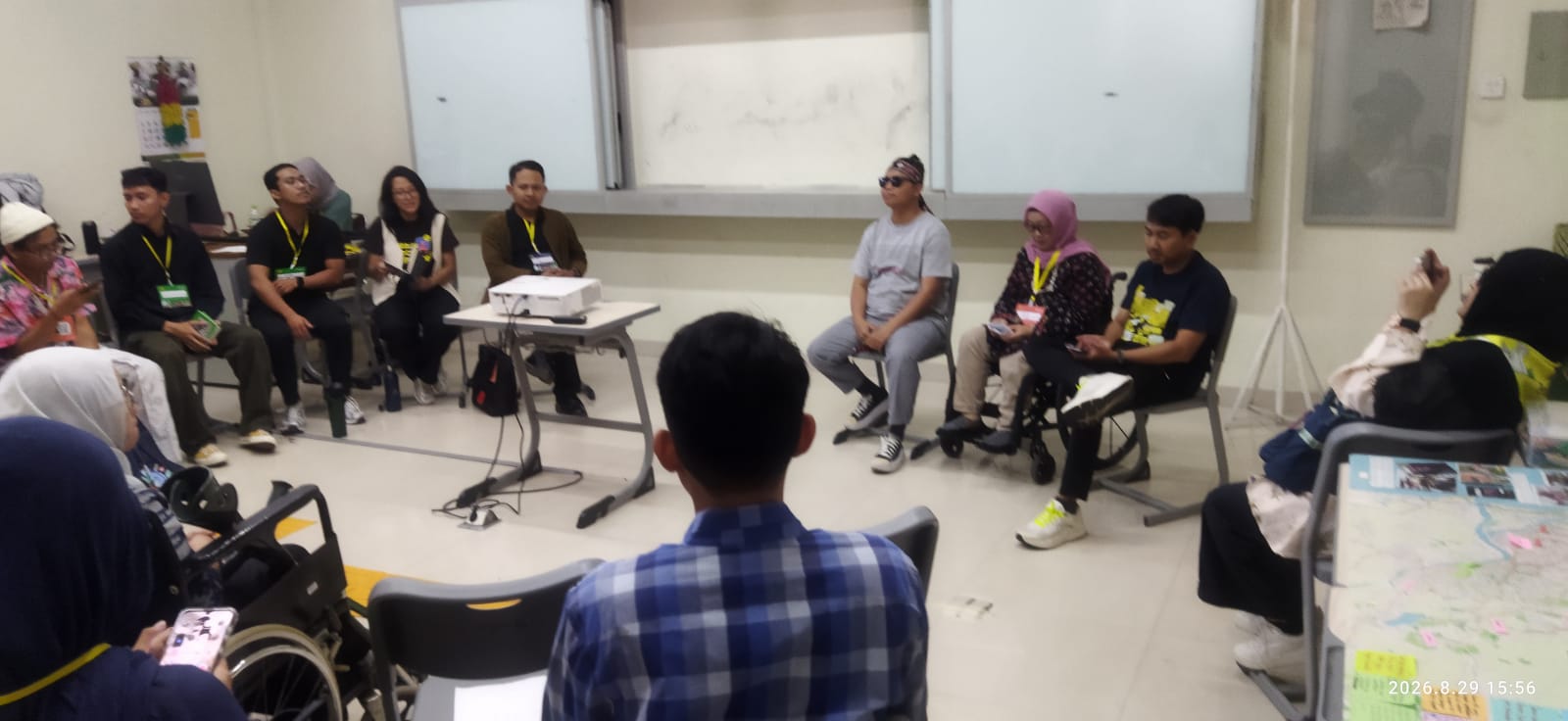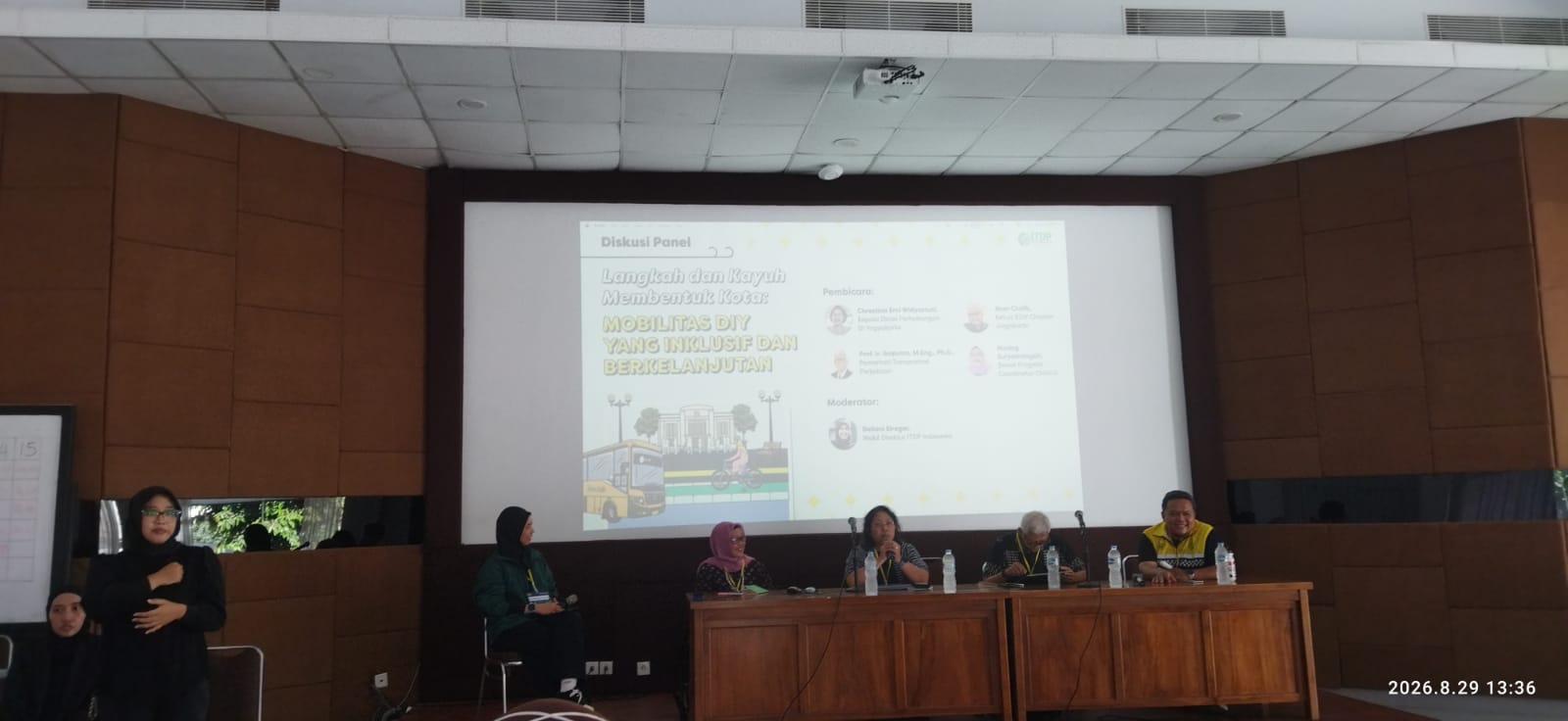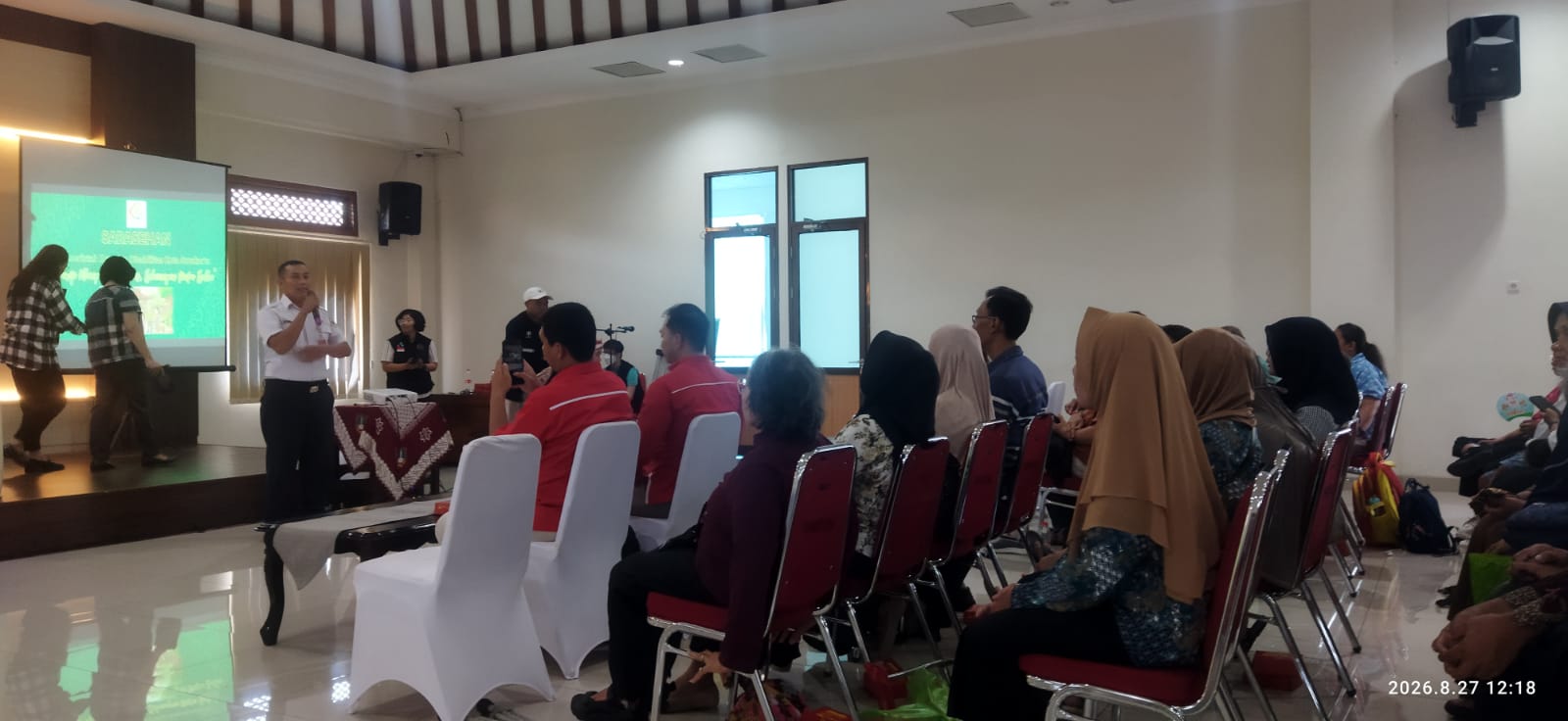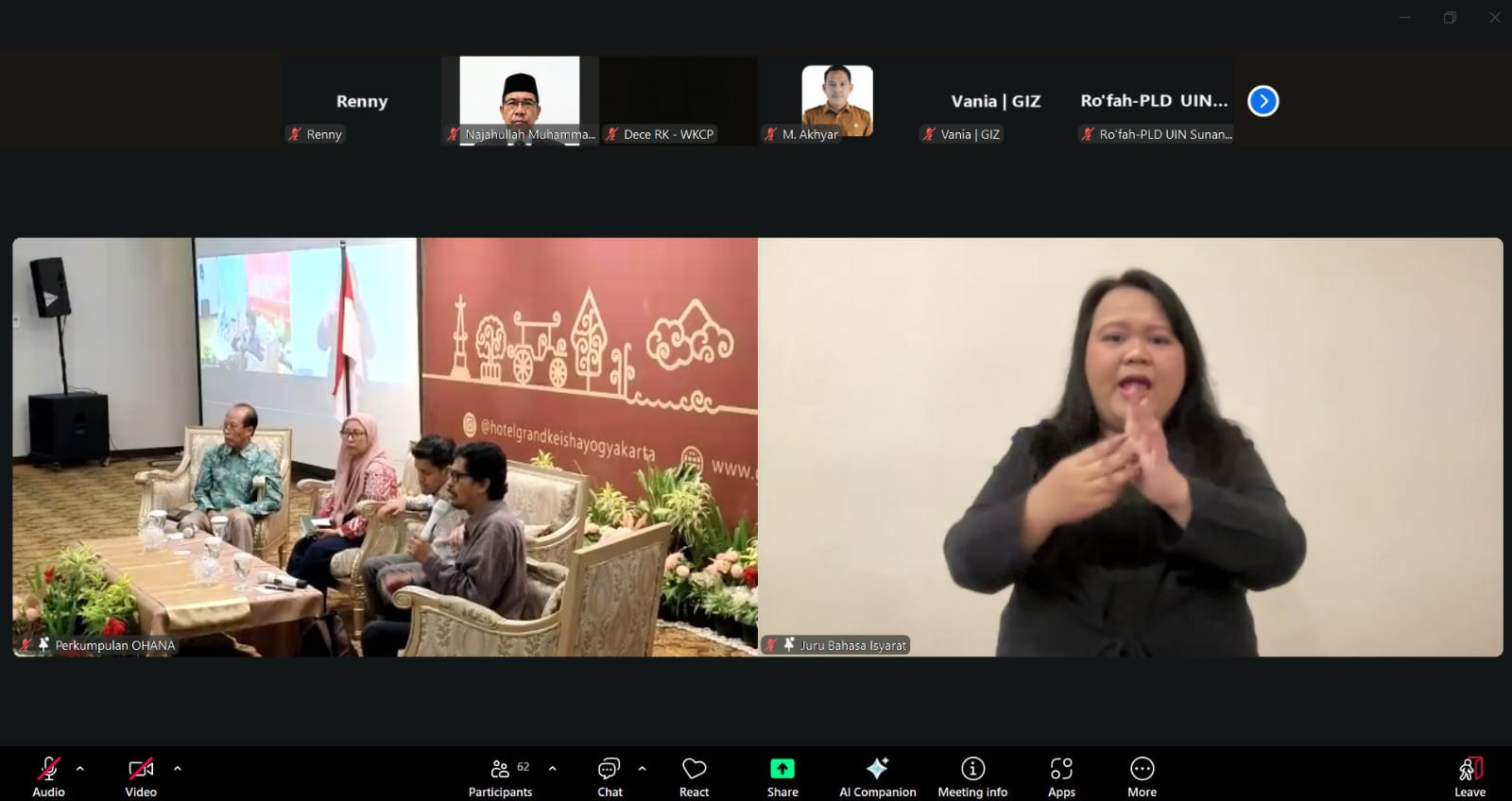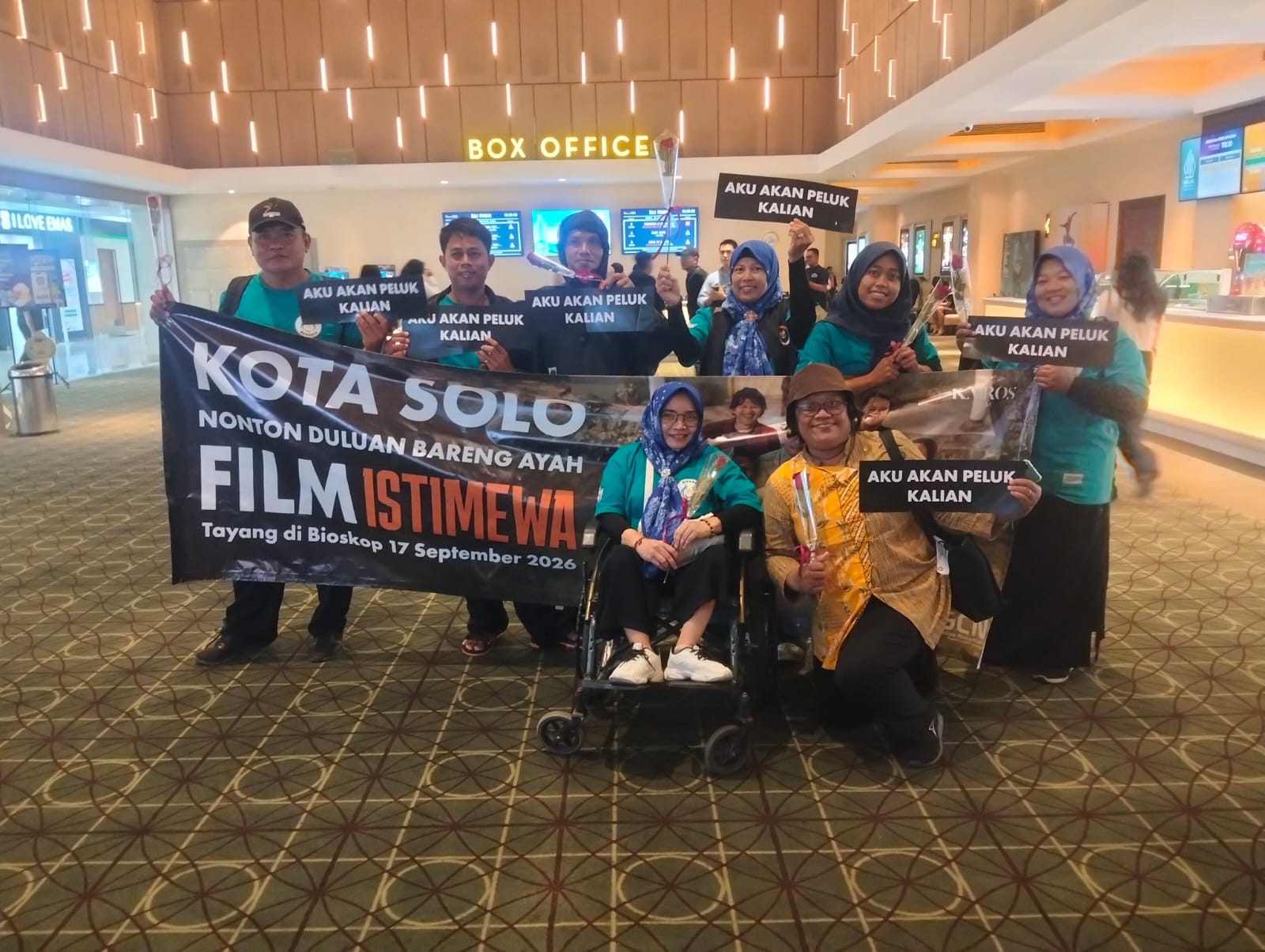



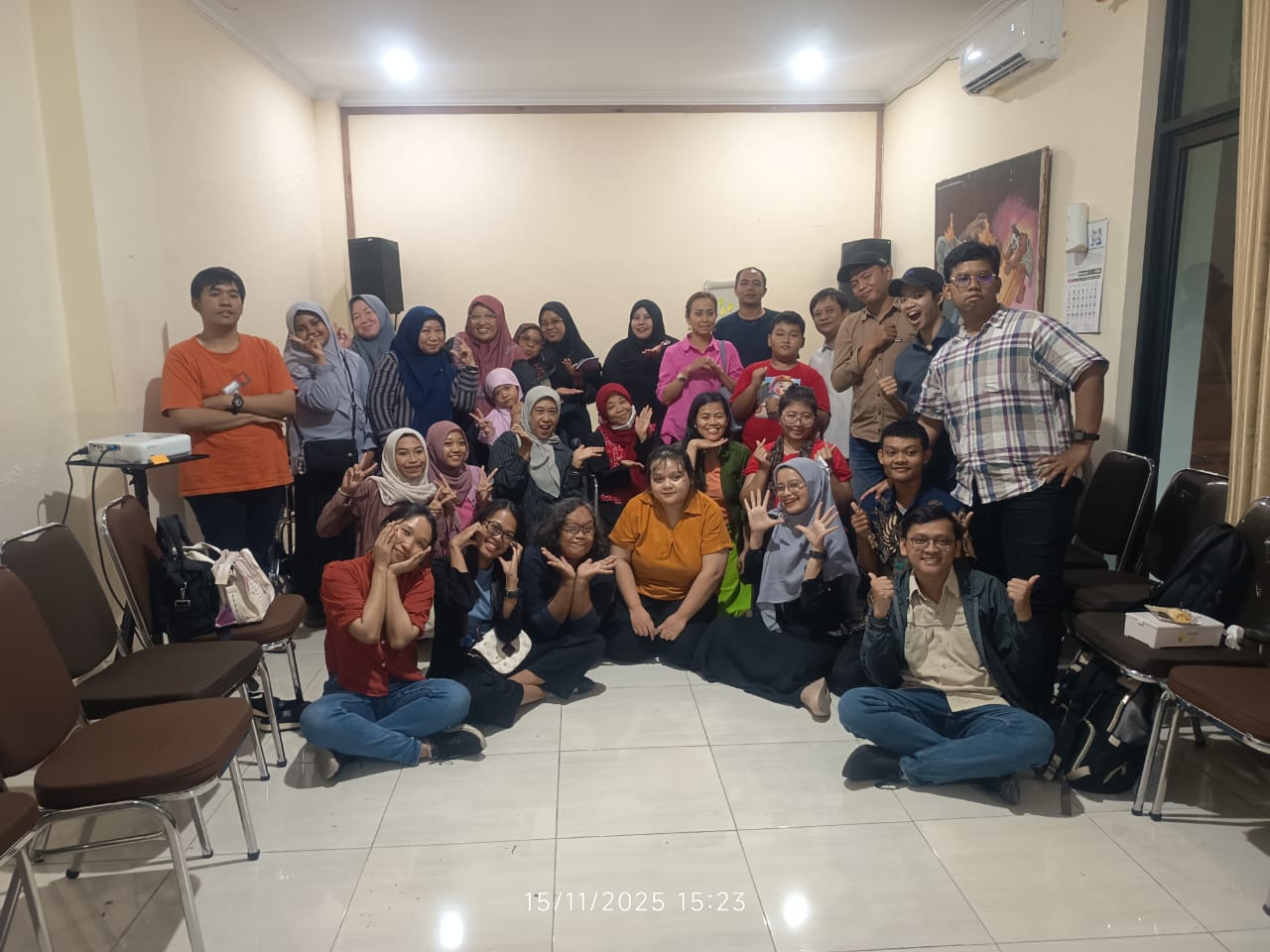

In session four/closing, Inclusion Volunteer class or kelas Relawan Inklusi (Relasi), an initiative by Solo Inclusion Vision Network or Jaringan Visi Solo Inklusi and Yayasan YAPHI presented Pamikatsih to talk about sensitivity and ethics when interacting with people with disability, on Saturday (15/11/2025). The training involved 22 participants and proceeded for six hours at Anawin Hall, Yayasan YAPHI Surakarta.
Pamikatsih explained the theory of ethics when interacting with people with disability. Ethics means how to treat people with disability and non-disabled people equally in morality and in law, and not to draw citizenship or personal standard around rationality, or independence as have been attempted by many traditional theory of ethics and social justice. "Think that people with disability are like us, although they may do certain things differently than us," said Pamikatsih. She also added that often people do not realise that they say "sorry" to a person with disability which is not really necessary.
When offering help to people with disability; Remember: Most people with disability do not need extra help, the main reason they need help is because there may be environmental challenges.
Then, Pamikatsih asserted, “never assume that help is needed and how to help. "Offer help if you think they need it, by asking “do you need help?” People with disability have the right to say “No”," said Pamikatsih.
People needed to remember that by helping, people should not take over the command. Also, avoid the use of special terms denoting a person’s handicap such as “the Mute, the blind, the deaf, the ….” And avoid terms that were not empowering such as “victims”, “sufferers”, and so on. It was better to ask what the problem was or what the disability was.
Pamikatsih then told her story when she interacted with a security guard because she noticed that the latter did not have a perspective on disability. "I would prefer to be called “limping” rather than disabled. But not in front of the public, no. A blind friend said "I would rather be called blind" but the government office did not allow that because the latter used the term vision impaired," explained Pikat.
Apart from theory on how to interact with people with disability, the training also made available time for practice when a person did interact with, for example, people with disability – i.e. someone using a wheelchair or a walking stick. They also practiced the way to accompany a person with vision impairment or a deaf person. "For someone who is using a walking stick, the person accompanying should not follow the gesture of the person using the walking stick. We should be a little bit in front of the person," said Adi, the facilitator.
Meanwhile, at the story-sharing and discussion session, Dewi, a mother of a deaf child said that her kid did homeschooling and used Indonesian and English. Her kid needed quite some time to make adjustment. "The teacher always introduced my kid to other kids. The teacher also said, "This is Valen, do not call her deaf to address someone with hearing impairment." So I knew that my kid was accepted," said Dewi. (Ast)